The Warrior Princess and the Barbaric King episode 7 digs deeper into the show’s core conflict: the clash between a conquering, land-subjugating civilization and the indigenous peoples who live in harmony with the natural world. This installment expands worldbuilding around the blight, gives meaningful development to Sera’s perspective, and delivers a surprising character reveal that reframes past events. Below I break down the episode’s plot beats, major themes, character dynamics, and what it means for the series going forward.
Episode synopsis: memory, blight, and revelation
©KOTOBA NORIAKI, KODANSHA/’THE WARRIOR PRINCESS AND THE BARBARIC KING’ Production Committee
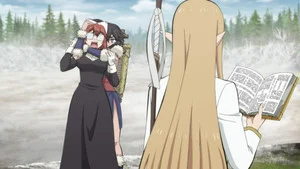
Episode 7 reveals the origins and effects of the blight that is ravaging the land. The story alternates between exposition—where leaders of the forest and other races explain how the corruption spreads—and intimate character moments, where Malcius confronts the loss of her past. Sera continues to discover that many former Illdoran women have defected and found new lives among the so-called barbarians, including the episode’s surprise reveal: Cersei is another Illdoran defector. The episode culminates in a cleansing ceremony that blends ritual magic with pragmatic reforestation work, emphasizing that healing the land requires both will and effort.
Major themes explored
Colonization and cultural erasure
The episode draws an explicit parallel between Illdoran conquest and historical colonialism. Illdorans impose their will on both people and terrain—planting flags, reshaping landscapes, and rewriting cultural stories—while the indigenous races treat the land as a living participant rather than a resource. The narrative doesn’t shy from this comparison; it uses it to interrogate how colonizers not only dominate people but also dismantle ecological and cultural systems that sustain communities.
Land as living memory
One of the episode’s most compelling ideas is that the land has memory and will. The blight is framed as a kind of collective amnesia; corrupted land forgets what it is meant to be. This idea reverberates through the characters: Malcius’s memory loss mirrors the forest’s forgetting, while the women who left Illdoran are shown reclaiming identity after being deprogrammed from cultural indoctrination. That parallel grounds the fantasy conceit in emotional truth—restoring ecosystems and restoring people are both slow, intentional acts.
Work vs. magic: no quick fixes
The cleansing ceremony is crucial because it rejects the trope of instant magical cures. Magic in this universe can accelerate processes—reminding trees of their nature or nudging growth—but it cannot replace the long-term labor of replanting saplings, tending them, and changing hearts. The show smartly balances spectacle with realism: even with ritual help, the forest needs time, care, and continued commitment. That messaging makes the stakes feel earned and believable.
Character breakdown
Sera: learning humility and belonging
Sera’s arc in this episode leans into empathy and education. As she learns the ecological and cultural stakes of the land, she begins to see her new home not as an escape but as a community with responsibilities. The episode situates Sera as a bridge for the audience—through her eyes we understand how complex the conflict is and why the barbarians resist Illdoran control.
Malcius: memory as consequence
Malcius’s amnesia is a narrative double-edged: it protects her from the trauma of her past actions but also robs her of context. The show treats this with nuance—memory loss is both tragic and, perhaps, an opportunity for rebuilding identity. Her inability to remember her pre-priest life raises moral questions about accountability, redemption, and the nature of self.
Cersei: the pragmatic deprogrammer
The revelation that Cersei is Illdoran-born reframes her confidence and cross-cultural fluency. She is depicted as a model of internal freedom: comfortable across different cultural spheres without descending into smugness or superiority. Her groundedness presents a template for Malcius’s healing—steady willpower and honest self-knowledge rather than ideological fervor.
Worldbuilding and symbolism
The episode deepens the series’ lore without bogging it down in exposition. Concepts like the Fiend, the angel within, and multi-racial alliances are clarified through narrative context and ceremony rather than dry info-dumps. Symbolically, the episode uses reforestation to stand in for cultural renewal: planting trees equals replanting memory and tradition, and tending to saplings mirrors re-education and rehabilitation of those who’ve been indoctrinated.
Visuals and pacing
Visually, the episode contrasts the rigid, imposing architecture of Illdoran with the organic vistas of Veor’s people, reinforcing thematic differences. The cleansing ritual sequences are framed as both mystical and communal work, allowing the episode to alternately breathe and move the plot forward. The pacing supports the dual aims of revelation and reflection—enough plot advancement to keep momentum while carving space for emotional beats.
Where to watch
The Warrior Princess and the Barbaric King is currently streaming on Crunchyroll. For viewers interested in the episode’s ecological themes and the series’ treatment of restoration, reading more about real-world reforestation efforts can add context: see Britannica’s overview of colonialism and its effects here.
Why episode 7 matters for the series
Episode 7 is a turning point. It takes the series beyond a simple “us vs. them” action fantasy and forces viewers to confront the structural, environmental, and psychological consequences of conquest. By aligning the fate of the land with the fate of characters’ memories and identities, the episode raises the stakes for future conflicts. The storytelling choice to emphasize slow, communal work over instant magical fixes sets up a season-long tension: can the people—and the land—be healed before Illdoran’s ambitions doom them?
Recommended for viewers who enjoy:
- Fantasy stories that treat ecology and culture as intertwined
- Character-driven worldbuilding with emotional stakes
- Shows that explore the cost of colonization and cultural assimilation
Final thoughts
Episode 7 of The Warrior Princess and the Barbaric King is one of the series’ more thoughtful installments. It balances lore, character development, and thematic depth while refusing to offer easy solutions. The revelation about Cersei adds complexity to the cast dynamic, Malcius’s memory loss offers moral ambiguity, and the show’s treatment of the blight as both ecological and psychological gives the series a grounded emotional core. If the show continues to treat restoration as a process rather than a plot device, it will likely remain one of the season’s more resonant fantasy narratives.