


Textured knitting stitch patterns introduce a whole new level of depth and creativity to your knitting projects. These patterns go beyond your basic knit and purl stitches to create beautiful designs and intricate textures.
These varied patterns add complexity and aesthetic appeal to your projects and provide a riveting knitting experience, challenging for the beginner, but once you’ve mastered them, you’ll want to use them over and over again.
The following is a lengthy discussion of textured knit stitch patterns. If you would prefer, jump directly to the knit stitches with links to step-by-step tutorials on how they are created.
How Does Textured Knitting Stitch Patterns Differ from Other Types of Stitch Patterns
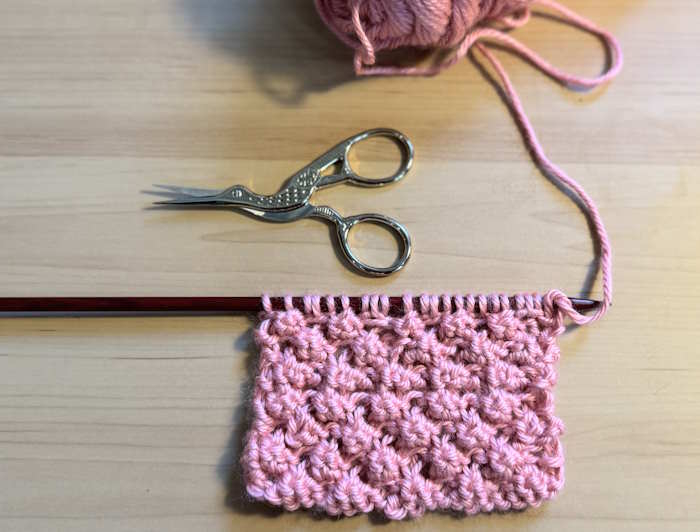
Textured knitting patterns stand out from basic knitting stitches due to their distinctive tactile and visual appeal.
While standard knitting primarily involves simple knit and purl stitches, textured patterns incorporate techniques – such as slipping stitches, yarn overs, and knitting stitches out of order – to create intricate designs and structures.
Textured knitting can create a wide range of effects, like bobbles, ridges, cables, lace-like holes, and raised patterns, adding depth and detail to the fabric.
This allows knitters to add a unique touch and aesthetic richness to their projects that go beyond what simple stitches can accomplish. Also, textured knitting patterns are often more engaging and challenging to work on, providing a more stimulating and satisfying knitting experience.
Elements that make up textured knitting stitch patterns
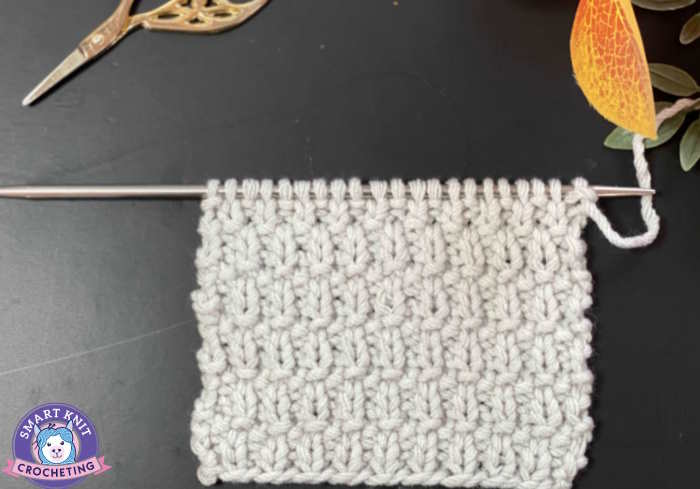
Textured knitting stitch patterns are distinguished by their advanced knitting techniques to create a three-dimensional, tactile quality in the fabric. Here are crucial elements that make up textured knitting stitch patterns:
Knitted Textured Stitch Patterns
Changing Stitch Sequence: Textured patterns often involve switching between knitting and purling within the same row or round, changing the stitch sequence to create various effects. This can create raised “bumps” or “ridges” that give the fabric texture.
Special Techniques: Techniques such as slipping stitches, knitting stitches out of order, or wrapping the yarn around the needle multiple times can add extra depth and complexity to the fabric.
Direction of Stitches: This refers to how stitches are placed on the needle and interloop to form a pattern. For instance, stitches can be knitted through the back loop, twisted, or crossed over each other to form cables.
Yarn Overs and Decreases: Creating intentional holes (yarn overs) and compensating for them with decreases is a common way to create lace patterns, which give a unique texture to the knitted fabric.
Bobbling and Looping: Techniques like making bobbles (little balls on the fabric surface) or looping the yarn in specific ways can create very distinctive, raised textures.
What Types of Yarn Work Best with Textured Knitting Stitch Patterns
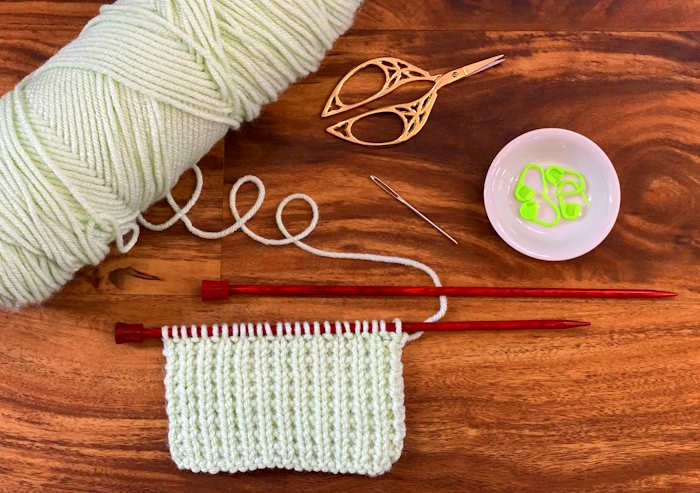
The type of yarn used can significantly enhance the texture in a knitting pattern. Chunky yarns, for example, can amplify the dimensions of a textured pattern, while finer yarns might be better for intricate, delicate textures.
Solid colored yarns bring out the texture better than varigated, striping or pooling yarns. They can still be used but if the texture is the look you are after, solids work best.
Smooth yarns are also a good choice for textured knit stitches, fuzzy and speciality types of yarn muddle the look and may be difficult to work with.
Skills Needed to Make Textured Knitting Stitch Patterns
To successfully create textured knitting stitch patterns, several skills are necessary. Here is a list:
1. Basic Knits and Purls:
These are the fundamental building blocks of most textured designs, so a solid grasp of these techniques is essential.
2. Reading Knitting Patterns
Textured stitches often include complex sequences, so being able to read and understand pattern instructions is necessary.
How to Read a Knitting Pattern
3. Yarn Over Skills
Yarn overs create holes or lace-like patterns in the design, thus adding to the texture.
4. Casting On and Off
Different textured patterns may require different methods of casting on and off, so understanding various techniques is helpful.
5. Slip Stitching
This technique is used in many textured patterns to create a distinct effect.
Learn more about Slip Stitches
6. Increasing and Decreasing
You should be comfortable with a range of increasing and decreasing techniques which are often used to shape the fabric in textured stitches.
Learn more about Increasing in Knitting
Learn more about Decreasing in Knitting
7. Cabling
This advanced technique, which involves rearranging the order of stitches, creates raised patterns that add a lovely texture.
Learn more about cables
8. Knitting through the Back Loop (KTBL)
This skill is incorporated into many textured patterns to add twists to the stitches.
19. Blocking
This is the process of wetting and then reshaping your knitted piece to its final shape and size. This skill is particularly useful for lace and other openwork textured patterns.
How to block your knitted fabrics
List of Textured Knit Stitch Patterns
This is a growing list of textured knit stitch patterns. I’ve organized them in alphabetical order.
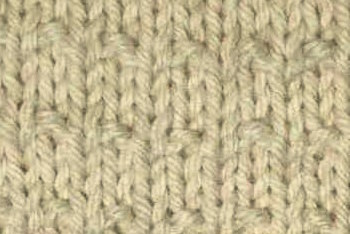 Andalusian Knit Stitch
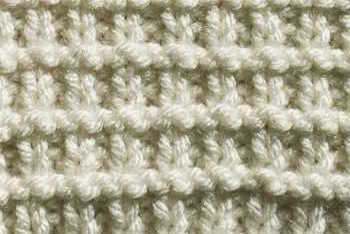 Grid Knit Stitch
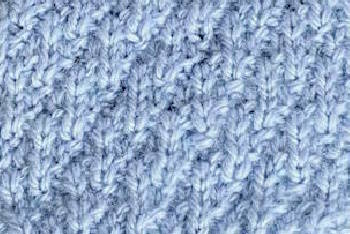 Seersucker Stitch
Conclusion
In conclusion, textured knitting stitch patterns open a world of creative possibilities in hand knitting. They enable knitters to curate designs that stand out due to their peculiar aesthetic and tactile charm.
These patterns, which range from simple moss stitches to elaborate diamond brocades, embody a unique convergence of tradition and innovation.
Embarking to master such patterns demands patience, precision, and passion, but the result is worth the effort.
Whether you’re an experienced knitter looking to challenge yourself or a beginner ready to take your knitting to the next level, textured knitting patterns offer a captivating route to express your artistry and expand your skill set.
These textured wonders truly reflect the infinite versatility of knitting, turning simple yarns into extraordinary creations.
Textured Knitting Stitch Patterns: Pin for Future Reference
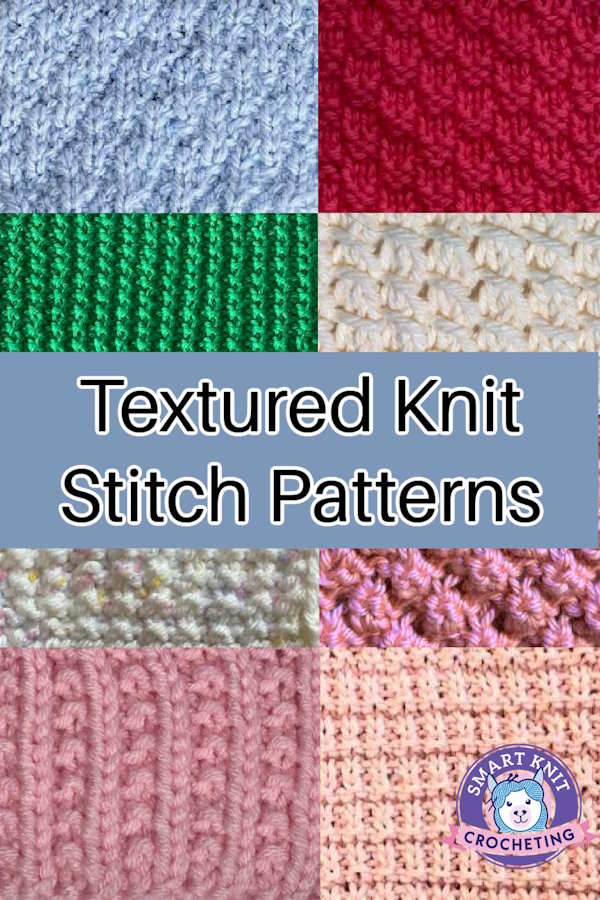 Textured Knit Stitch Patterns, Pin for Future Reference


