With recent media coverage surrounding a hantavirus-related cruise ship incident, many people are asking the same question: Should I be worried? Hantavirus is a rare but serious illness linked to exposure to infected wild rodents, and while public concern tends to spike when stories like this make headlines, the actual risk for most homeowners remains very low.
To help separate speculation from science, Rose Pest Solutions Technical Director Dr. Stan Cope shares answers to the most frequently asked questions about hantavirus from rodents, including how it spreads, symptoms to watch for, and how to safely clean up rodent contamination. Dr. Stan holds a Master’s Degree in Medical Entomology and a PhD in Public Health.
Hantavirus FAQ:
Is hantavirus in the U.S.?
Hantavirus occurs in the United States and it is generally confined to rural settings. 94% of the cases occur west of the Mississippi, with the highest numbers being in Colorado, New Mexico, and Arizona.
Can hantavirus spread from person to person?
Most hantaviruses, including those found in North America, are NOT transmitted person to person. The only person to person transmission documented to date occurs with the ‘Andes’ strain of hantavirus found in South America. This is extremely rare.
What are the early symptoms of hantavirus?
Early symptoms are general in nature and may include fatigue, muscle aches, fever, headaches, dizziness, chills, and abdominal distress. For more information, visit https://www.cdc.gov/hantavirus/about/index.html
How do you actually catch hantavirus?
Hantavirus infects mostly wild rodents. People typically become infected by inhaling microscopic particles from rodents’ feces, urine, or saliva. A typical infection might result from cleaning a remote vacation cabin that was infested with wild rodents, and not using the proper personal protection measures.
Am I at risk for hantavirus if I have mice in my house?
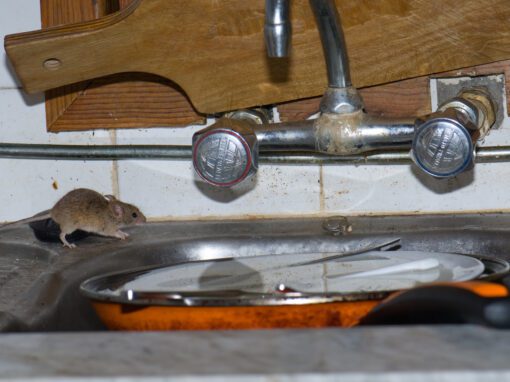
Hantavirus is maintained in wild rodents, which rarely enter homes. Even in high-risk areas, house mice – the typical kind we see scurrying around in our garages and occasionally in homes, are not the usual carriers of hantavirus.
Should I be worried about a pandemic or getting hantavirus myself?
Hantavirus is highly unlikely to cause a pandemic such as we experienced with COVID. As almost all hantavirus are not spread person to person, widespread global transmission is nearly impossible. The possibility of an individual acquiring hantavirus is extremely low, even in areas of elevated risk.
How do I safely clean up after rodents?
Using proper personal protection is key to preventing hantavirus infection. The Centers for Disease Control and Prevention provide detailed, step by step instructions on how to clean up after rodents. See: https://www.cdc.gov/healthy-pets/rodent-control/clean-up.htmlUsing
News stories about hantavirus from rodents can feel unsettling, but informed homeowners are better equipped to respond appropriately rather than react out of fear. Knowing the facts about transmission, symptoms, and safe cleanup practices can help you make smart decisions if rodent activity occurs around your property. If you suspect mice or other rodents are getting too close for comfort, contact us. We’re here for you!
The post Hantavirus FAQ: What You Need to Know About Rodent Risks appeared first on Rose Pest Solutions.