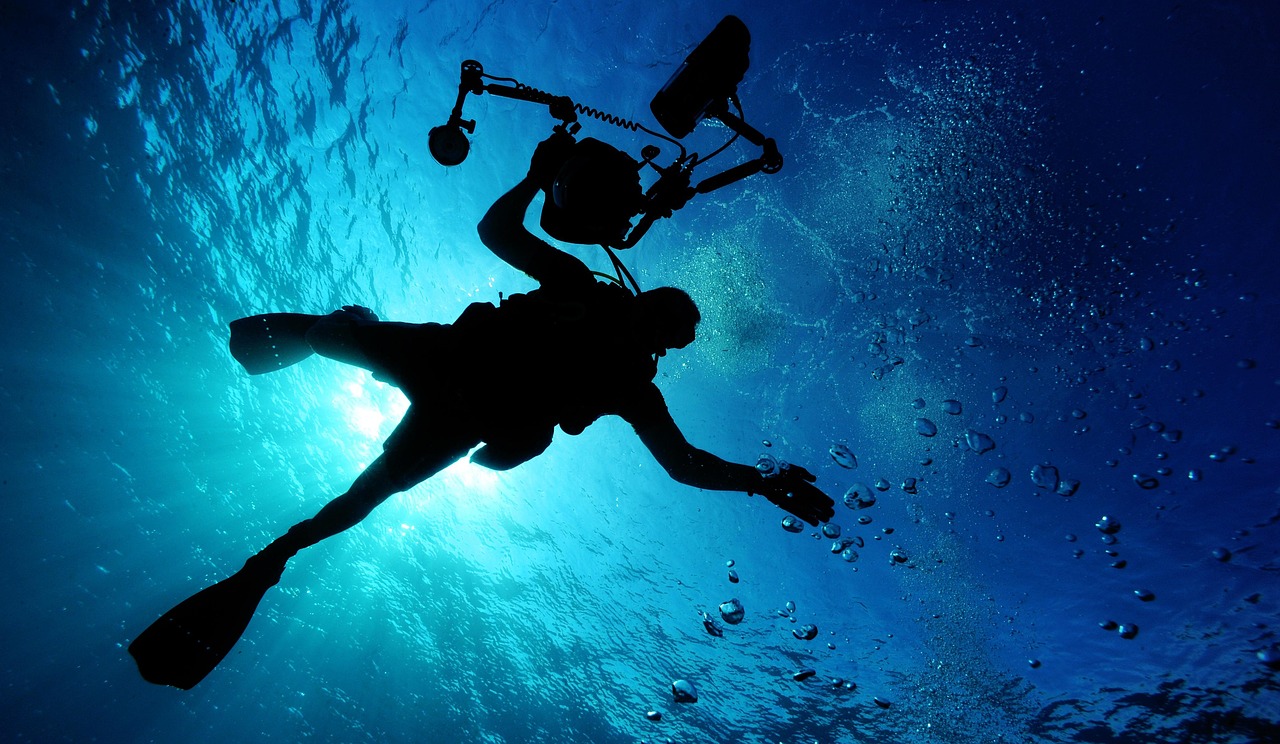
Not every memorable dive is dramatic.
Some of the dives that stay with people longest are surprisingly quiet. No strong currents. No frantic finning. No constant scanning for the next big moment. Just steady breathing, comfortable water, and the feeling that time underwater has slowed slightly — enough to notice things properly.
Experienced divers often arrive at this preference gradually. At first, intensity tends to dominate the imagination. Deep walls, difficult conditions, fast movement. Then, somewhere along the way, the appeal shifts. Comfort stops feeling secondary. Ease becomes part of the experience rather than the absence of one.
And certain destinations support that style of diving exceptionally well.
Why relaxed diving starts to matter more over time
There’s a difference between passive diving and relaxed diving, although the two are often confused.
Relaxed diving still requires awareness. Good buoyancy. Attention to depth, positioning, breathing. But the environment reduces friction rather than adding to it. Conditions settle the diver instead of constantly testing them.
Perhaps that’s why experienced divers begin valuing it differently. Once the novelty of simply being underwater fades, attention moves elsewhere — toward pacing, observation, and how a dive actually feels over forty or fifty minutes.
The dives become less about surviving conditions and more about inhabiting them.
What actually makes a dive feel relaxed?
It’s rarely one thing.
Visibility plays a role. So does water temperature. Stable currents help, although complete stillness isn’t always necessary. Efficient boat logistics matter more than divers sometimes admit. Easy descents matter. Predictable underwater terrain matters too.
Small stressors accumulate underwater. When enough of them disappear, the dive changes character.
Relaxed diving doesn’t necessarily mean shallow diving, or beginner diving. Some of the world’s most absorbing sites are technically straightforward. That simplicity creates room for attention to expand elsewhere — toward marine behaviour, light, spacing, even your own breathing rhythm.
1. Egypt — where visibility and stability slow everything down
The Red Sea remains one of the clearest examples of this kind of diving.
Visibility reduces mental effort almost immediately. You’re not constantly orienting yourself or recalculating distance. Depth feels legible. Space opens up around the reef instead of closing in.
Warm water contributes more than comfort alone. Breathing steadies faster. Movements become economical without conscious effort. Even wall dives, which can sound intimidating on paper, often settle into a smooth and surprisingly unhurried rhythm.
It’s one of the reasons diving in Egypt often feels longer and calmer than the actual runtime suggests.
And then there’s the consistency. Conditions don’t fluctuate wildly from one dive to the next, which allows divers to relax into the environment rather than constantly adapting to it.
2. The Maldives — letting the current shape the dive
The Maldives offers a different kind of relaxation.
At first glance, drift diving might not sound restful. Currents can be strong. Entries are often quick. The environment feels more exposed than sheltered reefs elsewhere.
But once divers stop resisting the movement, the experience changes.
There’s a strange calm that comes from allowing the current to carry the dive instead of driving every metre yourself. Finning decreases. Positioning becomes subtle. You spend less energy controlling the experience and more energy responding to it.
Not every Maldives dive is gentle, of course. But many experienced divers find the rhythm deeply calming once trust replaces tension.
3. Indonesia — where biodiversity naturally slows people down
Indonesia creates relaxation differently.
Here, the water often demands patience rather than movement. Macro environments, especially, encourage stillness. Divers stop covering distance and begin hovering longer over small spaces. A patch of reef the size of a coffee table can hold attention for an entire dive.
That slower pace changes breathing almost automatically.
Instead of searching constantly for the next large animal, divers settle into observation. Tiny behavioural details start becoming rewarding in their own right — shrimp interactions, camouflage shifts, juvenile fish movement.
The dives feel immersive rather than adrenaline-driven.
4. Cayman Islands — where consistency becomes part of the appeal
The Cayman Islands sometimes get overlooked in conversations about world-class diving precisely because they feel so manageable.
And yet, that reliability is part of the attraction.
Visibility is often excellent. Entries are straightforward. Navigation tends to be intuitive. Divers spend less mental energy adapting and more simply enjoying the dive itself.
Predictability can sound unexciting when described too clinically. Underwater, though, it often feels liberating.
You know roughly how the dive will unfold, which creates space to pay attention to everything else.
Why warm water changes more than comfort
Divers talk about warm water casually, almost dismissively sometimes, as if comfort were a luxury rather than part of the experience.
But temperature affects more than comfort.
Warm water reduces physical tension. Muscles loosen earlier in the dive. Breathing stabilises faster. Time underwater feels less segmented because discomfort stops interrupting awareness every few minutes.
The body becomes quieter. And when the body quiets down, attention expands.
It’s difficult to quantify, but experienced divers recognise it immediately.
Efficient air consumption often belongs to the environment
Air consumption gets framed as personal performance far too often.
In reality, environment shapes breathing patterns constantly. Calm conditions reduce overexertion. Stable buoyancy reduces unnecessary movement. Visibility lowers stress, even subtly.
Divers who struggle with consumption in colder, lower-visibility environments sometimes find themselves surfacing with unexpectedly comfortable reserves in warmer, calmer destinations — not because they suddenly became more skilled overnight, but because the environment supported efficiency naturally.
Long dives change how marine life is experienced
Relaxed dives alter wildlife encounters too.
Marine life behaves differently around divers who move slowly and predictably. Fish resume normal patterns faster. Turtles linger instead of passing through. Cleaning stations continue operating.
The dive becomes less transactional. Less about spotting. More about remaining present long enough for behaviour to unfold naturally.
This is where long, relaxed diving quietly becomes rewarding in a deeper sense.
Why some divers stop chasing intensity all the time
Dramatic dives still matter. Strong currents, difficult entries, demanding conditions — they have their place, and many divers continue to seek them out deliberately.
But over time, constant intensity can become tiring. Not physically, necessarily. Mentally.
Some divers begin valuing dives that allow them to settle instead of react. Dives where awareness widens rather than narrows. Where the experience unfolds gradually instead of demanding immediate attention.
That shift doesn’t happen for everyone. But when it does, destination choices often change too.
Relaxed diving isn’t lesser diving
There’s a tendency in diving culture to equate difficulty with value. As though challenge alone validates the experience.
The best relaxed dive destinations quietly challenge that assumption.
Comfort, stability, and ease don’t reduce depth of experience. Sometimes they create the conditions necessary for it. They allow divers to notice more, stay present longer, and emerge from the water feeling restored rather than depleted.
And perhaps that’s why these destinations linger in memory. Not because they demanded everything from the diver — but because they allowed the diver to give attention back to the water itself.
Sometimes the dives you remember most are the ones where nothing felt rushed, including yourself.