Ahh, sourdough – that irresistible tang that makes us weak in the knees! If you’re here today, you’ve likely fallen down the sourdough rabbit hole, and let me tell you, that perfect rise doesn’t happen by accident.
When I first started making sourdough I was overwhelmed by all the starter options. Should I go classic? Try something exotic? It’s enough to make your head spin!
Today, I’m going to walk you through the sourdough starter universe – from the reliable workhorses that have been bubbling away in kitchens for centuries to some fascinating new approaches that might just revolutionize your baking.
Get ready for some serious bread talk! I’ll share all my hard-earned wisdom about creating that gloriously bubbly loaf with a crust that crackles and a crumb that’s perfect for everything from a simple butter smear to your most ambitious sandwich creations.
By the time we’re done, you’ll know exactly which starter personality matches yours. Ready to find your perfect sourdough soulmate? Let’s dive in!
Table of Contents
What is a Sourdough Starter?
This little jar of magic is essentially the heart and soul of sourdough baking – and once you’ve got one, you’ll find yourself oddly attached to it (in fact, many of us name them!).
At its most basic, a sourdough starter is just flour and water that’s been left to ferment until it becomes a bubbly, living ecosystem of wild yeasts and beneficial bacteria. These microscopic buddies are working together in perfect harmony, munching on the starches in the flour and creating those delicious flavors and gases that make sourdough so special.
Unlike commercial yeast packets, which are just one type of yeast, your starter is a complex community that captures the unique microorganisms in your local environment. That’s why sourdough from San Francisco tastes different from sourdough made in Paris or Sydney!
When your starter is happy and active, it’ll double in size after feeding, show lots of bubbles, and smell pleasantly sour – kind of like yogurt with a hint of beer. This living culture becomes the rising agent for your bread instead of store-bought yeast.
The best part? With regular feedings (just more flour and water), your starter can live basically forever. Some bakeries use starters that are over a century old! It’s like having a tiny, very low-maintenance pet that helps you make incredible bread.
I promise making a starter yourself is less intimidating than it sounds, and nothing beats the pride of making bread with something you’ve cultivated yourself.
Types of Flour Used in Starters (And How to Choose What to Use)
Let’s talk about the foundation of your sourdough journey – flour!
When creating a sourdough starter, the type of flour used can have a big impact on the starter’s rise, flavor, and overall performance. Choosing the right flour is an important first step in developing a healthy, active starter that will lead to wonderfully airy loaves.
I cannot stress this enough: your flour choice is going to determine whether your loaves rise to magnificent heights or… well, resemble hockey pucks (but don’t worry because we’ve all been there!).
Wheat Flour
Most sourdough starters are made with regular wheat flour. It’s packed with protein that develops into gluten – that magical elastic network that traps those precious bubbles and gives your bread that gorgeous rise.
You’ve got two main contenders here:
- All-purpose flour (10-12% protein) is your jack-of-all-trades option. You’ll get a pleasant, mildly tangy flavor that won’t knock your socks off but won’t disappoint either. Basically, this creates a mildly acidic, well-rounded flavor. Perfect if you’re just dipping your toes into sourdough waters!
- Bread flour (12-14% protein) is the overachiever of the bunch. Those extra protein points make a HUGE difference! This makes a more robust starter that can produce a chewier crumb and a dramatic oven spring. We’re talking a springy texture and rise that makes you want to take artsy photos of your bread (don’t worry, we all do it). Many sourdough enthusiasts swear by bread flour for that extra lift.
Pro tip: Stay far, far away from bleached or bromated flours! They’ve been stripped of all the good stuff that wild yeasts love to feast on. Go for unbleached, unbromated varieties milled from hard red or hard white wheat. Your starter will thank you with enthusiastic bubbles!

- Whole grain, good source of fiber and protein, creates darker colored baked goods .Six 22 oz. bags of Stone Ground Whole Wheat Flour
- USDA-Certified Organic and Non-GMO Project Verified .35 grams of whole grains per serving. Good source of fiber certified kosher
- Whole wheat flour lends a slightly nutty, earthy flavor to baked goods. Since whole wheat flour contains the whole nutrient-dense bran and germ,
- it benefits from adding about 1 tablespoon of liquid per cup of flour when making substitutions for all-purpose flour. Its best when used in yeasted breads, rolls and pizza.
- This versatile flour is the perfect complement to your favorite recipes and can be used to make a variety of cakes, cookies and bre
Prices pulled from the Amazon Product Advertising API on:
Product prices and availability are accurate as of the date/time indicated and are subject to change. Any price and availability information displayed on [relevant Amazon Site(s), as applicable] at the time of purchase will apply to the purchase of this product.
Rye Flour
For a more complex, tangy flavor profile, rye flour can be used alone or combined with wheat flour.
Rye flour creates starters with personality and depth. While it’s lower in gluten-forming proteins than wheat, rye makes up for it with enzymes that break down starches into sugars faster, essentially throwing a feast for your fermenting microbes.
The result? A starter with a deliciously complex tang that makes your taste buds dance! But beware – rye flour requires more frequent feedings to maintain an active starter. They need more attention and commitment to keeping it active.
Pairing rye with wheat creates a more stable culture. Try a 60% wheat, 40% rye mix for a starter that balances rye’s amazing flavor with wheat’s structural support. But of course, the percentage of rye can be adjusted to suit your preference.
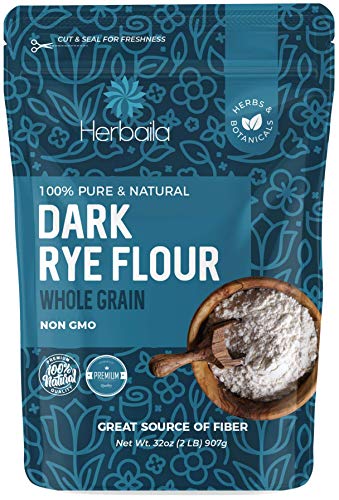
- STONE GROUND DARK RYE FLOUR made from 100% whole grain rye berries. All of the grain components, together with all of its great nutrition, are kept and retained in the stone milling processes.
- Dark rye flour is all natural and WHOLE GRAIN. It is a SINGLE INGREDIENT, kosher and non-GMO flour. Milled to perfection, bringing you a HEALTHY, great tasting and nutritious flour.
- Dark rye flour is a whole grain flour and is packed with all the GOOD NUTRITION of whole grain foods. Dark rye flour has lots of good DIETARY FIBER and has less gluten then ordinary wheat flour.
- Rye flour is the TRADITIONAL BREAD of Europe. Rye flour is used to make artisan breads, PUMPERNICKEL bread, delicious sourdoughs and other traditional, old style breads of northern and eastern Europe
- Dark rye flour can be used alone to make more traditional and dense breads, or mixed together with all-purpose wheat flour. Dark rye flour makes a lovely RYE LOAF with the DISTINCT earthy rye FLA
Prices pulled from the Amazon Product Advertising API on:
Product prices and availability are accurate as of the date/time indicated and are subject to change. Any price and availability information displayed on [relevant Amazon Site(s), as applicable] at the time of purchase will apply to the purchase of this product.
Whole Wheat Flour
Some bakers shun refined white flours in favor of nutrient-dense whole wheat.
Whole wheat starters produce loaves with a nutty, earthy depth that’s impossible to replicate. The bran adds a distinctive texture. The germ provides fats that enhance flavor through softer fermentation byproducts.
But here’s the catch – that bran can be a bit of a gluten bully, interfering with development. My personal solution? A 50/50 mix of whole wheat and bread flour. The bread flour provides structural strength, while the whole wheat brings all that rustic, whole-grain goodness.

- Bob’s Red Mill is the nation’s leader in stone milling and offers the widest diversity of whole grains found anywhere.
- USDA guidelines recommend eating at least 3 servings of whole grains every day.
- Orga
Prices pulled from the Amazon Product Advertising API on:
Product prices and availability are accurate as of the date/time indicated and are subject to change. Any price and availability information displayed on [relevant Amazon Site(s), as applicable] at the time of purchase will apply to the purchase of this product.
Specialty Flours
Ready to get experimental? For a flavored twist, starters can include small amounts of other specialty flours.
You can add small amounts (up to 20% can be substituted for wheat or rye flour) of specialty flours like spelt, kamut, einkorn, buckwheat, sorghum, or teff to your base flour. These grains bring fascinating new dimensions to your bread’s flavor profile.
Just remember to keep the majority of your starter as a gluten-containing flour to allow for adequate rising, or you might end up with sad, flat loaves.
Even coconut and almond flours can make guest appearances (around 10%), adding subtle richness, though they can’t sustain a starter on their own.
What Flour Should You Use?
All-purpose flour is recommended for beginners because:
- It’s versatile and forgiving
- Has a moderate protein content (10-12%) which provides enough gluten for good structure
- Creates a pleasant, mildly tangy flavor that’s approachable
- Not very high-commitment or intimidating if you’re just starting out
Wait until you’re more comfortable with sourdough before experimenting with more demanding options like rye or whole wheat.
Once you’ve mastered a basic all-purpose flour starter, you can gradually experiment with bread flour for more lift, or begin introducing small amounts of specialty flours to develop more complex flavors.
The beauty of sourdough is that it’s endlessly customizable. Your starter becomes a reflection of your personal taste and style.
The perfect flour match balances three things: incredible flavor, good nutrition, and enough gluten to help your bread reach for the stars.
Don’t be afraid to experiment until you find your ideal blend.
Types of Yeast in Sourdough Starters
Sourdough relies on wild yeasts instead of commercial baker’s yeast to leaven the bread.
Wild Yeast vs Commercial Yeast
Unlike mass-produced commercial yeast, wild yeast naturally occurs everywhere. They’re floating in the air of your kitchen, lounging on your flour, and just waiting to party in your starter jar. The wild yeast spores floating around us create the bubbles and rise in sourdough.
When you capture these local wild yeasts in your sourdough starter, you’re essentially bottling your neighborhood’s microbial signature. It’s literally your local environment in bread form! How cool is that?!
Sure, commercial yeast is reliable – it provides consistent results. But it also lacks the depth of flavor from wild cultures. It’s a one-trick pony compared to the wild yeast circus.
Those long, slow proofing times with wild yeasts? That’s where the MAGIC happens!
Your wild yeasts are working with bacteria buddies to create lactic and acetic acids that give your bread complexity that makes your taste buds do a happy dance. Using only commercial yeast leads to a one-note bread missing sourdough’s signature tang.

- Safe Instant Yeast is one of the top selling yeasts in the world
- Comes in a large, 16-ounce (1 Pound) vacuum-packed bag
- Store in an airtight container; for 6 months at room temperature or in the fridge; or for a year or longer in your freezer
- Fast acting and long lasting
- Saf Instant Yeast is one of the top selling yeasts in the world
- Comes in a large, 16-ounce (1 Pound) vacuum-packed bag
- Store in an airtight container; for 6 months at room temperature or in the fridge; or for a year or longer in your freezer
- Fast acting and long lasting
- Saf Instant Yeast is one of the top selling yeasts in the world
- Comes in a large, 16-ounce (1 Pound) vacuum-packed bag
- Store in an airtight container; for 6 months at room temperature or in the fridge; or for a year or longer in your freezer
- Fast acting and long last
Prices pulled from the Amazon Product Advertising API on:
Product prices and availability are accurate as of the date/time indicated and are subject to change. Any price and availability information displayed on [relevant Amazon Site(s), as applicable] at the time of purchase will apply to the purchase of this product.
Yeast’s Role in Fermentation
I’m about to get a little nerdy here, but stay with me – this is the good stuff!
Yeasts are basically tiny sugar monsters that eat carbohydrates and burp out carbon dioxide and alcohol.
Those CO₂ bubbles get trapped in your gluten network like tiny balloons, making your dough expand and creating those gorgeous irregular holes that make you want to take artsy cross-section photos.
Sourdough yeasts are definitely slower than commercial yeasts but SO worth the wait. They need more time to generate enough CO₂ for a good rise, but patience pays off in flavor dividends.
Feed the critters a mix of rye and wheat flour during long fermentation, and they’ll reward you with the most amazing loaves.
Diverse Yeast Strains
Did you know that hundreds of yeast species inhabit sourdough starters?
Saccharomyces exiguus is usually the primary yeast responsible for leavening, but it’s got a whole entourage that also contribute.
Candida milleri brings the tangy vibes with its acidity contribution, while Saccharomyces cerevisiae adds those subtle alcohol notes that make you go “mmmm” without knowing exactly why.
This diversity is your starter’s superpower! A variety of yeast strains impact a starter’s vigor, acidity and how fast it ferments.
Different yeasts thrive in different conditions; too hot in your kitchen? No problem – some yeasts actually prefer that! Too cold? Others have got you covered!
It’s nature’s way of ensuring your bread-making success through metabolic flexibility.
And the payoff of sourdough yeast is incredible. You’ll create loaves with depth, character, and complexity that no commercial yeast can touch.
Types of Sourdough Starter
Maybe you’re a traditionalist who appreciates the time-honored simplicity of a regular starter. Perhaps you’re drawn to the structure and dramatic results of a stiff starter. You might be a free spirit who vibes with the rapid, fluid nature of a liquid starter. Or possibly you’re breaking barriers with gluten-free innovation!
The beauty of sourdough is there’s no wrong answer – only delicious possibilities. Each type of starter has its own personality, quirks, and baking superpowers.
1. Regular Sourdough Starter
When people think of sourdough, they usually envision a standard, traditional starter made simply from flour and water. This basic starter has been used for centuries to leaven breads and lend that distinctive tang.
This is the OG sourdough – the no-frills starter that your great-great-grandmother probably used!
Regular sourdough starter can raise any type of bread, from country loaves to baguettes. It pairs especially well with heartier whole grain breads, producing a wholesome flavor and lighter texture. The starter helps break down all the tough stuff in whole wheat flour so your body can actually absorb the nutrients.
For the most traditional taste, regular starter is ideal for recipes like San Francisco sourdough with its crusty boule shape. The starter contributes a pleasing sourness that balances the sweetness of an enriched dough, like challah.
Ingredients
A classic sourdough contains just two ingredients: flour and water. Tradition calls for using only flour and water to cultivate the wild yeasts and bacteria responsible for sourdough’s rise and flavor. No sweeteners, no commercial yeast – nothing to distract from the pure sourdough experience.
I love using a 50/50 blend of whole wheat and rye flours to keep my microscopic pets well-fed and happy.
Fermentation Time
Without added commercial yeast, regular starters rely solely on naturally occurring yeasts and lactic acid bacteria. This leads to a long, slow fermentation time of 24-48 hours at room temperature, allowing complex flavors to develop. Taking its sweet time creates those gorgeous organic acids that give your bread that signature tang. It also helps preserve the bread!
Feeding
For a happy, bubbly regular starter, stick to this simple routine:
- Once a day, discard about 80% of your starter (don’t worry, it’s not wasteful – make discard pancakes! They’re life-changing!)
- Feed with equal weights of flour and water (I do 50g of each)
- Stir until well mixed, then cover loosely
- Let it do its thing at room temperature for 8-12 hours
If life gets busy (or you’re heading on vacation), just pop your starter in the fridge after feeding. This puts it into hibernation mode for up to 2 weeks! When you’re ready to bake again, take it out 1-2 days before and resume regular feedings to wake those sleepy microbes up.
2. Stiff Sourdough Starter
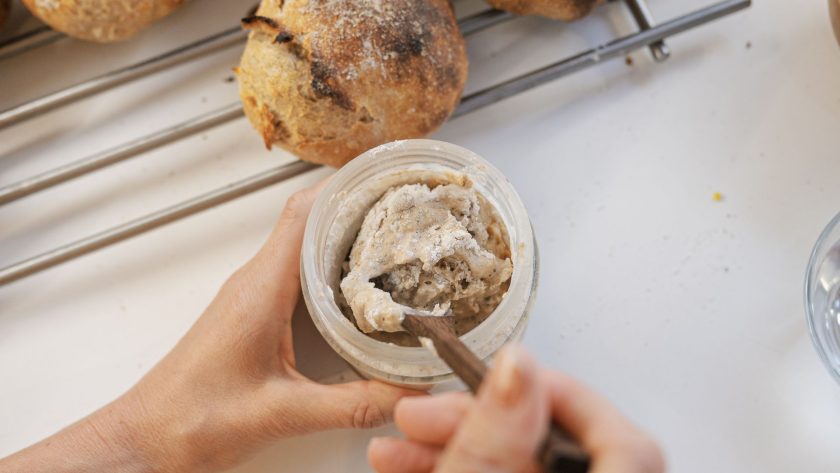
This thicker, more solid starter is created with a higher ratio of flour to water compared to a regular, loose starter, making it more like dough than batter.
A stiff sourdough starter contains a higher ratio of flour to water compared to a regular, loose starter. This thicker consistency makes the starter easier to handle and can create tasty artisan loaves with a chewy crumb.
When you use a stiff starter in your bread, you get this gloriously chewy, airy interior with dramatic holes. A stiff starter adds heft and texture. The firmer starter creates resistance that strengthens gluten development.
The denser crumb provides excellent support for whole grains. Stiff starter is ideal for hearty rye and whole wheat breads. It adds a pleasantly wheaty flavor while ensuring the loaves don’t turn out overly dense.
For chewy baguettes or ciabatta with big holes, a stiff starter is just the ticket. It contributes extensibility to the dough for good oven spring. The starter’s yeasty aroma also enhances flavor.
With some experimenting to get the consistency right, stiff starters can create loaves with the artisanal quality you crave. The thicker starter both streamlines handling and brings out the best in finished breads.
Ingredients
What goes into a stiff starter and how does it affect finished breads?
To create a firm, stiff starter, use equal parts flour and water by weight or increase the flour to 60-70% of the water weight.
For example, 100g flour mixed with 100g water makes a thick, scoopable starter. The higher flour content slows fermentation while still allowing the yeasts and bacteria to thrive.
Some bakers push the flour content even higher to create a dry starter with a dough-like texture. This very firm starter requires kneading to incorporate the water. The denser consistency makes it easier to handle for mixing and shaping.
The reduced hydration level in a stiff starter means less available water for the yeast and bacteria. This slows fermentation, requiring a little more patience. That thicker consistency actually holds onto gas better, creating a starter that’s ready to party when it’s time to bake.
Avoid going above 80% flour by weight or fermentation could stall.
Check for bubbles and rise to ensure the stiff starter remains active. Let it peak before mixing the final dough.
Feeding
Here’s how to keep it thriving:
- Feed every 24 hours at room temperature (or every 12 hours if you’re in hurry-up-and-bake mode)
- Discard about half of your starter (save it for crackers – you’re welcome!)
- Add flour and water at a 1:1 ratio by weight, or go stiffer with 60g flour to 40g water
- Instead of stirring, you might need to knead this thicker mixture with your fingers (consider it dough therapy!)
- Form into a little ball and place in a container with room to grow
A stiff starter can hang out in your fridge for 2-3 weeks between feedings without throwing a fit. Just take it out a day before baking, feed it twice, and it’ll bounce back like nothing happened.
It’s the ideal starter for busy people or occasional bakers who don’t want a high-maintenance relationship with their sourdough.
3. Liquid Sourdough Starter
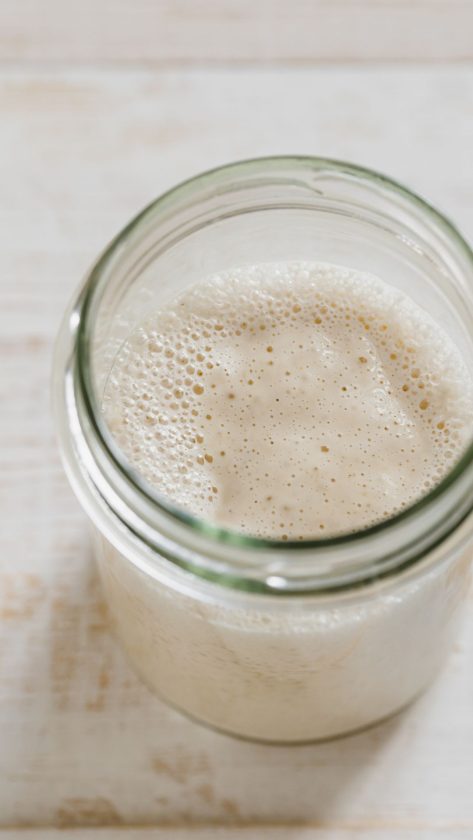
Liquid sourdough starters (not to be confused with liquid on top of sourdough starter) have a higher water content than traditional or firm starters, resulting in a thinner, more fluid consistency. It’s pourable, almost like thick pancake batter.
It’s intentionally formulated to be fluid and lively!
When mixed into dough, a liquid starter contributes moisture for a soft, spongy crumb. You get a tender, pillowy crumb that melts in your mouth.
It’s perfect for those gorgeous ciabattas and focaccias with their signature softness. Even lean doughs like baguettes benefit from the extensibility and fermentation boost without getting too dense.
With some trial and error to balance hydration, liquid starters can create loaves with a delicate, mellow flavor and cottony texture. Their fluid nature does require diligent maintenance but it’s more than worth it.
The flavor profile tends to be more mellow and balanced – less in-your-face sour and more subtle complexity. It’s sourdough for people who appreciate nuance!
Ingredients
Liquid starters typically contain equal parts flour and water by weight, or even an extra 50% water over the flour amount. The higher hydration provides ample moisture for yeasts and bacteria to thrive.
For example, 100g flour mixed with 150g water makes a thin, pourable starter.
Some boost the water content up to 200% of the flour weight.
The extremely wet consistency allows for rapid fermentation. But too much liquid can weaken gluten development, so watch out.
Feeding
The runnier texture requires more frequent feedings. You’ll need to feed this hungry starter more frequently – at least daily, sometimes twice if your kitchen is warm.
Use equal weights of flour and water when refreshing to retain the fluid state.
Stir the starter well before feeding to incorporate any separated liquid. Watch for bubbles and a rise in volume to ensure the active cultures remain vigorous. Discard some starter before feeding to prevent excessive acidity.
Maintain the starter around 70°F/21°C. Warmer temperatures accelerate fermentation, while cooler conditions could stall a thin starter. Consider a heating pad or Proofing Box during colder months.
Reduce the hydration of the final dough slightly to account for the wet starter. The rapid ferment from the liquid starter also boosts oven spring.
Adjust recipes and kneading time when substituting liquid for dry starter.
- Feed at least once daily – seriously, these microbes PARTY HARD in all that water and get hungry faster!
- In warmer weather (above 75°F/24°C), feed twice daily to prevent it from going too sour
- Pour off about 80% of your starter (liquid gold for ultra-tender waffles!)
- Add equal parts flour and water by weight for a 100% hydration starter, or 100g flour to 150g water for a truly liquid 150% hydration starter
- Stir vigorously to incorporate oxygen (those yeasts love oxygen like we love fresh bread!)
- Store in a container at least 3x its volume – this starter RISES dramatically!
If you need to take a break from your high-maintenance liquid friend, feed it, let it sit for 1 hour, then refrigerate. Just remember it will need a couple of regular feedings to bounce back to full strength before baking.
4. Gluten-Free Sourdough Starters
For those avoiding gluten, the complex world of sourdough starters may seem off limits. But with the right flours, you can cultivate gluten-free sourdough full of live cultures and rise.
Who says you need gluten to join the sourdough party?
While it requires some adjustments, homemade gluten-free sourdough brings the spirit of true artisan bread to any restricted diet. With the multitude of gluten-free flours now available, you can craft starters to suit your tastebuds. Don’t be afraid to experiment until you perfect your own signature blend.
(I actually dive into the topic more in my blog “Is Sourdough Bread Gluten Free” but we’ll also answer the topic here.)
Ingredients
You can’t use regular wheat flour for gluten-free sourdough since it contains, well, gluten
Instead of wheat, these revolutionary starters use naturally gluten-free flours like brown rice (which has starch molecules that can mimic gluten’s stretch), buckwheat (bringing protein for structure and a gorgeous nutty, earthy flavor), sorghum, millet, or teff.
A blend of flours often works best.
Try mixing brown rice flour with sorghum or millet flour for a versatile starter. Teff flour adds texture and a rich flavor.
Garbanzo bean flour provides binding power. Start with a 1:1 ratio of brown rice to buckwheat flours for a balanced starter. Adjust the percentages over time to find your perfect mix.
Feeding
I won’t sugar-coat it – these starters need a bit more TLC than their gluten-containing cousins.
Without gluten’s stabilizing influence, they’re a bit more delicate and less stable. Daily feedings (or even twice daily in warm weather) are a must, and equal weights of flour and water help keep them happy. Watch for bubbles and rise to ensure the yeasts stay active.
Store the starter in the fridge between uses for slower fermentation. Let it come to room temp before baking.
The starter may require a bit more babying, but with care you’ll be rewarded with lovely loaves.
- Feed every 12 hours when building a new starter (yes, really – these need more consistent attention at first!)
- Once established, feed daily with equal weights of your gluten-free flour blend and water (100g of each works well)
- Look for bubbles and a slightly sour smell to confirm it’s active – gluten-free starters might not rise as dramatically as wheat ones
- Keep in a warm spot (75-80°F/24-27°C) to encourage fermentation
- Use a glass container so you can monitor activity along the sides and bottom
Pro-tip: When first creating your gluten-free starter, add a tablespoon of apple cider vinegar to the mix – this lowers the pH and helps ward off unwanted bacteria while the good cultures establish themselves.
When storing in the fridge, feed it at least once a week, and be super gentle when stirring – without gluten’s structure, these starters can deflate easily. Take it out 48 hours before baking and feed it 3-4 times to bring it back to full strength.
Which Starter Are You?
Sourdough starters are a bubbly jar of so many possibilities. Choose one and you can create various breads you might not even have dreamed of.
Remember – stiff starters produce chewier loaves while liquid starters yield a softer crumb.
Feeding also vary based on the starter type. Each type has its own maintenance personality too! Some are like low-maintenance houseplants (feed weekly, store in fridge), while others need daily attention like a pet (I’ve definitely found myself saying “good morning” to mine!).
With so many options, you can craft custom starters aligned to your baking goals. Each tiny adjustment creates a starter with its own unique character and baking superpowers.
Making a basic starter or experimenting with new ingredients? The potential for signature sourdough is limitless. Embrace the bubbles and let your starter express YOUR baking style!
Types of Sourdough Starter: FAQs
What is the healthiest sourdough starter?
The healthiest sourdough starter is one that is made with whole grain or rye flour and uses filtered or bottled water rather than tap water. Allowing the starter to ferment in a warm environment (70-80°F) will produce a starter with a robust microbial community that yields better flavor and rise in baked goods. Regularly discarding and feeding the starter keeps it active.
What is the difference between a stiff starter and a sweet stiff starter?
A stiff starter contains only flour and water which ferments into a sour taste. A sweet stiff starter contains flour, water, and a small amount of sugar which the yeast ferments into lactic acid creating a mild, sweet flavor. The sugar food source allows a sweet starter to ferment more quickly than a regular stiff starter. Both can be used to leaven baked goods.
What is the difference between stiff and liquid starters?
A stiff starter has a thicker, dough-like consistency while a liquid starter has a batter-like consistency. Stiff starters typically contain equal parts flour and water by weight resulting in a firmer texture. Liquid starters have a higher proportion of water to flour creating a looser texture. Both contain active yeast and bacteria to leaven baked goods, but a liquid starter ferments faster while a stiff starter has a more sour flavor.
What is a poolish starter?
A poolish starter is a pre-ferment used in bread baking that consists of equal parts flour and water by weight along with a small amount of yeast. It differs from a traditional starter in that it uses commercial yeast rather than wild yeast. The poolish is mixed and allowed to ferment for several hours before being incorporated into the final dough. This two-stage process develops flavor and texture in the bread while still relying on commercial yeast for leavening. A poolish creates a milder flavor than a sourdough starter.