6
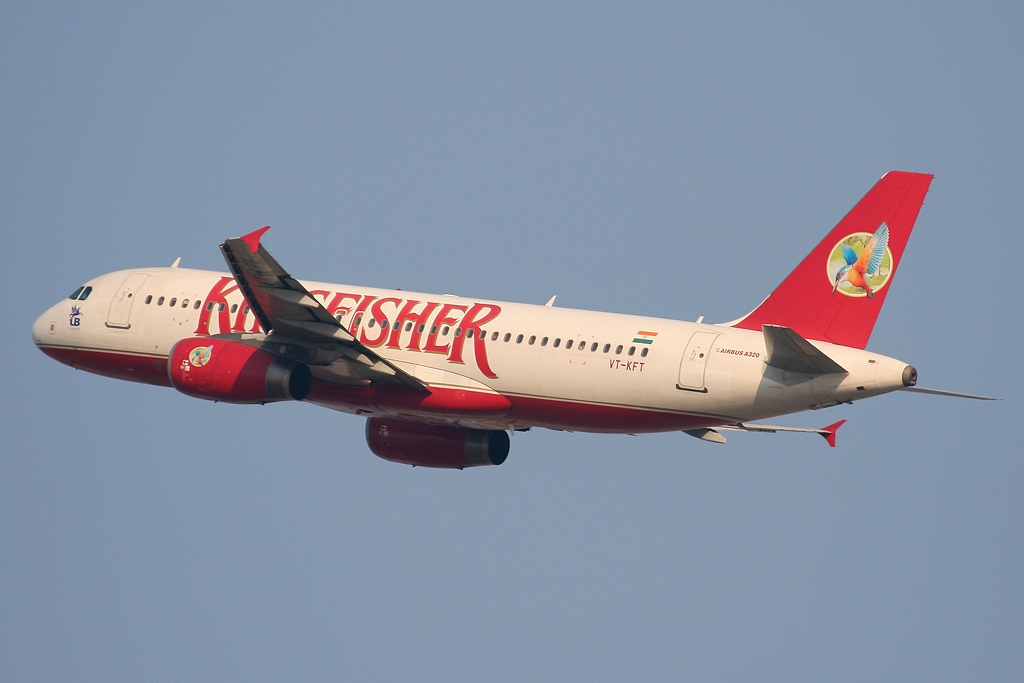
Aktug Ates (GFDL 1.2
At its peak, Kingfisher Airlines was the embodiment of luxury in Indian skies—a bold, glamorous airline with celebrity branding, fine wine, and personal inflight entertainment for every passenger. But behind the high-flying image lay financial turbulence and unchecked ambition.
Once hailed as India’s most promising private airline, Kingfisher’s spectacular rise and fall is one of the most dramatic in aviation history.
A King’s Ambition Takes Flight
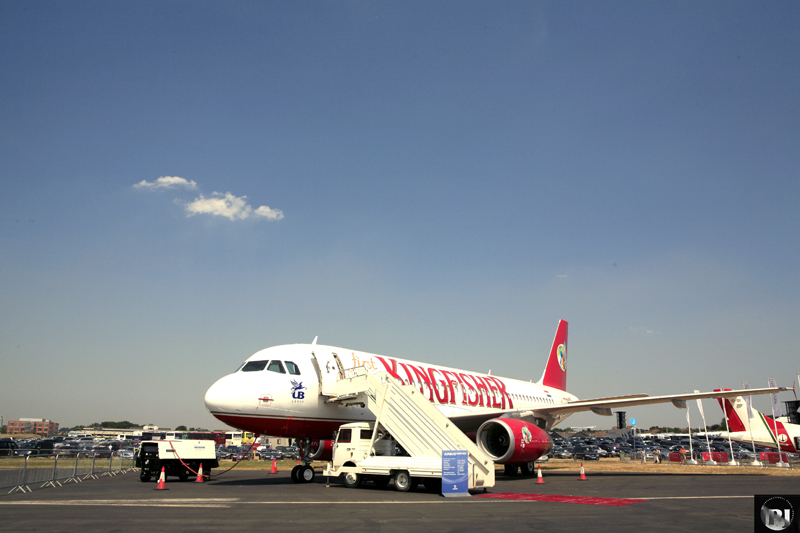
Photo (c) Michael Rehfeldt
Kingfisher Airlines was launched in 2005 by flamboyant Indian liquor tycoon Vijay Mallya, chairman of the United Breweries Group, best known for Kingfisher beer. Mallya envisioned an airline that would bring five-star luxury to the Indian domestic market—something virtually unheard of at the time.
Based in Bengaluru (Bangalore), Kingfisher quickly expanded its footprint across India, offering domestic routes with a premium service model. The airline entered a crowded and competitive space, but it stood out for its upscale branding, stylish cabin crew uniforms, and unprecedented onboard amenities.
Passengers were treated to seatback screens, gourmet meals, and free headphones—even in economy class. Mallya called it a “new definition of flying,” and for a while, Kingfisher lived up to the hype.
Going Global and Burning Cash
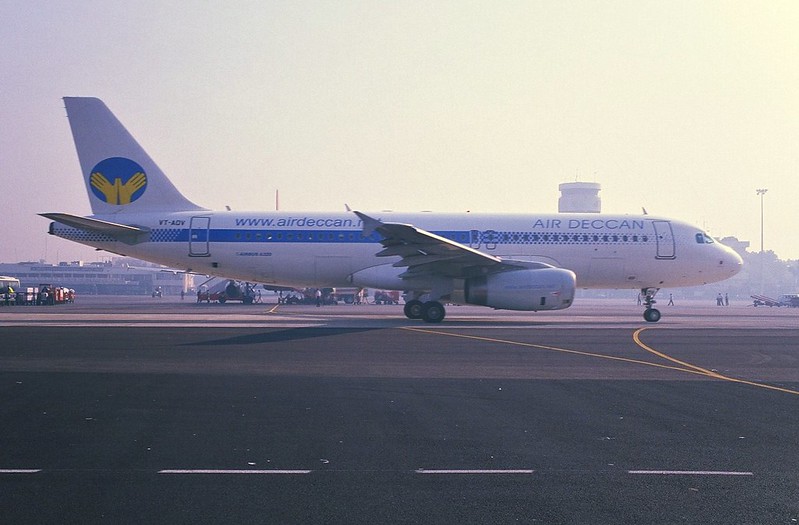
Air Deccan A320. Photo (c) John Gulliver
In 2007, Kingfisher acquired Air Deccan, India’s first low-cost airline. The move gave Kingfisher access to international flying rights and allowed it to target the budget segment, but it also saddled the airline with mounting debt and operational complexity.
Later that year, Kingfisher began long-haul international operations, with routes to London Heathrow, Bangkok, and Dubai. These were served by newly acquired widebody aircraft, including Airbus A330-200s, which featured lie-flat business class seats and a lavish onboard experience.
However, the cost of international expansion, combined with a weakening Indian economy and rising fuel prices, began to strain the airline’s finances.
An Impressive and Ambitious Fleet

Laurent ERRERA from L’Union, France, CC BY-SA 2.0
Kingfisher operated a diverse and modern fleet during its brief existence. Aircraft types included:
- ATR 72-500 – Used on regional and short-haul domestic sectors.
- Airbus A320 family (A319, A320, A321) – The backbone of its domestic and medium-haul network.
- Airbus A330-200 – Deployed on international long-haul routes with fully flat beds and premium services.
- Airbus A340-500 – One aircraft was briefly leased but never entered commercial service.
- Airbus A350 (on order) – Kingfisher was due to be one of the early A350 customers, though the aircraft was never delivered.

And perhaps most famously, Vijay Mallya owned a private Boeing 727-100, painted in full Kingfisher Airlines livery. The aircraft was used for personal and promotional purposes, showcasing the brand’s luxury image at events and airshows.
The End of a Dream
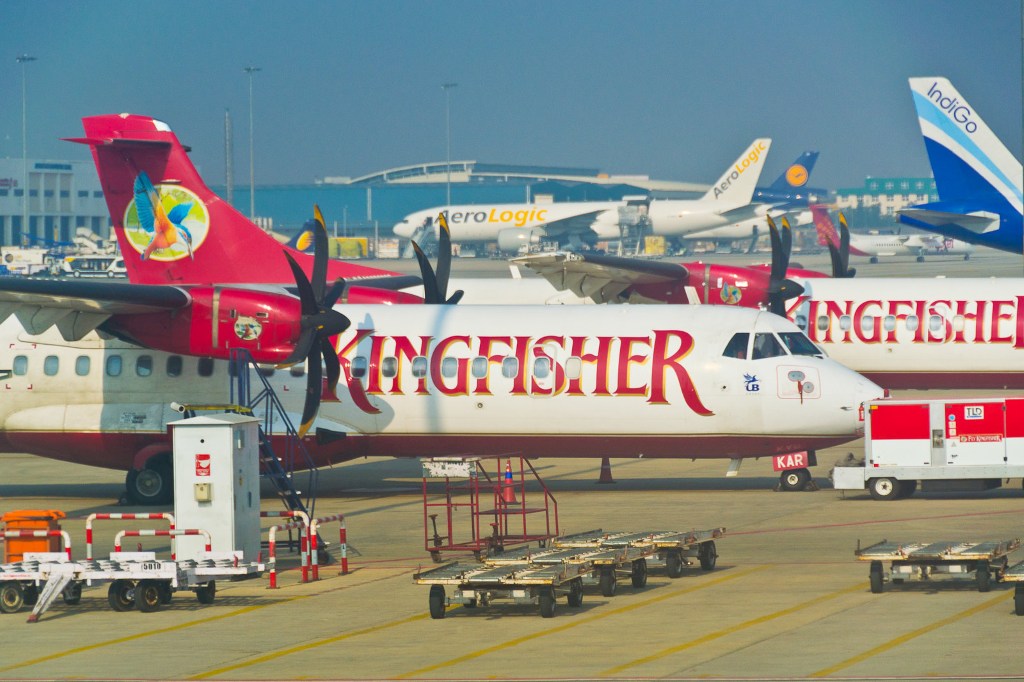
Grounded Kingfisher Airlines ATR aircraft. Photo (c) Nadir Hashmi
Despite awards and international acclaim—including a 5-star Skytrax rating—Kingfisher was bleeding cash. By 2011, the airline was struggling to pay salaries, maintain its fleet, or cover airport fees. Flights were frequently cancelled, and operations were gradually scaled back.
In October 2012, the Indian aviation regulator suspended Kingfisher’s license, citing safety and financial concerns. The airline ceased operations that month and never returned.
Kingfisher’s downfall left thousands of employees unpaid and grounded a fleet of aircraft that would never fly again. Its debt ran into billions of rupees, and its parent company faced legal action and asset seizures. Vijay Mallya left India in 2016 and has since been embroiled in ongoing legal battles over unpaid loans and fraud allegations.
A Lavish Legacy
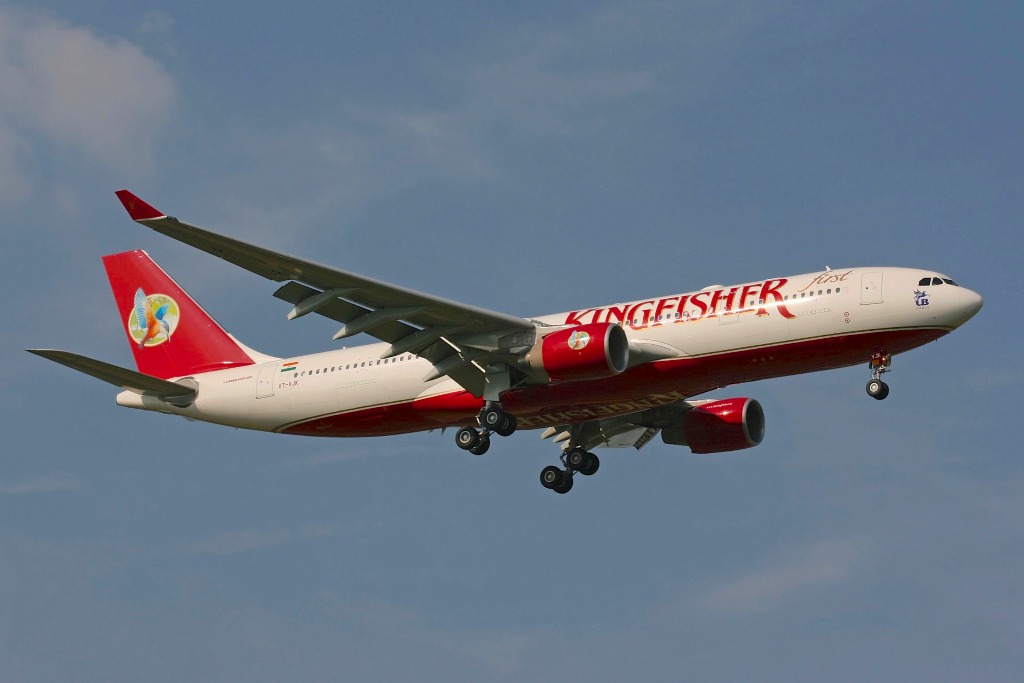
Photo (c) Colin Cooke
Though it flew for just seven years, Kingfisher Airlines remains a powerful symbol—both of ambition and excess. It redefined expectations for service in Indian aviation but ultimately crumbled under the weight of its own extravagance and mismanagement.
The sight of the Kingfisher logo, with its tropical bird and red-and-white livery, is still remembered fondly by many passengers who experienced its unmatched service—if only briefly.
Did you ever fly with Kingfisher Airlines or spot its striking aircraft at an airport? Share your memories and photos in the comments below!
Lost Airline Colours of Asia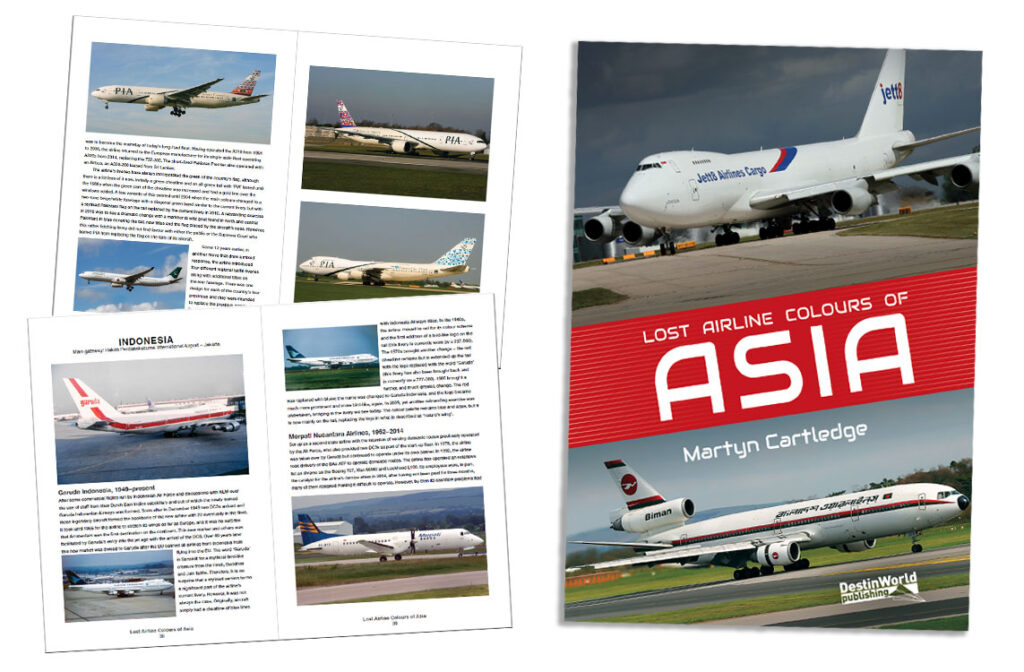
Learn more about Kingfisher Airlines and other lost airlines from India and across the region in Lost Airline Colours of Asia – a stunning full colour book by Martyn Cartledge. See hundreds of former airlines and colour schemes worn by airlines across Asia over years gone by.