Understanding Bareland Condo Insurance: The Essentials
Bareland condo insurance is a specialized type of coverage designed for properties where you own both the land and structure, unlike traditional condos where you only own from the walls in. If you’re searching for information about this unique insurance need, here’s what you need to know:
- Definition: Insurance for condo units where you own the land and all structures on it
- Coverage needed: Full homeowner’s policy (not just a standard condo policy)
- Key components: Dwelling coverage, other structures, personal property, liability
- Association coverage: Only covers shared elements like roads, utilities, and common areas
- Average cost in Florida: $32-48 per month (varies by location and coverage)
Many Florida homeowners are surprised to find they own a bareland condo and mistakenly purchase inadequate insurance. Unlike conventional condos where the association insures the building exterior, with a bareland condo, you’re responsible for insuring everything from the ground up—including your roof, exterior walls, and landscaping.
In Florida, bareland condos are particularly common in communities with detached homes or townhouses that share certain amenities like private roads, gates, or recreational facilities. These properties look like regular homes but have a condominium ownership structure that affects your insurance needs.
I’m Paul Schneider, owner of Schneider and Associates Insurance Agencies, and I’ve helped hundreds of Florida homeowners steer the complexities of bareland condo insurance over my 30+ years in the industry. My experience with bareland condo insurance policies throughout Florida has taught me that proper coverage is essential to protect what may be your largest investment.
What Is a Bare Land Condominium in Florida?
When you picture a condo, you might imagine an apartment-style unit in a large building. But here in Florida, we have something quite different: bareland condominiums (or “bare land condos”). These unique properties give you something traditional condos don’t—actual ownership of the land beneath your feet.

Walking through a Florida bareland condo community, you’d likely mistake it for a regular neighborhood. These properties typically appear as detached single-family homes, duplexes, or townhomes. The difference isn’t in how they look, but in their legal structure.
Under Florida’s Condominium Act, with a bareland condo, you own:
- Your actual piece of land with clearly defined boundaries
- Everything built on that land—your home, garage, and other structures
- Any improvements you make, from landscaping to a backyard pool
Meanwhile, the condo association owns and maintains common elements like private roads, community amenities, shared utilities, visitor parking, and landscaping in common areas.
These communities have become particularly popular across Florida’s golf course developments, active adult communities, and newer master-planned neighborhoods. They offer a perfect middle ground—the independence of home ownership with reduced maintenance headaches.
All bareland condos are governed by condominium bylaws that outline the rules, responsibilities, and rights of owners. These bylaws, along with the declaration of condominium, are crucial documents that define exactly what you own and what the association handles.
Spotting a Bare Land Condo on a Florida Title
Identifying a bareland condo before purchasing insurance is absolutely essential—but it’s not always obvious. Here’s how to spot one on your Florida property documents:
Look carefully at the legal description on your title. Rather than the typical “Lot and Block” description used for single-family homes, a bareland condo will reference a “unit” and mention a condominium plan or plat. For example, you might see: “Unit 12, PALM BREEZE BARELAND CONDOMINIUM, according to the Declaration of Condominium recorded in Official Records Book 1234, Page 567, of the Public Records of Palm Beach County, Florida.”
The survey map provides another clue. Bareland condos typically show clear rectangular boundaries marking individual ownership areas, distinct from common elements.
Your county property appraiser’s website is also helpful—search your address, and the property details will indicate if it’s classified as a condominium.
Unlike some other states, Florida doesn’t require a Real Property Report (RPR) for bareland condos. However, having a survey is still wise to clearly understand your property boundaries.
If you’re responsible for maintaining your own roof, exterior walls, and yard—rather than paying the association to handle these—you’re likely in a bareland condo situation. This distinction is crucial because it directly impacts the type of insurance coverage you’ll need to properly protect your investment.
Bareland Condo Insurance Essentials
When it comes to bareland condo insurance, you’ll need to think differently than you would with a traditional condo policy. Since you own both the land and everything built on it, your coverage needs look more like a homeowner’s policy than what most condo owners require.
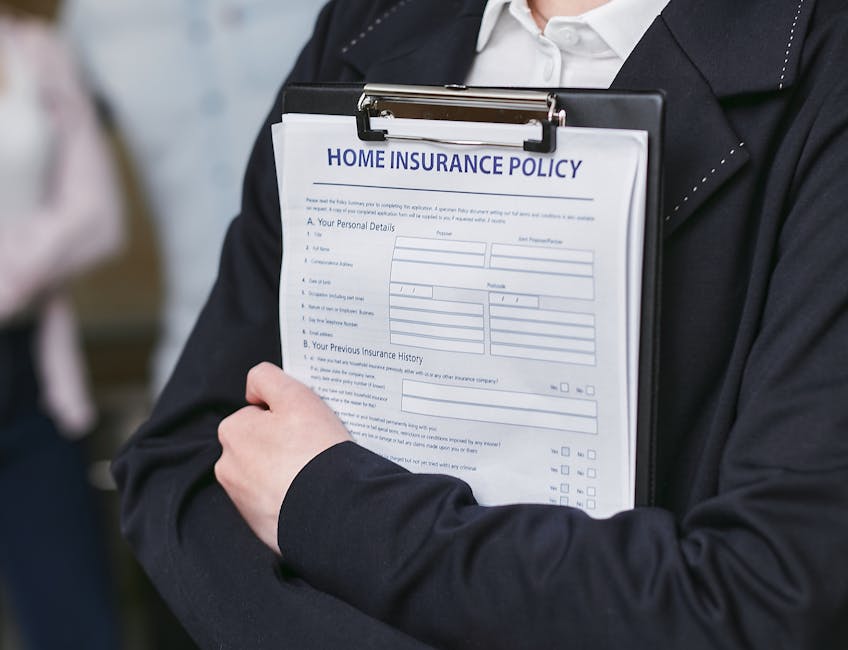
Let me break down what makes bareland condo coverage unique in Florida, and why understanding these differences is crucial for protecting your investment.
Master Policy vs. Individual Policy
Your condominium association maintains a master insurance policy, but don’t be fooled into thinking it offers comprehensive protection for your home. The association policy typically only covers common elements like:
The private roads you drive on, the community clubhouse where you attend meetings, and the shared infrastructure that brings water and electricity to your neighborhood. Everything else? That’s on you to insure properly.
As a bareland condo owner in Florida, your individual policy needs to include several critical components. Dwelling coverage (Coverage A) forms the foundation of your policy, protecting the physical structure of your home—from roof to foundation and everything in between. With Florida’s hurricane risk, this coverage becomes especially important.
You’ll also need other structures coverage (Coverage B) for those detached elements like your garden shed or fence. Your personal belongings inside the home fall under personal property coverage (Coverage C), while personal liability coverage (Coverage E) steps in if someone gets injured on your property.
When disaster strikes and your home becomes temporarily uninhabitable, additional living expenses (Coverage D) helps cover your hotel stays and extra costs. Don’t forget about loss assessment coverage—a lifesaver if your association passes along costs for damages to common areas that exceed their master policy.
In Florida’s wet climate, water backup coverage is practically essential, protecting you from damage caused by backed-up sewers or drains. And of course, living in the Sunshine State means having a separate hurricane deductible, typically 2-5% of your dwelling coverage.
Unlike traditional condos where a “Bare Walls In Policy” might suffice, bareland condos require comprehensive coverage since you’re responsible for everything from the ground up. Your policy needs to protect the entire structure, not just what’s inside the walls.
Owner vs. Association: Who Covers What?
Understanding exactly what you’re responsible for insuring can save you from costly surprises down the road. Here’s how insurance responsibilities break down in a bareland condo:
You insure: The land within your unit boundaries, your entire home structure (walls, roof, foundation), all interior fixtures and finishes, your personal belongings, landscaping within your property lines, and any detached structures like sheds or pools.
The association insures: Private roads throughout the community, common area landscaping, shared amenities like the clubhouse or community pool, and visitor parking areas.
This division of responsibility marks a key difference from traditional condos, where the association typically handles the building exterior, roof, and common elements. In your bareland condo, you’re essentially responsible for everything within your unit boundaries—land, structure, and all improvements.
Required Coverages in a Florida Bareland Condo Insurance Policy
Florida’s unique climate and risks make certain coverages non-negotiable for bareland condo owners. Your dwelling coverage should reflect the full replacement cost of rebuilding your home—not just its market value. With construction costs climbing and Florida’s strict building codes, many homeowners find themselves underinsured without realizing it.
Florida law requires insurers to include hurricane coverage in all homeowners policies, including bareland condo insurance. This typically comes with a separate hurricane deductible that’s higher than your standard deductible.
While not part of your standard policy, flood insurance is strongly recommended for Florida bareland condo owners, especially in coastal areas or designated flood zones. Your homeowners insurance won’t cover flood damage, leaving you exposed to potentially catastrophic losses without separate coverage.
Ordinance or law coverage becomes particularly important in Florida, where building codes have become more stringent over time. This coverage helps with the increased costs of rebuilding to current standards.
With Florida’s high rate of personal injury lawsuits, substantial personal liability coverage is essential—we typically recommend at least $300,000 in coverage to adequately protect your assets.
Your association can pass significant costs to unit owners through special assessments, making loss assessment coverage of at least $10,000 a wise investment. Many Florida homeowners opt for even higher limits for added protection.
In certain parts of Florida, sinkhole coverage may be necessary due to the state’s unique geological features. While the Florida Condominium Act and your association’s bylaws outline specific insurance requirements, these are typically minimum standards. For true peace of mind, more comprehensive coverage is usually the way to go.
At Schneider and Associates Insurance Agencies, we’ve seen how the right bareland condo policy can make all the difference when Florida weather takes a turn. The right coverage isn’t just about meeting requirements—it’s about protecting what matters most.
Cost Drivers and How to Save on Bareland Condo Insurance
The cost of bareland condo insurance in Florida varies widely based on several key factors. Understanding these can help you make informed decisions about your coverage while keeping premiums affordable.
Key Cost Factors
When you own a bareland condo in Florida, your insurance costs are influenced by your property’s unique characteristics. Property value and replacement cost form the foundation of your premium – simply put, more expensive homes cost more to insure because they cost more to rebuild.
Construction type plays a significant role in the Sunshine State. Concrete block homes typically enjoy lower premiums than wood frame structures, which are more vulnerable to Florida’s wind and water risks. Similarly, homes with wind mitigation features like hurricane straps, impact windows, and reinforced garage doors often qualify for substantial discounts – sometimes up to 45% off your premium.
Your Florida wind zone location dramatically affects what you’ll pay. Properties along the coast face significantly higher premiums due to increased hurricane exposure compared to inland locations. The age of your home matters too, as newer properties built to modern Florida building codes generally cost less to insure than older homes.
Your personal claims history follows you. Previous claims on the property or claims you’ve filed as a homeowner can drive up premiums, as insurers see you as higher risk. Your deductible choices create a direct trade-off – higher deductibles mean lower premiums but more out-of-pocket costs if disaster strikes. Many Florida homeowners choose higher hurricane deductibles (often 2-5% of dwelling coverage) to manage their premium costs.
Even your credit score can impact what you pay, as Florida insurers can use credit-based insurance scores when setting rates. Better credit often translates to lower premiums.
Comparison: Bareland vs. Conventional Condo Costs in Florida
The financial equation for bareland condos looks quite different from traditional condos in Florida:
| Aspect | Bareland Condo | Conventional Condo |
|---|---|---|
| Monthly Association Fees | $200-400 | $400-800+ |
| Monthly Insurance Premium | $150-300 | $25-50 |
| Total Monthly Cost | $350-700 | $425-850+ |
| Who Insures Structure | Unit Owner | Association |
| Who Maintains Exterior | Unit Owner | Association |
| Coverage Type Needed | Homeowner’s Policy | HO-6 Condo Policy |
While bareland condo association fees are typically lower (sometimes significantly), your individual insurance costs are substantially higher because you’re responsible for insuring the entire structure from the ground up. The total monthly outlay often ends up being comparable, but the distribution of costs differs dramatically.
Money-Saving Strategies for Florida Bareland Condo Owners
Living in Florida doesn’t mean you have to break the bank on bareland condo insurance. Bundling policies is one of the simplest ways to save – combining your home coverage with auto insurance typically saves 10-15% across both policies.
Making smart investments in your property can pay dividends. A proper wind mitigation inspection in Florida can identify features that significantly reduce your risk, leading to premium reductions that often pay for the inspection many times over. Similarly, security systems and water leak detection devices can qualify for meaningful discounts while protecting your home.
Consider adjusting your hurricane deductible from 2% to 5% of your dwelling coverage to lower premiums, though be prepared for higher out-of-pocket costs if a hurricane strikes. Maintaining a good credit score benefits many aspects of your financial life, including your insurance premiums in Florida.
Don’t settle for the first quote you receive. Shopping around remains one of the most effective ways to save, as rates can vary dramatically between companies for identical coverage. Ask about Florida-specific discounts for retirees, veterans, or members of certain professional organizations – these can add up quickly.
Finally, make it a habit to review coverage annually as property values and replacement costs change in Florida’s dynamic real estate market. This ensures you’re neither underinsured nor paying for more coverage than you need.
At Schneider and Associates Insurance Agencies, we specialize in helping Florida bareland condo owners find that sweet spot – the right balance of comprehensive protection without unnecessary costs. Our local expertise means we understand the unique challenges Florida property owners face, from hurricane season concerns to the specific insurance requirements of your community’s bylaws.
For more information about protecting your property, check out our Condo Insurance page.
Common Mistakes & Risk Gaps Florida Owners Must Avoid
Let’s talk about some costly mistakes I’ve seen Florida bareland condo owners make over the years. Trust me, these are lessons you’d rather learn from someone else’s experience than your own!
1. Under-insuring the Dwelling
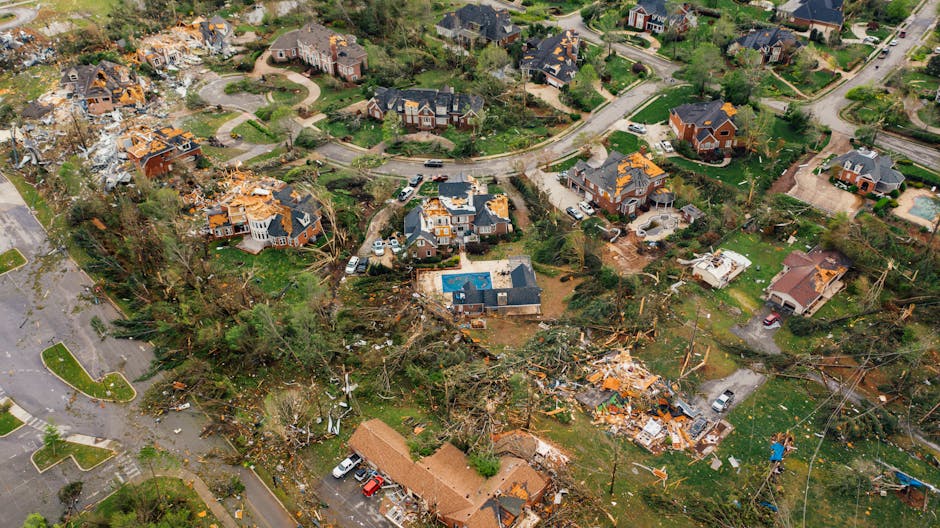
I can’t tell you how many times I’ve sat across from devastated homeowners who finded they didn’t have enough coverage to rebuild after a loss. Here in Florida, where construction costs have skyrocketed and our building codes get stricter every year, rebuilding often costs significantly more than what you paid for your home.
Solution: Always insure your home for its full replacement cost, not its market value. Consider adding extended replacement cost coverage that gives you an extra cushion of 25-50% above your dwelling limit. This might seem like overkill until that hurricane hits and suddenly everyone is competing for the same contractors and materials.
2. Ignoring Loss Assessment Coverage
This is a sneaky one that catches many bareland condo owners by surprise. Your association can (and will) levy special assessments when damages to common elements exceed what their master policy covers. After a major hurricane tears through your community, you could suddenly face an assessment bill for tens of thousands of dollars.
Solution: Make sure you carry robust loss assessment coverage—at least $50,000 if you’re in a hurricane-prone area of Florida. This relatively inexpensive coverage can save you from a financial nightmare.
3. Overlapping Coverage with the Association Policy
Why pay twice for the same coverage? Some bareland condo owners waste money insuring elements that are already covered by their association’s master policy.
Solution: Take the time to review your association’s declaration and bylaws. Understand exactly what the master policy covers, then structure your individual policy to fill the gaps without unnecessary overlap. Your wallet will thank you.
4. Missing Flood Insurance
“But I’m not in a flood zone!” I hear this all the time, right before I explain that about 25% of all flood claims in Florida come from properties in “low-risk” areas. Your standard bareland condo insurance policy simply doesn’t cover flood damage—no matter what caused the flooding.
Solution: Get a separate flood insurance policy, especially if you’re in or near a flood zone. Even properties in supposedly “low-risk” areas can flood during Florida’s famous afternoon thunderstorms or tropical systems.
5. Short-Term Rental Gaps
Many Florida bareland condo owners earn extra income by renting their properties on platforms like Airbnb or VRBO. What they don’t realize is that their standard homeowners policy likely excludes coverage during these rental periods.
Solution: Be upfront with your insurance agent about any rental activity and add appropriate endorsements or a separate short-term rental policy. The small additional premium is worth avoiding a potentially denied claim.
6. Pool & Dock Liability
Florida living often means enjoying private pools or docks, but these amenities create significant liability exposure. A standard policy may not provide enough protection if someone is injured in your pool or on your dock.
Solution: Increase your liability limits and consider an umbrella policy that provides additional protection beyond your homeowners policy limits. For just a few hundred dollars a year, you can add a million dollars or more in liability coverage.
7. Failing to Account for Florida’s Hurricane Deductible
This one hurts during claim time. Florida homeowners policies typically include a separate hurricane deductible of 2-5% of your dwelling coverage. On a $400,000 home, that means you’ll pay $8,000-$20,000 out of pocket before your insurance kicks in.
Solution: Build an emergency fund specifically for your hurricane deductible. Also, consider whether a lower deductible with a higher premium might better suit your financial situation. Sometimes paying a bit more monthly makes more sense than facing a huge out-of-pocket expense after a disaster.
8. Not Updating Coverage After Improvements
That beautiful kitchen renovation or new pool you just added? They increase both your home’s value and its replacement cost. If you don’t update your insurance, you’ll find yourself underinsured when you need coverage most.
Solution: Make it a habit to notify your insurance agent whenever you make significant improvements to your bareland condo. A quick phone call can ensure your coverage grows along with your investment.
At Schneider and Associates Insurance Agencies, we’ve helped countless Florida bareland condo owners steer these potential pitfalls. We’d much rather help you avoid these mistakes upfront than help you pick up the pieces afterward. After all, hurricane season comes every year in Florida—and it’s always better to be prepared than surprised.
Frequently Asked Questions about Bareland Condo Insurance in Florida
What makes “bareland condo insurance” different from standard condo coverage?
When you own a bareland condo in Florida, you’re in a unique position that requires special insurance consideration. Unlike traditional condo owners who only need to worry about their interior spaces, you own both the land and everything built on it.
Bareland condo insurance needs to function more like a homeowner’s policy than a standard HO-6 condo policy. While your neighbor in a traditional condo might only insure their personal belongings and interior finishes, you’re responsible for the whole package—foundation, exterior walls, roof, and everything in between.
This distinction becomes especially critical during hurricane season in Florida. When a storm hits, traditional condo owners can rely on their association’s master policy to handle exterior damage. But as a bareland condo owner, that responsibility falls squarely on your shoulders. Your policy needs to provide enough dwelling coverage to completely rebuild your home at today’s construction costs, which continue to climb across Florida.
Do I still need “bareland condo insurance” if the association carries a strong master policy?
I hear this question from Florida bareland condo owners all the time, and the answer is an emphatic yes!
Even the most comprehensive association master policy only covers common elements—things like the community roads, clubhouse, shared utilities, and perhaps some landscaping in public areas. In a bareland condo arrangement, that master policy protection stops right at your property line.
Think of it this way: if a hurricane damaged your roof, walls, or windows, the association’s policy wouldn’t contribute a dime toward repairs. Your personal bareland condo insurance policy is your only protection for your actual home structure, your personal belongings, living expenses if you’re displaced, and liability coverage if someone is injured on your property.
Living in Florida means facing the reality of severe weather events. Going without proper bareland condo coverage would leave you completely exposed to potentially catastrophic financial loss.
How much loss-assessment coverage should a Florida owner carry?
Florida’s weather realities make loss assessment coverage particularly important for bareland condo owners. I typically recommend at least $50,000 in coverage, but some situations might call for even more.
Here’s why: After major hurricanes, Florida condo associations often find significant damage to common elements like roads, gates, or community buildings. If the association’s master policy has a substantial deductible (common in Florida) or if damages exceed policy limits, guess who gets the bill? That’s right—it gets divided among unit owners as special assessments.
Florida law actually allows associations to pass through deductibles of up to $50,000 to unit owners when damage originates from or through a unit. And if your association hasn’t maintained adequate reserves (unfortunately quite common), special assessments for uncovered damages can easily reach tens of thousands of dollars per unit.
With construction costs continuing to rise across Florida and more intense hurricane seasons becoming the norm, robust loss assessment coverage isn’t just nice to have—it’s an essential part of your bareland condo insurance protection plan.
Every bareland condo community in Florida has different bylaws and master policy terms. At Schneider and Associates Insurance Agencies, we take the time to review your specific association documents to ensure your personal policy perfectly complements the master coverage, eliminating both gaps and expensive overlaps.
Conclusion
Owning a bareland condo in Florida comes with unique insurance considerations that differ significantly from traditional condominiums. As we’ve explored throughout this guide, bareland condo insurance requires a comprehensive approach that protects both your land and all structures on it.

The Florida sunshine may be wonderful, but it comes with weather risks that make proper insurance coverage absolutely essential. After helping hundreds of bareland condo owners across the Sunshine State, I’ve seen how the right policy provides not just protection, but peace of mind.
Understanding your ownership structure is the crucial first step. Those title documents and association bylaws might not make for exciting reading, but they hold the key to verifying whether you truly own a bareland condo. Once confirmed, you need a full homeowner’s policy, not a standard condo policy, to properly protect your investment.
Florida’s construction costs continue to climb, and our building codes become more stringent after each major storm. This makes insuring for full replacement cost absolutely essential. The market value of your home often falls well short of what it would actually cost to rebuild after a catastrophic loss.
With our state’s vulnerability to flooding, a standard policy simply won’t provide complete protection. Flood insurance is a separate but critical component of your protection strategy, especially given that even “low-risk” areas in Florida can experience significant flooding during heavy rain events.
The unique structure of bareland condo communities means you should carry adequate loss assessment coverage. When hurricane season approaches (which feels like half the year in Florida!), this protection becomes particularly important as association master policies may have significant gaps.
Your insurance needs will evolve as property values change and you make improvements to your home. Reviewing and updating regularly ensures you maintain appropriate coverage levels without paying for protection you don’t need.
At Schneider and Associates Insurance Agencies, we specialize in helping Florida bareland condo owners steer these complexities. Our local expertise means we understand the unique challenges facing bareland condo owners in different regions of Florida, from coastal communities to inland developments.
The apparent savings of lower association fees for bareland condos can quickly vanish when faced with inadequate insurance coverage after a loss. Working with an experienced, local Florida insurance agency that truly understands the unique needs of bareland condo owners provides your best protection against potentially devastating financial losses.
For more information about protecting your bareland condo or to schedule a comprehensive policy review, contact our team at Schneider and Associates Insurance Agencies. With offices in Newberry and Micco, we’re ready to help you properly protect your Florida bareland condo investment.
As hurricane season approaches each year, having the right coverage becomes even more critical for protecting your Florida home. Don’t wait until the storm warnings appear on the weather map – make sure your bareland condo insurance provides the comprehensive protection you deserve today.
For more detailed information about protecting your land investment, visit our page on land insurance policies.