Zum Wohl! How Oktoberfest is conquering the globe


What is Oktoberfest beer?
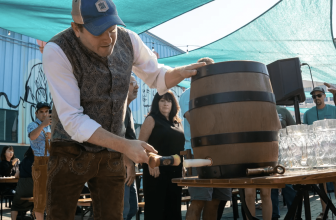
The origin of the modern Oktoberfest traces back to a specific royal wedding celebration in Munich, Bavaria, in 1810 to celebrate the marriage of Crown Prince Ludwig of Bavaria (who later became King Ludwig I) to Princess Therese von Sachsen-Hildburghausen. The citizens and the royal family enjoyed the party so much that they decided to repeat the festivities the following year. By 1819, the city council of Munich took over the organization and officially decreed that the event should be celebrated annually.
The beer served at the Munich Oktoberfest has a long tradition rooted in Bavarian brewing laws and has evolved through two primary styles: the traditional Märzen and the modern Festbier.
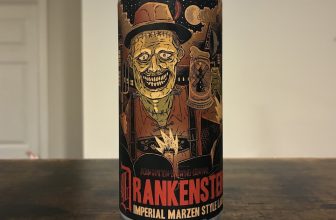
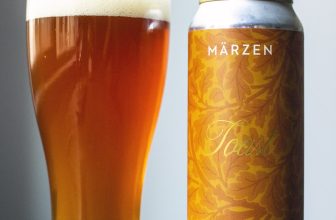
The traditional beer style for Oktoberfest is Märzen (German for “March”). A Bavarian ordinance in 1553 forbade brewing between April 24th and September 28th due to the summer heat, which increased the risk of spoiled beer. Brewers made a stronger, higher-alcohol lager in March that could be stored (lagered) in cool caves or cellars over the summer.
The beer served at the first Oktoberfest celebration in 1810 was a dark, bold brew, more like a modern Dunkel (dark lager), due to the lack of modern kilning technology, which often left the malt dark and smoky. By 1841, brewers had adopted techniques to produce lighter, cleaner malts, leading to the development of the amber-colored, full-bodied, malty lager we recognize today as a classic Märzen. This rich, amber lager became the standard for the Oktoberfest festival for over a century.
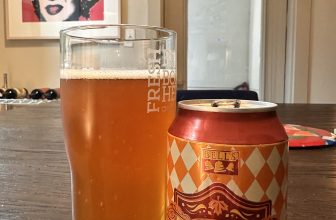
In the late 20th century, the style served at the official Munich festival underwent a significant change to meet modern consumer demand for a more “drinkable” beer. Beginning in the 1970s, breweries like Paulaner began introducing a lighter, golden lager that was still strong and malt-forward, but notably less heavy and easier to drink in large quantities (like the 1-liter steins). This style, sometimes called Wiesn-style (after the Theresienwiese festival grounds in Munich) or Festbier, quickly gained popularity. By the 1990s, the pale Festbier had largely overtaken the amber Märzen at the Munich Oktoberfest, and it remains the official beer style served today. It is essentially a slightly stronger version of a classic German Helles or pale lager, retaining the maltiness of its ancestor but without the rich, caramelized color and flavor. The original amber Märzen remains the style that most American and international craft breweries use when brewing an “Oktoberfest” seasonal, leading to the common confusion between the two styles today. However, if you attend the modern Munich Oktoberfest, you will be served the pale Festbier.