As industries and communities look for cleaner alternatives to fossil fuels, biomethane has become an increasingly important part of the renewable energy mix. Derived from organic waste, biomethane provides a sustainable way to capture resources that would otherwise be lost, turning them into valuable fuel. But to reach its full potential, biomethane requires both efficient generation and reliable compression technology.
What is Biomethane?
Biomethane is a refined form of biogas, which is produced when organic material like food scraps, agricultural waste, or wastewater sludge breaks down in the absence of oxygen (anaerobic digestion).
Raw biogas usually contain:
- Methane (CH₄): ~50–65%
- Carbon dioxide (CO₂): ~35–45%
- Trace gases and impurities (H₂S, moisture, nitrogen, oxygen)
Through a process called upgradation, these impurities and the CO₂ are removed, boosting the methane concentration to >95%. The result is biomethane, a renewable substitute for natural gas.
How Biomethane is Generated
- Feedstock Collection – Organic waste from farms, food processing, or municipal sources is gathered.
- Anaerobic Digestion – Microorganisms break down the waste in oxygen-free tanks, releasing biogas.
- Gas Cleaning – Moisture, hydrogen sulfide, and particulates are removed.
- Upgradation – Technologies like membrane separation, water scrubbing, or PSA (Pressure Swing Adsorption) separate methane from CO₂, increasing methane purity.
At this point, the biogas has been transformed into biomethane and is ready for use—once it’s compressed.
Why Compression Matters
For biomethane to be stored, transported, or injected into the natural gas grid, it needs to be compressed. Compression reduces the gas volume, making it practical and economical to handle.
Applications that require compression include:
- Pipeline injection – Meeting grid pressure requirements for distribution.
- Vehicle fuel – Compressed biomethane (Bio-CNG) or liquefied biomethane (Bio-LNG).
- Storage systems – For facilities that need to balance supply and demand.
- Industrial processes – Where consistent, high-pressure gas streams are needed.
Without compression, biomethane would not be able to reach end users effectively or integrate seamlessly with existing energy infrastructure.
Compression Technology for Biomethane
Modern biomethane compression solutions are designed to handle the unique properties of biogas while ensuring efficiency, safety, and reliability. Key considerations include:
- Pressure Range: Systems are built to meet requirements from medium pressures (for local use) up to high pressures (for grid injection or Bio-CNG production).
- Gas Quality Tolerance: Compressors are engineered to handle fluctuations in gas composition while maintaining performance.
- Energy Efficiency: Advanced screw compressor technology reduces energy consumption during continuous operation.
- Compliance: Systems must align with industry standards for gas safety and environmental performance.
Atlas Copco’s Role in Biomethane Compression
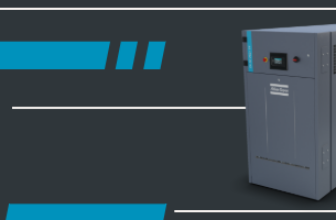
Atlas Copco provides a range of gas compression technologies specifically designed for biomethane applications. Solutions like the GG-Series – Gas screw compressors offer:
- Wide pressure capability for biomethane upgradation process
- Designed for variable load and continuous-duty operation
- High efficiency with low maintenance requirements
- Compliance with international safety standards
- Remote monitoring of a compressor system
After upgradation process, Biomethane can be compressed to higher pressure (~4500 PSIG) for trailer filling/grid injection. Atlas Copco’s BBR compressors plays a role in this process:
- Best-in-class efficiency
- Air cooled – no water needed for cooling
- Zero gas losses
- Reliable performance
- Longer service intervals
- Global safety & quality standards
- Dedicated Service network
By integrating these systems, operators can confidently upgrade and compress biomethane for a wide variety of energy applications, helping reduce reliance on fossil fuels while supporting renewable energy growth.
Biomethane represents a practical, scalable solution for decarbonizing energy systems. From generation through anaerobic digestion and upgradation to final compression, each step ensures that waste is transformed into a high-value renewable fuel. With the right compression technology in place, biomethane can move seamlessly into pipelines, storage, and vehicles, fueling a cleaner energy future.
If you would like to know more, reach out to our experts today.