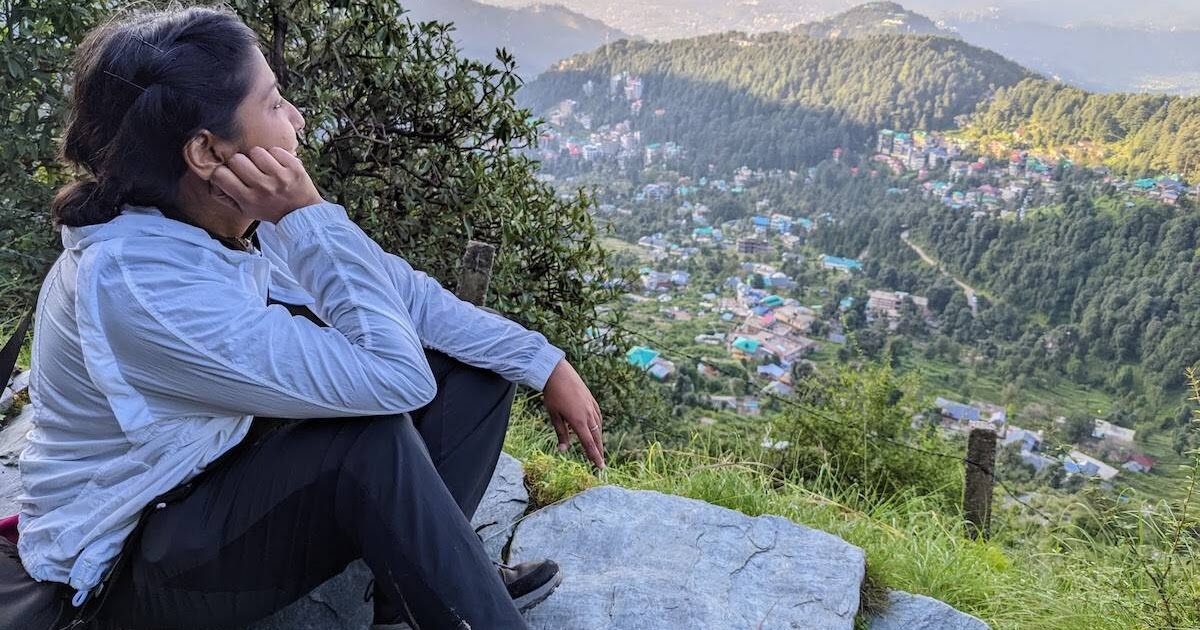
After a year of hard work, I learned to appreciate the small things in life, like gardening, waking up with purpose, healing my body, and talking to locals every day. Yet, this job doesn’t compare to my first love: travel.
It’s frustratingly busy, leaving little room for my travel blogging endeavors to flourish. With only Sundays off and field work filling up the rest of my week, I often find myself using that time to rest, despite wanting to invest more of my imagination into travel blogging and vlogging. I occasionally find myself reminiscing about my IT career. Although the work was monotonous, it allowed me ample time for other activities, and the pay was good.
The essence of travel is undeniably alluring and addictive. Who wouldn’t crave a life filled with endless adventures, meeting new people, and exploring new paths every week? However, life encompasses more than just travel.
Balance Amongst Complexities
I once tried to prioritize travel above all else, setting aside my other life goals. Yet, I came to realize that true happiness and contentment lie in finding a balance—a pace of travel that doesn’t consume my entire life. I still aspire to nurture my marital life and pursue reasonable goals like having a place to call home, and I wouldn’t trade those aspirations for anything.
Now I grasp the complexities of life. When my father passed away while we were living in the US, I couldn’t be here in India, due to travel restrictions amidst the extreme Covid situation. It took me months to overcome the regret. I always longed to start a family of my own, but constant instability made it challenging to settle down and pursue parenthood.
By the time we were ready to root ourselves and undergo painful procedures, the obstacles seemed insurmountable. I initially believed that travel could fill the void left by these losses, but now I understand that hurried travel only provides temporary excitement.
Instead, deep, slow travel—immersing oneself in a place for months—has the power to heal. While it may be financially burdensome and challenging to take leave from a job, such travel doesn’t negatively impact the places we visit and prevents us from becoming emotionally drained.
Certainly, adoption is an option, but it requires a deep sense of stability for the child we bring into our lives. Even if we decide to remain child-free, any long-term relationship eventually needs a sense of security—whether it’s a stable home, financial reliability, a companion we can enjoy life with or a family who can need us. While I’ve enjoyed solo travel, I’ve discovered that I gravitate towards people who make journeys more interesting and fun. It’s about not simply accepting things as they are. Am I wrong somewhere?
This realization has shown me that both can coexist. I’ve found balance in my life by caring for my mother, and she, in turn, cares for me. Spending time with my three newborn nieces has brought moments of joy and hope, helping me heal from past losses that also strained my relationship.
Honestly, there are times when I wish I could fly off like I did ten years ago, with reckless abandon and endless wonder.
However, my heart now finds fulfillment in a life that extends beyond travel. I’ve come to understand that I am not someone who can find happiness in lavish hotels for a day or two or be content with a few drone shots, merely appreciating a view. Instead, I prefer to save and embrace stillness.
Perhaps being a nomad isn’t suitable for everyone. Maybe in my 30’s, I had different stories to share. I would rather be a traveler who has truly lived.
Finding a New Perspective
The universe has put me in the backseat for a reason. I began to see life differently, realizing that “you only live once – zindagi na milegi dobara” doesn’t mean constantly chasing excitement. Instead, it means truly living and not missing out on life, at any given point in life.
Don’t worry, my dear readers. Let’s not feel disheartened. As Indians, we’re already on the move constantly, breaking out of our comfort zones without anyone’s urging. The real challenge lies not in exploring the external world, but in delving deep within ourselves and making the changes the world truly needs from us.
Traveling isn’t something to be frowned upon. Yet, there are times when all we crave is the comfort and familiarity of being with our loved ones, cherishing the simple moments together. Remember how, after their adventurous trip to Spain, the “Zindagi Na Milegi Dobara” friends returned to Mumbai to revel in the joy of togetherness!
Certainly, when we are young, rebellion often defines us. Yet, as time passes, we evolve beyond it. We begin to see ourselves and others as flawed beings. With age comes a heightened awareness of life’s complexities.
When faced with a breakup, traveling offers solace—a breath of fresh air, a change of scenery that heals. However, as we age, life’s decisions become more daunting. Questions about stability, finances, healthcare, and familial responsibilities weigh heavily, often influenced by our desire to travel.
Our homes aren’t merely unfulfilling spaces; they’re the very purpose of our existence. But can we discover all the answers we seek beyond our home? Perhaps the key lies in transforming where we are, turning it into a welcoming haven for others.
Maybe we should adopt a slower pace of travel, embracing each location as our own, leaving a positive impact without causing harm. Maybe we must begin by calling the world “Our Home” rather than another “Offbeat Place” we can visit!
I now approach travel with intention and tranquility, seeking both purpose and peace in my journeys. Do I want to sacrifice one aspect of life just to boast about visiting 100 countries in life? Probably not!
So, stay tuned for updates that aren’t fueled by social media, but rather reflect real-life experiences, genuine travel, actual challenges, and true moments of happiness!