

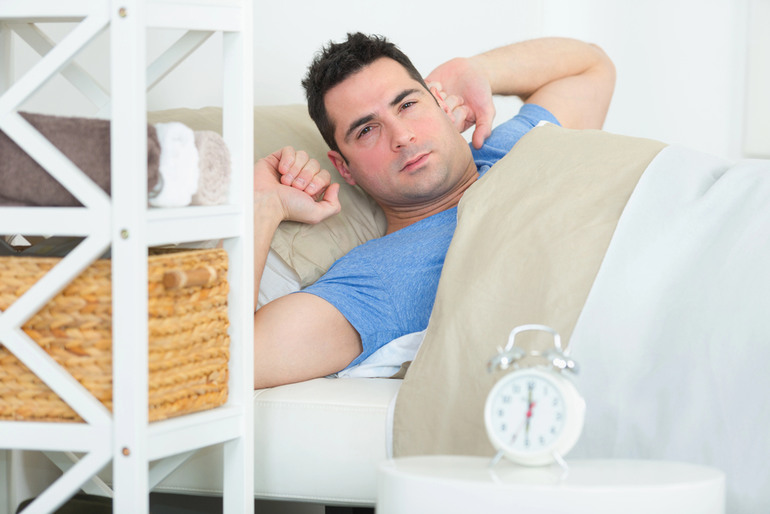
Busy weekends, concerts, festivals, weddings, sporting events, beer events, or local events are at times fascinating, but often folks have no idea how fatigued and drained they may be afterwards, mentally and physically. People may feel their lives are overactive, busy, or packed, and may feel overwhelmed by the demands or stressful nature of the day after they get home. People may feel that they are too active, too busy, living on an irregular schedule, have too many activities, overstimulated, and generally feel more drained after they get home. The issue is that many people do not take enough time and get time to rest in the midst of their busy schedules.
Therefore, soreness, poor sleep, dehydration, and mental exhaustion are common to carry over into the next week, along with fatigue. While robust therapies and practices may be required for recovery from busy weekends, there are also lots of little things that can assist the body and mind to “reset more comfortably”. The best recovery plans are those that are easy, doable, and can be sustained after a hectic travel or social schedule. That resurgence can be as easy as slowing down, eating the right meals, staying well hydrated, and even drinking the beer responsibly, after a hectic weekend of craft beer adventures and alcohol-fueled events. Allowing time to recharge can mean that people can enjoy the social aspect of enjoying beer without bringing them fatigue at the start of Monday.
Comfort-Based Recovery Routines Are Becoming More Popular
There are lots of people today who now involve small recovery measures in post-travel regimen, specifically to help ease and relax the trip back home. Easing stressors such as the body’s comfortable attire, warm showers, water replenishment, stretching, and relaxing bedtime habits usually help to reset the body more naturally. Some also delve into items that are associated with relaxation-oriented recuperation practices, including thc edibles for pain relief, as part of larger routines to help reduce symptoms and help create calmer nights following busy weekends. This is in line with an expanding movement around wellness and recovery, where recovery itself is an active choice rather than a conscious decision when one is exhausted enough.
Organizing Before Trips Makes Recovery Easier Too
Many people don’t realize one way to recover is to start before the event. Finally, an efficient packing, arrangements for the necessary paperwork, and a simplified planning of trips often bring a major relief in both relations to carry/holiday and from your travel arrangements. Oftentimes, weekends seem to be busier and more physically demanding than they need to be because of being disorganized and rushing around at the last minute. That’s why smart travel preparation plays a significant role for frequent travelers and attendees of events.
Rehydrate as Soon as You Get Home
The most common cause for some people to feel exhausted after the events on the weekend is the process of dehydration. People are typically way “bigger than they think” when they’re outside for long periods of time, walking, drinking alcoholic beverages, being exposed to heat, and not eating regularly. It takes a shorter time to notice that soreness, sluggishness, and headaches generally fade away after drinking water regularly upon arriving back home. Numerous people also feel better when they put in electrolytes or hydration focus products, drinks after particularly hectic Fridays, Saturdays, and Sundays. Some travelers also use hydrogen water tablets as part of their hydration routines after long events, flights, or alcohol-heavy weekends. If hydration remains inconsistent, then it is much more difficult for recovery to take place, as the body cannot properly maintain energy and body maintenance.
Avoid Scheduling Too Much the Next Morning
Many people forget to still have responsibilities on the weekend as well, yet go to great lengths to think of it like a vacation and then expect to be as effective as they were during the week. Cramming workouts, meetings, running errands, or over-exertion on Monday morning can leave us feeling very tired. Generally speaking, recovery is more rapid after travelling or large events with space to spare. Changing the morning energy level, working less during the day, and the ring of quietness in the evening leads to a decreased emotional crash that otherwise occurs after the more overstimulating days of the weekend. This isn’t a full day of a kid’s nap, but a slow reintroduction back to routine will most often aid recovery in general.
Prioritize Sleep Before Anything Else
After a hectic weekend, one way to be sure of the best recovery is regular sleep. Organised travel, local events (generally), concerts, or late-night parties are causes these days that do not let people get a good night’s sleep, even if they are getting enough hours of sleep. Getting to bed earlier the first night or two after coming back from a trip often helps in recovery much better than noise and caffeine, trying to “power through” to keep going.
After a hectic weekend, sleep has a significant impact on muscle recovery, emotional balance, regulation of hydration levels, and mental clarity. If post-work schedules take you or any of your friends to a terrific post-work party in a relaxing forest location, having an extra few minutes of sleep to help replenish energy reserves can make it a more pleasant experience the next time you’re headed out. The road to recovery has also been made easier; the BBC is, for the time being, a calm option to help people enjoy their beer without dragging fatigue well into the next week.
Keep Meals Simple and Balanced
Weekly vacations, local events, and vacations that don’t take place during the day may result in an atypical meal time or make heavier food more common, or even fast food. On returning home, it is normal for a well-balanced meal to help the body recover. Water, simple foods, fruit and vegetables, protein, and lighter meals may be helpful to jump-start letting go of feeling sluggish and unenergized quicker than sticking with heavier or highly processed meals upon arrival home. The objective is typically to allow the body to reset slowly and not place additional physical stressors on the body directly following the detox period.
Give Yourself Time Away From Screens
They come back from an overstimulating or overcrowded weekend and then right after just begin binging on digital. Sometimes they come back from a nerve-wracking or too-busy weekend and then start binging on digital content. It is difficult to allow the nervous system to really relax because of social media, streaming, work e-mails, and frequent alerts. Relaxation in other areas, even for a short period, can make an enormous difference in a person’s attempt to recover from an emotional breakdown. Following high-energy weekends, people sometimes find it beneficial to spend time reading, walking, stretching, or listening to some music, or just sitting quietly in a subdued area. While physical rest is important to recovery, so is mental decompression.
Light Movement Often Helps More Than Total Inactivity
Even after long weekends, people feel restive, and after a long period of complete inactivity, they feel even more sluggish and inactive. Resting their light movements tends to aid recovery far more than an extended, complete absence of movement. After spending long periods in an automobile, on a plane, or at special events like concerts, or at your active weekend, a few short strolls, stretching exercises, or mobility activity may help improve circulation and lessen any soreness. The important aspect of this is to avoid too much ‘overuse,’ but slowly get the body back into the normal range of motion.
Recovery Usually Works Best When It Stays Simple
Many people think that they have to have big wellness regimes to recover, but most often, it’s the little things that make the greatest difference after long weekends and local events. Recovery can be improved without a lot of change in several areas: hydration, sleep, but allow an evening to be quieter (which can be quite a challenge), allow for balanced meals, especially after working hard, a bit of light movement, and easy transitions back to routine will make a difference. According to the Sleep Foundation, sleep consistency and recovery-focused routines play major roles in helping the body and mind recover from stress, travel, and overstimulation.
Small recovery habits often determine how quickly people regain normal energy afterward. The weekends people enjoy most are often the ones followed by smoother recovery routines instead of feeling completely exhausted for days afterward. In beer culture, long afternoons at taprooms, beer festivals, or casual gatherings tend to feel far more enjoyable when people pace themselves and give equal attention to rest, hydration, and proper meals afterward. That balance allows the experience to remain social and memorable while making it easier to return to daily routines feeling refreshed instead of drained.


