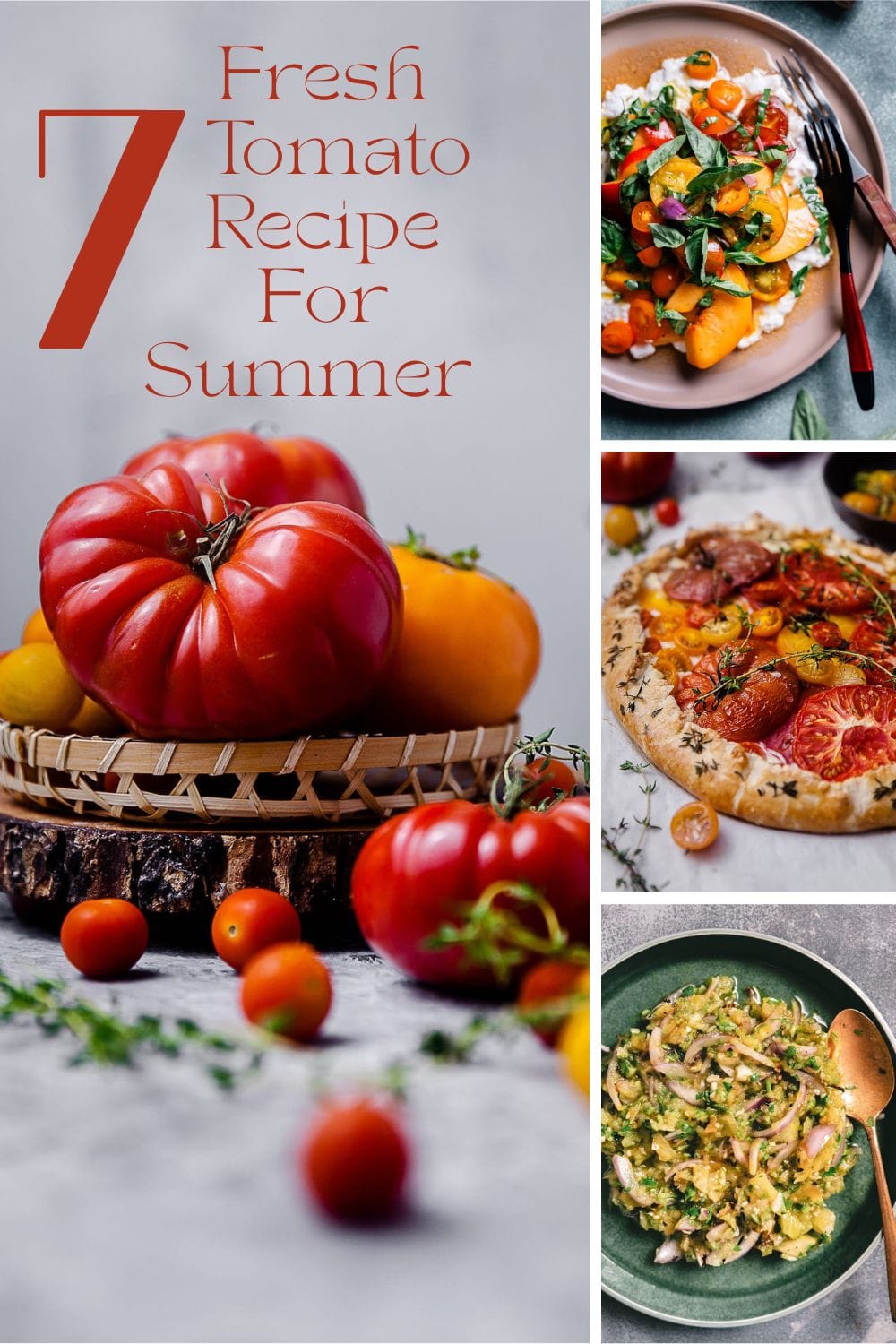
This list of 7 Fresh Tomato Recipes for Summer is easy and fuss free to make. Nothing captures the flavor of summer quite like ripe, juicy tomatoes. Whether they’re picked fresh from the garden, brought home from the farmers market, or discovered in the produce aisle at their peak, tomatoes are one of the most versatile ingredients of the season.
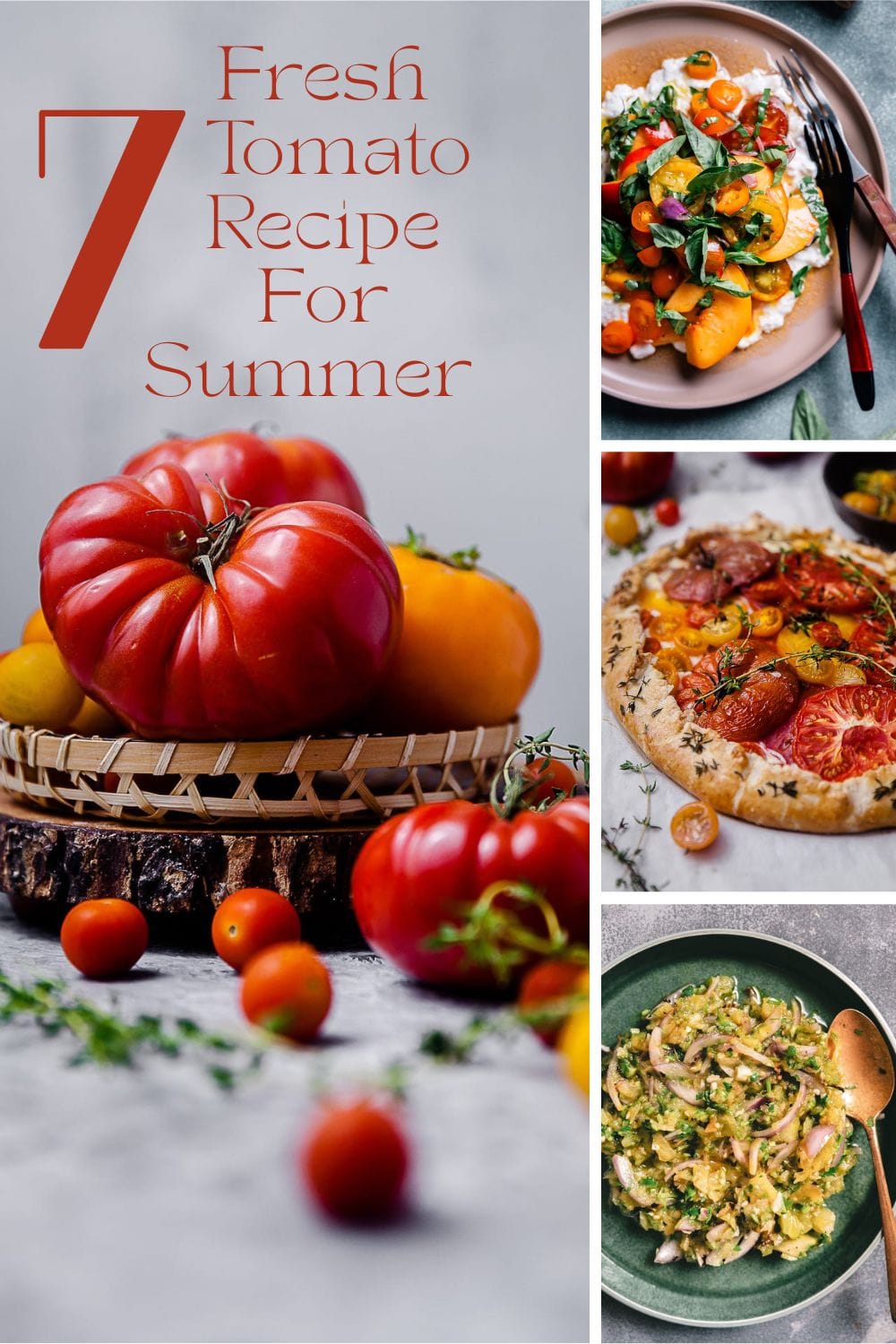
From light pasta dishes and refreshing salads to smoky roasted preparations and flavorful chutneys, tomatoes can transform even the simplest meal into something memorable.
If you’re wondering what to make with fresh summer tomatoes, this collection brings together seven easy recipes that celebrate their natural sweetness and vibrant flavor. These are the recipes I reach for all season long when tomatoes are at their best.
Why Summer Tomatoes Taste Better
Summer tomatoes are harvested at peak ripeness, allowing them to develop a deeper sweetness, richer color, and more complex flavor than tomatoes available during colder months.
hey’re perfect for:
- Fresh salads
- Quick pasta dishes
- Chutneys and condiments
- Sandwiches and bruschetta
- Grilled meals
- Light summer lunches
When tomatoes are this good, simple recipes often shine the brightest.
1. Spaghetti al Pomodoro Crudo
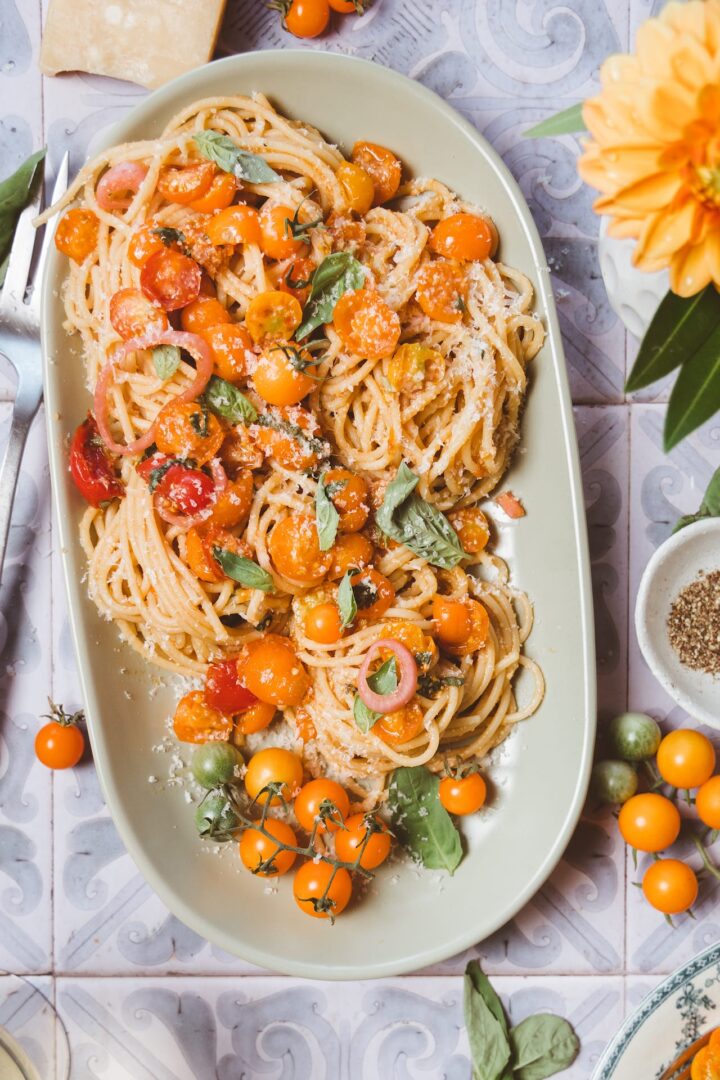
This classic Italian-inspired pasta celebrates fresh tomatoes in their purest form. Instead of cooking the sauce, ripe tomatoes are tossed with olive oil, garlic, basil, and warm pasta, allowing their natural juices to create a light and flavorful dressing.
Why you’ll love it:
- Highlights peak-season tomatoes
- No-cook tomato sauce
- Ready in under 30 minutes
- Perfect for hot summer evenings
2. Roasted Tomato Chutney (Tomato Pora Makha)
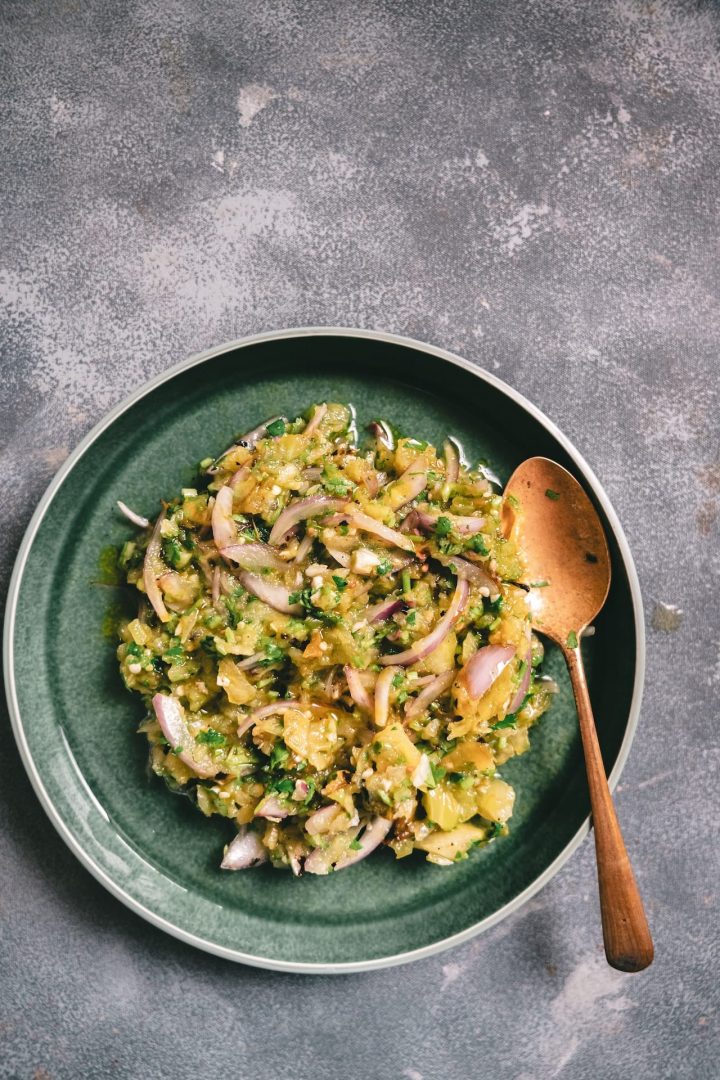
This Bengali-inspired tomato dish combines smoky roasted tomatoes with aromatics and spices to create a simple yet deeply flavorful side dish.
Why you’ll love it:
- Traditional comfort food with a summer twist
- Unique smoky flavor
- Uses just a handful of ingredients
- Excellent with rice or flatbread
3. Fresh Tomato Salad
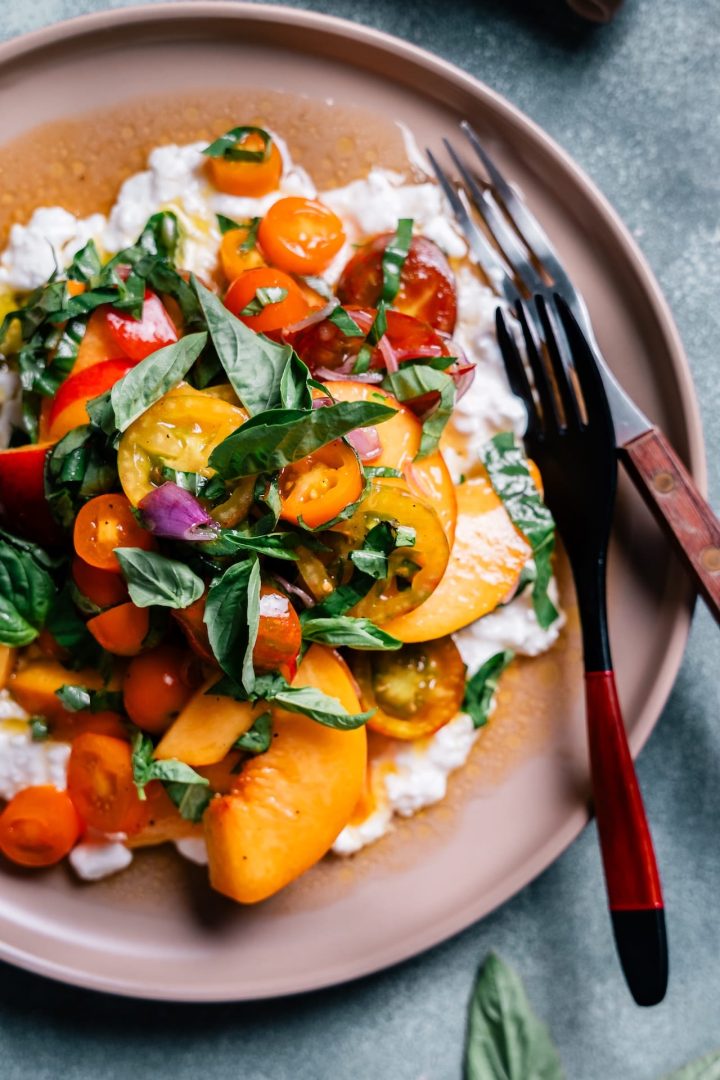
When tomatoes are perfectly ripe, a simple salad may be all you need. Toss fresh tomatoes with herbs, olive oil, and a touch of acidity for a refreshing side dish that pairs beautifully with grilled meats and summer meals.
Why you’ll love it:
- Showcases garden tomatoes
- Quick and easy
- Naturally gluten-free
- Great for entertaining
4. Tomato Garlic Confit (Easy Oven Roasted Cherry Tomatoes)
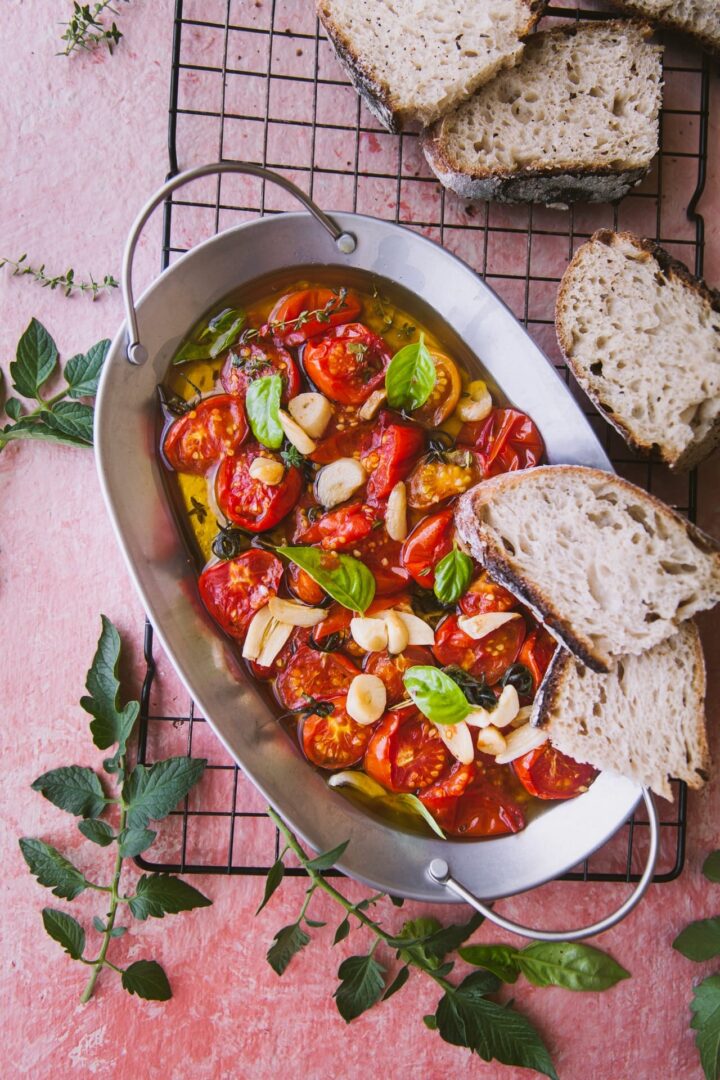
Sweet, jammy tomatoes, mellow roasted garlic, fragrant herbs, and rich olive oil come together in this easy Tomato Garlic Confit recipe.
Why you’ll love it:
- Easy 5-minute prep recipe
- Uses simple pantry ingredients
- Naturally gluten-free and vegetarian
- Great for meal prep
- Stores beautifully in the refrigerator
- Perfect way to use an abundance of cherry tomatoes
- Adds incredible flavor to pasta, toast, sandwiches, salads, and grain bowl.
5. Heirloom Tomato Toast
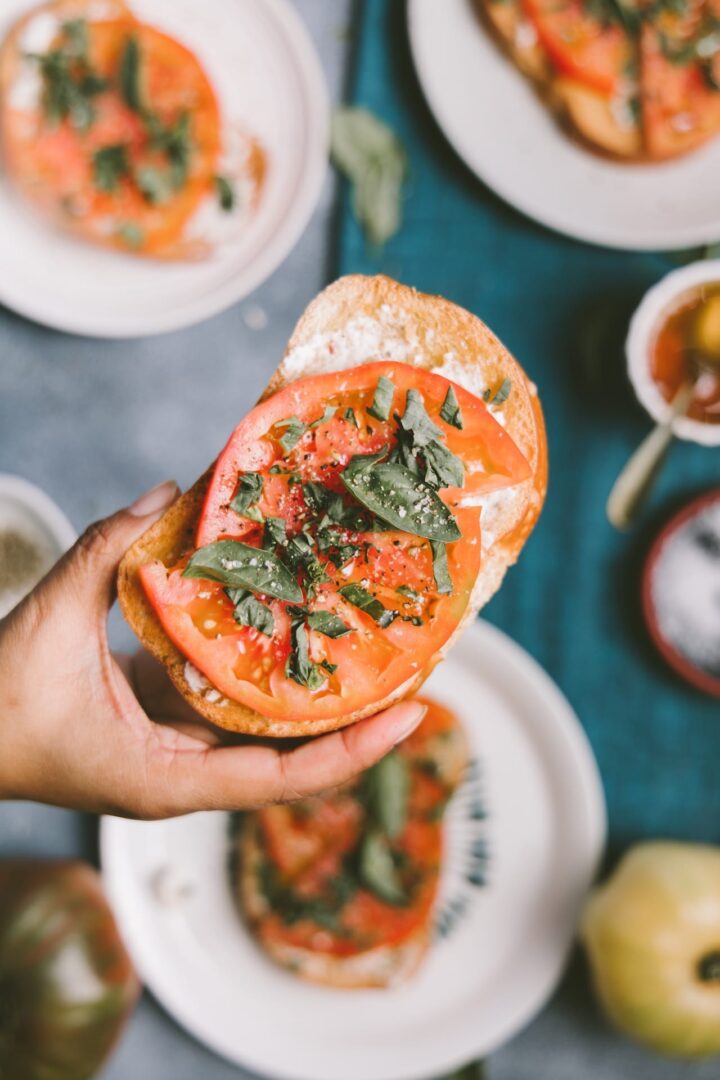
It’s the kind of recipe that proves you don’t need many ingredients when you’re working with peak-season produce.
Why you’ll love it:
- Ready in less than 15 minutes
- Perfect for breakfast, lunch, or a light dinner
- Showcases the beautiful colors and flavors of heirloom tomatoes
- Requires only a handful of fresh ingredients
- An easy way to enjoy garden-fresh tomatoes at their best
6. Green Tomato Chutney
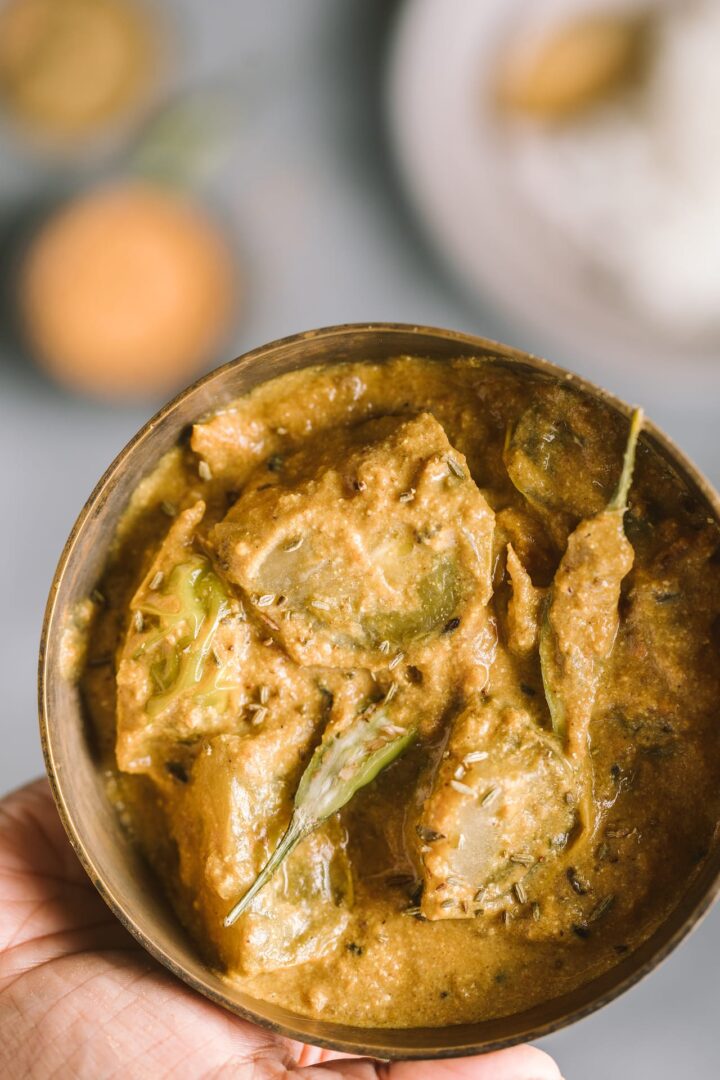
This Bengali style Green Tomato Chutney is unlike any version you tried before. This green tomato chutney is a beautiful blend of sweet tangy and pungent from using mustard paste. Paired with rice, it’s very comforting.
Why you’ll love it:
- Great for enjoying green tomatoes.
- Delicious with rice
- Easy to make ahead
- Versatile condiment
7. Tomato Thyme Ricotta Galette

Juicy sweet summer tomatoes layered on top of creamy whipped ricotta and thyme, all tucked in a buttery crust. This Heirloom Tomato Thyme Ricotta Galette is a summer pleasure you definitely want to try.
Why you’ll love it:
- A beautiful way to celebrate summer tomatoes.
- Creamy, savory, and flaky in every slice.
- Easier than making a pie.
- Perfect for any occasion like summer brunch or a light dinner.
- A stunning centerpiece making it ideal for summer gatherings.
Tips for Choosing the Best Tomatoes
For the best flavor, look for tomatoes that:
- Feel heavy for their size
- Have a sweet, earthy aroma
- Yield slightly when gently pressed
- Display vibrant color without soft spots
Varieties like heirloom, Roma, cherry, and vine-ripened tomatoes all work beautifully in summer recipes.
More Summer Recipe Inspiration
If you love cooking with seasonal produce, be sure to explore more summer favorites:
Summer tomatoes don’t last forever, so enjoy them while they’re at their peak. Whether you’re making a simple salad, tossing together a quick pasta dinner, or preserving a batch of chutney, these recipes are a delicious way to celebrate one of the season’s best ingredients.
Bookmark this collection and come back throughout tomato season whenever you need inspiration for using up your summer harvest.