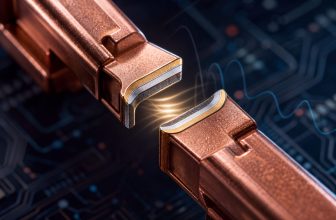
Inverters are a piece of technology that turns solar panels’ electricity into current that flows into the grid. Huawei is a market leader in the technology.
The EU has long been concerned about the threat posed by Chinese tech giant Huawei and its smaller rival ZTE in 5G networks, and is seeking to push EU member countries to remove them from their telecom networks — a position it is now trying to make mandatory.
Concerns over Huawei’s dominance in the solar technology market have flared more recently.
Risks posed by foreign interference in clean energy networks include manipulation of “electricity production parameters,” disruption of electricity generation and unauthorized access to operational data, McGarry said Monday. This could mean a “remote shutdown … leading to countrywide blackouts,” she said.
Suppliers from China, Russia, North Korea and Iran are affected by the ban, the unnamed EU official said, though they noted that Chinese suppliers hold 80 percent of the global market share of solar inverters.
The revised Cybersecurity Act also seeks to tackle these risks in the medium term, McGarry said. Beijing last week threatened to hit back over measures that seek to restrict Chinese suppliers from the EU market.
In a statement, Huawei said the Commission failed to provide “any specific facts or technical evidence” to back its decision. “This restriction lacks an objective and transparent basis, constitutes origin-based discrimination, and violates the principle of fair and non-discriminatory treatment in international trade … All suppliers should be held to the same standards of technical transparency and cybersecurity,” it said.
This article has been updated to include a comment from Huawei.