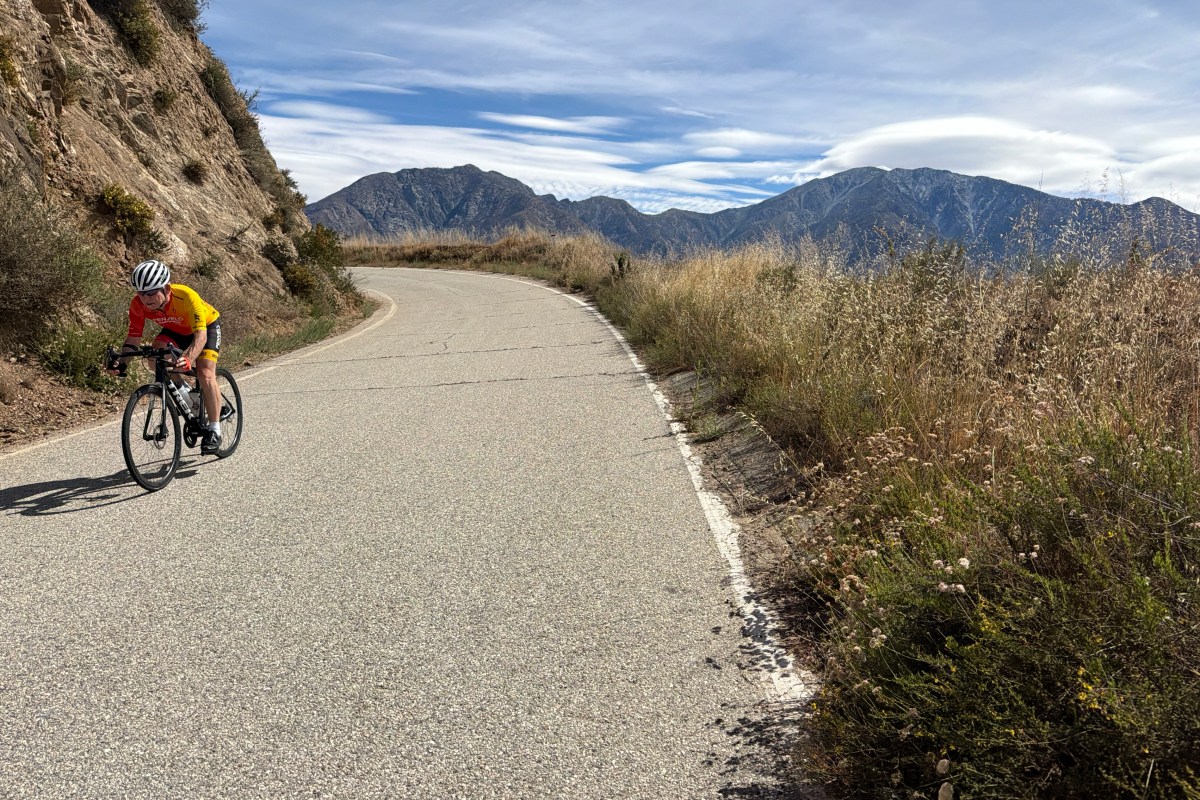
The Lobster Ride is one of Southern California’s classic endurance rides, covering approximately 100 miles and 13,000 feet of climbing through the San Gabriel Mountains. The Lobster links together a few of the region’s most iconic climbs, including Glendora Mountain Road, Glendora Ridge Road, Mt. Baldy Village to the Ski Lifts, and the long ascent to Crystal Lake. It’s a ride that requires steady pacing, smart nutrition, and respect for both the terrain and the weather.
In this guide, I’ll walk through the ride section by section, sharing what to expect on each climb, where to conserve energy, where to push, and the approach that has helped me complete the route successfully multiple times. I’ll also cover pacing, fueling, hydration, and a few lessons I learned that can make your own Lobster Ride a little smoother.
When to Ride:
Choosing the right day can make a huge difference in how enjoyable the Lobster is. One non negotiable is that you must start early.
In general, I’d avoid the hottest part of the summer. No matter which direction you ride, you’ll likely be climbing either Crystal Lake or the Baldy Ski Lifts during the hottest part of the day. It’s certainly doable for strong, well-prepared cyclists, but the combination of long climbs, exposed roads, and high temperatures can turn an already difficult ride into a miserable one.
The other season to be cautious of is winter. Both Crystal Lake and Mt. Baldy regularly receive snow and ice, and those conditions can make the climbs and descents hazardous. Even if the roads are mostly clear, shaded corners can hold ice long after the rest of the pavement has dried.
For most riders, spring and fall offer the best conditions. Cooler temperatures make the long climbs much more enjoyable, and you’ll generally have a better chance of stable weather.
That said, this is Southern California. There are plenty of beautiful days in both summer and winter that are perfect for riding the Lobster. Check the forecast, pay attention to current road conditions, and use good judgment. If the weather doesn’t look right, don’t force it. The mountains will still be there another day.

Refuel Options:
- Encanto Park (Start) – Start with full bottles and all the nutrition you’ll need for the first half of the ride. There are restrooms and water available before you roll out.
- Mt. Baldy Village – Water fountain on the patio of the Village Restaurant. This is the best place to refill bottles before climbing to the Ski Lifts, and you’ll pass through it twice if riding the route clockwise.
- Camp Williams – A good opportunity to top off bottles before beginning the long climb up Highway 39 to Crystal Lake.
- Coldbrook Campground – Water is often available from the campground taps and can be a lifesaver halfway up the Crystal Lake climb. Don’t count on it, though. On my most recent Lobster, the taps were dry.
- Crystal Lake Café – Food, drinks, water, restrooms, and outdoor seating. A perfect place to recover before the final 25-mile descent back to Encanto Park.

Training Advice:
If you’re working toward the Lobster, I recommend building up to it by riding the route in sections instead of jumping straight into the full ride. Work on distance, elevation, and nutrition. I aim for 120g of carbs per hour for rides like this.
Start with Glendora Mountain Road and Glendora Ridge Road (GMR/GRR). This gives you a feel for the road, the climbing, and the descending without committing to a full day in the saddle.
Next, ride GMR/GRR with the climb to the Baldy Ski Lifts. This adds another major climb and gives you a chance to experience the elevation while testing your pacing over a longer effort.
Finally, ride Crystal Lake from Encanto Park. This lets you focus on the longest sustained climb of the Lobster and find a pace that you can hold for over an hour. It’s also a good opportunity to experience how your body responds to the higher elevation near the summit.
By completing these three rides, you’ll have ridden nearly every major section of the Lobster before attempting the full route. More importantly, you’ll have time to dial in your bike setup, gearing, clothing, hydration, and nutrition without the pressure of a 100-mile ride. You’ll also gain confidence from knowing exactly what’s ahead, which makes the full Lobster feel much more manageable on ride day.
The Lobster rewards patience. Ride within yourself early, stay on top of your nutrition and hydration, and save your legs for the final climb to Crystal Lake.
For reference, I typically finish the Lobster in 7–8 hours, which is on the faster side. I also ride these mountain roads several times a month, so don’t use my time as your benchmark. If you’re new to the route, follow the training progression in this guide to get a realistic understanding of your pace and what the full Lobster will demand.
The Route Selection:
The first decision is which direction you want to ride the route. You can either start with the climb to Crystal Lake or head up Glendora Mountain Road toward the Ski Lifts first. I’ve done it both ways, and I much prefer starting with the Ski Lifts.
Going this direction lets me pace the ride more evenly. I can take advantage of two opportunities to refuel in Mt. Baldy Village early in the day before enjoying the long descent down East Fork Road. From there, it’s a steady climb up to Crystal Lake, followed by roughly 25 miles of mostly downhill riding back to the finish.
When I rode the route in the opposite direction, the day felt much tougher. You begin with the long climb to Crystal Lake, then continue climbing up East Fork Road, over Glendora Ridge Road, and finally to the Ski Lifts before getting the long descent down Glendora Mountain Road at the very end.
Safety and Bailout Options:
One thing to keep in mind is that cell service is very limited throughout most of the Lobster route. Once you’re in the mountains, don’t expect to have a reliable signal. Download your route ahead of time, let someone know where you’re riding, and don’t rely on your phone for navigation or emergency communication.
If the day isn’t going as planned, don’t be afraid to shorten the ride. One of the nice things about the Lobster is that there are a couple of easy bailout options. If you’re running low on energy or supplies before the Crystal Lake climb, you can skip it entirely and continue downhill on Highway 39 back toward Encanto Park. Likewise, if you decide not to tackle the Baldy Ski Lifts, simply continue down Mt. Baldy Road to Claremont instead of climbing to the turnaround.
There’s no shame in making the smart decision. The Lobster will still be there another day, and it’s always better to finish wanting more than to push beyond your limits.
Before attempting the Lobster, make sure your bike is in good working order. Check your tires, brakes, drivetrain, and shifting before ride day, and don’t ignore maintenance you’ve been putting off. You should also be able to handle basic roadside repairs yourself. Know how to change a tube if you’re running tubes, or plug a tubeless tire if that’s your setup, and carry the tools and supplies you’ll need. Mechanical issues happen, and on a route as remote as the Lobster, being able to get yourself back on the road is an essential skill.
Gear Recommendations:
The Lobster isn’t a ride where you want to be under-geared. I recommend having something close to a 1:1 gear ratio. I rode my first two Lobsters with a 36/34, and it worked well for most of the day. But by the time I reached the final climb to Crystal Lake in the afternoon heat, I found myself wishing for one more gear. I now ride a 36/36, and the lower gear lets me maintain a higher cadence when fatigue really starts to set in. It doesn’t make the climbs easier, but it does give you another option when your legs are running low.
Carry at least two water bottles, and don’t count on every refill stop having water available. A complete flat repair kit is also essential. Whether you’re running tubes or tubeless, bring everything you’ll need to get yourself back on the road, including a spare tube, tire levers, inflation, and a tubeless plug kit if applicable.
Don’t overlook the weather. The lower elevations can be hot, especially in late spring and summer, so sunscreen is a must. The UV exposure is also much stronger at the higher elevations, and it’s easy to get burned without realizing it. During the warmer months, wear clothing that helps you stay cool and protects you from the sun.
If you’re riding during the spring or fall, pack an extra layer for the long descents. Even when it’s warm at Encanto Park, the temperatures near Mt. Baldy and Crystal Lake can be surprisingly cool, especially early in the morning or if clouds move in. A lightweight vest, arm warmers, or a packable jacket can make a big difference on the descents.
Finally, consider your wheels. I ride 36 mm wheels in the mountains and have been happy with them. I’ve heard from several riders on 50 mm and deeper wheels that the crosswinds, particularly on the exposed sections near Crystal Lake, can get pretty lively. Plenty of riders complete the Lobster on deep wheels without issue, but if you’re not comfortable riding in gusty crosswinds, a shallower wheelset may make for a more confidence-inspiring day.
One final gear recommendation is tire choice. I ride 32 mm tires on the Lobster, and they’ve been a great fit for this route. The wider tires do a better job absorbing the cracked and uneven pavement you’ll encounter throughout the day, and they inspire a lot of confidence on the mountain descents. The added comfort over 100 miles is noticeable, and the extra grip in the corners lets me focus more on the road ahead than on avoiding every imperfection in the pavement.
Route Overview:
The Lobster Ride starts at Encanto Park, and for the purposes of this guide, we’ll ride it in the direction that begins with Glendora Mountain Road and finishes with Crystal Lake.

Leaving Encanto Park, you’ll briefly join the San Gabriel River Trail before transitioning onto city streets for about 7 miles on your way to the base of Glendora Mountain Road (GMR).

The first major climb is the classic “Gate to Shack” segment on GMR, gaining 2,400 feet over 8.5 miles. From the shack, the road continues along Glendora Ridge Road (GRR) with another 6.5 miles of rolling terrain and roughly 1,000 feet of climbing. The final push to the high point of GRR is 3.5 miles, gaining another 1,100 feet before the descent into Mt. Baldy Village.


Mt. Baldy Village is a great place to stop, refill bottles, and grab water from the fountain on the patio of the Village Restaurant. Even if you don’t need food, it’s worth topping off here since you’ll pass through again after the Ski Lifts.

From the village, the road climbs another 2,300 feet over 5 miles to the Baldy Ski Lifts. If it’s your first time, don’t stop at the parking lot. Most riders consider the turnaround to be the very top of the Ski Lifts, so continue all the way up before heading back down.


The descent is one of the fastest and twistiest sections of the ride. You’ll return to Mt. Baldy Village, then retrace your route back onto GRR and GMR toward East Fork. There’s a short but steep climb leaving the village, but after that the route is mostly rolling terrain with more descending than climbing.
When you reach the yellow gate marking the East Fork turnoff, make the sharp hairpin turn and begin a 1,400-foot descent over the next 4 miles. From there, East Fork Road follows the river on a long downhill all the way to Highway 39. You’ll pass by Camp Williams along the way. If you need a stop or would like to refill bottles, this is a nice to do so.

The final major challenge of the Lobster is the climb to Crystal Lake. It gains 4,400 feet over 13 miles at an average grade of 6%, and during the warmer months it can be brutally hot and exposed. Before leaving Mt. Baldy Village or Camp Williams, make sure you have at least two full bottles and your nutrition plan dialed in. Many Lobster attempts have ended in bonks on the slopes of Highway 39.

The key here is patience. Settle into a sustainable pace, keep eating and drinking, and just keep turning the pedals toward the summit.
About halfway up the climb you’ll pass Coldbrook Campground. When the water is on, it’s an excellent place to refill your bottles. The taps usually are running, but on my most recent Lobster they were dry, and I had to grind out the rest of the climb with empty bottles. Don’t count on it being available.
The opening miles of Highway 39 are the toughest, with a steady, direct climb that never seems to let up. After passing Coldbrook, you’ll reach a series of switchbacks where the grade eases noticeably, giving your legs a chance to recover before the final push to Crystal Lake.
At the top, you’ll find the Crystal Lake Café, which is a great place to grab food, refill your bottles, and relax in the outdoor seating area before the ride home.

From Crystal Lake, it’s roughly 25 miles of mostly downhill riding back to Encanto Park. I say “mostly” because there are two short climbs along the way that somehow feel like mountains after a day like the Lobster. But once you roll back into the parking lot at Encanto Park, you’ll have the satisfaction of knowing you’ve completed one of Southern California’s iconic cycling routes.
Have you done the Lobster, or are you thinking about giving it a try? If you have any questions about the route, training, gearing, or anything else, feel free to leave a comment below. I’m always happy to help fellow riders tackle this SoCal classic.