In the next several issues of The Growler, look for a new B.C. Beer History Profile: a pairing of a 19th century B.C. brewery with a craft brewery currently in that area. A different region of B.C. will be featured in each History Profile!
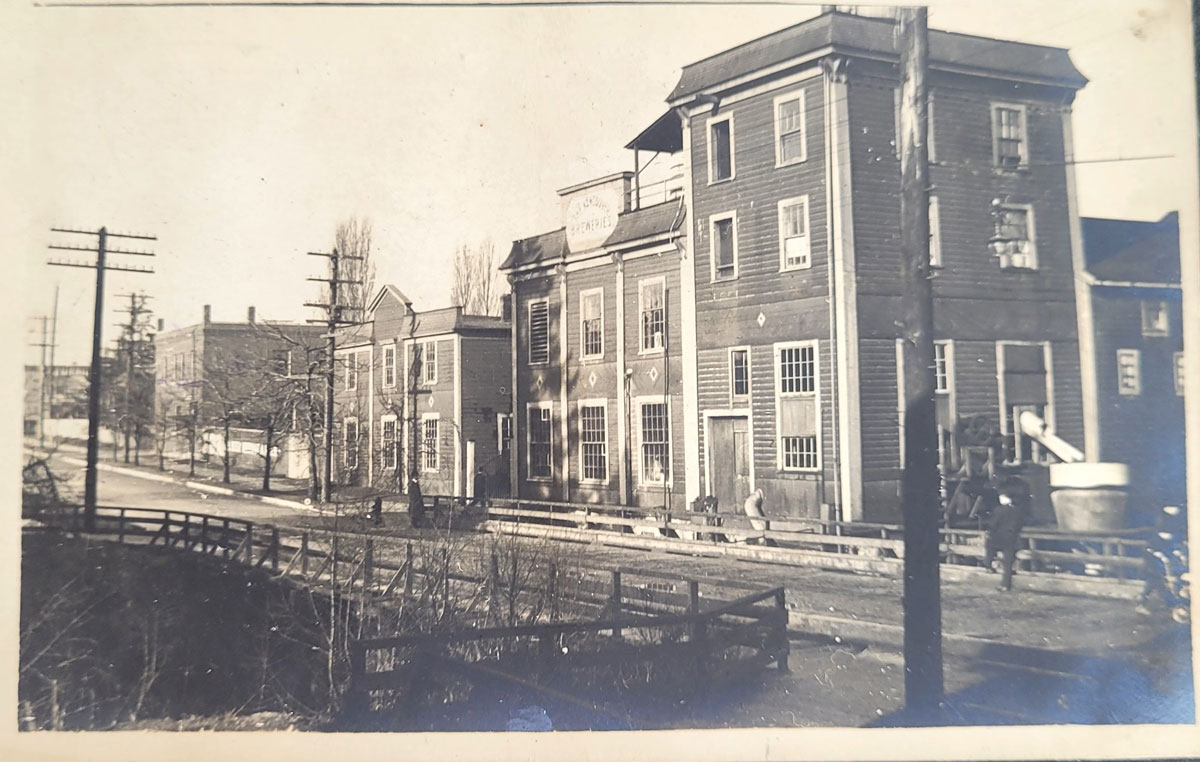
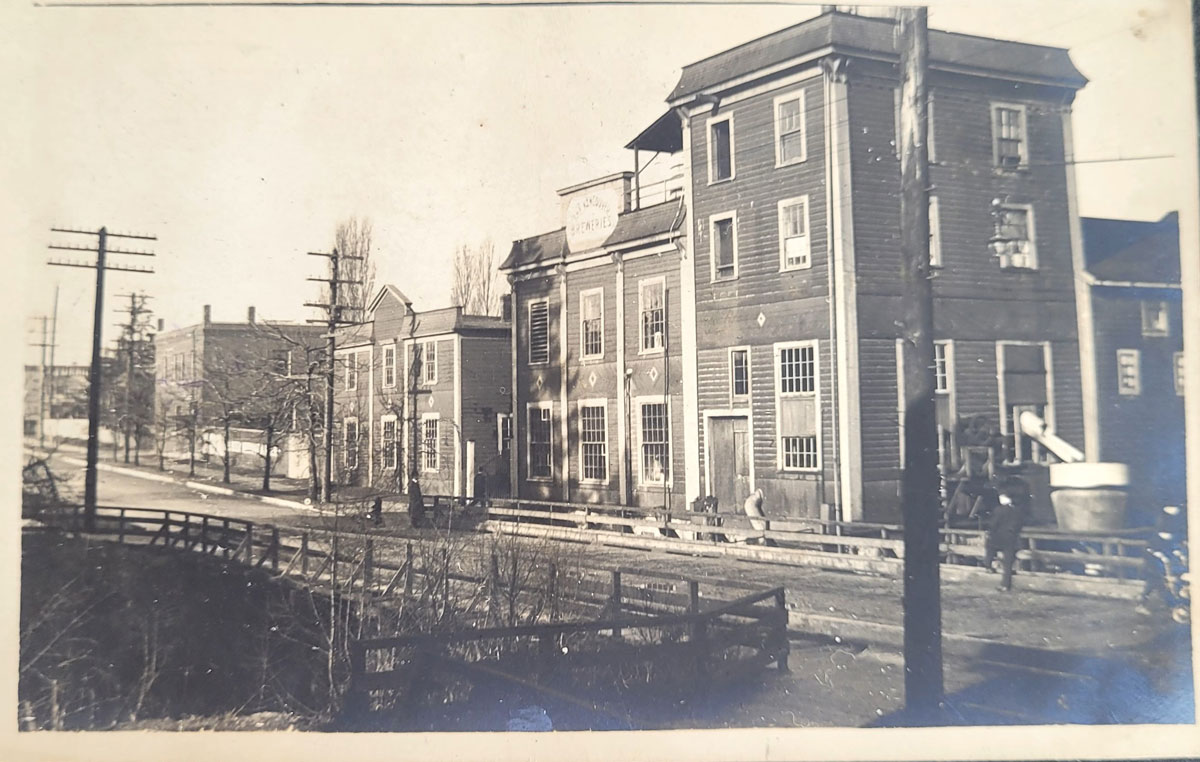
The Vancouver Brewery a.k.a. D&M Brewery a.k.a. Vancouver Breweries
In 1887, the area of Vancouver’s Mount Pleasant that’s now the corner of Scotia and 7th was comprised of dirt roads, trees, and brush. Brewery Creek rushed through the area, carrying with it some of the refuse from the tanneries and slaughterhouses upriver. However, the water still flowed clearly enough; the creek offered good water for drinking and fishing, not to mention powering mills. It was here that Charles Doering, originally from Leipzig, Germany, but a former resident of San Francisco and Victoria, decided to build something that was missing in Vancouver at the time: a brewery.
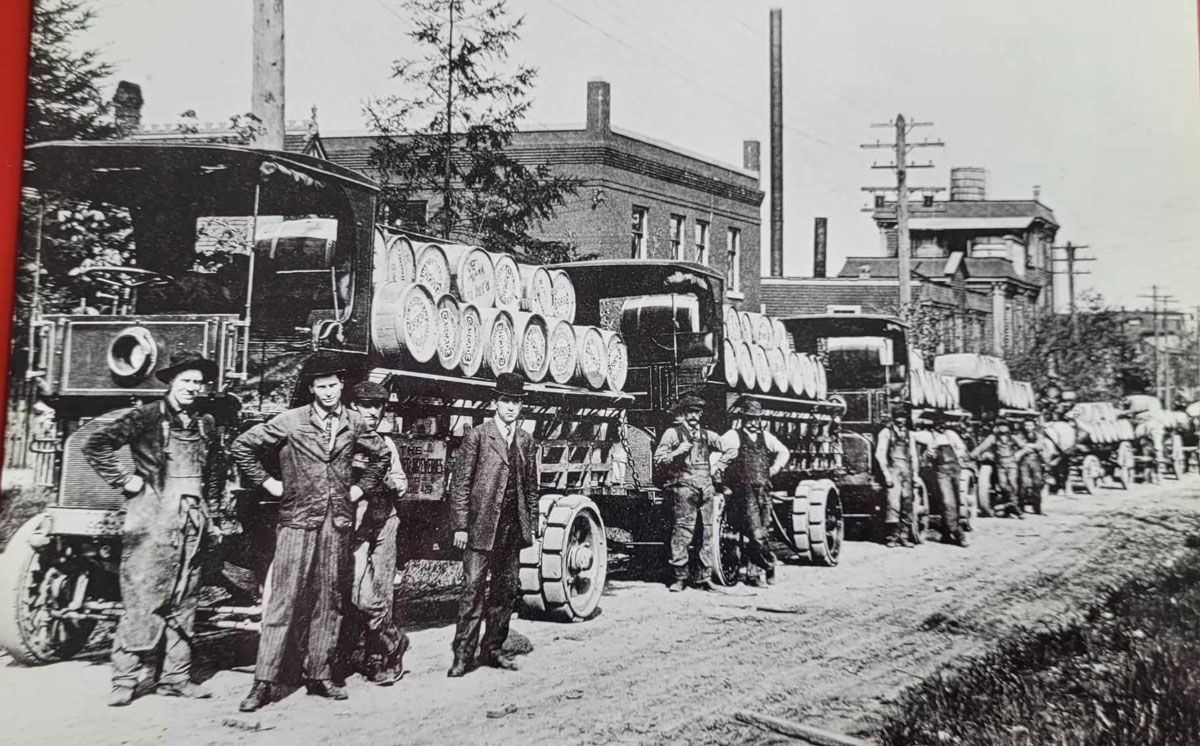
When he opened its doors in 1887, Doering christened his new business Vancouver Brewery. A three-story wooden building, the brewery had an ambitious daily capacity of 1,500 gallons (a stark difference from a contemporary brewery with a mere 500 daily gallon limit). However, Doering’s ambition wasn’t misplaced; his traditional German lager appealed to the many Germany immigrants flocking to Vancouver. Victoria had a thriving local brewery scene, but until Doering’s arrival most Vancouverites had to slake their thirst with European imports.
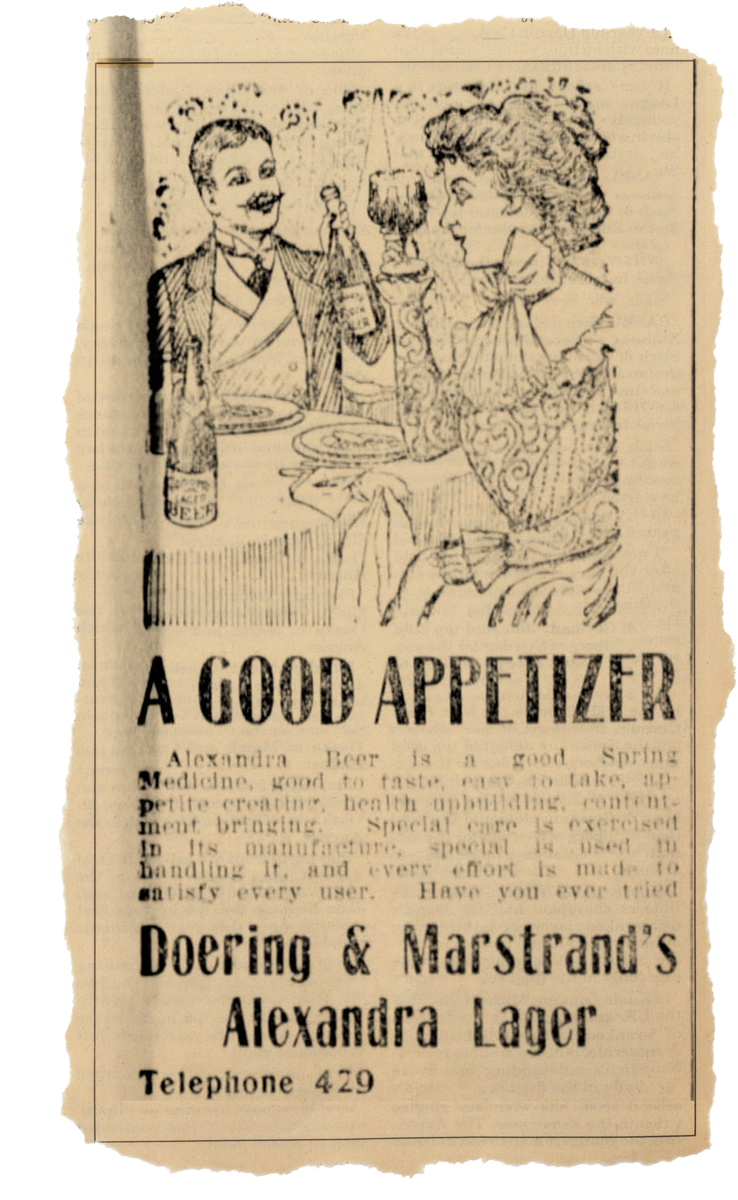
Doering’s success allowed him to expand. By 1892, he’d brought a formally trained Danish brewer over to partner with him. Otto Marstrand’s arrival transformed Vancouver Brewery into Doering & Marstrand Brewery—also known as D&M Brewery. D&M launched their new business partnership with a lavish party at the brewery and began to advertise to non-traditional drinkers, such as women, invalids, and even children (for non-alcoholic beers). In 1902, D&M merged with their main competitor, Red Cross Brewing, to become Vancouver Breweries. This version of the brewery would last for decades and produce one of the province’s most well-loved beers: Cascade.
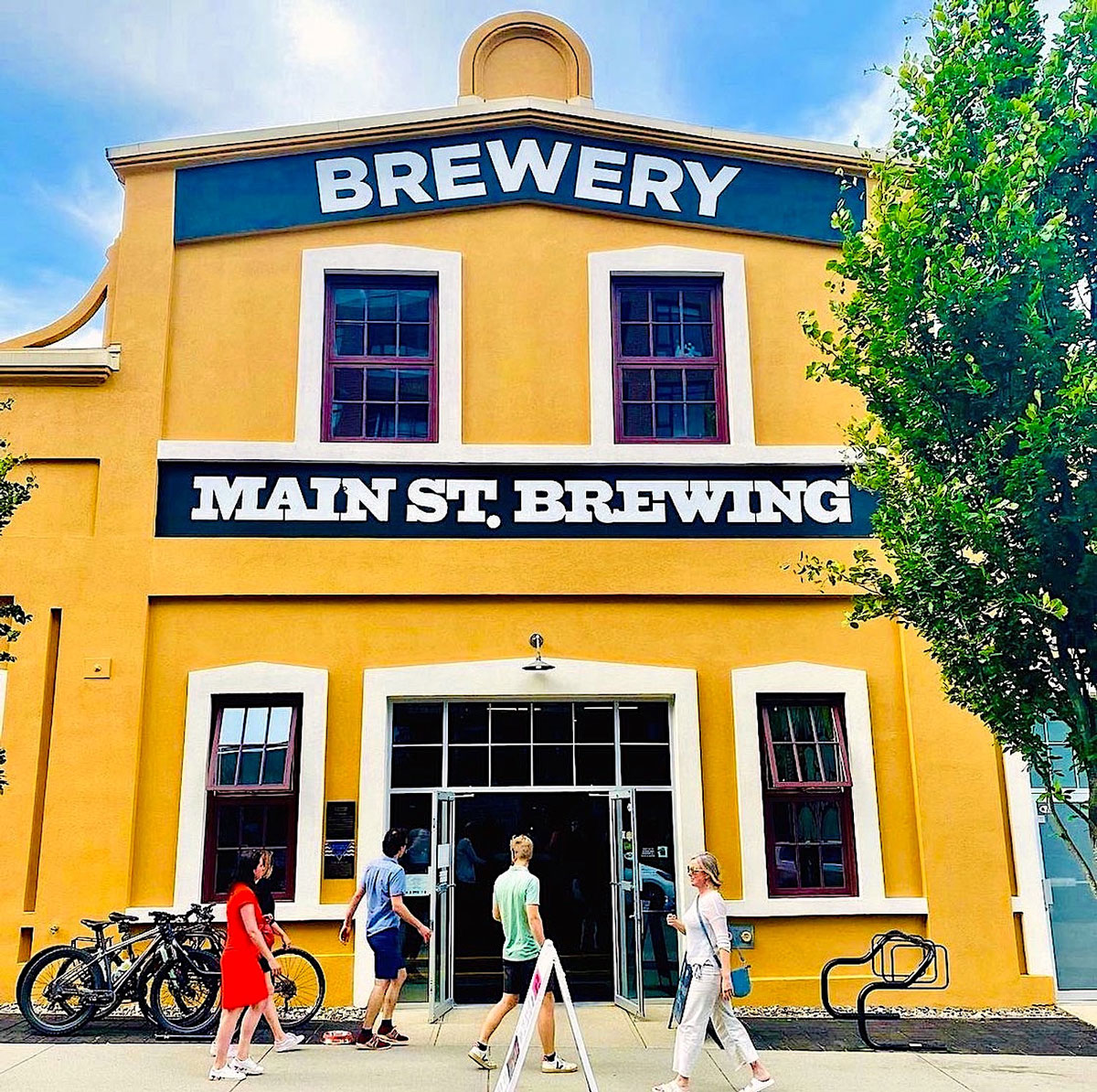
Vancouver Breweries became so successful that Doering renovated the brewhouse and eventually relocated the brewing itself to the large new facility at Yew and 11th, built by future rum-runner Henry Reifel. The old brewery was used as office space and then, around 1920, it was rebuilt as a garage for brewery deliveries. Once Vancouver Breweries became more centralized and fell under the control of much larger corporations, the brewery garage was no longer needed. Throughout most of the twentieth century, this building sat quietly on Scotia Street, living out its destiny as various versions of an autoshop, until it found new life in the 2000s.
Main Street Brewing
Like Vancouver Brewery, Main Street Brewing on Scotia and 7th was established by a savvy businessman—or, rather, two businessmen: Nigel Pike and Cam Forsyth, owners of the Cascade Room and Portland Craft, respectively. They both knew the beer industry as well as the history of the building on Scotia and 7th. “We wanted to bring a brewery back to the neighborhood that was all about breweries,” says Pike. To get their name out there, they were already contracting brewing their first beer—a pilsner—through Russell Brewing in Surrey. That pilsner, an approachable combination of German and American lager styles, is still a flagship.
With their beers on liquor store shelves before opening day, they were getting industry momentum. And they needed it. Main Street was set to open around the time that the provincial government changed the laws to allow breweries to
serve their beer on site in tasting lounges. Before 2013, you couldn’t sit down at a brewery for a couple of pints. This was a huge change for the industry, and Pike and Forsyth wanted to be riding this new wave as it crested.
Before the tasting lounge legislation passed, there were vocal opponents to the idea of having a brewery in the historic Brewery Creek neighbourhood. One public hearing email in February 2012 voiced the disgust some had for Pike and Forsyth’s plans:
“Check out the plans for that heritage building now, because it is to become a restaurant/brewery, wheeeee! no mention of ah, community and such […] seeing as absolutely *no one* in the actual Mount Pleasant artist and otherwise community…WANTS a bloody restaurant/brewery on the site! That is a retail and commercial space, it is not what was promised at all. YOU GAVE THEM PERMISSION CONTINGENT ON AN AMMENITY [sic], so how in the hell does this rate as an ammenity?? That someone is going to make money off a bunch of drunks and well-off diners???”
Given the area’s history, it might be surprising to see this Vancouver constituent’s antipathy towards breweries. However, the letter reveals how little public understanding there was about breweries and their role in the community. Just one year after that public hearing, Vancouver citizens were expressing their full-throated approval for brewery lounges across the city.
The opening of brewery tasting lounges boosted public awareness of what craft breweries are. Breweries like Main Street, Brassneck, and others who embraced the opportunities provided by the new law showed the public what to expect. It’s unusual to see “a bunch of drunks” in a craft brewery; you’re far more likely to see people savouring a flight, families having an afternoon break, or dogwalkers stopping by for a quick pint. When Main Street Brewing did open, it was to a warm reception by locals—not a protestor in sight!
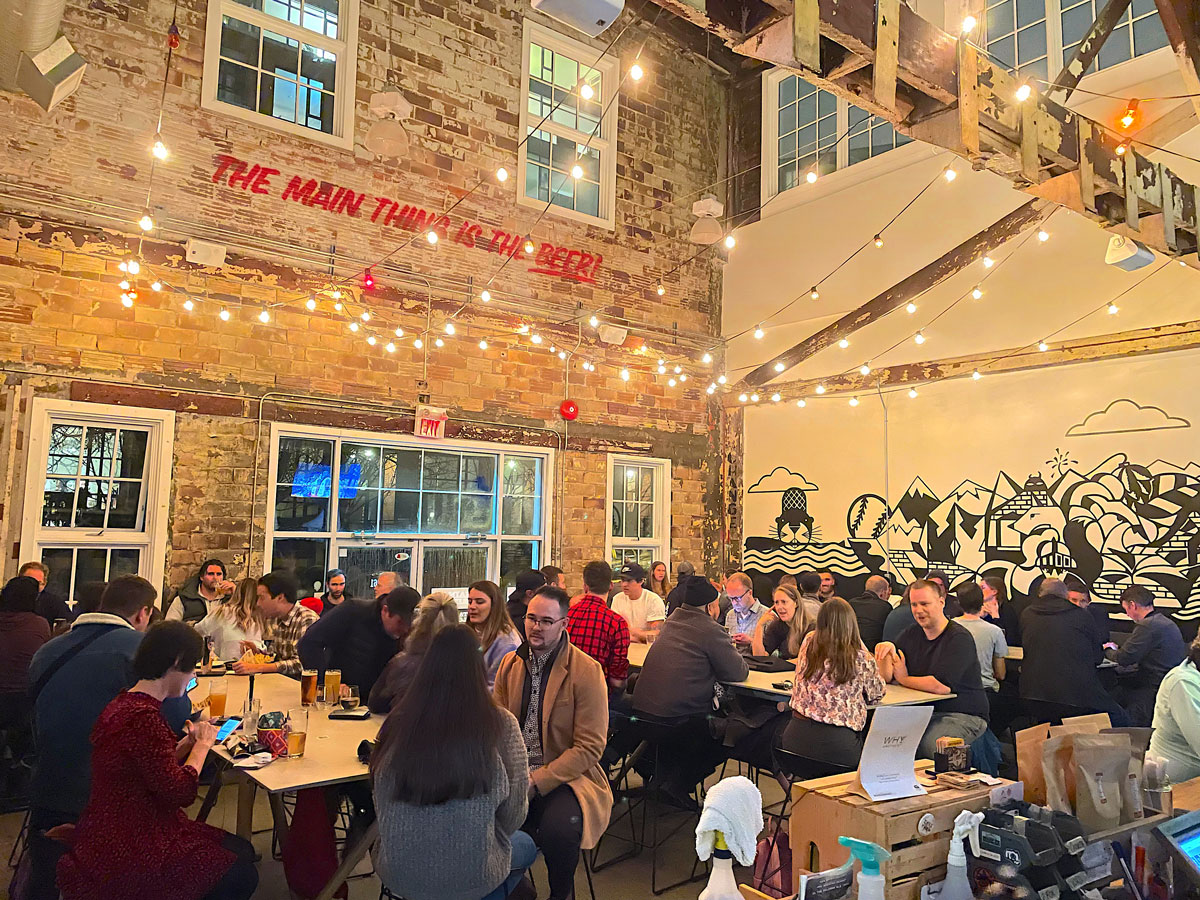
Main Street Brewing, now in its 12th year, is a mixture of old and new: bright, modern murals enliven the lower portions of the left and right walls, but the front has kept its brick form, with “The Main Thing is the Beer” scrawled in red paint across it. The high roof with its criss-cross wooden beams reminds us of its early 20th century beginnings while menu screens provide modern convenience. The taplist features hazy IPAs and fruited sours along with traditional cask-conditioned ales (Main Street is one of the few modern B.C. breweries that still use cask engines). This brewery is definitely the place to go if you want to soak up a bit of Vancouver’s beer history. Brewery Creek is now deep under the city streets, but its spirit is still alive at Scotia and 7th.
Note: material for this article was adapted from my book, Brewmasters and Brewery Creek: A History of Craft Beer in Vancouver, Then and Now.