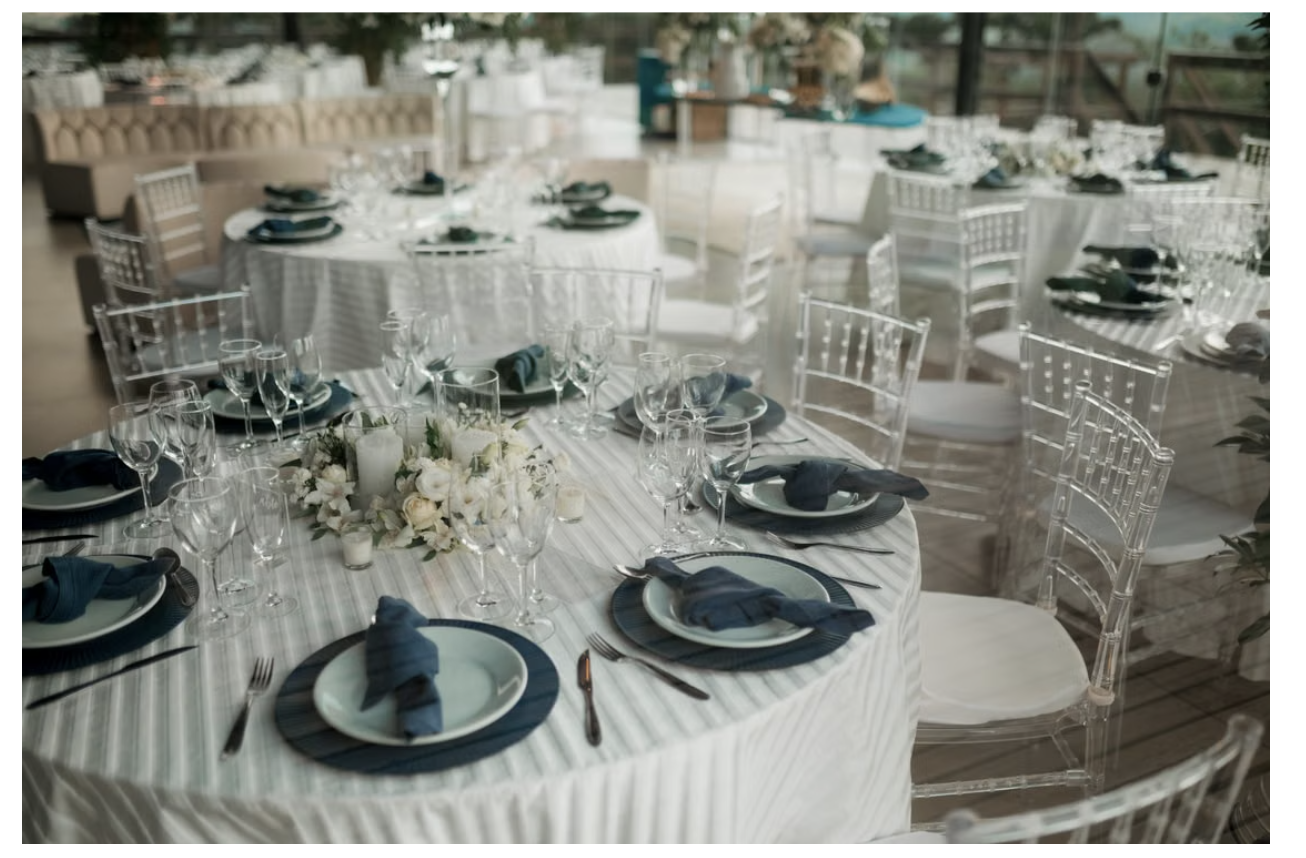
If you’re trying to plan a party on a real-life budget, linens can feel sneaky. They seem small at first, then suddenly you’re pricing tablecloths like they’re made of moon dust. The good news is you don’t need a giant budget to make tables look pulled together. With a little planning, you can get that polished event look without spending like a celebrity wedding planner. It’s really about choosing smart, avoiding waste, and knowing where the hidden costs like to hide.
Start With Rentals
Before you fall in love with a color or a fancy tablescape photo, start with the boring but helpful part: the rental details. A solid rental company can save you money, stress, and one mild panic attack the night before your event. If you’re comparing providers, look at things like delivery windows, pickup times, damage rules, and what happens if guest counts change.
That’s where checking options like Bergen Linen makes sense, especially if you want a clearer idea of how linen rental agreements work before you commit. You don’t want surprises hiding in the fine print like a raccoon in the attic.
Ask simple questions. Are cleaning fees included? Is setup part of the price? What if one napkin goes missing because your aunt packed leftovers in it? Those little details matter. A lower quote isn’t always the cheaper choice if extra fees start piling up later.
Know What You Need
It’s easy to overorder when you’re stressed or excited. You may think, “Better get extras for everything,” and next thing you know, you’ve rented enough fabric to cover a small parade. A smarter move is to count carefully and match your order to your actual setup.
Start with tables. How many are guest tables, food tables, gift tables, or dessert stations? Then think about what each one really needs. A casual backyard baby shower may only need full tablecloths and a few runners. A wedding reception might need napkins, overlays, cocktail table covers, and cake table linens too.
It also helps to check your venue early. Some venues include basic linens, and others include absolutely nothing but walls and hope. Get table sizes and shapes before ordering. Round, rectangle, and cocktail tables all need different linen sizes. When you know exactly what you need, you stop paying for “just in case” extras that never leave the bag.
Pick Budget-Friendly Fabrics
Not every linen has to be fancy to look good. In fact, some of the most expensive options don’t even photograph that much better. If you want style without the painful price tag, focus on fabrics that look clean, hang nicely, and don’t wrinkle if you so much as breathe near them.
Polyester is one of the most budget-friendly choices, and honestly, it does the job well for many events. It’s durable, simple, and usually available in lots of colors. If you want a softer or more textured look, blends can be a nice middle ground without jumping into luxury pricing.
You should also think about finish. Matte fabrics often look more elegant than shiny ones in daylight. Texture can help too. A plain neutral cloth can look richer if it has a subtle weave or layered runner. This is one of those cases where simple beats flashy. You’re dressing tables, not auditioning them for a talent show.
Use Color Strategically
A tight color palette can make even affordable linens look intentional. That’s the trick. When everything coordinates, people notice the vibe, not the price. If colors are all over the place, the setup can feel random, even if you spent more.
Neutrals are your best friend here. White, ivory, taupe, gray, and soft beige work with almost anything and are often easier to find at lower rental rates. Then add one accent color through napkins, runners, or small decor pieces. That pop of color gives personality without forcing you to rent specialty linens for every surface.
Think about your event style too. A garden brunch might use cream with dusty blue. A birthday dinner could use black with gold accents. A simple palette also helps flowers, candles, and place settings stand out more. You don’t need five colors fighting for attention like kids arguing over the last cupcake.
Avoid Common Rental Mistakes
A lot of linen overspending happens because of avoidable mistakes. The first big one is waiting too long. Last-minute orders can mean rush fees, limited color choices, or settling for pricier upgrades because the basic options are gone.
Another common problem is not measuring tables. Never assume all banquet tables are the same. They are not. Some are wider, some are taller, and some seem designed by a person who enjoys chaos. If your cloth doesn’t fit right, the whole setup can look off.
You should also read stain and damage policies. If your event includes red sauce, red wine, chocolate fountain adventures, or children with juice boxes, know what counts as normal use. Some companies are flexible. Others charge fast. Finally, confirm final guest counts by the deadline. A small headcount change can affect linen quantities more than you’d expect, especially for buffet, drink, or cake tables.
Style More With Less
You don’t need layers and layers of pricey linens to make a table feel special. Often, a clean base cloth plus one thoughtful extra is enough. A simple runner, cloth napkins, or a centerpiece with height can add more charm than a complicated setup that costs twice as much.
Lighting does a lot of heavy lifting too. Candles, string lights, or soft evening lighting can make basic linens look warmer and more expensive. Centerpieces help guide the eye, so guests notice the overall scene instead of studying the tablecloth like it’s a museum exhibit.
Spacing matters as well. Tables that aren’t overcrowded tend to look neater and more polished. Keep place settings simple and balanced. If your budget is tight, put more effort into the tables guests will notice most, like dining, dessert, or entry tables. You’re not trying to impress every corner of the room. You’re building a look that feels welcoming, thoughtful, and worth remembering without making your wallet cry.