Can my landlord make me pay a surcharge for my AC unit—even if I already pay the electric bill?

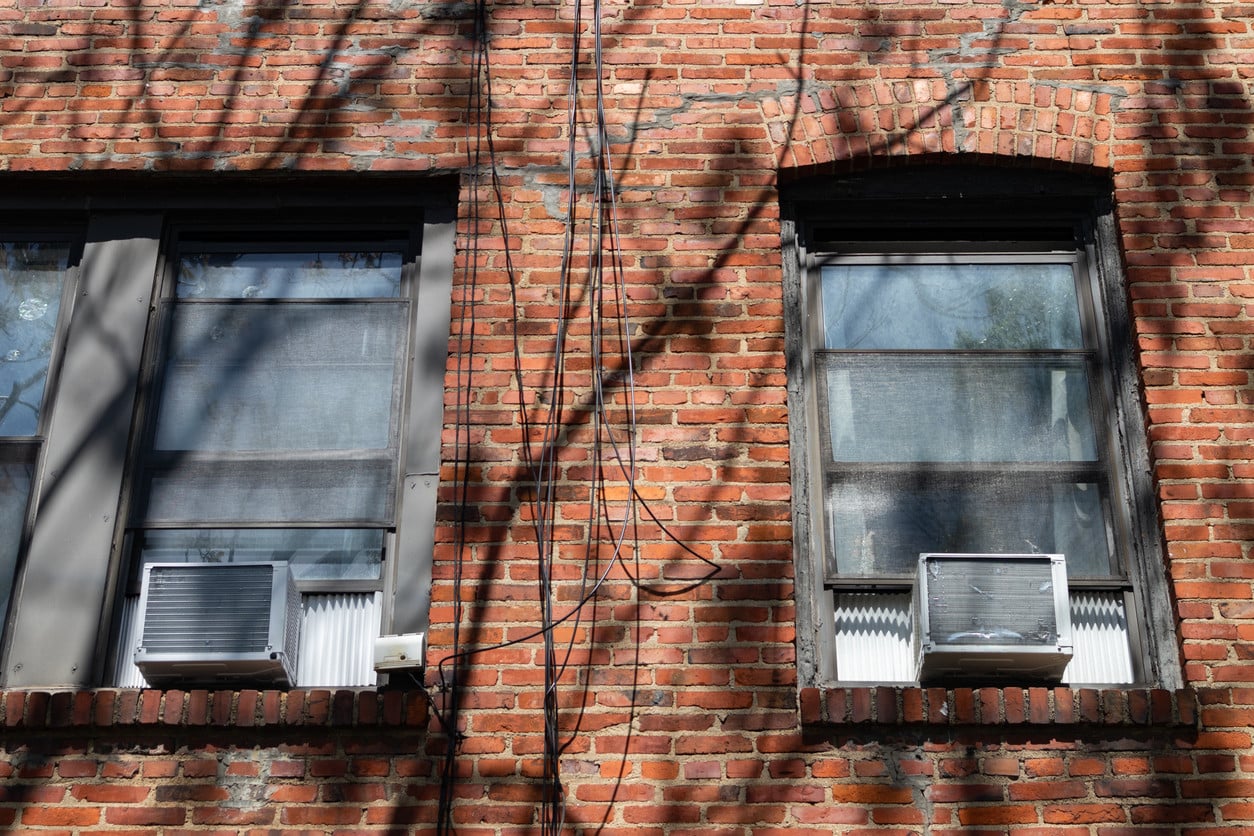
I recently moved to a new building, and the landlord informed me that if I planned to use a window air conditioner—my own unit—I would have to pay an annual fee of $120. He said it’s to cover the strain on the building’s electrical system. I pay the electric bill, so I don’t understand how this makes sense or if it’s legal.
This summer’s extreme heat has been almost unbearable for New Yorkers. Between the heat dome overtaking the city leading up to July 4th weekend to the mid-month heat wave that only subsided when smoke from Canadian wildfires blew through the city, having access to an air conditioner has been a lifeline for New York tenants. And for those who don’t have AC, cooling centers opened across all five boroughs to keep New Yorkers safe.
You’ve likely already made peace with the fact that your electricity bill is going to skyrocket this summer, even if you are planning your energy use strategically. “That doesn’t mean that you should pay this surcharge just to get your landlord off your case,” said Altagracia Pierre-Outerbridge, attorney and founder of Outerbridge Law representing residential tenants, condo owners and landlords.
Scrutinize your lease
“For most tenants in market-rate apartments, where you are paying your own electric bills, double-check the terms of your lease,” Pierre-Outerbridge said. “As long as there are no restrictions on having an AC unit outlined in the lease, a surcharge like the one you describe is illegal.”
Pierre-Outerbridge advises tenants to refer their landlord back to the lease to contest the charge. “Don’t pay the surcharge. If there’s nothing in the lease describing an additional fee for AC, insist that the charge is not permissible,” Pierre-Outerbridge said. “We know that rental leases are written to protect the landlord, so all costs should be explicitly stated. But the lease is your source of truth too; landlords can’t suddenly insist that tenants start paying a new fee that’s not mentioned in writing.”
However, if you install an AC unit, but your lease prohibits them, you may end up having to negotiate a fee with your landlord in exchange for permission to install it. “Landlords like to forbid tenants from having AC units because they can use it as leverage,” Pierre-Outerbridge said. “It’s unthinkable that anyone would be comfortable in this summer’s heat without air conditioning, and your landlord knows that. Sometimes, a landlord will agree to let it slide if you pay them a fee,” Pierre-Outerbridge said.
Her advice? “Don’t make any under-the-table deals with your landlord without a lawyer,” Pierre-Outerbridge said. If you’re feeling pressured to negotiate with your lawyer, a lawyer can help you identify other options, ones that keep you protected.
When a surcharge is legal
One instance where a surcharge like this may be legal is if the landlord pays the electricity bill on behalf of the tenant. “If electricity is included in the rent, AC use will drive up that cost significantly in the summer,” Pierre-Outerbridge said. “In that case, landlords can implement a surcharge, but the price is set by the Division of Housing and Community Renewal and reviewed on a yearly basis.”
For units installed between October 1st, 2025 and September 30th, 2026, landlords that pay for tenant electricity can charge $36.12 per month. And up until 2022, NYC permitted a $5 surcharge on air conditioning units in rent-stabilized, but that is no longer the case.
“That surcharge has been overturned,” Pierre-Outerbridge said. “I advise my clients to make sure that this clause is not still lingering in their lease. Landlords can be sloppy, and I wouldn’t be surprised if they left this surcharge in ongoing leases after the laws changed. And if this charge still appears in your lease, a lawyer can help you get the terms of your lease changed in accordance with the current laws.”
But for all tenants, rent-stabilized or not, your landlord can’t evict you for not paying air conditioning surcharges. “If you think for a second that a landlord is charging you without cause, don’t pay,” Pierre-Outerbridge said. “Stall payment and force your landlord to explain the charge. If the landlord is insistent, or the terms of the lease are unclear, a lawyer can help ensure your rights and augment the pressure on your landlord.”
Altagracia Pierre-Outerbridge, Esq. is the owner of Outerbridge Law P.C, focusing primarily on tenant representation. The firm represents all sides in landlord-tenant litigation and transactional matters such as month-to-month holdovers, nuisance cases, licensee cases, harassment claims, repair cases, tenant buyouts, succession claims, DHCR overcharges and rent reductions and more. Pierre-Outerbridge has 15 years of experience litigating in Supreme, DHCR, and Housing Court. To submit a question for this column, click here. To contact Outerbridge Law P.C. directly, call 212-364-5612 or 877-OUTERBRIDGE, or schedule a meeting today.