How do ZS screw blowers improve maintenance planning in cement plants?
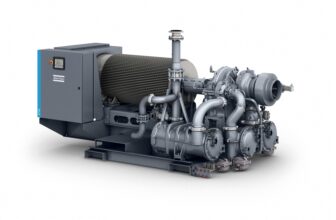
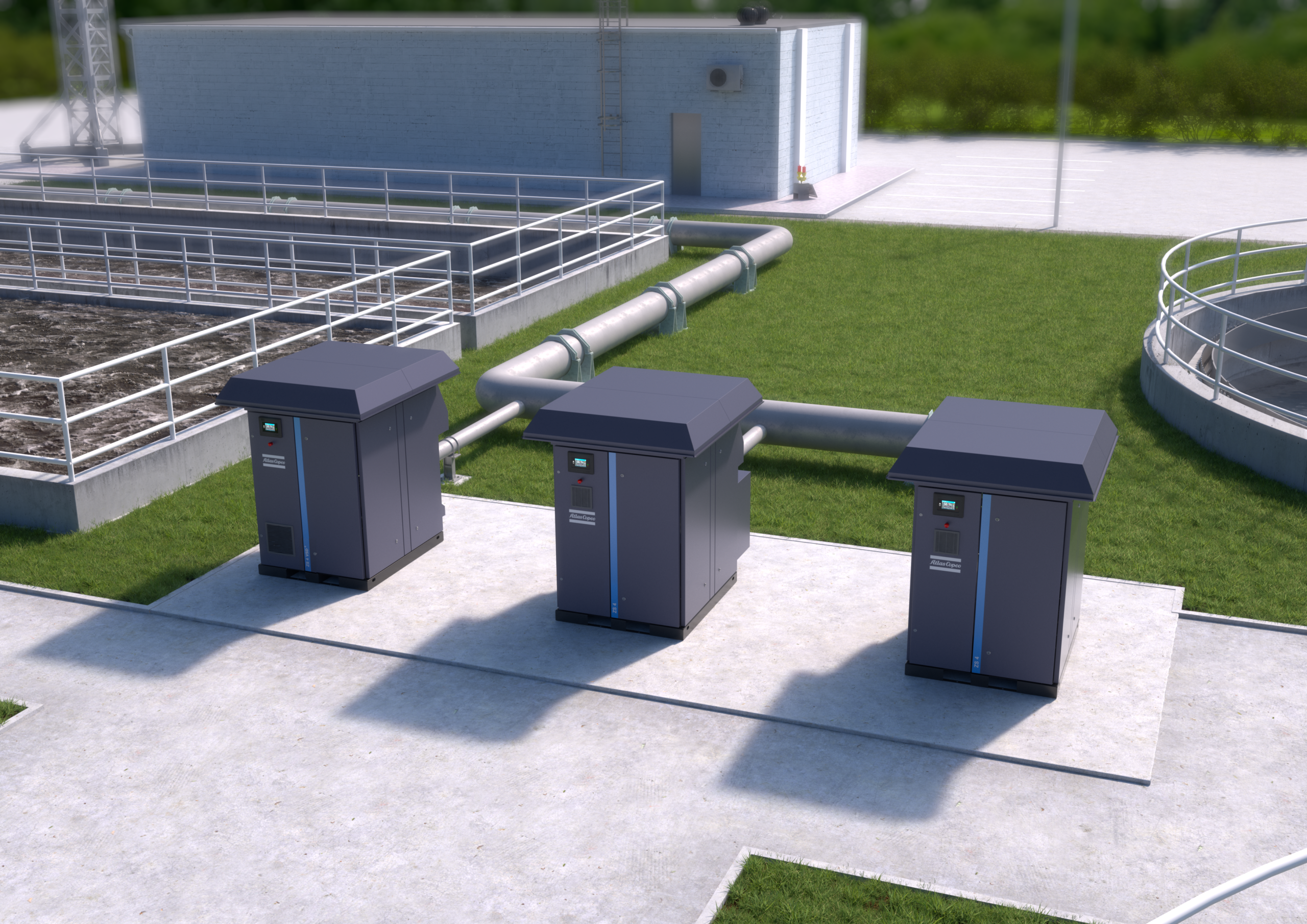
Atlas Copco ZS Screw Blower systems improve maintenance planning in cement plants by creating stable and predictable operating conditions. ZS screw blowers produce lower vibration, reduced mechanical stress, and stable operating temperatures.
These characteristics lead to predictable wear patterns and longer service intervals, allowing maintenance teams to move from emergency repairs to planned maintenance schedules.
Because cement plants operate continuously in harsh environments with dust, heat, and heavy loads, unexpected equipment failures can quickly disrupt production. By delivering smoother operation and consistent airflow, ZS screw blowers help plants reduce unplanned downtime while improving overall system reliability.
For maintenance teams, this shift toward predictable performance makes it easier to schedule service during planned shutdowns rather than reacting to unexpected breakdowns.
Why blower reliability matters in cement plant operations
Blowers are essential to many critical cement manufacturing processes. Reliable low-pressure air ensures stable operation across several applications, including:
If a blower fails or airflow becomes unstable, the impact can spread quickly through the plant. Material conveying may stop, silo aeration can become ineffective, and kiln operations may experience disruptions.
The cost of downtime in cement plants is significant. Lost production, emergency repair work, and unexpected maintenance labor can quickly escalate operating costs.
For this reason, many cement producers are focusing on technologies that support predictable equipment performance and proactive maintenance strategies. ZS screw blowers help support this approach by operating under stable conditions that reduce the likelihood of unexpected failures.
-
Stable airflow improves process reliability in cement plants
Cement production processes depend heavily on stable airflow.
Pneumatic conveying systems require consistent pressure and airflow to transport raw materials and finished cement efficiently through pipelines. Fluctuating airflow can cause blockages, inefficient transport, and operational disruptions.
For cement plants, this results in:
-
More consistent pneumatic conveying
-
Reduced risk of airflow disruptions
-
Improved process control across critical systems
From a maintenance perspective, stable operating conditions reduce unpredictable stress on equipment, helping teams forecast service needs more accurately.
-
Lower mechanical stress extends component life
Mechanical stress is one of the most common causes of unexpected blower failures.
ZS screw blowers reduce these issues by using internal compression that matches the system pressure more closely. Because the compression process is smoother, mechanical stress on internal components is significantly reduced.
Lower stress means more predictable wear patterns, allowing maintenance teams to anticipate when service will be required rather than responding to unexpected breakdowns.
-
Reduced vibration improves equipment reliability
High vibration levels can accelerate equipment wear and create reliability challenges in cement plants.
Rotating machinery operating in dusty and high-temperature environments is already under considerable strain. When vibration levels increase, the risk of alignment issues, structural fatigue, and premature component failure also increases.
ZS screw blowers operate with significantly lower vibration levels due to their smoother compression process and high efficiency direct drive.
Lower vibration provides several operational advantages:
-
Reduced stress on rotating components
-
Improved equipment alignment
-
Lower structural fatigue
-
Reduced risk of unexpected mechanical failures
For maintenance teams, stable vibration levels make it easier to identify abnormal conditions and address them before they develop into larger problems.
-
Stable operating temperatures protect critical components
Heat is another major factor influencing blower reliability and maintenance requirements.
Traditional blower technologies can generate excess heat due to inefficiencies in the compression process and lubrication methods. High temperatures can negatively affect bearings, seals, and lubrication systems.
ZS screw blowers generate less excess heat because their internal compression process is more efficient and closely aligned with system pressure requirements. The ZS is equipped with a mechanically integrated oil pump and oil nozzles that spray tuned oil flow to bearings and gears.
This results in more stable operating temperatures, which help:
-
Protect internal components
-
Maintain lubrication performance
-
Reduce thermal stress on mechanical parts
-
Maximize lifetime for bearings and gears
-
Extend equipment lifespan
In cement plants where ambient temperatures are already high, thermal stability plays a key role in maintaining predictable equipment performance.
-
Monitoring and smart controls support predictive maintenance
ZS screw blowers can be integrated with advanced monitoring systems that track key performance indicators such as:
-
Airflow rates
-
Pressure levels
-
Power consumption
-
Temperature
-
System efficiency
Access to this real-time data allows maintenance teams to detect abnormal operating conditions early.
Instead of waiting for equipment failure, operators can schedule service when performance trends indicate that maintenance may soon be required.
This proactive maintenance approach helps cement plants:
-
Prevent unexpected downtime
-
Reduce emergency repair costs
-
Optimize blower performance
-
Schedule maintenance more effectively
When combined with the stable operating characteristics of ZS screw blowers, these monitoring capabilities help create a more predictable maintenance environment.
How ZS screw blowers support predictable maintenance strategies
Maintenance strategies across the cement industry are shifting from reactive repairs to proactive and predictive maintenance.
Unplanned downtime is expensive, disruptive, and often avoidable when equipment operates under predictable conditions.
ZS screw blowers support this shift by delivering:
-
Stable airflow for consistent process performance
-
Reduced vibration and mechanical stress
-
Controlled operating temperatures
-
Predictable wear patterns
-
Compatibility with advanced monitoring systems
Together, these characteristics allow maintenance teams to schedule service activities during planned maintenance windows rather than responding to unexpected equipment failures.
For cement producers operating around the clock, this transition to predictable maintenance can significantly improve reliability, reduce operating costs, and support more stable production.
FAQ