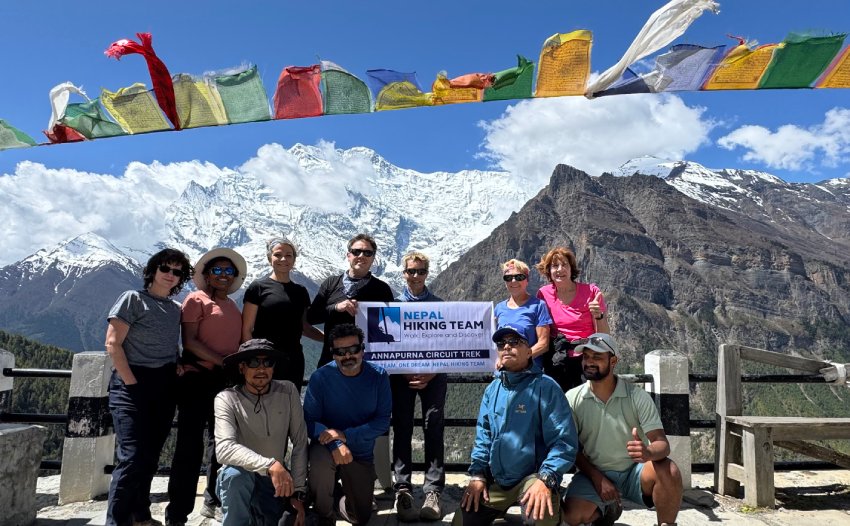
Planning your first trek in Nepal? Discover the best beginner-friendly routes, ideal seasons, safety tips, and practical advice for choosing the right Himalayan journey.
Nepal has a way of turning a walk into something unforgettable.
At first, it may feel simple: a stone path above a village, prayer flags moving in the wind, children waving from a hillside home. Then the clouds shift, and the Himalayas appear. Suddenly, the journey feels much larger than the trail beneath your feet.
For many travelers, trekking in Nepal is a dream built around Everest, Annapurna, mountain villages, and wide-open skies. The good news is that you do not need to be a mountaineer to enjoy it. Many of Nepal’s classic treks are suitable for first-time visitors, as long as the route, season, pace, and support are chosen carefully.
Some treks are short and gentle. Others reach high altitude and require more preparation. The best trek is not always the most famous one. It is the one that fits your fitness, time, comfort level, and reason for coming to Nepal.
This guide explains the best treks in Nepal for first-time visitors, with practical advice on seasons, safety, altitude, packing, and choosing the right route.
Why Nepal Works Well for First-Time Trekkers
Nepal’s trekking routes are built around local villages, mountain lodges, and long-established trails.
On most popular routes, trekkers stay in teahouses rather than tents. These are simple local lodges with bedrooms, dining areas, and fresh meals. You walk during the day, rest in the afternoon, and sleep in a village or mountain settlement at night.
This makes trekking in Nepal more accessible than many people expect. You do not need to carry camping equipment or cook your own food. With a guide and porter, the experience becomes even more comfortable.
A guide helps with permits, routes, accommodation, weather decisions, and altitude awareness. A porter carries your main duffel bag, allowing you to walk with a lighter daypack.
For first-time visitors, this support matters. The Himalayas are beautiful, but they require respect. A reliable local company such as Nepal Hiking Team can help match the right trek with your fitness, travel dates, preferred comfort, and previous hiking experience.
Everest Base Camp Trek
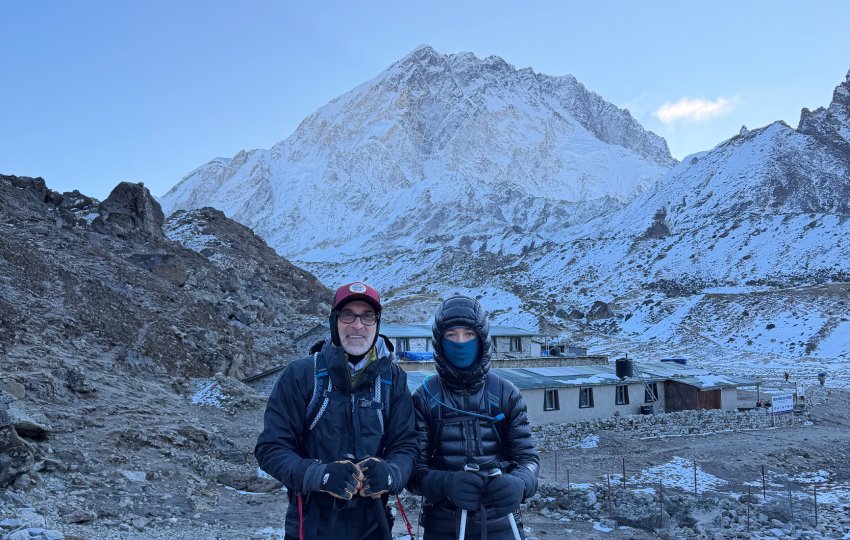
Everest Base Camp is Nepal’s most famous trek, and its reputation is well deserved.
The trail takes you into the Khumbu region, home to Sherpa culture, Buddhist monasteries, suspension bridges, glacial valleys, and some of the highest mountains on earth. The journey usually begins with a flight to Lukla, followed by a gradual walk through Phakding, Namche Bazaar, Tengboche, Dingboche, Lobuche, and Gorak Shep.
The destination is Everest Base Camp, but the trail itself is the real experience. Trekkers pass prayer wheels, mani walls, pine forests, yak pastures, and villages shaped by generations of mountain life.
For first-time visitors, Everest Base Camp is possible with proper preparation. It is not a technical climb, but it does involve high altitude and several long walking days. The key is to choose a sensible itinerary with acclimatization days.
A well-planned Everest Base Camp trek itinerary should include rest days, usually in Namche Bazaar and Dingboche. These days help the body adjust and make the journey safer.
Everest Base Camp is best for active beginners, bucket-list travelers, and those who want to experience Nepal’s most iconic Himalayan region.
Annapurna Base Camp Trek
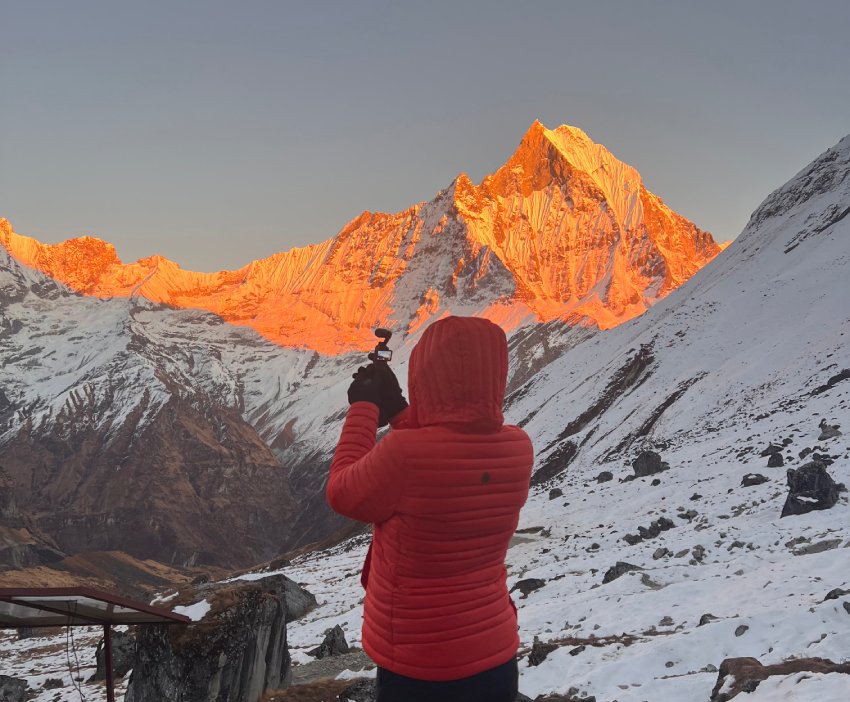
Annapurna Base Camp is one of the best treks in Nepal for first-time visitors.
The route leads into the Annapurna Sanctuary, a dramatic mountain basin surrounded by Annapurna I, Annapurna South, Hiunchuli, Machhapuchhre, and other peaks. The scenery changes beautifully along the way, from terraced fields and forest trails to river valleys and high mountain landscapes.
Compared with Everest Base Camp, Annapurna Base Camp is usually shorter and lower in altitude. It still requires steady walking, especially on stone steps and uphill sections, but many beginners find it manageable with good preparation.
Another advantage is access. The trek begins from the Pokhara region, one of Nepal’s most relaxed and scenic cities. After the trek, travelers can return to Pokhara for a comfortable rest by the lake.
Annapurna Base Camp is ideal for first-time trekkers who want close mountain views, a strong sense of achievement, and a shorter itinerary than Everest.
Langtang Valley Trek
default
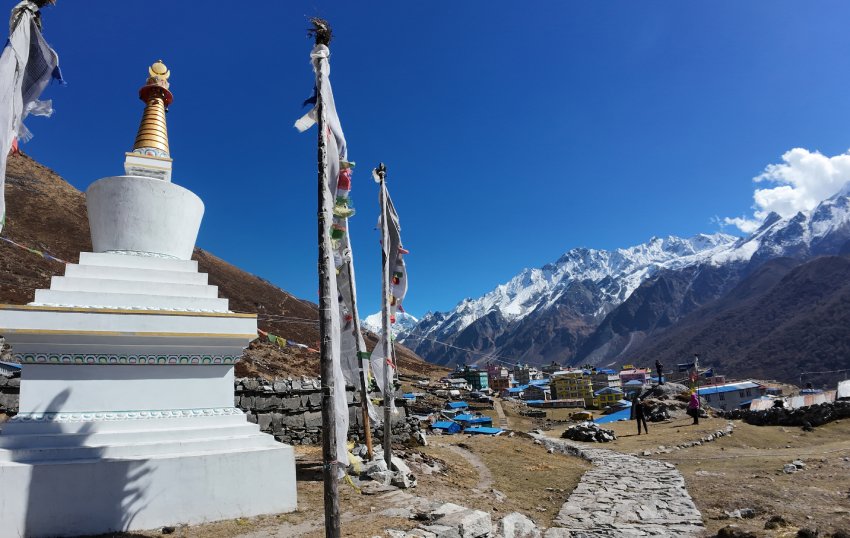
Langtang Valley is a quieter and deeply rewarding trek close to Kathmandu.
The region offers forests, rivers, yak pastures, Tamang villages, Buddhist culture, and impressive mountain views. Unlike Everest or Annapurna, Langtang does not require a domestic flight. The trek usually begins with a drive to Syabrubesi, followed by a gradual walk into the valley.
The trail passes through forests and settlements before reaching Langtang Village and Kyanjin Gompa. From Kyanjin Gompa, trekkers can enjoy optional hikes to viewpoints such as Kyanjin Ri or Tserko Ri, depending on weather and fitness.
Langtang feels more intimate than some of Nepal’s busier routes. The villages are welcoming, the mountains feel close, and the cultural experience is strong.
This trek is best for travelers with around 8 to 10 days who want a quieter Himalayan journey without committing to a long high-altitude route.
Ghorepani Poon Hill Trek
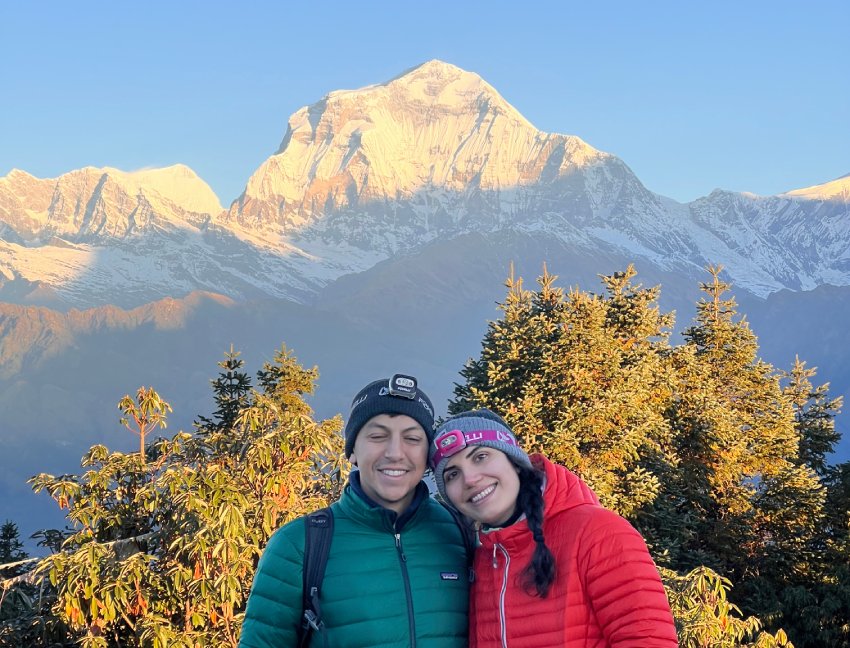
Ghorepani Poon Hill is one of Nepal’s best short treks for beginners.
The route passes through villages, terraced farms, and rhododendron forests before reaching Poon Hill, a famous sunrise viewpoint. From the top, trekkers can see a wide Himalayan panorama, including Annapurna, Dhaulagiri, Machhapuchhre, and Nilgiri.
This trek stays at a moderate altitude, making it more comfortable for families, beginners, and travelers with limited time. It still includes uphill and downhill walking, especially on stone steps, but the shorter duration makes it a gentle introduction to trekking in Nepal.
Poon Hill is especially beautiful in spring, when rhododendron forests bloom across the hillsides. In autumn, clear skies often bring crisp mountain views.
For travelers who want mountain scenery without a long or demanding trek, Ghorepani Poon Hill is a strong choice.
Annapurna Circuit Trek
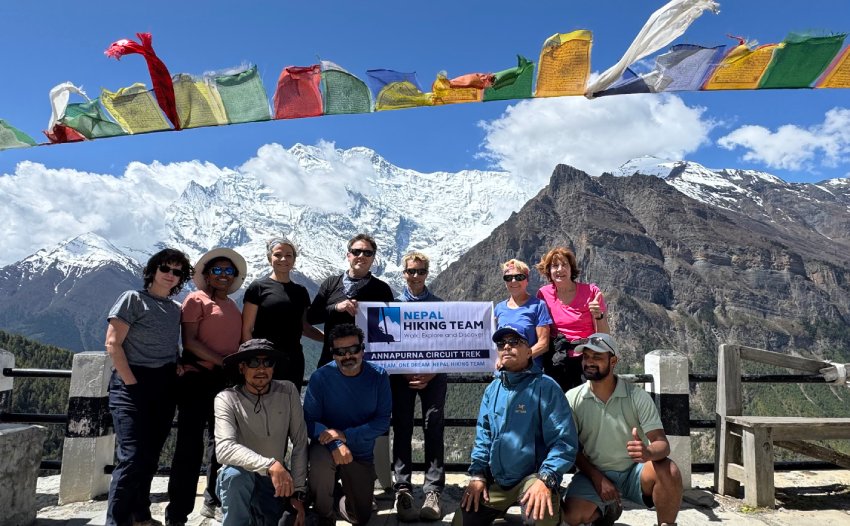
The Annapurna Circuit is one of Nepal’s great classic routes.
The trek moves through a wide range of landscapes, from green valleys and farming villages to dry highland terrain near Manang and Mustang. Its biggest challenge is Thorong La Pass, one of the highest trekking passes in Nepal.
For first-time visitors, the Annapurna Circuit can be suitable if they are active, well prepared, and have enough time. It is longer and more demanding than routes such as Poon Hill or Langtang, but it offers remarkable variety.
Trekkers experience Hindu villages, Buddhist settlements, pine forests, high valleys, mountain passes, and views of Annapurna, Dhaulagiri, Manaslu, and other peaks.
Road development has changed parts of the classic route, so careful planning is important. Choosing scenic walking sections and allowing enough acclimatization time improves the overall experience.
This trek is best for fit first-time trekkers who want a longer journey with changing landscapes and cultural variety.
Best Time to Trek in Nepal
Nepal has two main trekking seasons: spring and autumn.
Spring runs from March to May. The weather is warmer, days are longer, and rhododendrons bloom across many forested hillsides. This is a beautiful season for Everest, Annapurna, Langtang, and many other trekking routes.
Autumn runs from late September to November. It is the most popular trekking season in Nepal. The weather is usually stable, the skies are clearer, and mountain views are excellent. It is also a festive time, with major cultural celebrations taking place across the country.
Winter, from December to February, can be quiet and clear, but it is colder at higher elevations. Some treks remain possible with proper clothing and guidance.
The monsoon season, from June to August, brings rain, clouds, slippery trails, and leeches in many regions. For most first-time visitors, spring and autumn are the best choices.
Safety and Altitude Tips
Altitude is one of the most important things to understand before trekking in Nepal.
As you climb higher, the air becomes thinner and your body needs time to adjust. Even fit travelers can feel the effects of altitude. Headache, poor sleep, dizziness, loss of appetite, or unusual tiredness should never be ignored.
Good itineraries include gradual ascent and acclimatization days where needed. These rest days are not wasted time. They help your body adapt and improve your chance of enjoying the higher sections safely.
Walking slowly is also important. Trekking in Nepal is not a race. A steady pace, enough water, proper meals, and honest communication with your guide all help reduce risk.
Travel insurance is strongly recommended for high-altitude treks. It should cover trekking at your planned elevation and emergency evacuation if required.
Weather can also change quickly in the mountains. Always carry a warm layer, rain protection, sun protection, water, snacks, and personal medicine in your daypack.
What to Pack for a First Trek in Nepal
Good packing makes the trek more comfortable.
Bring layered clothing rather than one heavy outfit. A base layer, fleece or warm mid-layer, insulated jacket, waterproof outer layer, trekking trousers, gloves, warm hat, sun hat, sunglasses, and comfortable hiking boots are important.
A sleeping bag and down jacket may be required for higher treks. Some trekking companies provide these, so check before buying expensive gear.
Your daypack should carry water, snacks, sunscreen, lip balm, a camera, valuables, personal medicine, rain protection, and an extra warm layer. Your main duffel bag is usually carried by a porter.
Avoid overpacking. Heavy luggage makes the trek harder and creates unnecessary strain. At the same time, do not remove essential warm clothing, especially for Everest, Annapurna Base Camp, Langtang, or Annapurna Circuit routes.
Comfortable boots matter more than stylish gear. Break them in before your trek.
Final Thoughts
A first trek in Nepal does not need to be extreme to be unforgettable.
It may be the sunrise from Poon Hill, the quiet trail above Langtang, the stone steps into the Annapurna Sanctuary, or the first clear view of Everest from the Khumbu. The best trek is not always the hardest one. It is the one that matches your body, your time, and your reason for visiting.
With the right route, season, preparation, and local support, Nepal offers one of the world’s most meaningful adventure travel experiences.
For first-time trekkers, the Himalayas are not only a destination. They are an invitation to slow down, look closely, and discover how far one trail can take you.