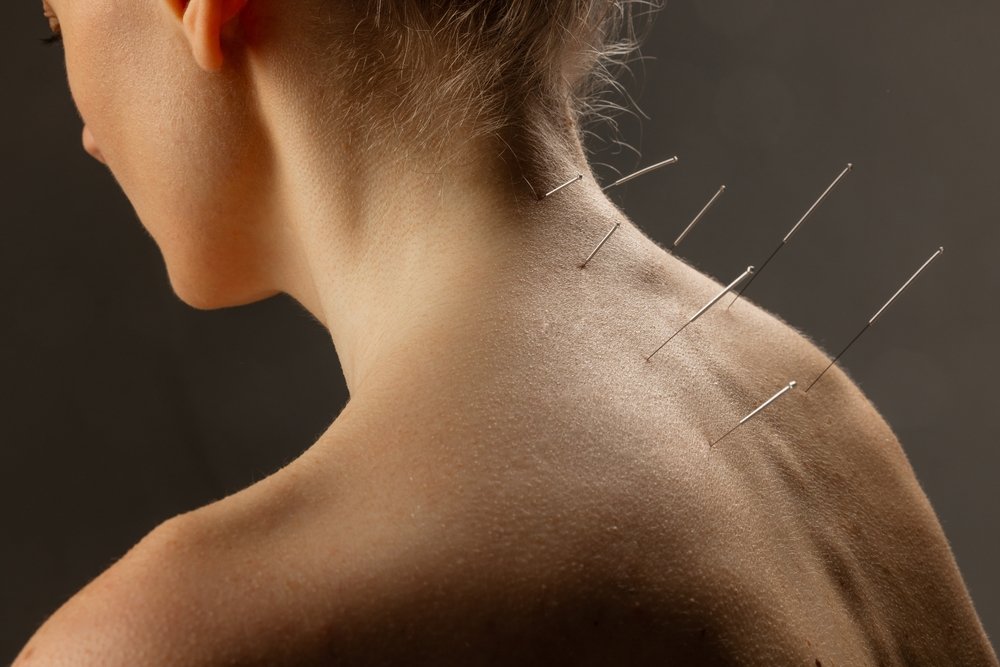


Chronic pain and immobility are unfortunately a common part of the human experience. Chronic migraines, injuries, or even just some muscle stiffness can all negatively affect daily life. Thankfully, there are solutions to manage this discomfort. If your muscles feel perpetually locked, weak, or trapped in pain, it’s a good idea to try dry needling.
Dry needling is a practice primarily administered by licensed physical therapists, causing muscles to directly reset. It is highly effective for almost any condition involving neuromuscular function, such as headaches, joint pain, and more. By inserting ultra-thin needles directly into affected muscle tissue and trigger points, it produces a rapid reset that relaxes overactive muscles, awakens underactive muscles, and promotes healing.
Benefits of dry needling
Dry needling has several benefits. It reduces chronic pain conditions such as back pain, neck pain, and headaches as well as alleviates acute pain from injuries or overuse.
Dry needling enhances range of motion by reducing muscle tightness, allowing for greater flexibility, movement and comfort. It also accelerates the healing process for muscles that are injured or overworked. It reduces muscle-related tension and stress, enhances athletic performance, and helps prevent future injuries.
Conditions that can be treated with dry needling include chronic pain, sciatica, migraine, shoulder pain and rotator cuff issues, tennis and golfer’s elbow, plantar fasciitis, muscle strains and sports injuries.
How dry needling works
Dry needling is similar to acupuncture. It uses the same type of ultra-thin needles; however, it’s grounded in modern Western medicine. A practitioner evaluates specific muscular dysfunctions and anatomical trigger points, whereas acupuncture focuses on balancing the flow of energy along designated pathways throughout the body, rather than evaluating localized physical muscle tissue.
When a needle enters an underactive or overactive muscle, it stimulates nerve endings that send an immediate signal back to the brain. Think of it as being similar to a teacher slapping a desk in a classroom. Whether a student is yelling and running around (an overactive, tight muscle) or fast asleep (an underactive, dormant muscle), that sudden noise interrupts the behavior and resets focus. The needle creates a similar wake-up call for your muscles.
During the session, an evaluation will be conducted to identify the specific muscles causing pain or movement restriction. A thin needle, a quarter of the size of a Novocain needle, is gently inserted into the muscle. Patients barely feel the needle going in, experiencing a mild pinch at most.
As the needle hits the area, the physical therapist will feel for a brief muscle twitch. This is sometimes mildly felt by the patient, but not painful. The needles are left in place for a short, few-minute period before being removed.
Side effects, safety, and recovery
For most people, recovery feels like you experienced an intense deep tissue massage; therefore, it’s normal to feel mild muscle soreness after treatment. Make sure to stay well-hydrated post-session to help aid muscle recovery.
If dry needling is performed around the head, neck, or upper shoulders, the angle at which your head is used to resting can slightly change. This shift can temporarily cause lightheadedness, an off-balance feeling, or mild nausea. This goes away as your body readjusts.
Because the needles used are so thin, there’s no risk of puncturing an artery or a vein. However, there are a few concerns if you have needles inserted around the lungs or neck. If the needle is inserted too close to the thorax, it can cause a collapsed lung. Therefore, it’s critical that you only receive this treatment from a licensed physical therapist with experience administering dry needling.
When it comes to this procedure, nicking standard blood vessels is rarely dangerous. However, individuals taking blood thinners, those who bruise easily, and elderly individuals with fragile skin integrity should proceed cautiously.
While the idea of needles can sound intimidating at first, dry needling is a pain-free, effective tool great for hitting the reset button on muscular pain. It offers a fast track back to comfort. If chronic stiffness, headaches, or lingering injuries are preventing you from feeling your best, consult a certified, experienced physical therapist to see if dry needling can help.

Related