Sparrow, Always – Judy Bradbury

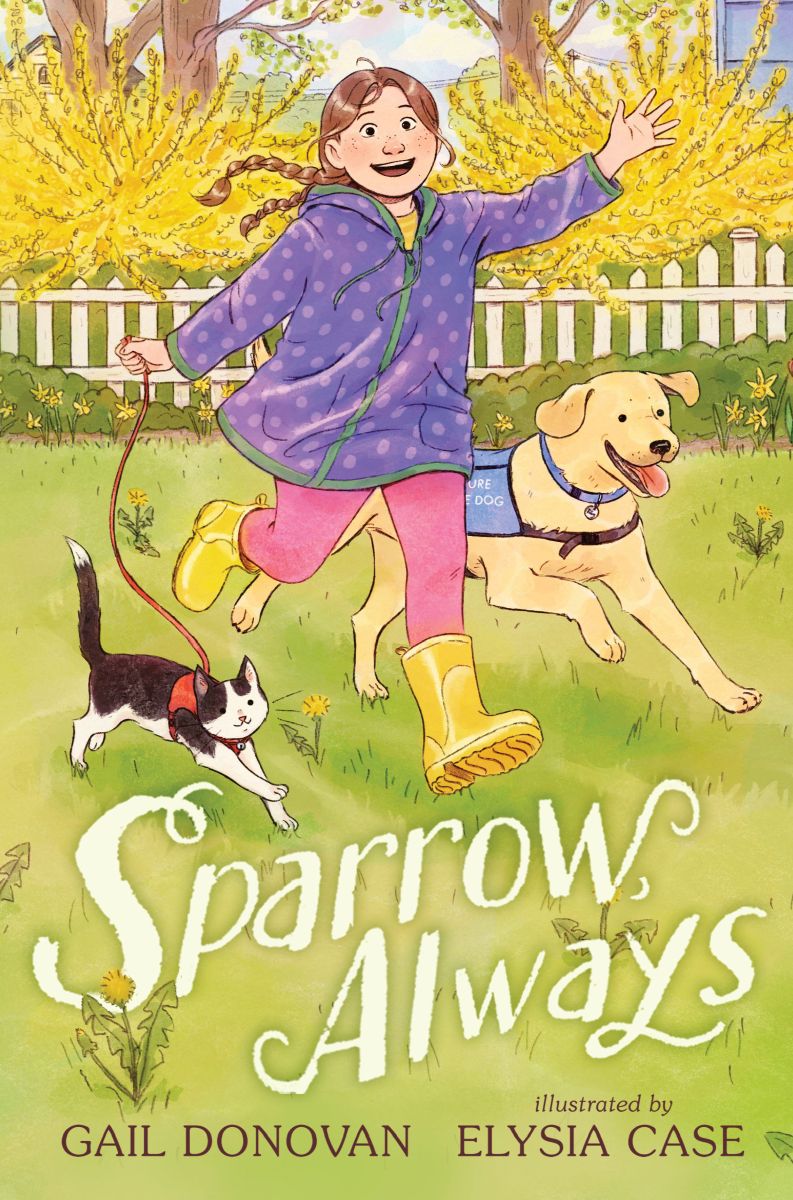
It is my pleasure to introduce you to Gail and her heartwarming series about Sparrow. I received a review copy of the third book in the series and when I read it I was captivated by the authentic character she has created, the well-crafted writing, and the positive themes. I choked up at the end of the story, and I bet you will, too.
Judy Bradbury: Tell us about this series: What seeded its creation? How did you conceive of the theme/focus of the Sparrow books? How did you land on the theme for each book?
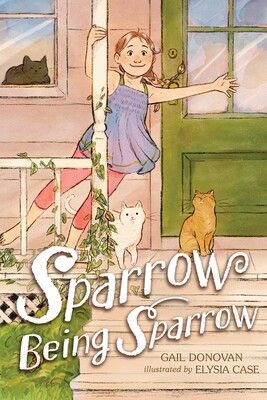
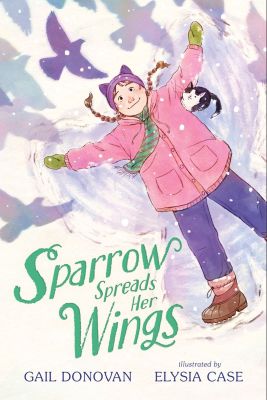
Gail Donovan: The series came about after a round of rejections for the first book— at that time, the only book— Sparrow Being Sparrow. My agent said, “I really think we could place this if I could pitch it as a series. Why don’t you come up with a couple more ideas for the character?” That was scary for me. I wasn’t sure if I could do it. But I was determined to find a home for Sparrow, an intense, passionate kid who cares deeply about animals. Since the original story revolved around Sparrow’s quest to care for her neighbor’s seven cats after the neighbor is injured, I realized that subsequent books could each revolve around a different animal story. I worked up ideas for two more books: Sparrow Spreads Her Wings, in which Sparrow discovers an injured bird during a winter storm; and Sparrow, Always, in which Sparrow desperately wants to help a new neighbor who is raising a puppy to be a future guide dog. My agent sent the manuscript around again with the pitch that it could be a series, and it worked!
JB: Tell us about how you decided on the traits Sparrow possesses, her passions, and the personal challenges she faces.
When I am going to begin something new, I always ask myself, who is the character whose story needs to be told— by me? I was on the lookout for a new character, wondering who they would be, when I was asked to visit a library’s Smart Girls Read book club. Later I wrote in my journal, “The girls were fabulous. We sat for 45 minutes as they ate pie and ice cream and we chatted about books and writing. I had a feeling of wanting to write a book for them— those particular eager, interested, curious girls.”
So that was the first thing I knew about who my new character would be. She’d be a girl. Obviously, that wasn’t enough! I kept waiting for something more specific to come to me.
One evening I lay in bed, falling asleep, thinking about the new character. The girl. At some point in the night I woke up with the words in my mind: TOO MUCH. She could be a girl who feels things too much, gets too excited. I thought, that could be it— her characteristic, and drifted back to sleep. Sometime later, I woke up again. Where was I? Oh, yes— too much. Rambunctious, perhaps. Okay, yes, back to sleep.
I woke again and again with the same thoughts. My brain was telling me: don’t forget. After the third or fourth time, I realized that my brain was not going to let me rest, so I got out of bed. The awkward thing was, the weather was hot and I had been sleeping without anything on. So there I was at two in the morning, stark naked, scribbling down the words so I wouldn’t forget: Too much. Too excited. Runs. Rambunctious. What might happen?
I love this story of the genesis of Sparrow’s character, because it feels like a gift that was given to me. And when you have a character who “feels things too much,” you know she will butt up against how the world wants her to behave. You know you have a story.
JB: Tell us about a challenge you faced in the creation of Sparrow, Always, or provide a memorable (or humorous!) anecdote related to the writing of the book.
GD: An early reader of the first Sparrow manuscript asked, “Did you mean for her to be autistic?” I was so surprised! I hadn’t had that in mind at all; I was simply trying to write about this particular, passionate kid. However, I could see what the questioner meant. Sparrow has many traits that would fit a diagnosis of being on the autism spectrum.
The question— to name, or not to name? — became a big challenge that my editor and I wrestled with in all three books. I acknowledged that if I described Sparrow as being on the autism spectrum, kids with the same diagnosis might feel hugely seen and validated. But I knew that words can also be limiting; if a kid didn’t identify with that label, maybe they wouldn’t feel seen. In the end, I wanted it to be a story for any kid who struggles with feeling misunderstood, so I decided not to point directly to the word autism as I told Sparrow’s story.
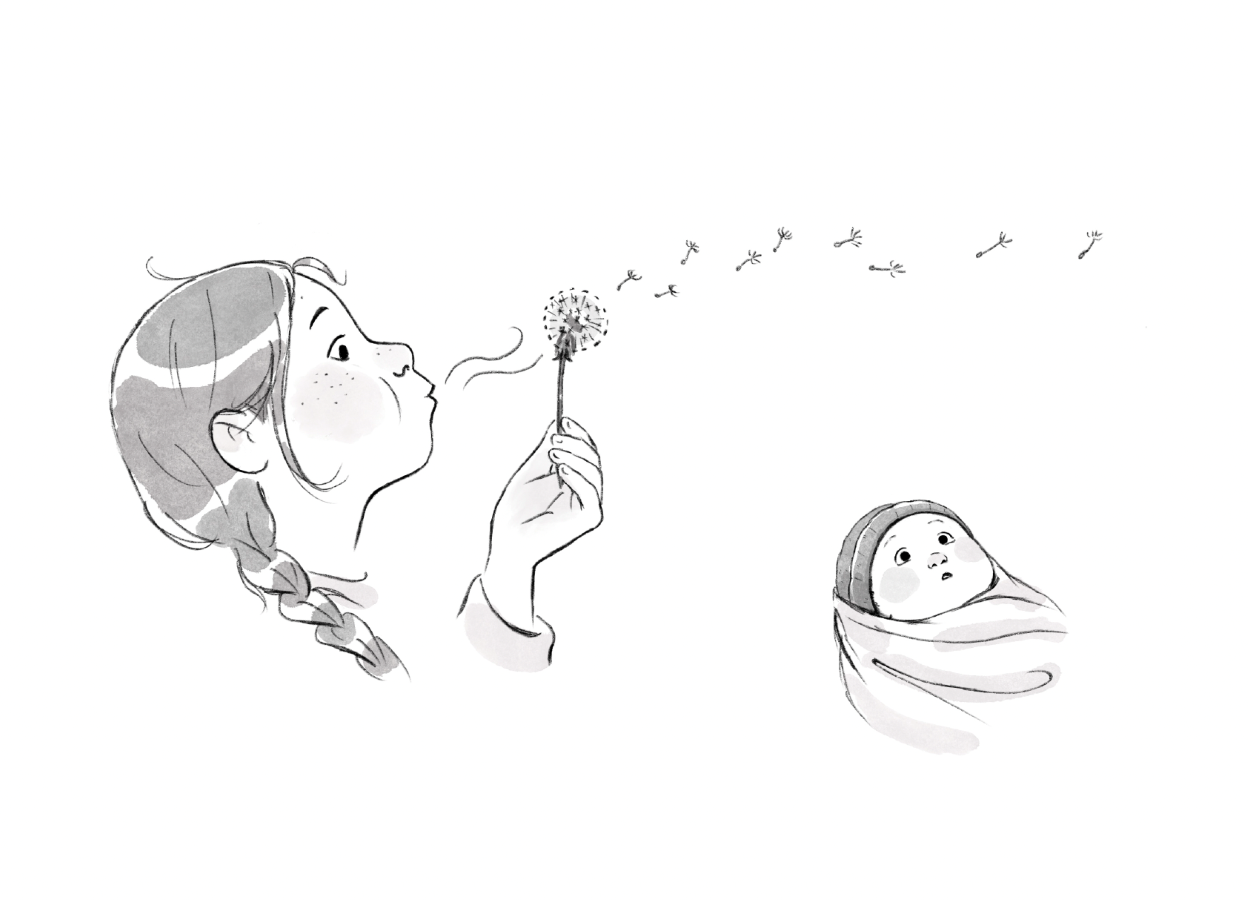
Illustration © Elysia Case
JB: What is one unexpected joy that came from the creation of Sparrow, Always?
A little girl from Indiana named Isabelle had sent me a letter saying how much she loved Sparrow Being Sparrow, and we continued to correspond. She sent me a drawing, and I was able to send her a “sneak peek” of the interior art of Sparrow Spreads Her Wings before it came out. Right around this time I was wrapping up edits on Sparrow, Always. There’s a scene in the book where happy birthday wishes are being read aloud during school announcements, and I included Isabelle’s name. It was a joy to imagine her reading the book and coming across her name.
JB: What would surprise readers to learn about you or about the writing of Sparrow, Always?
GD: People often assume that an author can relate to a character because they are similar. But while Sparrow is an intense, passionate kid whose feelings can land her in trouble, I was a more quiet, bookish kid who didn’t go “out of bounds” very much.
JB: Who do you perceive your target audience to be and why?
GD: I think this book is great for five-to-seven-year-olds who love being read to, or seven-to-ten-year-olds making the leap into reading on their own.
JB: What do you hope young middle grade readers will take away from Sparrow, Always?
GD: I hope kids will take away and keep with them the sense of what Sparrow experiences in Sparrow, Always: what it feels like to go from feeling misunderstood to feeling understood, and then from understood to accepted, and finally from accepted to cherished.
JB: If you could ask your young audience a question, what would it be?
GD: Now that my own kids are grown, I don’t have easy access to stories from school, so I’d probably sneak in a question that would help me with writing classroom scenes, such as, “What assignment did your teacher give that you didn’t like doing, and why?”
JB: What project(s) are you currently working on?
GD: I’m currently working on a novel about a boy who daydreams all the time.
JB: What is one question you wish I had asked, and what is your answer?
GD: What is your favorite scenario for reading? To which I’d say, sitting in the zero-gravity chair on my patio in September when the weather is perfect, and rereading an old favorite, like Little Women.
Let me thank you again for this opportunity. What a tremendous labor of love you have created, and I’m honored to be on it.
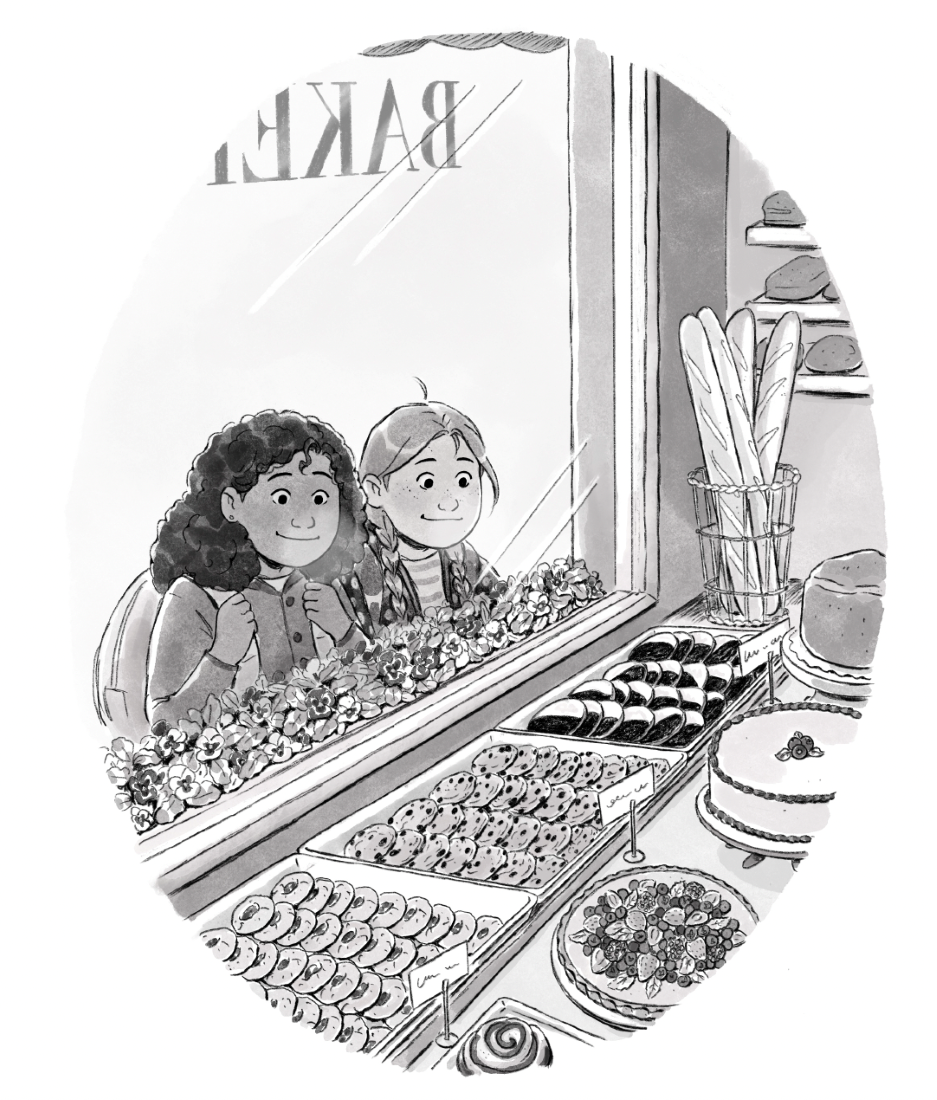
Illustration © Elysia Case