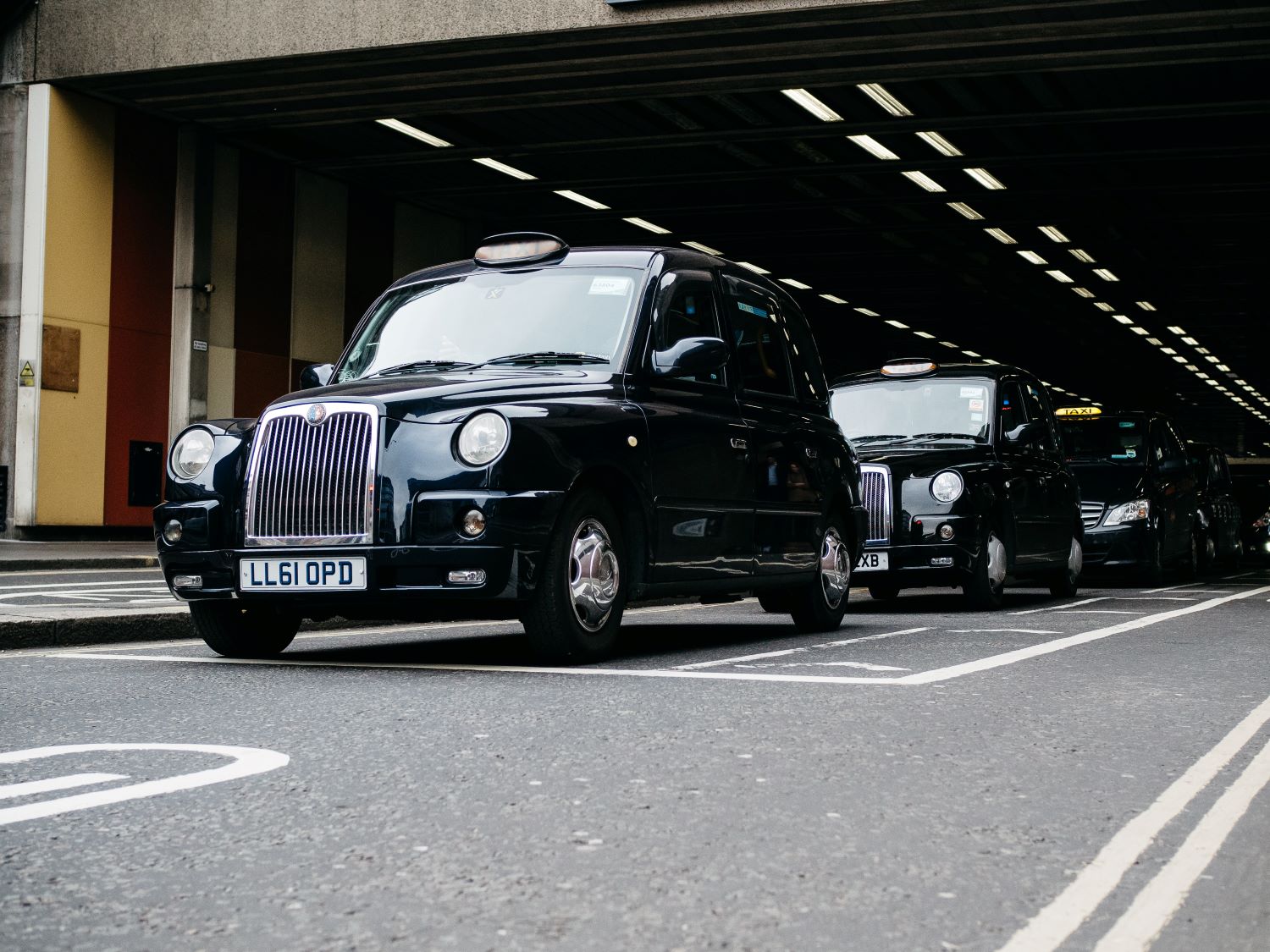
The iconic black cab is recognised around the world as the staple design of London taxis and an undoubted part of British culture. But have you ever considered using one as a private car? This article explores why using a decommissioned taxi is a great choice and what steps you must take to secure one of your own.
Black cabs as we know them today have been a permanent feature of our cities and towns for well over half a century, when the FX4 superseded the antiquated Austin FX3.
Since then, the shape remained unchanged until the revamped TX1 appeared on our streets in 1997 – and even then the design was merely updated rather than ripped apart.
Black cabs – which also come in other colours, such as red! – can carry five passengers in comfort (six if you add a front passenger seat, which is possible), and have that turn-on-a-sixpence capability (actually 25ft) that’s a boon in congested school car parks.
Can I buy a taxi for personal use?
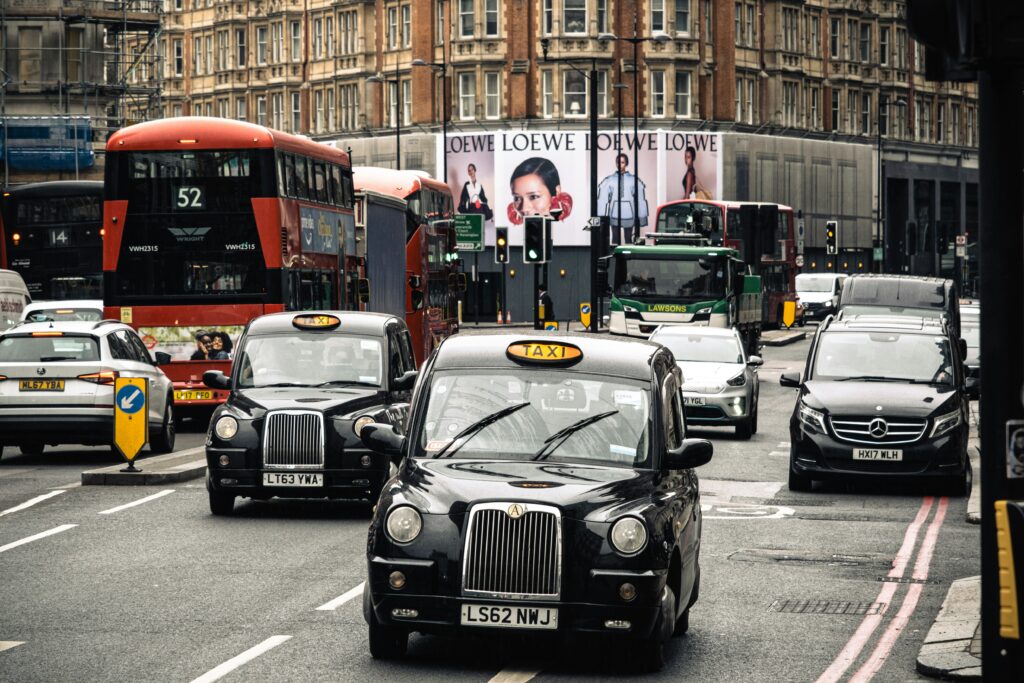
Yes, you can buy a London taxi and keep it as a personal vehicle. However, you should ensure that you aren’t misleading people into thinking the black cab is for hire – to do so, make sure the cab is modified so it’s fit for private use.
How to modify the taxi so it’s fit for private use
If you’re using your black cab only for personal use, you should remove any signage indicating that it is available for hire. As tempting as it may be to turn on a ‘For hire’ sign only to drive away as someone attempts to get in, it’s misleading and could get you in trouble.
You may prefer to remove any no-smoking signs or similar from the inside of your vehicle, but it’s up to you. If you have any chain-smoking friends or family, you might like to keep the reminder!
How much does a black cab cost to buy?
An iconic London taxi can be bought for anywhere between £1,000 and £20,000.
As the cost of a black cab can vary so much, it helps to look beyond the headline price. Age, mileage, engine capacity, model, condition, service history, emissions status and whether the vehicle is being sold privately or through a specialist dealer can all make a difference.
As a guide, used listings online show older TX4 models at the lower end of the scale, while later examples and newer electric or range-extender taxis can cost significantly more.
| Budget | What you may find |
|---|---|
| £1,000–£2,000 | Older, high-mileage or project vehicles that may need work |
| £3,000–£7,500 | More realistic used options, often older TX4 models |
| £10,000–£20,000 | Cleaner, later or better-maintained examples |
| £20,000+ | Newer electric, range-extender or specialist taxi models, often costing much more than older diesel cabs |
What to expect from a £1,000 to £2,000 black cab
At this end of the market, expect to be cautious. You may see older TX4s, very high-mileage vehicles, cosmetic wear, patchy history or black cabs being sold as projects, spares or repairs. A low price can look tempting, but it may need mechanical work, body repairs or preparation before it is sensible to use as a private car.
What to expect from a £3,000 to £7,500 black cab
This is often a more realistic range for buyers looking for a running used black cab. You may find older TX4 models with a current MOT and more usable condition, but checks are still important. Look closely at mileage, service records, brakes, tyres, suspension, ramps, doors and the general interior condition.
What to expect from a £10,000 to £20,000 black cab
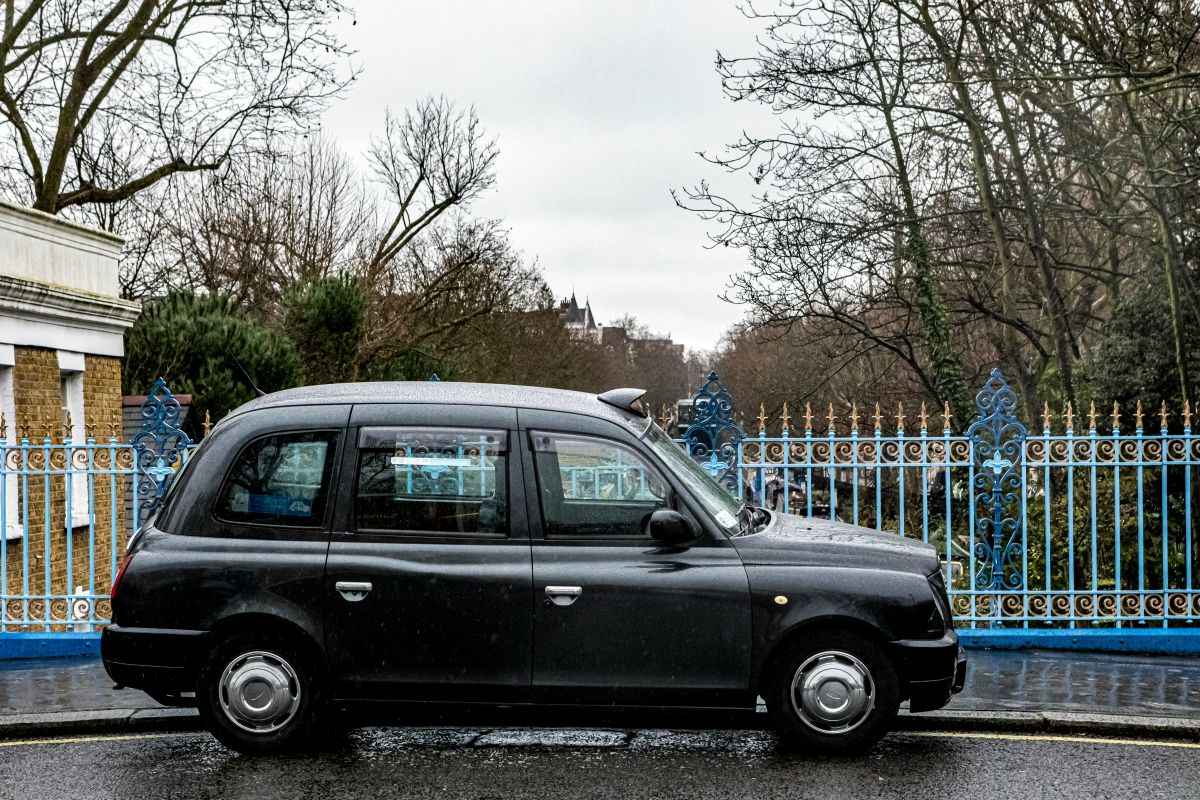
At the higher end, you should expect a cleaner, later or better-maintained vehicle. Some may come from specialist dealers, have clearer history, lower wear, better presentation or already be better suited to private ownership. Even then, you should still check the paperwork, MOT history and insurance options before buying.
What about newer electric black cabs?
Newer electric or range-extender black cabs, such as LEVC TX models, usually cost much more than older diesel examples. They may be better suited to emissions zones and modern driving, but they are not usually the cheap private-car option many buyers first picture.
Where can I buy a used black cab?
You’ll find ex-taxis everywhere from specialist dealers and online classifieds to car auctions and private driveways. Where you buy comes down to how much work you’re willing to put in – and how much risk you want to take on.
Our advice? If you want to avoid an expensive headache, stick to a reputable specialist dealer.
Specialist taxi dealers
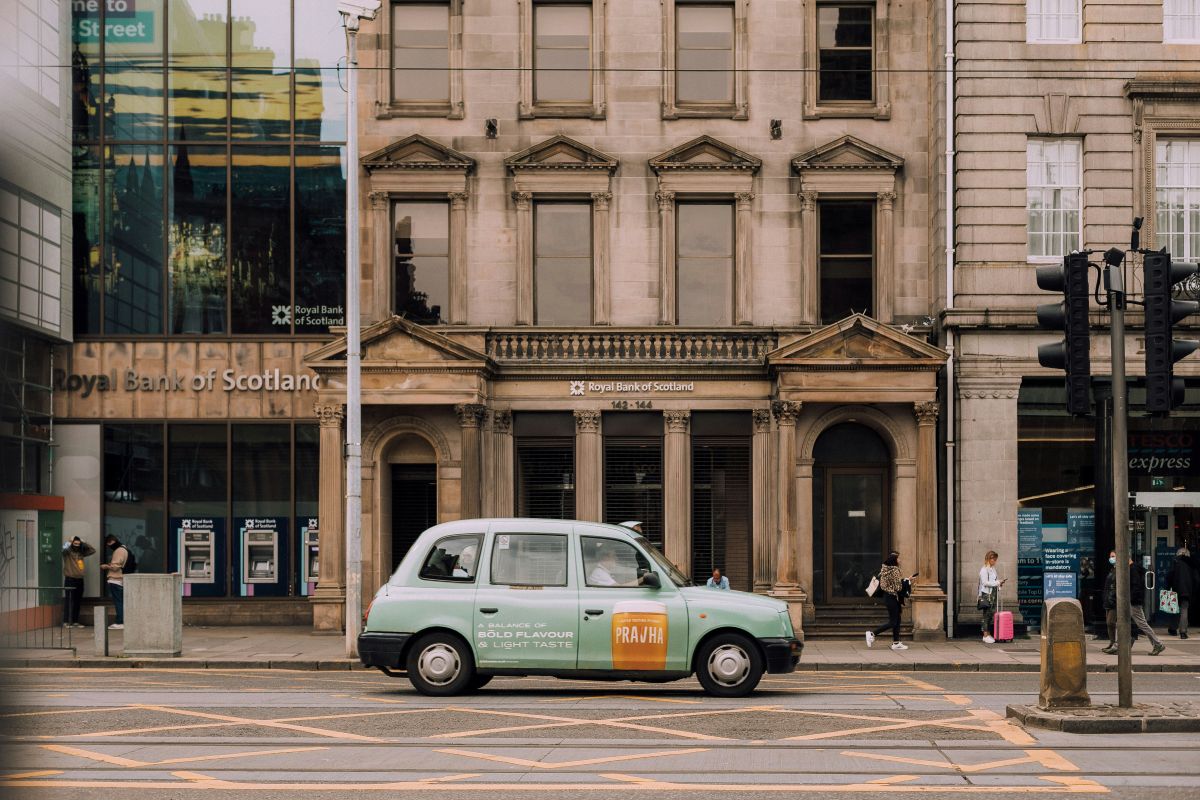
If you want to minimise stress, go to a specialist taxi dealer. They deal with these vehicles day in, day out, often buying directly from fleet operators in bulk. This means they can pass on genuine savings, provide actual context on the cab’s work history, and guarantee that accessibility ramps and doors actually work.
Crucially, a good specialist will have already done the legwork of decommissioning the vehicle for private road use, saving you the administrative and mechanical hassle.
Auctions and private sellers
Scouring classifieds or auction sites will turn up some of the cheapest cabs on the market, but you need your wits about you. A bargain upfront can quickly become a money pit if the cab needs extensive mechanical work, fresh rubber, brake overhauls or ramp repairs.
If you’re buying privately, look for listings with comprehensive vehicle details online – never trust a listing with just a mobile number and three blurry photos. Always get a mechanic to inspect the cab before handing over any money.
Ex-taxis rarely come with full service histories, and dishonest private sellers may exploit this by swapping out good parts or trying to offload scrap-worthy bangers on unsuspecting buyers.
What should you check before buying an ex-taxi?
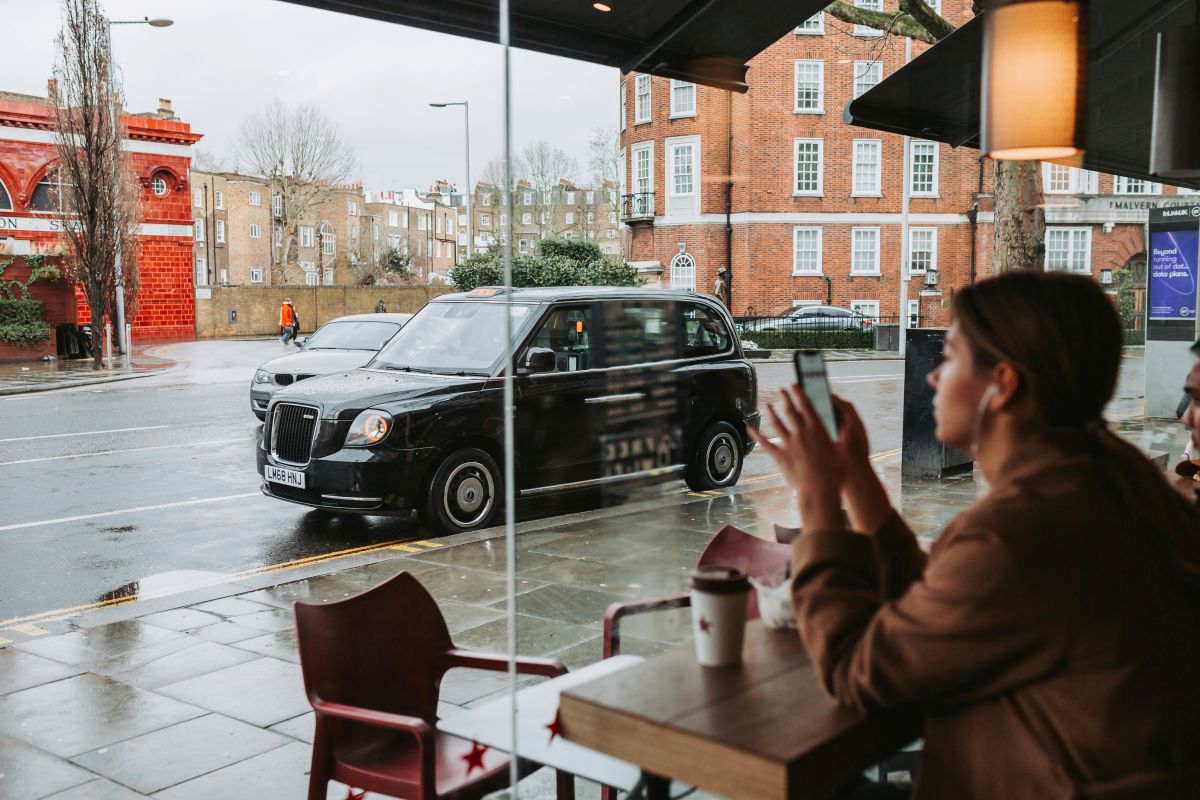
Ex-taxis are hardy vehicles, but they spend their working lives idling in traffic and stopping constantly. Don’t rely on price alone – a cheap cab can quickly become a money pit if you miss these checks:
Prioritise service history over mileage
Black cabs are built for hard use, so high mileage isn’t usually a dealbreaker for these types of vehicles. What matters more is how well the vehicle has been maintained. Before buying, look for regular servicing records and check the vehicle’s online MOT history. If there were recurring warnings about worn brakes, corroded pipes or loose suspension and these weren’t fixed, this could be a sign that previous owners ignored basic maintenance.
Wheelchair ramp, doors and interior condition
Many private buyers look at black cabs because they are spacious and accessible. If that’s part of the appeal, check the wheelchair ramp hinges, doors, locks, handles, seats and seatbelts carefully as these features would have been used daily and might be worn or not working properly.
Look for heavy interior wear, broken trim, water leaks and signs that equipment has been removed poorly.
ULEZ, clean air zones and running costs
Older diesel cabs (especially pre-2015 TX4s) aren’t Euro 6 compliant. If you live in or near a clean air zone, it’s worth checking whether the vehicle is compliant first. If it isn’t, you’ll be expected to pay daily charges.
Licence, MOT and legal rules for private black cab owners
Owning a black cab privately is straightforward, but you need to know where the legal line is drawn between a private car and a working taxi.
Driving licence requirements
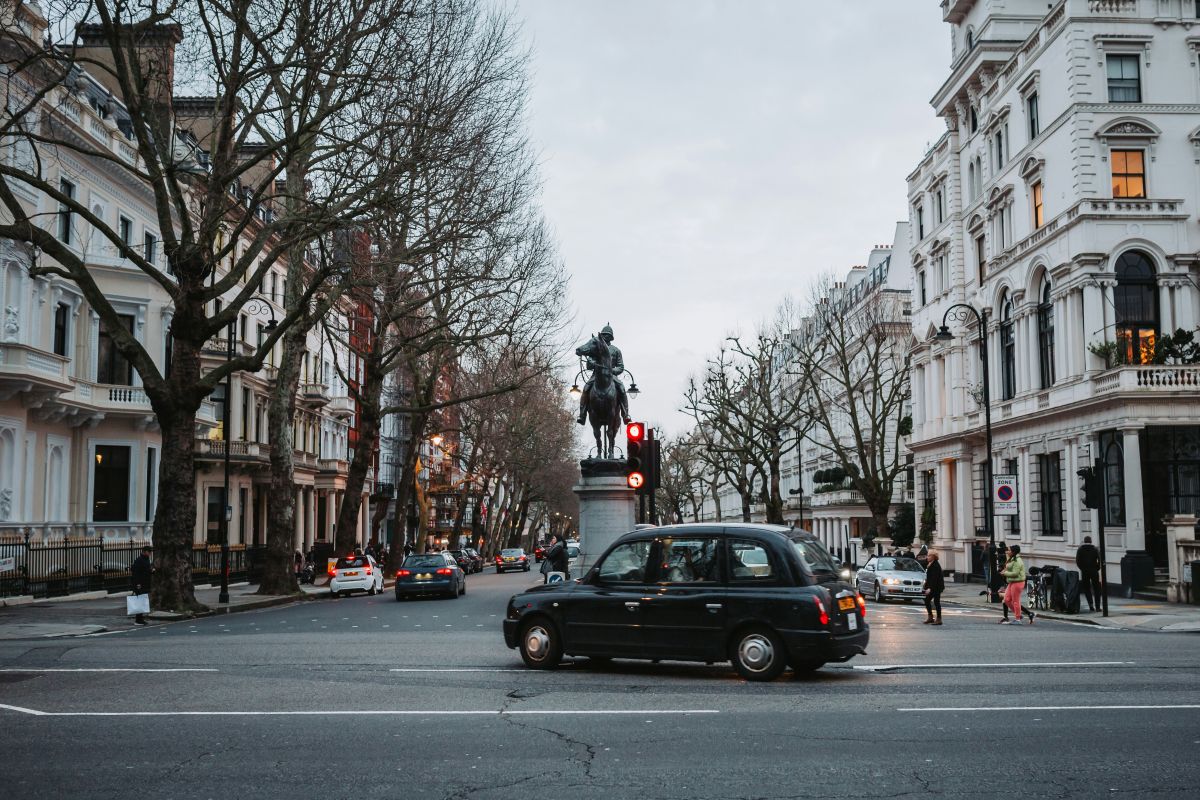
A standard Category B driving licence is all you need to drive a decommissioned cab for personal use. You don’t need a council taxi badge or a private hire licence unless you plan to take paying passengers.
Ongoing MOTs and servicing
Working taxis face strict council inspections up to twice a year, but once decommissioned, your cab follows standard car rules: one annual MOT once it’s over three years old.
That said, ex-taxis often have high mileage and heavy previous use, so regular servicing is sensible.
While many cars are serviced once every 12,000 miles, a black cab will have seen many more miles than other second-hand cars. As such, it’s a good idea to get a service every 6,000 miles, just to make sure your ex-hackney stays in tip-top shape.
Taxi ranks, bus lanes and carrying paying passengers
Owning a black cab privately does not grant special road privileges. Treat it purely as a private car unless you hold an active local authority taxi licence.
What insurance do you need for a black cab used privately?
If you’re buying a taxi for private use, you’ll need decommissioned taxi insurance for social, domestic and pleasure. Not all insurance companies offer this, though, so you’ll likely need to find a specialist car insurance company like us.
Why standard car insurance may not be enough for your decommissioned taxi
Some mainstream insurers may struggle to quote for a decommissioned taxi. This can be because of:
- The vehicle’s previous use
- Seating layout
- Accessibility features
- Unusual classification or modifications made after it stopped working as a cab
10 reasons why a black cab is the ultimate people carrier
1. They’re incredibly roomy
Black cabs have unrivalled passenger headroom and leg-room and, unless you have a full load of passengers, there’s plenty of space for shopping and luggage. The boot is actually quite small, but luggage can be stowed in various places in the passenger compartment.
2. The insurance is cheap
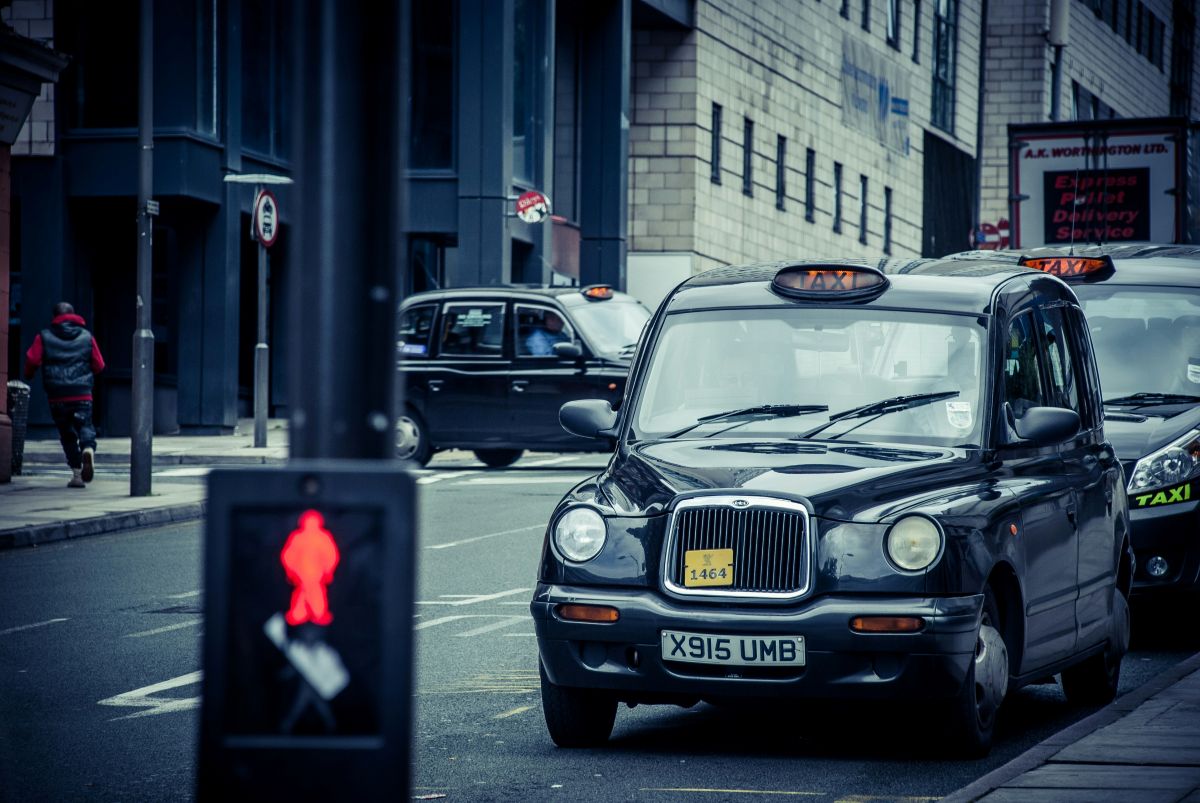
Most insurers will struggle to know what to rate your FX4 or TX1 as it’s unlikely to appear in the computerised listings of car makes and models used on comparison websites. However, if you can identify a specialist broker, like Adrian Flux, taxi insurance costs can be much lower than many of the current people carriers on the market.
3. They’re cool
OK, so they may not have the same wow factor as a Ferrari or Mercedes, but chances are you’ll turn just as many heads if you show up at your friend’s house in a black cab. More than that, you’re also likely to raise a smile rather than a jealous scowl.
And don’t forget, you’ll also be joining the ranks of the celebrity cabbies – over the years, Sid James, Laurence Olivier, Stanley Kubrick, the Duke of Edinburgh, Stephen Fry and Kate Moss have all used a black cab as personal transport. Fry once said: “I sometimes park it on taxi stands all day and no one notices.”
4. They’re safe
Black cabs are easily one of the safest car models on the road, although granted, that’s partly because they don’t go very fast. As a licensed passenger vehicle, safety was clearly of major importance when these cars were commissioned, and the result is a robust and safe set of wheels.
5. You can enjoy some peace and quiet
Chances are, if you’re thinking of buying a black cab as a people carrier, you’re planning on using it to transport a big family. And as any parent will know, there are few more irritating and distracting things for a driver than little ones shouting, screaming, crying, arguing and, well, being kids.
In a black cab, simply close off the driver’s partition, put on the stereo and forget they exist for a few minutes. Bliss.
6. They’re good value
As we covered above, you can pick up an ex-hackney carriage for a few thousand pounds.
Yes, they are likely to have covered a decent amount of miles, but bear in mind that they will have been incredibly well maintained over the years – almost certainly much better than your average second-hand people carrier. The Nissan 2.7 diesel engine used in the TX1 is pretty bomb proof and the chassis is incredibly robust.
7. They’re accessible

Black cabs can cope with the most urbane of pushchairs – you know, those new ones that look like they’re built for off-roading in the Grand Canyon. They can also easily be adapted for wheelchair users, and general access to and from the vehicle is good because of the large doors and high position on the road.
8. Spare parts are cheap
Due to the hugely competitive nature of the taxi maintenance market, spare parts are much cheaper than those for your average people carrier. In fact, the brakes and body panels are cheaper than on most cars, and the panels bolt on and off, making repairs quicker, easier and cheaper.
9. They’re great for advertising
Black cabs are now well utilised as advertising mediums, with vast panels available for graphics. So, if you run your own business, black cabs are the perfect way to get about and plug your services at the same time. Alternatively, you could sell the advertising space to a local small business and use it as a side hustle.
10. You can use bus and taxi lanes
Actually, you can’t; that’s a myth. It’s illegal, although some owners probably give it a go.
Make sure you take out specialist decomissioned taxi insurance
Adrian Flux provide quotes for all sorts of unusual vehicles, from former taxis to modified motors, bespoke vehicles and everything in between. If you’ve decided that a black cab is the vehicle for you, call us for a quote on 0800 369 8590 or request a callback.