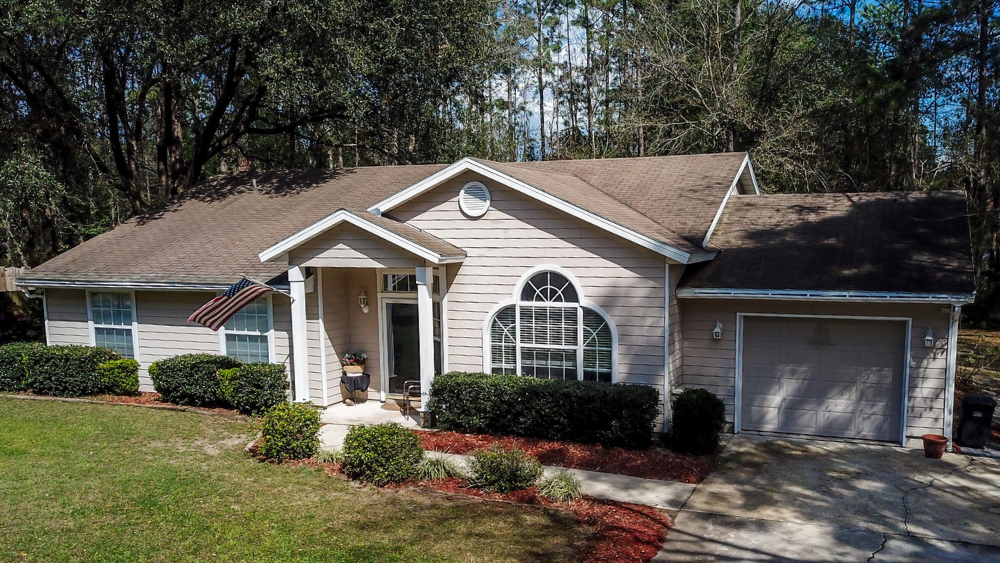
A simpler alternative: HomeLight Buy Before You Sell
HomeLight’s Buy Before You Sell program was created to help homeowners unlock equity from their current property so they can purchase their next home before selling.
Unlike a traditional bridge loan, the program combines financing and selling support into a single process.
Working alongside your real estate agent, HomeLight can help you:
- Turn existing equity into buying power for your next home.
- Remove home-sale contingencies so your offer stands out
- Move on your timeline without the disruption of living through open houses
- Showcase an unoccupied home that can be staged more easily
How HomeLight Buy Before You Sell works
- Apply with no obligation
Find out if your home qualifies and receive an equity unlock estimate.
- Buy your next home without being held back
Use this unlocked equity to make a more competitive offer, without waiting for your current home to sell.
- Sell your former home after you move
You can list your previous property once it’s vacant and even stage it to bring in a stronger offer.
Visit homelight.com/buy-before-you-sell to learn more or get started.
The benefits of bridge financing
| What bridge financing offers | What Buy Before You Sell can add |
| Equity access before selling | Guidance and a straightforward process |
| Leverage with stronger, non-contingent offers | Buying fast when a home you love becomes available |
| Moving only once | Selling once you’ve already moved out |
| Buying on your timeline | Potentially getting the most out of your sale price |
Both of these approaches are designed to help you buy your next home before selling your current one. What you choose mostly relies on your other priorities.
You might consider HomeLight’s Buy Before You Sell program if you prefer to have both financing and selling support from Cleveland experts in a singular experience.
What should you consider before using a bridge loan?
Many homes in Cleveland are several decades old, so preparing them for sale may take extra time. A bridge loan can give you flexibility to move first, but it’s still important to weigh the additional borrowing costs and qualification requirements.
- Higher borrowing costs: They often come with more expensive rates and fees than traditional mortgages.
- Stricter standards: Lenders may require you to have enough income and equity, plus strong credit.
- Payment overlap: You might find yourself managing both house payments at once (depending on how the loan is structured).
- Dependent on your sale: If your current property takes longer to sell, your financing costs may increase.
- Fewer options available: Not all lenders offer bridge loans, so finding the right program can take more research.
When is a bridge loan a good solution in Cleveland?
A bridge loan may be worth pursuing if you:
- Need equity from your current home for a down payment
- Have found the right home in your preferred neighborhood or suburb
- Keep losing out to buyers who don’t have contingencies
- Are relocating for work or to be closer to family
- Would rather move before preparing an older home for sale
- Want to move directly into your new house
- Can comfortably qualify for both transactions
How much does a bridge loan cost in Cleveland?
Bridge loans in Cleveland often carry interest rates between 8% and 12%, with origination and closing fees adding an extra 1% to 3% of the total loan amount. The exact cost will rely on your loan-to-value (LTV) ratio, credit score, property type, and the lender you work with.
In Cleveland, the condition of your current home may play a larger role than in newer housing markets, since nearly half of homes were built before the 1940s. Older homes with deferred maintenance or unique features may require additional review during underwriting, and you may find the interest for a bridge loan to be higher.
If you want a general idea of how different loan amounts and rates may affect your monthly payments and payoff costs, try out the bridge loan snapshot tool above.
Who provides bridge loans in Cleveland?
Because of underwriting requirements (rules you have to meet to prove you can pay back a loan), fewer institutions offer bridge loans. The most common sources are:
Since their products can vary considerably, it’s worth comparing multiple lenders before applying.
Are there other alternatives to bridge loans in Cleveland?
A bridge loan isn’t the only way to access equity before buying your next home.
Whether you’re trading a classic brick colonial for a turnkey home with more yard space or looking to downsize, take a look at how these financing alternatives might better align with your goals.
Home equity loan
A home equity loan lets you borrow a lump sum of cash upfront, using your home’s earned equity as collateral. You’ll then repay it in fixed monthly installments.
It’s worth considering if you know your exact costs and want budget certainty, but it does mean carrying an extra loan until your current home sells.
Home equity line of credit (HELOC)
A HELOC works more like a credit card backed by your home. Instead of receiving one lump sum, you’ll be able to access a revolving line of credit that you can draw from as needed.
If you’re still deciding where in Cleveland you’d like to move, a HELOC gives you flexibility while you continue your home search.
While HELOCs usually have lower upfront costs than bridge loans, their interest rates fluctuate, so your monthly payments can change over time.
Cash-out refinance
A cash-out refinance resets your mortgage into a larger loan so you can take out the difference in cash.
This is a great option when borrowing rates are low, but it might not be worth it for Cleveland homeowners who’ve already locked in a low rate years ago and don’t want to trade it for a more expensive mortgage.
80-10-10 (piggyback) loan
A piggyback loan combines a first mortgage and a second mortgage so you can buy your next home with just 10% down.
Buyers often use this strategy to avoid private mortgage insurance (PMI), but it can also mean handling multiple loan payments until your existing home closes.
Home sale contingency
You can also make an offer that has a home sale contingency. While this reduces risk (since you won’t be purchasing a new home until your existing one sells), you might end up missing out on a home that’s right for you.
Solutions like HomeLight’s Buy Before You Sell bypass this issue by letting you remove a home sale contingency without selling your house first.