How to Avoid Eviction and Still Get a Tenant to Move Out


Sometimes, asking a tenant to leave becomes unavoidable. While a formal eviction may be necessary in some situations, it isn’t always the only option. Depending on the circumstances and local laws, landlords may be able to resolve the situation through communication, mutual agreements, or other legal alternatives before filing for eviction.
Asking a tenant to move out can be uncomfortable, especially if you’re hoping to avoid a lengthy court process. Fortunately, there are situations where landlords and tenants can reach an agreement without a formal eviction. Below, we’ll explain your rights as a landlord and explore several legal alternatives that may help you regain possession of your property.
Main Takeaways
- In many cases, landlords can resolve tenant move-outs through communication or voluntary agreements before pursuing a formal eviction.
- Options such as cash for keys and written move-out agreements may help avoid lengthy court proceedings when both parties agree.
- Always follow state and local landlord-tenant laws, as illegal eviction methods can result in costly legal consequences.
Legal vs. Illegal Reasons to Remove a Tenant
Before asking a tenant to move out, it’s important to make sure you have a valid legal reason for doing so. Unfortunately, not every landlord has the best intentions, and some laws protect a tenant from retaliatory eviction. As the property owner, you may feel you have the right to remove anyone at any time, and for any reason, but that is not the case. Therefore, to protect yourself from any dispute or accusation of unfair practices, never pursue any eviction based on the following.
Illegal Reasons to Evict a Tenant
- Discrimination based on a characteristic protected under federal, state, or local fair housing laws
- Personal vendetta, also known as retaliatory eviction
- Tenant withholding rent for legitimate reasons
Discriminatory Evictions
Landlords cannot evict or otherwise treat a tenant differently because of a characteristic protected under federal, state, or local fair housing laws. Doing so may expose a landlord to fair housing complaints or legal action. Protected classes will vary slightly from state to state, so be sure to research the laws in your area. Generally speaking, individuals are protected against discrimination based on the following:
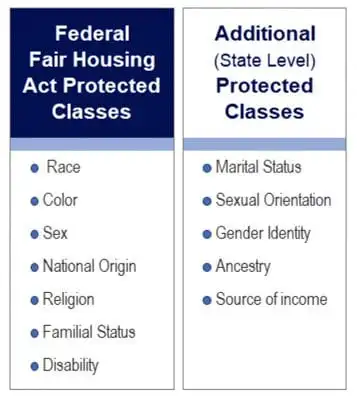
Federally Protected Classes Under the Fair Housing Act –
- Race
- Color
- Sex
- National Origin
- Religion
- Familial Status
- Disability
Added Examples of Protected Classes at the State Level –
- Marital Status
- Sexual Orientation
- Gender Identity
- Ancestry
- Source of income
Personal Vendettas or Retaliatory Evictions
Landlords cannot pursue eviction in retaliation for a tenant exercising legally protected rights, such as making certain good-faith complaints about housing conditions or reporting code violations to the appropriate authorities. Aggravation is unfortunate, but not grounds for an eviction that will hold up in court. It may make you angry, but never attempt to evict a tenant based on them complaining or legally reporting you to code enforcement or the housing authority.
Tenant Withholding Rent for a Legitimate Reason
A landlord is required to make necessary repairs to maintain a property’s habitability. In some states, tenants may have legal remedies, such as placing rent into an escrow account, if a landlord fails to address serious habitability issues. Because these laws vary by jurisdiction, landlords should understand their local requirements before taking action. However, this differs from simple nonpayment of rent, which may be legal grounds for eviction when handled through the appropriate court process.
Legal Reasons for Eviction and Your Rights as A Landlord
If you cannot avoid eviction but choose a route other than pursuing in court, it is vital to understand your landlord’s rights. While there are illegal reasons to evict, there are also legitimate ones. As a landlord, you have the right to pursue removing a tenant from the property for any of the following.
Situations That May Allow a Landlord to Terminate a Tenancy or Pursue Eviction
Depending on the lease agreement and applicable state and local laws, landlords may be able to terminate a tenancy or pursue eviction in certain circumstances. However, the legal grounds, notice requirements, and procedures vary by jurisdiction.
- Nonpayment of rent
- Material lease violations
- Significant property damage or other tenant noncompliance
- Remaining in the property after the lawful termination or expiration of a tenancy
- Certain owner-related circumstances, such as renovations or a property sale, when permitted by the lease and applicable law
How to Get Tenants to Move Out Without a Court Eviction
Once you have established a legal basis for wanting your tenants to vacate, it’s time to take action. Landlords who do not want a lengthy and costly court battle may choose to try a different tactic.
In some cases, tenants may prefer reaching a voluntary agreement rather than going through a formal eviction proceeding.
- Offer an Incentive: Cash for Keys
- Offer Assistance
- Proper Communication

Offer an Incentive: Cash for Keys
Offering “cash for keys” can avoid eviction by getting your tenant to move out voluntarily. While this may not be the most immediately appealing of methods for handling tenant turnover, it is one of the more effective means of doing so. That said, it is going to cost you. However, it will likely prove to be worth it if you need the tenants out of the property as soon as possible.
Also, it is as simple as it sounds. Through this method, you will be paying your tenants to leave your property. In turn, this will allow you to avoid the lengthy eviction process and even save money in the long run. Follow these steps below when offering “cash for keys” to avoid eviction:
Steps to Offer Cash for Keys
- Explain the Situation – Clearly explain the issue and why you’re proposing a voluntary move-out agreement.
- Discuss the Available Options – Explain the options available under the lease and applicable law, including that the landlord may pursue formal legal remedies if the issue cannot be resolved. Avoid making threats or guaranteeing the outcome of any future court action.
- Offer a Voluntary Agreement – If appropriate, offer the tenant an agreed-upon payment in exchange for voluntarily vacating the property by a specific date.
- Put Everything in Writing – Have both parties sign an agreement outlining the payment, move-out date, surrender of possession, return of keys, property condition, and any other agreed-upon terms.
While offering a financial incentive may seem counterintuitive, a voluntary cash-for-keys agreement can sometimes cost less than a prolonged eviction proceeding. However, landlords should ensure the agreement is voluntary, properly documented, and compliant with applicable state and local laws.
Before exchanging money for possession of the property, both parties should sign a written agreement that clearly states the move-out date, payment amount, and condition in which the property will be returned.
 Offer Assistance
Being helpful and understanding while your tenants prepare to leave can make the process much smoother for everyone involved. If you have access to discounted moving truck rentals or cleaning supplies, consider sharing those resources. If you own a moving truck, allowing your tenant to use it can also help make the move easier.
As a landlord, you may also have connections to other rental properties in the area. If appropriate, you can share information about available rental listings or provide contact information for other property managers and landlords with comparable rental options. While you’re not obligated to help your tenant find a new home, offering practical assistance may encourage a smoother transition and help both parties move forward on good terms.
Proper Communication
Sometimes, the most direct approach is simply asking the tenant whether they are willing to move out voluntarily. Calmly explaining the situation and discussing the available options may help both parties reach an agreement without going through a formal eviction. However, landlords should avoid threats, coercion, or statements that guarantee the outcome of potential legal proceedings. Any agreement to terminate the tenancy should comply with the lease and applicable state and local laws.
If the situation is more flexible – say, a matter of missing rent or violation of lease policies – there may be a way to reach a new arrangement with the tenant that changes the situation completely. Try talking to them to understand their situation better. That way, if you find that they can pay again in the future or solve a problem, keeping them around could potentially be a better alternative to evicting them. Remember that allowing for open channels of communication between yourself and your tenants at all times is extremely important. Tell them everything they need to know upfront and remind them occasionally of their responsibilities. Doing so can help prevent misunderstandings about lease requirements and each party’s responsibilities. Keep written records of all conversations and agreements in case questions arise later.
Avoid These Mistakes When Trying to Get Tenants to Move Out
When you find yourself desperate to remove tenants from your properties, you may consider some more extreme measures. Some landlords make the mistake of attempting to rid themselves of their tenants without respecting lease agreements. Others use self-help eviction methods where they retake possession of a property without using the eviction process. Avoid using any of the following methods to force a tenant to leave your rental property:

Example of Illegal Self-help Evictions
- Changing the locks while the tenant still lives in the property
- Removing the tenant’s property
- Failing to pay included utilities like water, cutting them off
- Threats of any kind
- Attempting to force or intimidate a tenant into leaving without following the required legal process
Landlord Consequences of a “Self-help” Eviction
If you do use any of these methods above, you could easily find yourself in hot water. A lawsuit is the last thing anyone in business should want to deal with, and any of these could be offenses that could lead to your tenant rightfully suing you and damaging your business.
Every state has rules that landlords must follow when removing a tenant from a rental property, and the consequences of violating those rules can vary by jurisdiction.
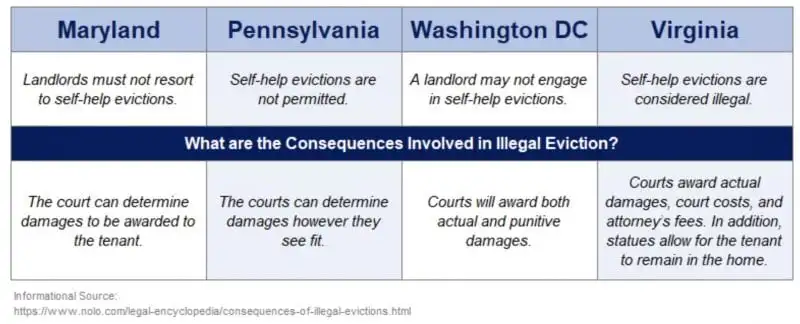
Consequences of Self-help Evictions
The consequences of an unlawful self-help eviction vary by jurisdiction. Depending on applicable state or local law, tenants may be entitled to remedies such as restoration of possession, actual or statutory damages, attorney’s fees, court costs, or other relief. Because the penalties and available remedies vary, landlords should always follow the required legal eviction process rather than attempting to remove a tenant themselves.
FAQs About Getting a Tenant to Move Out Without Eviction
If you’re hoping to avoid a lengthy eviction process, you may have questions about what options are available. Below are answers to some common questions landlords ask about encouraging tenants to move out legally.
Can a landlord ask a tenant to move out without filing an eviction?
Yes. A landlord can ask a tenant to move out voluntarily, provided the request complies with the lease agreement and applicable landlord-tenant laws. Open communication and written agreements often help both parties avoid unnecessary disputes.
What is a cash for keys agreement?
A cash for keys agreement is a voluntary arrangement where a landlord offers a tenant money in exchange for moving out by an agreed-upon date and returning the property in good condition.
Is changing the locks considered an eviction?
In most cases, changing the locks while a tenant still has the legal right to occupy the property may constitute an illegal self-help eviction and can result in legal consequences.
Should a cash for keys agreement be in writing?
Yes. A written agreement helps protect both the landlord and tenant by clearly outlining the payment amount, move-out date, and expectations for returning the property.
When should a landlord file for a formal eviction?
If communication, voluntary agreements, or other legal alternatives are unsuccessful, filing for a formal eviction through the court may be the appropriate next step, following all applicable state and local laws.
 Need Help Navigating the Eviction Process?
By treating both your tenants and laws with respect, applying alternative strategies for tenant turnover does not have to be a draining process. If you’re at your wit’s end with a tenant, consider the tips outlined above before you begin the eviction process. Have you tried other methods to avoid eviction, and your tenant still will not move out? Well, pursuing a court-ordered eviction may be the last resort.
If you find yourself overwhelmed at the thought, consider hiring a seasoned team like Bay Property Management Group. Our highly experienced staff can handle the filing and eviction process while also working to address maintenance concerns and remarket your property to find a qualified new tenant. We offer property management in Northern Virginia, Washington DC, Baltimore, Philadelphia, and Richmond, providing 24/7 support for property management services. For more information, contact us today!