Rodent Infestation in Singapore – Greencare Pest Control & Cleaning

Rats, mice, health risks & professional control solutions
Singapore’s rat burrow count nearly doubled in 2025. Rising temperatures drive rodents indoors. Understanding the risk and taking action prevents disease and damage.
Why Singapore Has a Rodent Problem
Singapore’s National Environment Agency reported nearly 5,400 rat burrows detected in the first half of 2025 — almost double last year’s count. The problem is escalating.
Reasons for increasing rodent populations:
- Year-round warm temperatures support breeding
- Humidity levels ideal for survival
- Dense urban housing provides shelter
- Proximity to food sources (kitchens, restaurants)
- Climate change forcing animals indoors
- Urban expansion eliminating natural habitats
Common Rodents in Singapore Homes
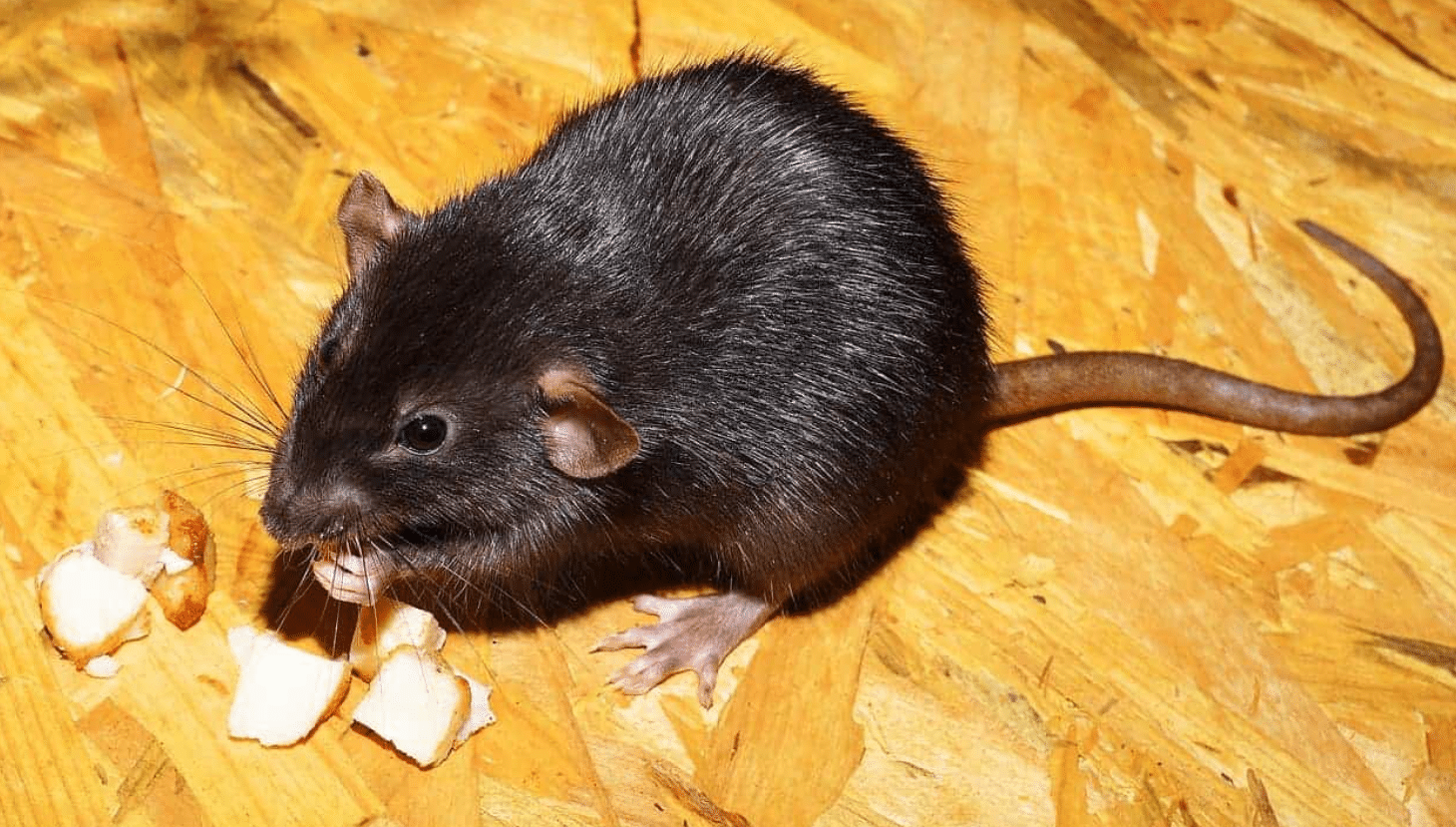
Norway Rat (Brown Rat)
Brown-grey colored. 7-10 inches long. Blunt snout. Stocky build. Most common in Singapore. Lives in ground burrows. Excellent swimmers. Highly adaptable to human environments.
Roof Rat (Black Rat)
Black or grey color. Slimmer than Norway rats. Pointed snout. Excellent climbers. Prefer elevated areas (attics, roof spaces). More agile than brown rats. Can squeeze through tiny gaps.
House Mouse
Small 3-4 inches long. Grey or brown color. Large ears. Pointed snout. Rapid movement. Fast reproduction. Can fit through gap size of pencil. Abundant in urban homes.
Health Risks From Rodents
Serious diseases rodents transmit
- Leptospirosis: Bacterial disease from urine contact. Causes fever, kidney failure. Transmitted through contaminated water.
- Hantavirus: Spread through droppings and urine. Causes hemorrhagic fever. Can be fatal.
- Salmonella: Bacteria in feces contaminating food. Causes severe food poisoning.
- Rat-Bite Fever: Pests can carry and transmit serious diseases such as hantavirus, plague and rat-bite fever. Transmitted through bites or contact.
- Plague: They can carry and spread several serious diseases, such as tapeworms, Cat scratch disease (Bartonella), murine typhus, and the bubonic plague. Rare but serious.
- Food Contamination: Rodent droppings and urine contaminate any surface touched.
Property Damage From Rodents
Beyond disease, rodents cause expensive structural and property damage:
Electrical damage
Gnaw through electrical wires. Cause fires. Short circuits. Expensive repairs. Fire hazard to occupants.
Water pipe damage
Chew through plastic pipes. Cause leaks. Water damage to walls and floors. Mold growth from moisture.
Insulation damage
Shred insulation for nesting material. Reduces insulation effectiveness. Increases cooling costs in hot Singapore.
Food spoilage
Contaminate entire pantries. Food becomes unsafe. Destroy stored goods. Droppings and urine everywhere.
Wood damage
Gnaw through wooden structures. Weaken beams and frames. Create pathways through walls.
Furniture damage
Nest in cushions and upholstery. Leave droppings. Destroy expensive furniture.
Where Rodents Enter Your Home
Common entry points and vulnerabilities
- Gaps around pipes: Where utility pipes enter building. Easy chewing access for rodents.
- Cracks in walls: Even small gaps become entry points. Rodents chew larger openings.
- Roof vents: Roof rats access through inadequate screening. Enter attic spaces.
- Drain pipes: Flooding not only overwhelms our drainage systems but also unintentionally allows rodents, especially the Sewer Rat, access to our homes through drains and pipes.
- Door gaps: Daylight visible under doors means rodent access. Doors don’t seal properly.
- Window gaps: Damaged screens. Cracks around window frames. Easy climbing access for roof rats.
- Foundation cracks: Fissures in concrete foundation. Norway rats tunnel beneath and enter.
- Kitchen exhaust vents: Attract rodents with food smells. Inadequate screening.
Signs of Rodent Infestation
Identify infestation early:
Droppings
Small dark pellets. Size of grain of rice (mouse) to larger (rat). Found along walls, cupboards, pantry.
Gnaw marks
Chewed cardboard, plastic, wood. Fresh marks indicate active rodents. Older marks turn dark.
Scratching sounds
Nocturnal activity. Sounds in walls at night. Scurrying noises in ceiling or roof.
Nesting material
Shredded paper, cloth, insulation found in corners. Indicates nesting activity.
Strange odors
Musty ammonia smell. Indicates urine accumulation. Strong in infested areas.
Grease smears
Dark greasy marks along walls. Rodents run same routes repeatedly. Fur leaves marks.
Prevention: Sealing Your Home
Seal all gaps
Caulk cracks around baseboards. Fill holes around pipes. Block vents with mesh screening.
Fix doors and windows
Install door sweeps. Repair window screens. Ensure frames fit tightly. No daylight gaps.
Remove food sources
Store food in sealed containers. Clean spills immediately. Remove pet food overnight. Secure garbage.
Eliminate water sources
Fix dripping pipes. Remove standing water. Dry sink areas. Rodents need water.
Reduce clutter
Remove piles of paper, cardboard. Clean out unused storage areas. Rodents hide in clutter.
Manage outdoor areas
Trim vegetation away from house. Remove fallen fruit. Keep grass short. Eliminate brush piles.
Why DIY Rodent Control Fails
Traps and poison seem effective short-term:
DIY limitations
- Traps catch visible rodents only
- Hidden populations continue breeding
- Poisoned rodents die in walls (bad smell)
- Poison can harm pets and children
- Don’t eliminate entry points
- Problem returns after treatment
Professional advantages
- Locate hidden nests
- Seal all entry points
- Use safe, targeted methods
- Monitor and follow up
- Eliminate entire population
- Prevent future infestations
Frequently Asked Questions
How fast do rodents multiply?
Mice produce 5-10 litters annually. Rats produce 4-6 litters. Each litter has 5-8 young. Populations double every 3 months. Early intervention is critical.
Can rodents return if sealed?
Yes, if entry points aren’t fully sealed. Rodents test barriers repeatedly. Chew through weak materials. Professional sealing identifies all points.
Is rodent poison safe for homes?
Poison can harm pets and children if ingested. Secondary poisoning occurs when predators eat poisoned rodents. Professional methods are safer and more effective.
How long until rodents are gone?
Initial treatment 1-2 weeks. Complete elimination 2-4 weeks. Multiple visits needed to catch all populations. Follow-up checks essential for confirmation.
Why do rodents keep coming back?
Entry points not fully sealed. Food sources remain accessible. Outdoor rodents keep entering. Professional sealing and prevention stops returns.
Stop Rodent Problems Permanently
Singapore’s escalating rodent problem requires professional solutions. Sealing, trapping, and monitoring eliminate infestations. Prevent diseases and damage. Professional control is faster and safer than DIY attempts.