What is a Property Management Agreement and Why it is Important



When it comes to the rental industry, a few key documents can be the difference between success and failure. One of those is the property management agreement. Surprisingly, many landlords and property owners are unfamiliar with what this contract entails. So, join us below as we answer the key questions: what is a property management agreement, what is included, and why you need one.
Main Takeaways
- A property management agreement is a contract that defines the working relationship between a property owner and a property management company, including each party’s responsibilities.
- Property management agreements typically outline services, fees, owner obligations, contract terms, liability provisions, and procedures for ending the agreement.
- Property owners should carefully review the agreement before signing, paying particular attention to included and excluded services, additional fees, termination requirements, and each party’s responsibilities.
What Is a Property Management Agreement?
A property management agreement is a contract between a property owner and the management firm. It outlines how that company will run the rental property’s daily operations. Therefore, this document aims to define what services are the responsibility of the property manager and what tasks remain with the owner. Additionally, this agreement will include any applicable fees for these services.
When comparing property management companies in Northern Virginia, reviewing the management agreement can help you understand exactly what services and responsibilities each company will handle. Continue reading as we will discuss what every property management agreement should include a little later.
 Why Is a Property Management Agreement Important?
You may be wondering, why do I need a property management agreement? As with any contract, a PMA protects both parties by defining roles and responsibilities. Whether you have one rental or several hundred, the time needed to market, lease, attend to maintenance issues, answer tenant calls, and maintain accounting is a daunting task. That said, having a property management agreement in place allows owners to step away comfortably. Ideally, knowing the firm they choose has their best interest in mind. A PMA provides owners with all of the necessary terms and clauses related to a rental unit’s management. Furthermore, the signed contract aids in minimizing misunderstandings or disputes over responsibilities.
What Is Included in a Property Management Agreement?
Outlining all of the responsibilities surrounding the care of a rental property is a lengthy process. Therefore, since this is a binding contract, it is vital to understand what a property management agreement entails. Always be sure to read any contract thoroughly and ask questions about any terms you hope to negotiate. Continue reading below as we discuss the common terms every property management agreement should have.
Parties to the Contract
The very first thing a management agreement must state is the parties included in the contract. This is relatively simple and must include the following –
- Property Owner’s Name or Rental Portfolio Business Name
- Name and Contact Information of the Property Management Firm
- Effective Date of Property Management Agreement
Property Management Services
The next important inclusion in a management contract is an outline of included and excluded services. Therefore, this allows the property owner to see what the company will do for the fees named in the agreement. However, every agreement may vary. Check out this general list of services below –
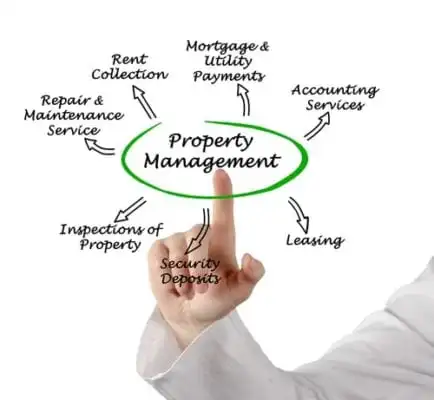
- State Licensing and Compliance – Some areas require landlords to obtain a rental license, lead test, or housing inspection. Therefore, the management company can assist with scheduling and filing necessary legal compliance.
- Leasing Services – Filling the unit with a qualified tenant is a top priority of any property management firm. Therefore, they will include various actions to facilitate finding a tenant, such as photographing units, preparing listings, showings, applicant screening, preparing documents, coordinating move-ins, and collecting funds.
- Rent Collection and Invoice Payment – The rental business relies on timely rental payments. So, the firm will collect and process the rent for you. Ideally, they will offer convenient online payment options for your tenants. Additionally, when it comes to paying vendors, a property manager streamlines invoices and handles all vendor communication, saving owners time and aggravation.
- Late Fees and Noncompliance – If rent is not paid on time, owners need to be sure their manager will take action. That said, the PMA needs to state exactly what action the manager will take and what fees the tenant will pay. If the tenant is non-compliant with rent payments or the lease terms, the property manager will send written notices and follow through to resolve the issue.
Other Important Property Management Functions
- Preventative Maintenance and Repairs – This area of rental management is key to success or failure. Owners need to find out how a property management company will handle regular repair requests, emergencies, and what preventative measures they can take to protect your investment property. Failing to maintain the property could lead to tenant complaints, legal remedies available under applicable landlord-tenant law, or tenants choosing to move when legally permitted.
- Tenant Relations – Building a solid landlord-tenant relationship means keeping the tenant happy. The goal is to treat tenants fairly, address their concerns promptly, and always maintain positive and open communication.
- Basic Accounting and Reports – On a monthly and annual basis, a property management company should provide the owner with comprehensive financial reports. These accounting reports typically include gross rent proceeds, operational costs, and net profits. Additionally, a property management firm can prepare and distribute 1099 statements.
Fees and Services
Property management fees are often the first thing a rental owner notices. That said, it is important not to let the fees be the only deciding factor. So, do not immediately rule out a company solely based on the fees. Instead, pay close attention to how the fees break down and what services are not included. Keep in mind that the goal of property management is for the owner to step away comfortably. However, lower fees could mean more duties left up to the owner, which still takes time and adds stress.
Furthermore, for any services listed as additional or not included, ensure those are clearly defined, and you as the owner know exactly what to expect.
Owner Responsibilities and Restrictions
Passing off control of the rental day-to-day operations does not mean the owner is 100% void of responsibility. That said, the PMA needs to outline expectations for the owner. Check out these common examples of responsibilities and restrictions below –

- Reserve Funds – Part of being a landlord is planning for emergencies and the financial obligation of daily tasks. So, owners must establish and maintain a reserve fund for the property management company to work efficiently, ensuring it does not fall below a certain amount.
- Landlord Insurance – Different types of insurance help cover the specific needs of a tenant-occupied investment property. This varies from your typical homeowners’ insurance, and each property management company will have its own requirements for what your coverage must include.
- Tenant Approvals – Generally, the property management firm will restrict owners from placing their own tenants. Maintaining a consistent renter placement and screening process can help ensure that applicants are evaluated using uniform criteria and in compliance with applicable Fair Housing laws.
- Right of Entry – Property owners must respect a tenant’s right to occupy the rental without unnecessary intrusion. In Virginia, landlords generally must provide notice before entering and may enter only at reasonable times, except in emergencies or when providing notice is impractical. Routine maintenance that the tenant did not request generally requires at least 72 hours’ notice unless providing that notice is impractical.
Management Liability
This section may include a hold harmless or indemnification clause addressing circumstances in which the property management firm may or may not be responsible for losses caused by third parties. That said, as the owner, be sure to look for a clause for “reasonable care.” Reasonable care provides the property owner the assurance that the manager completes their due diligence when hiring third-party vendors.
Contract Term
Signing a property management agreement is an important step, so owners should carefully review the contract term before committing. In Virginia, residential property management agreements must be in writing and include a definite termination date or duration. Owners should also review any renewal provisions and the requirements or costs associated with ending the agreement early.
 Termination Clause
If an owner is dissatisfied or circumstances change, discontinuing the property management agreement may be necessary. Also, a PMA allows the management company to terminate when the owner does not uphold their end of the bargain. That said, there are steps, consequences, and expectations for terminating a contract that either party must follow. Check out these general points to look for below –
- Proper Notice – Review the agreement to determine how much written notice either party must provide before terminating the contract. Notice periods vary, so owners should understand these requirements before signing.
- Reason for Termination – Look for a clause that will allow the owner to terminate without penalty if the rental management company fails to find a tenant or does not provide services per the agreement.
- Early Termination Fee – It is not uncommon for a company to charge an early termination fee. These fees can range from a few hundred dollars to the total fees remaining on the contract.
- Obligations – The agreement should explain what happens to property records, leases, financial documents, tenant information, and funds when the management relationship ends. Any funds held in escrow must be handled according to the property management agreement, lease, and applicable law.
Equal Opportunity Housing
Lastly, but certainly not least, ensure the PMA has a section that addresses Equal Opportunity Housing. Typically, this states that the managing company supports and follows applicable federal, state, and local fair housing laws.

FAQs About Property Management Agreements
A property management agreement can contain a lot of information, especially if you’re hiring a management company for the first time. Understanding the basic terms can help you know what to expect before signing. Here are answers to some common questions property owners may have.
Is a Property Management Agreement Legally Binding?
Yes. A property management agreement is a contract between a property owner and a property manager or management company. Once signed, both parties are generally expected to follow the terms outlined in the agreement.
What Should Be Included in a Property Management Agreement?
A property management agreement should clearly explain the services the manager will provide, management fees and payment terms, the length of the agreement, and other agreed-upon responsibilities. In Virginia, residential property management agreements must be in writing and state the management fees, services provided, and a definite termination date or duration.
How Long Does a Property Management Agreement Last?
The length depends on the agreement. Property owners should review the contract term, renewal provisions, and termination requirements before signing. In Virginia, residential property management agreements must specify a termination date or duration. If they do not, state law provides that the agreement terminates 90 days after its date.
Can You Terminate a Property Management Agreement Early?
Possibly. The ability to end an agreement early depends on its termination provisions and applicable law. Review the contract for required notice, early termination fees, reasons for termination, and procedures for transferring records and funds.
What Should You Look for Before Signing a Property Management Agreement?
Look closely at the services included in the management fee, additional charges, owner responsibilities, maintenance procedures, manager authority, contract length, and termination terms. Make sure you understand which responsibilities the property manager will handle and which ones remain with you.
Looking for a Property Manager in Virginia?
When it comes to finding the right fit for your rental business, a company with a track record of success is key. Bay Property Management Group offers owners a transparent fee structure, detailed reporting, and a convenient online portal allowing them to check in on their rental property anytime and from anywhere.
Our dedicated team of leasing professionals, managers, maintenance techs, accountants, and support staff puts customer service first. Bay Property Management Group works tirelessly to make sure rental ownership is the pleasant experience it should be. Give us a call today for a free, no-obligation rental analysis and to learn more about our property management services in Manassas and throughout Northern Virginia.