CBD Oil for Migraines and Headaches – Buy CBD Oil India | Licensed Under Ministry of Ayush

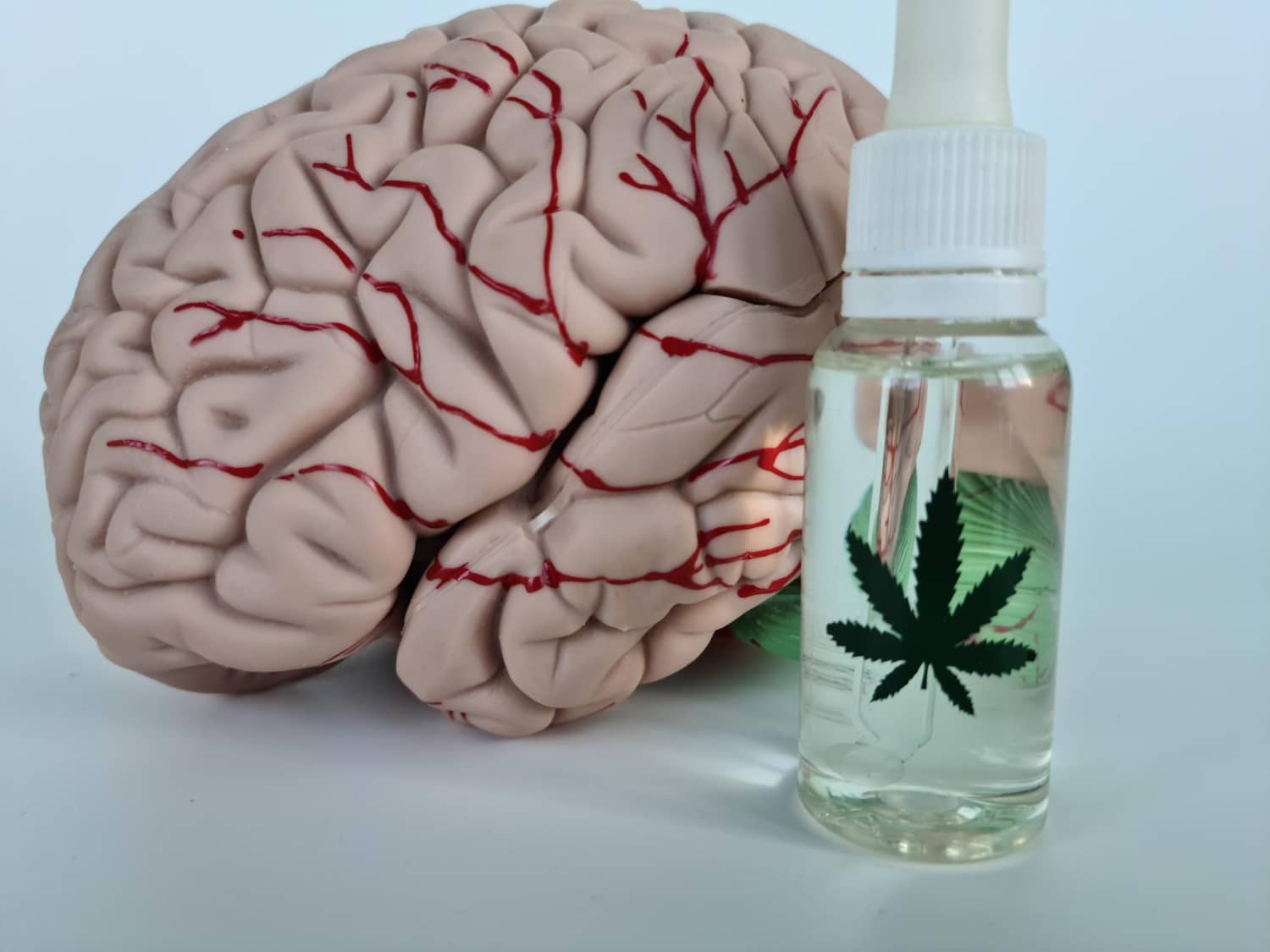

Headaches happen during migraine attacks but they are just a symptom of it.
Then what is migraine? Well…
Migraine is a disorder.
“Migraine is a widespread neurological disorder, affecting approximately 1 billion people” –Study.
Specifically, migraine is a disorder of the brain and the nervous system. It makes people unable to function in their lives due to it’s severe effects. Many migraine patient turn towards synthetic pills but they don’t get relief. We’ll discuss a natural solution that can help you deal with migraine.
What causes Migraine?
Scientific studies can’t pinpoint the root cause of migraine. But when you look at the patterns of people who experience migraines, they can be traced back to triggers or lifestyle decisions that disrupt your body’s homeostasis; these include:
Hormonal Changes

Medications or periods can affect the body’s hormones. The natural workings of the hormones get side tracked and result in unwanted effects like migraine.
Stress

Experiencing high levels of stress can disrupt homeostasis and also cause migraines.
Skipping Meals

Your body needs food to convert into energy. When you skip meals, this causes low blood sugar and can trigger a migraine attack.
Low Hydration

Water is needed to deliver nutrients to cells, support digestion, lubricate joints, and regulate body temperature. Low water levels in your body can slow down or even disrupt its natural processes.
“Those big fluctuations in blood glucose levels could induce release of stress hormones, which can affect migraine,” Margaret Slavin, PhD, RDN,
Sleep Deprivation

Poor sleep quality can trigger migraine because sleep restores many of the bodily functions, including memory, mood, and immunity. When you don’t get proper sleep your body can’t flush out neurotoxins from your brain that have been accumulated throughout the day. The uncleaned neurotoxins can increase the likelihood of migraine attacks.
Foods and Drinks

Certain foods, mostly processed foods and drinks with alcohol, can trigger migraines. But how to know if one is experiencing migraine? you can learn about the common signs of migraine for this.
Signs of Migraines
When people experience migraines they get:
- Vomits
- Dizziness
- Hectic headaches
- Pain in the face and neck
- Light and sound sensitivity
- Unexplained fatigue/lethargy
Some individuals get different types of migraines.
Types of Migraine
Migraines are of two types:
- Episodic Migraine
- Chronic Migraine
Episodic Migraine – According to studies, episodic migraine happens up to 14 times a month.
Chronic Migraine – Chronic migraine happens 15 or more times per month.
Migraines can also be categorized into different levels, which have their respective pain intensity levels. Let’s have a look at the different intensities of migraine.
Migraine Intensity Scale
There are 4 levels of Intensity to migraine.
1st Level :Little or no intensity – There is almost no pain.
2nd Level : Mild Intensity – Persistent pain can be felt, but it can be managed.
3rd Level :Moderate Intensity – Throbbing pain that comes along with light sensitivity and nausea.
4th Level : High Intensity – Severe Pain, vomiting, and dizziness; these make it very difficult to function.
Migraines and headaches, no matter the intensity, can be prevented when you have the right approach.
How to Prevent Migraines and Headaches
Migraines and headaches can be triggered due to many reasons, but the root cause is the same.
The key action to stop migraines and headaches is to keep your body in homeostasis.
For that, you need to be:
- Be calm
- Get quality sleep
- Don’t exert too much in physical activity.
- Avoid foods and drinks that trigger migraines.
Or you can try CBD.
What is CBD?

CBD is an active compound found in the cannabis plant, along with many other cannabinoids like THC, CBN, CBG, and many more.
CBD has medicinal properties such as:
- Anti Anxiety
- Anti depressant
- Analgesic (pain relief)
- Calming effect for sleep
- Neuroprotective properties
Migraines can be prevented with the help of CBD because they help to keep your body in a state of homeostasis (balance) by interacting with the ECS.
What exactly is the ECS?
The ECS is a complex cell signaling system that controls important body functions including:
- Mood
- Memory
- Metabolism
- Sleep and much more
When the ECS gets unbalanced, you are more prone to experience ailments like migraines. However, CBD has calming effects that help to keep you relaxed by binding with pain receptors and easing the pain. It also slows down the breakdown of anandamide (the bliss molecule), which keeps your mood balanced.
But you need a good CBD extract.
You need a full-spectrum CBD extract.
The full-spectrum CBD extract contains all cannabinoids of the cannabis plant, including CBD, THC, CBG, terpenes, flavonoids, and more.
The full-spectrum CBD products have an entourage effect, meaning all the plant compounds work in synergy to produce greater effects. The THC+ CBD extracts work better than the isolated extracts when dealing with migraines and headaches due to the entourage effect.
Even if the migraine is severe, full-spectrum CBD can help you reduce the pain and prevent migraine attacks.
Doctor’s consultation
Consult with a doctor before trying any CBD product for migraine and headaches because they can guide you on the dosage guidelines.
CBD comes in different forms like oils, capsules, gummies, etc. A doctor can prescribe the form better suited for your unique situation.
Conclusion
Migraine can be difficult to deal with due to its effect on your brain and nervous system. However, you can prevent it by being in homeostasis with the help of CBD and a healthy lifestyle. CBD can help you avoid migraines with its calming, pain-relieving, mood-balancing, and other properties, which will deal with migraine triggers like stress, sleep deprivation, and hormonal disruption.