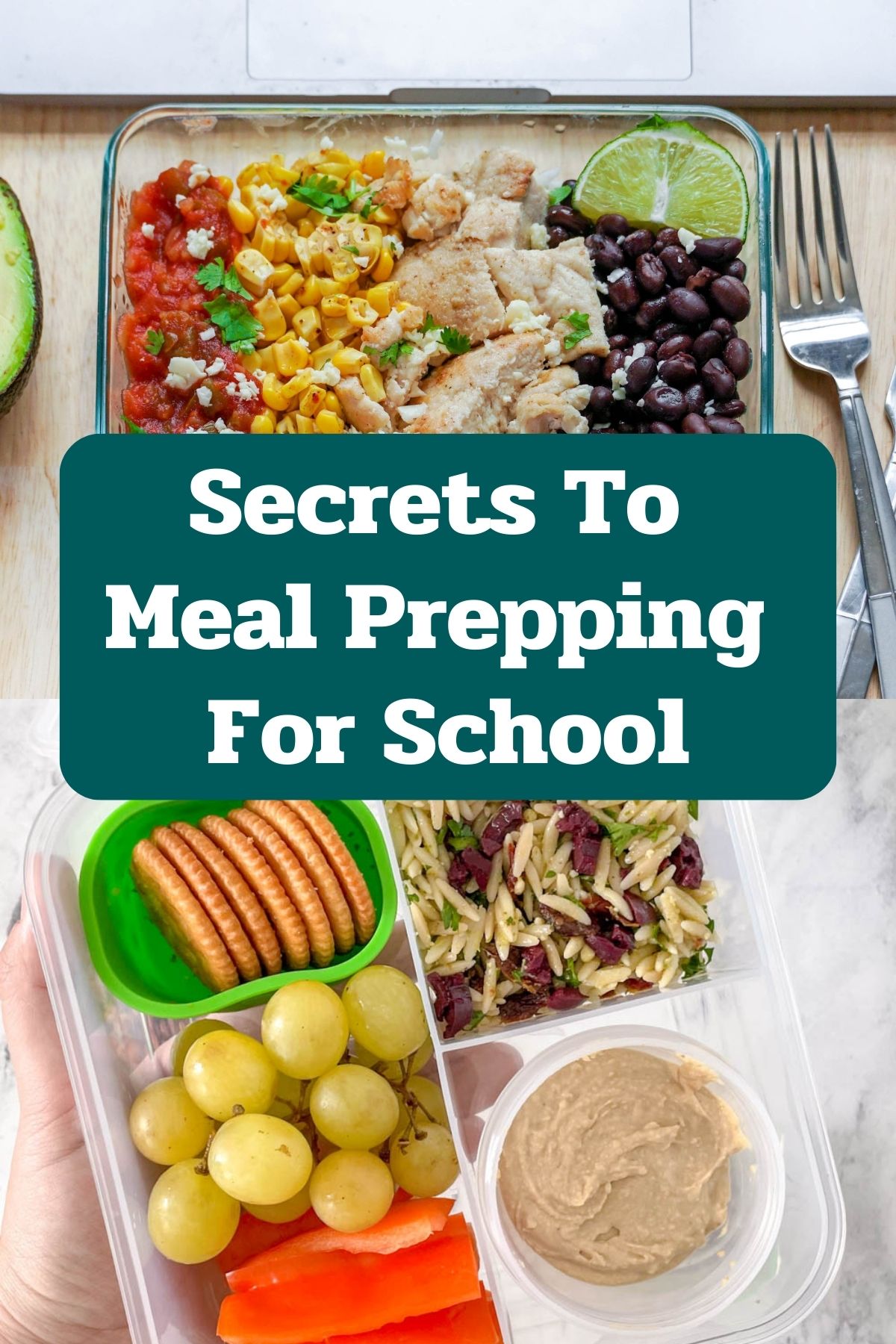
When it comes to managing a busy school schedule, meal prepping for school can be a game-changer. Getting into good habits can make a big difference during the school year.
That’s because regardless of whether you’re a teacher, a parent, or a student, planning and preparing your meals in advance can save you time, money, and stress. In this article, we’ll share 15 tried-and-true secrets to help you master the art of meal prepping for school.
FOR STUDENTS
1. Keep it Simple and Quick
Pick meals that you know are fairly simple and manageable to make. They should also ideally be meals you know you’ll actually enjoy eating. Meal prep shouldn’t be complicated!
Don’t shy away from time savers like pre-cooked protein or 3 minute rice. We love shortcuts!
2. Prep Smart Snacks
Pack portioned snack packs with baby carrots, apple slices, nuts, or whole-grain crackers to stay energized between classes.
Read more: 30 Easy Snack Ideas for a College Dorm.
3. Make Meal Prep a Social Activity
Make cooking and meal-prepping a social activity to do with your roommates or friends, or make visits to the grocery store and farmer’s markets together. This is a good idea when you want to socialize, hang out and set yourself up for the rest of the week.
Bonus: You’ll also be inadvertently motivating each other and holding each other accountable if you all know what you’re eating for the week.
4. Schedule Time on Your Calendar
Taking the time on Sunday to prep everything seems like a lot, but it’s SO WORTH IT to not have to think about cooking during the week and to focus on your classes.
Meal prepping on Sunday can be really fun! Make it an event. Throw on comfy clothes, watch your favorite TV shows while you chop veggies or call someone you haven’t talked to in awhile. And always get takeout after you’re done! It will feel like such a great reward.
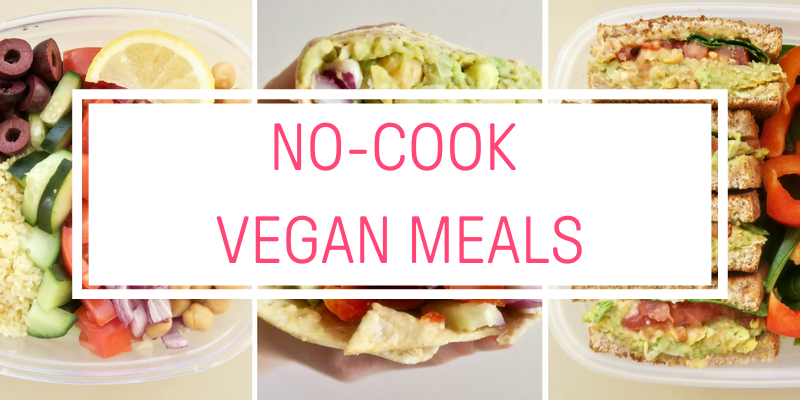
5. Explore No-Cook Options
For a refreshing change, explore no-cook options like salads, cold pasta dishes, or pre-made smoothie bags that you can blend on the spot.
MEAL PREP TIPS FOR TEACHERS
1. Prioritize Portable Foods
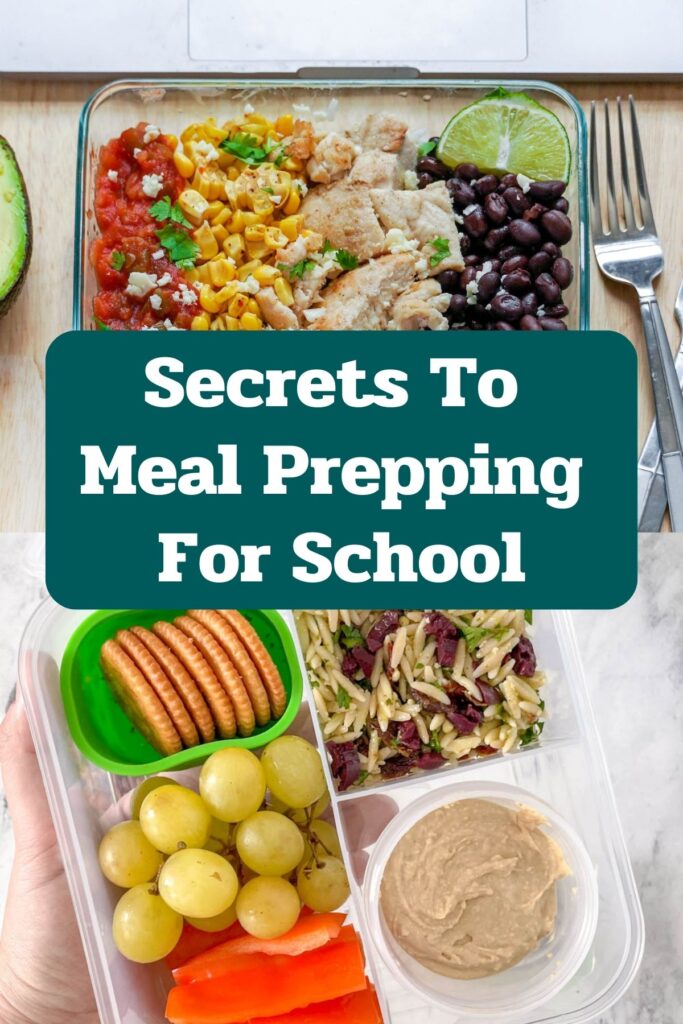
As a teacher, you’re often on the move. Opt for portable options like salads in mason jars, bento box-style meals, or whole fruit that’s easy to eat. You’ll things that are easy to eat on the go, because you never know when you’ll be eating in a meeting, during prep, while walking, etc.
Read more: 25 Easy Teacher Lunch Ideas
2. Use Slow Cooker Magic
When you’re overwhelmed, use the convenience of slow cookers to have warm, hearty meals waiting for you when you return home from a long day. Prep one easy meal and supplement with pre-made lunches (I like the ones from Trader Joe’s)! Having lunch ready to grab all week takes off so much stress!
3. Buy the Right Meal Prep Containers
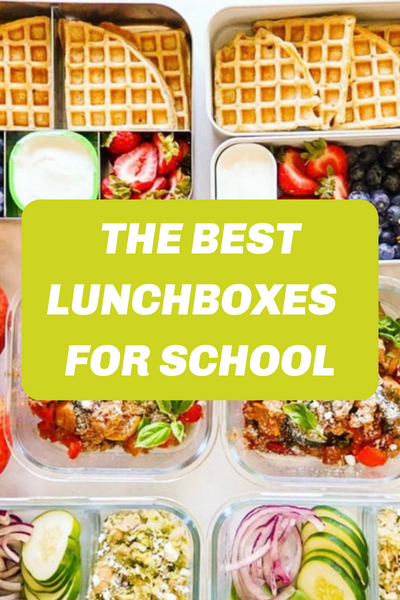
Invest in a solid set of meal prep containers to make grab and go easier in the morning! This ensures you have the right ones for the right meals. For some meals you’ll want ones with little portions, for others you’ll be ok with one larger container.
Read more: The Best Lunchboxes and Meal Prep Equipment for Teachers and Students
4. Have Quick Snacks On Hand
Snacks are just as important as a meal. If I need to stay late unexpectedly or I’m just a little extra hungry one day I need to have snacks on hand that will fill me up. Try one of these Easy to Make Snack Ideas.
5. Coordinate Potluck Prepping
Collaborate with fellow teachers for potluck-style meal prepping. Share the load and enjoy a variety of dishes throughout the week.

MEAL PREP TIPS FOR PARENTS
1. Involve the Whole Family
Turn meal prepping into a family activity. Spend quality time together while prepping meals, and let each family member choose their favorite ingredients. This is one of my favorites…
2. Freeze Kid-Friendly Portions
Meal prep can become a family activity instead of another chore one person has to carry.
Kids can help choose ingredients, wash produce, portion simple foods, or pick which meals sound good for the week.
You can adjust the job based on age and comfort level.
One of the biggest advantages is that it gives everyone some ownership over what gets packed.
And it doesn’t have to become an elaborate family cooking event. Even asking, “Which fruit do you want in lunches this week?” removes one decision later.

3. Check Your School’s Allergy Policy and Plan Alternatives
School policies around allergens can vary, so check the rules for your child’s classroom or school before packing lunch.
If nuts aren’t appropriate, there are plenty of other lunch components you can use, including poultry, seeds when permitted, and other foods your child already enjoys.
This is another reason flexible meal prep works so well: you can keep the basic lunch structure and swap individual components depending on school requirements and preferences.
4. Make a List of “Favorite Combos”
Figuring out what to pack every morning can be a PITA.
Instead of inventing a new lunch every day, start keeping a list of combinations that actually work.
One trick I like is asking kids an open-ended question after school:
“What was your favorite part of lunch today?”
That can tell you more than asking, “Did you like the strawberries?” which may only get you a quick “yeah.”
Over time, you’ll build your own personalized lunch menu.
Maybe you learn that turkey wraps + cucumber + crackers always come home eaten. Great. That can go straight into the rotation.
You don’t need endless variety. You need enough reliable options that packing lunch stops requiring so much thought.
5. Introduce “Build Your Own” Meals
Set up “build your own” meal options with different proteins, veggies, and grains. Let your kids customize their lunches to suit their tastes. This is also a good primer for when they get older, so they can think about meal prep styles that work for them, like Buffet Style Meal Prep.
Wrapping up… Meal prepping is a practical tool that can make school days smoother and more enjoyable for teachers, parents, and students alike. You don’t have to try and do all of these things at once, pick one or two and see how they work for you. You can streamline your meal prep routine, save time, and ensure that everyone in the school community is fed and ready to face the challenges of the day.
The Meal Prep Mistake I’d Avoid During the School Year
Trying to prepare everything.
It sounds organized on paper: breakfasts, lunches, dinners, snacks, five days at a time.
But meal prep is supposed to remove stress, not create a second job.
A much more realistic approach is to ask:
What part of the week usually causes the most stress?
If mornings are chaotic, prep breakfasts.
If you constantly buy lunch because there’s nothing ready, focus on lunches.
If getting dinner started after school is the problem, prep ingredients or one larger dinner recipe.
Solve the biggest problem first.
You can always add more later.
A Simple School Meal Prep Formula
If you’re new to meal prep, keep your first week intentionally small.
Try choosing:
- 1–2 main meals
- A few easy snacks
- One backup or convenience meal
- A couple of flexible ingredients you can use in different ways
That’s enough.
Leaving space in your meal plan also gives you room for leftovers, schedule changes, eating out, or the night when nobody wants what you planned.
That isn’t failed meal prep.
That’s meal prep designed for real life.
How to Make School Meal Prep Easier When You’re Short on Time
When you don’t have time for a full prep session, choose the tasks that eliminate the most friction later.
You might:
- Cook one grain
- Prepare one protein
- Wash or chop produce
- Portion a few snacks
- Pack tomorrow’s lunch
- Buy a few ready-made meal components
- Make one recipe with extra portions
Five partially prepared meals are not automatically more useful than two complete meals you’re excited to eat.
Do the version that makes your week easier.
School Meal Prep FAQ
Do I have to meal prep on Sunday?
No.
Sunday is popular because it comes right before the traditional work and school week, but there’s nothing special about it.
Prep whenever it fits your schedule. You can also split meal prep across two shorter sessions.
How many meals should I prep for school?
There isn’t one correct number.
Start with the meals that create the most stress during your week. For some people that means five lunches. For someone else, two lunches and a few breakfasts might be plenty.
What if I get tired of eating meal-prepped food?
Prepare fewer portions, choose recipes you genuinely like, or use component-style meal prep so you can build different combinations throughout the week.
You can also leave intentional gaps in your plan for leftovers, eating out, or spontaneous meals.
What are good meal prep options if I don’t like cooking?
Use shortcuts.
No-cook meals, pre-cooked proteins, quick grains, prepared vegetables, snack-style lunches, and store-bought components can all reduce the amount of cooking involved.
Meal prep is about preparing ahead. It doesn’t require making everything from scratch.
Can I freeze school lunches?
Some meals and meal components freeze better than others.
If you regularly make something your family enjoys and it freezes well, making an extra portion can give you an easy backup for another day.
What if my child keeps bringing food home?
Instead of immediately searching for completely different lunch ideas, pay attention to what consistently gets eaten.
Ask open-ended questions about which parts of lunch they liked and keep a running list of successful combinations.
That list can eventually become your easiest meal planning tool.
More School Meal Prep Resources
If you want to keep making school-week meals easier, these guides can help:
Meal Prep Should Make the School Year Easier — Not More Complicated
You don’t have to use all 15 of these tips.
In fact, I wouldn’t recommend trying.
Pick one or two ideas that solve an actual problem in your week and start there.
Maybe that means keeping snacks in your desk. Maybe it’s making two lunches ahead. Maybe it’s asking your kids which foods they actually want packed. Maybe it’s deciding that this semester, convenience foods are absolutely part of the plan.
Meal prep is a tool.
Use as much of it as makes your life easier, and leave room for everything else.
Future you will appreciate having a few meals handled.
And if you have a school meal prep trick that makes your week noticeably easier, share it in the comments. We’re always interested in the practical little systems that work in real life.