A well-designed home should do more than look good in photographs. Ideally, it should continue to work for the people living in it, remain relatively easy to maintain, and hold its appeal for many years. When those elements come together, good design can also support something less visible but equally important: the long-term financial value of the property.
That does not mean every design decision needs to be made with resale in mind. A home still needs to reflect the lifestyle, taste, and priorities of the people who live there. But there is a meaningful difference between spending money simply to follow a short-lived trend and investing in improvements that make a property more comfortable, durable, efficient, and desirable.
The materials you choose, the way rooms are arranged, the efficiency of the building, and even how easy certain features are to repair can all influence the future cost of owning the property. Thoughtful decisions today may mean fewer expensive replacements later, lower energy bills, greater flexibility as your needs change, and potentially a stronger resale position.
Designing for longevity is therefore partly about aesthetics, but it is also about asset management. The goal is to create a home that ages gracefully rather than one that requires constant reinvestment just to remain functional or attractive.
Below are several ways homeowners and property investors can connect good design with long-term financial planning.
Sustainable Design Choices
One of the simplest ways to design for longevity is to choose materials and systems that are expected to last.
Sustainable design is often discussed primarily in environmental terms, but durability also has a very practical financial benefit. Every floor, countertop, appliance, faucet, or light fixture that needs to be replaced represents another future expense. Choosing better-quality materials at the beginning can sometimes reduce those recurring costs considerably.
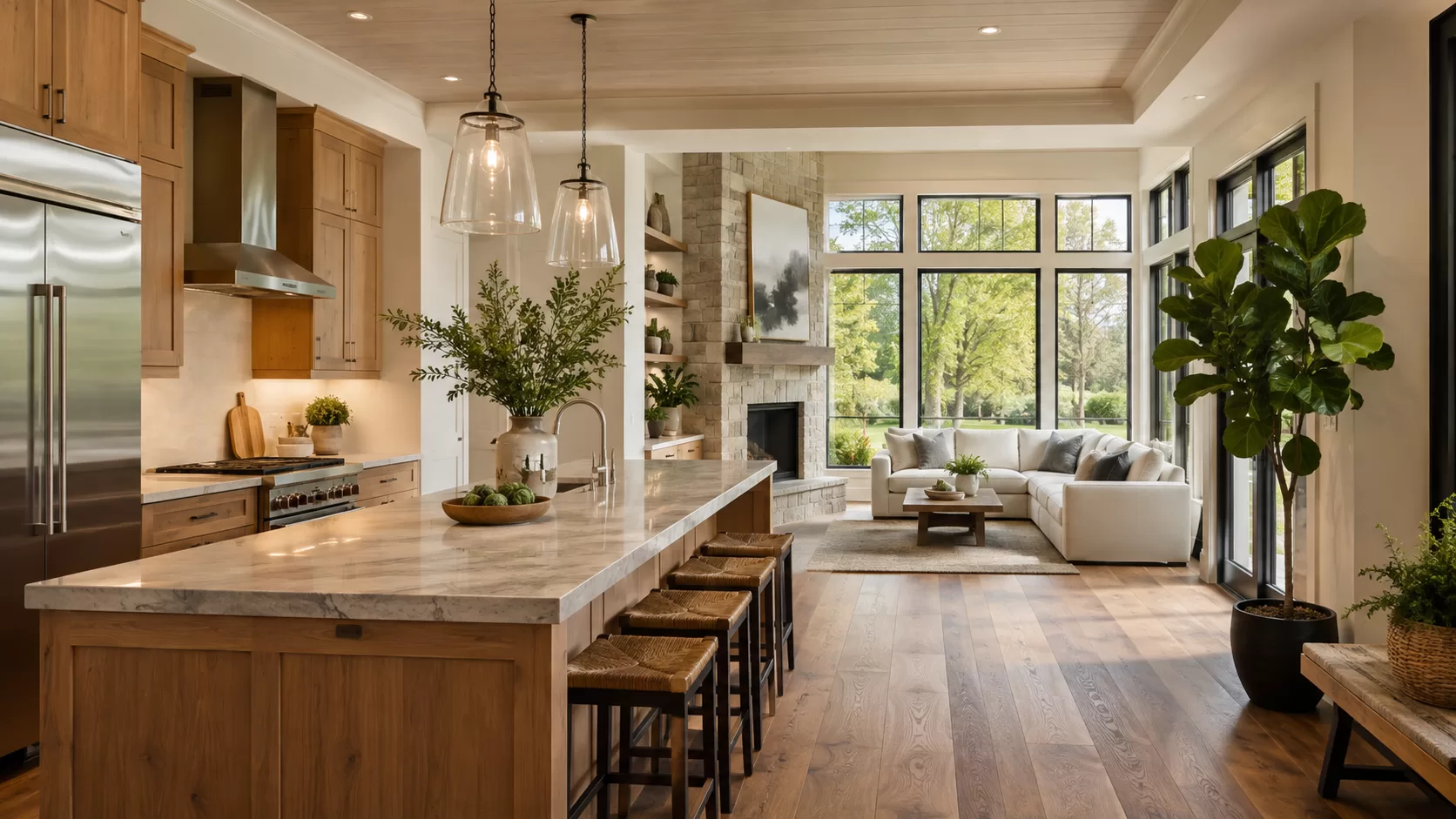
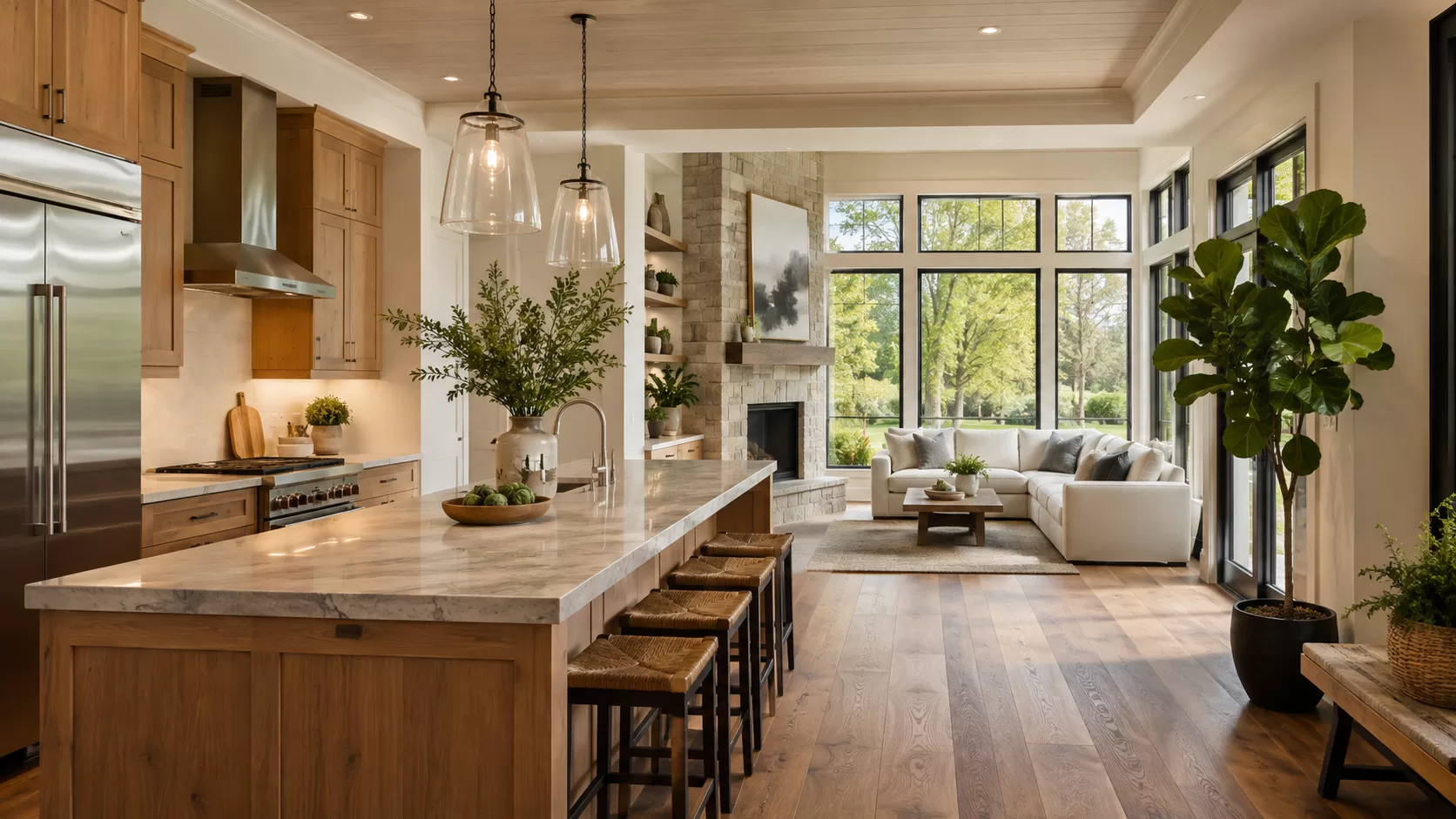
Hardwood flooring is a good example. Although it can cost more than some alternatives, quality wood floors can often be refinished rather than completely replaced. Natural stone, solid wood cabinetry, durable tile, and well-made plumbing fixtures may also remain useful and visually appealing long after cheaper alternatives begin showing wear.
That does not mean the most expensive option is automatically the best one. The goal is to look at value across the entire lifespan of the product rather than focusing only on the initial purchase price.
Timelessness matters as well. Extremely distinctive finishes can be attractive, but they may also date a room very quickly. Materials that have been used successfully for decades tend to provide a more neutral foundation. Personality can then be introduced through elements that are much easier and less expensive to change, such as paint, fabrics, lighting, artwork, and decorative objects.
Energy efficiency should be part of the same conversation. Good insulation, high-performance windows, efficient heating and cooling systems, LED lighting, and modern appliances can reduce the ongoing cost of running a home.
These improvements may also make the property more appealing when it eventually goes on the market. Buyers are increasingly aware that the purchase price is only one part of the cost of owning a property. A house that is expensive to heat, cool, or maintain can become less attractive when compared with a similar home that has been designed more efficiently.
Another useful concept is the circular economy. Embracing circular economy practices means thinking beyond the moment something is purchased. Where did the material come from? Can it be repaired? Can individual components be replaced? Can it be reused or recycled at the end of its useful life?
This approach encourages designers and homeowners to select products that are adaptable and serviceable rather than disposable. Over the long term, that can create a property that is both environmentally responsible and financially easier to maintain.
Planning for Future Use
A beautifully designed home can still become frustrating if the layout no longer works five or ten years later.
Families grow. Children move out. People begin working from home. Parents or relatives may move in. Mobility can change with age. A room originally created for one purpose might eventually need to serve an entirely different one.
Designing with this uncertainty in mind can add considerable long-term value.
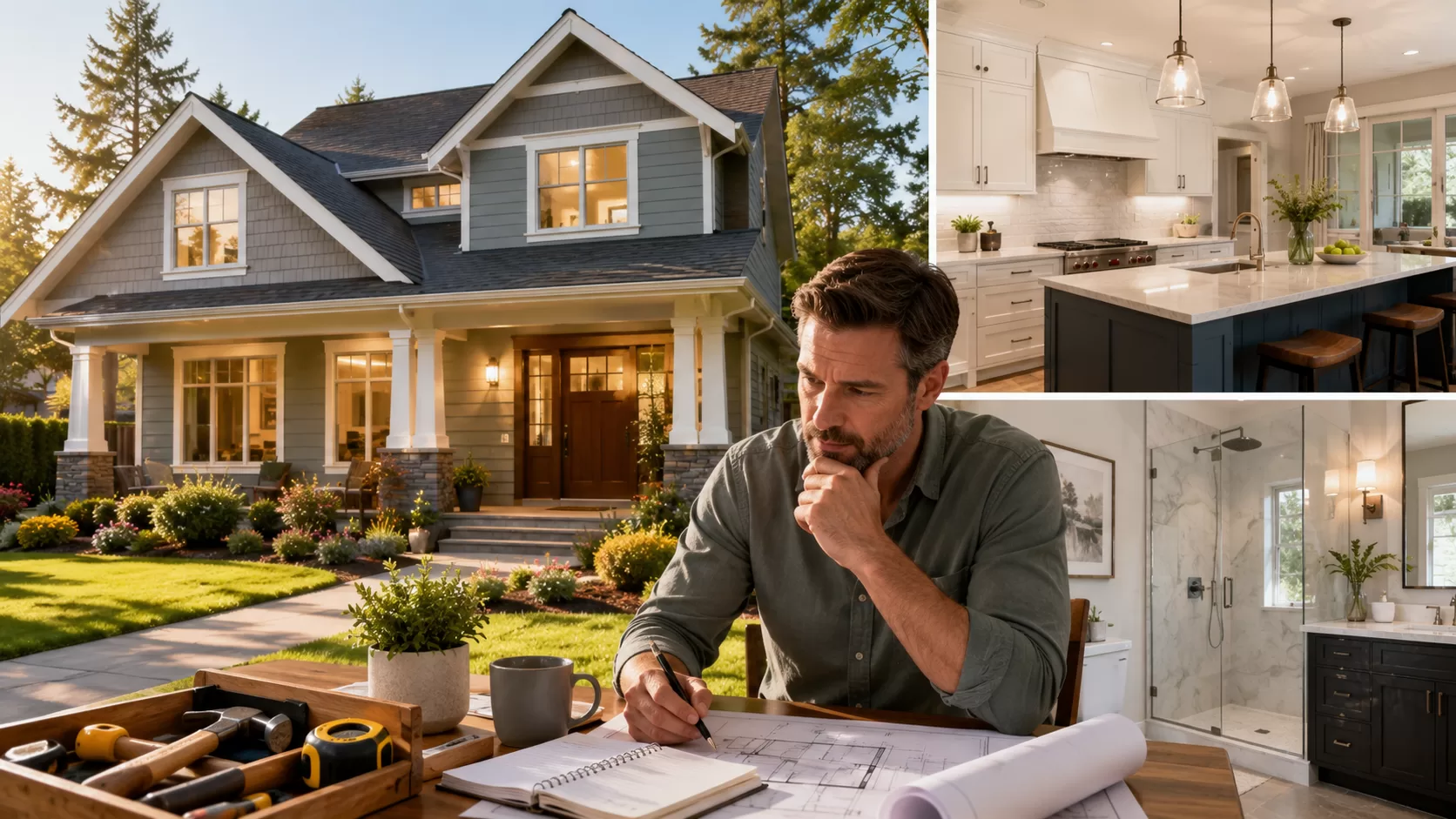
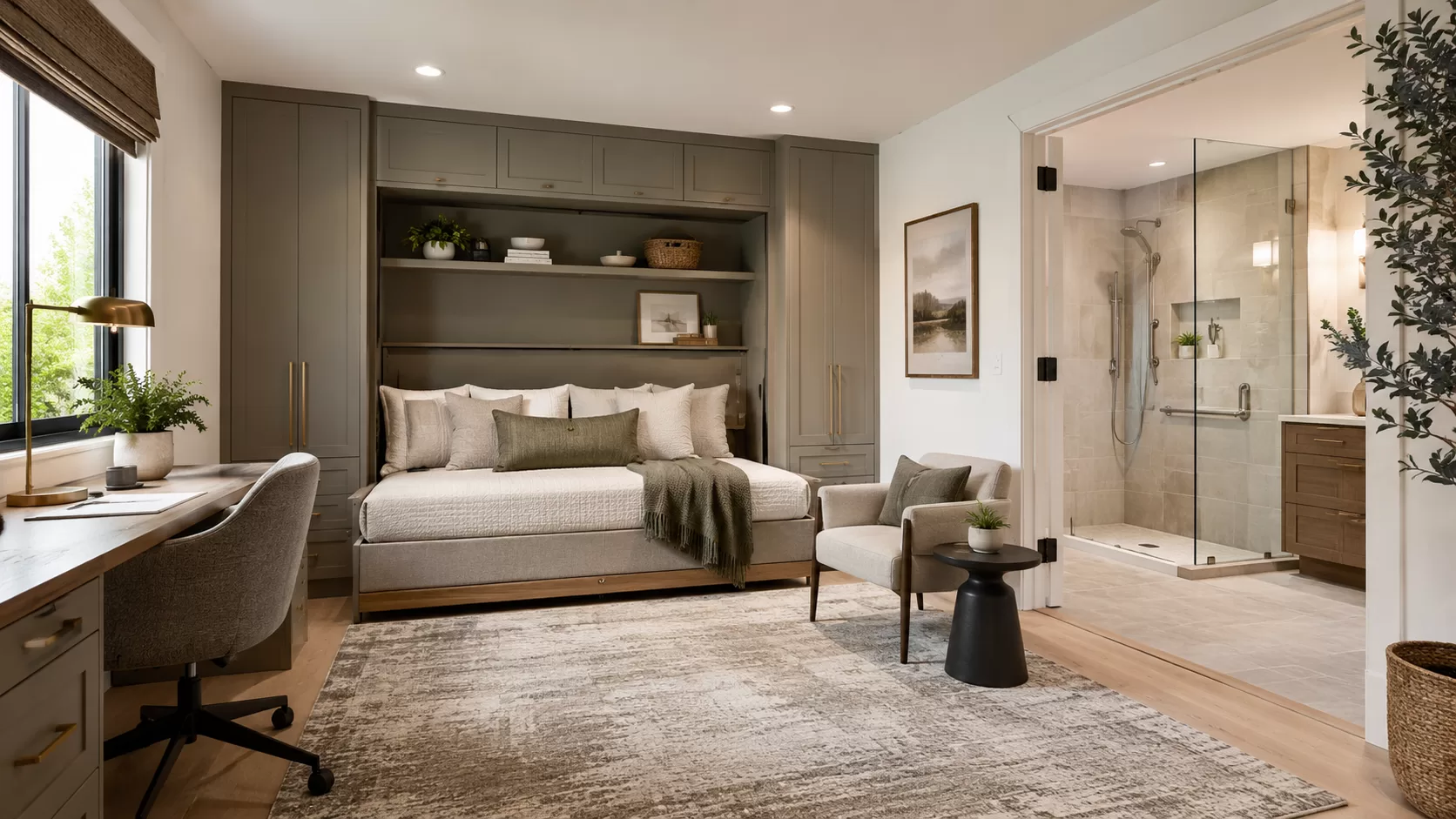
When renovating, it is worth asking whether rooms can perform more than one function. A guest bedroom might eventually become an office, nursery, hobby room, or home gym. A large dining room could potentially become a workspace. An open-plan area may benefit from lighting, flooring, or furniture arrangements that allow it to be divided into several zones without constructing new walls.
It is useful to follow future design trends, but flexibility is often more important than trying to predict exactly how people will live in the future.
Electrical planning is a good example. Adding sufficient outlets, data connections, charging points, and flexible lighting during a renovation is generally easier than trying to add them once every wall has been finished.
Storage is another area where forward planning pays off. Homes often become cluttered not because they are too small, but because everyday items have never been given a practical place to go. Built-in storage, utility closets, pantry space, and well-designed wardrobes can make the same number of square meters function much more effectively.
Universal design principles can further extend the usable life of a home.
Features such as wider doorways, accessible bathrooms, walk-in showers, good lighting, minimal level changes, and step-free entrances can make everyday life easier for people of many different ages and abilities. These details may seem unnecessary to a young homeowner, but they can become extremely valuable later.
They can also broaden the eventual buyer pool. A house that works comfortably for young families, older adults, and people with limited mobility may have an advantage over one that requires major adaptation.
Future-proofing does not mean turning every property into a clinical or institutional space. Many accessibility improvements can be incorporated almost invisibly into good contemporary design.
The objective is simply to avoid creating unnecessary obstacles that may eventually require expensive reconstruction.
Understanding Property Depreciation
Physical design is only one side of property ownership. Understanding how a property behaves financially can also influence renovation and investment decisions.
Depreciation refers to the decline in value of certain assets over time as they age, deteriorate, or become obsolete. Buildings contain hundreds of components that gradually wear out, from flooring and electrical equipment to heating systems and interior finishes.
For owners of income-producing property in the United States, depreciation can also have important tax consequences. Under IRS rules, qualifying property investors may generally depreciate the building portion of a property over a specified period while the land itself is not depreciated in the same way.
This distinction is particularly important for landlords and commercial property owners.
A more specialized tax strategy used by some property investors is cost segregation.
Instead of treating an entire building as one asset that depreciates over several decades, a cost segregation study identifies components that may legally fall into shorter depreciation categories.
Depending on the property and applicable tax rules, items such as certain flooring, specialty lighting, equipment, cabinetry, landscaping, or electrical components may qualify for different recovery periods.
That can allow an investor to accelerate part of the property’s depreciation deductions into the earlier years of ownership. In some situations, doing so can reduce taxable income and improve short-term cash flow.
However, cost segregation is not simply a matter of assigning shorter depreciation schedules to as many items as possible. The classifications must be defensible, and tax regulations can change.
Anyone considering this approach should understand the applicable cost segregation limitations and ideally discuss the strategy with a qualified tax professional.
Used correctly, depreciation can turn part of the unavoidable aging of a property into a financial planning tool. It is one example of how understanding the accounting side of ownership can complement the design and maintenance side.
Optimizing Your Asset’s Value
Every building ages, but not every building ages equally well.
Some homes remain attractive and functional for decades with relatively modest updates. Others begin to feel outdated only a few years after renovation. The difference often comes down to the quality of the original decisions and the consistency of maintenance.
Preserving value therefore requires more than simply renovating.
The first step is usually preventative maintenance.
A small roof leak can eventually damage insulation, ceilings, flooring, and electrical systems. A minor plumbing leak can lead to mold and structural damage. Peeling exterior paint can expose materials beneath it to moisture. Air-conditioning equipment that is never serviced may fail much earlier than expected.
None of these maintenance tasks are particularly exciting, but ignoring them can quickly become expensive.
Creating a simple maintenance calendar for the property can help. Depending on the home, it might include annual roof inspections, gutter cleaning, HVAC servicing, resealing exterior surfaces, checking plumbing connections, testing smoke detectors, inspecting windows and doors, and reviewing exterior drainage.
Regular maintenance also protects the appearance of a home. Buyers often notice the cumulative effect of good upkeep immediately, even if they cannot identify every individual improvement.
Renovations should be approached strategically as well.
Not all improvements produce the same return. A highly personalized feature that costs a large amount of money may add little to the eventual selling price. By contrast, upgrading an outdated kitchen, improving bathrooms, repairing the exterior, adding practical storage, or improving curb appeal can influence how buyers perceive the entire property.
The important distinction is between improving a home and over-improving it.
Installing luxury finishes in a property where comparable homes in the area are much more modest may not produce a proportional financial return. Before undertaking a major renovation, it can be useful to look at recent comparable sales and understand what buyers in that particular market actually value.
The concept of design for longevity adds another dimension to this process.
A well-designed product or system should ideally be repairable rather than disposable. This principle can also be applied to houses.
For example, concealed plumbing that remains reasonably accessible is easier to repair than pipework permanently trapped behind elaborate finishes. Modular lighting systems can be easier to maintain. Appliances with replaceable components may remain usable for longer. Standardized fixtures can make future replacements simpler and cheaper.
Thinking about how something will eventually be serviced is not particularly glamorous during the design stage, but it can save substantial frustration later.
Spend More Where It Matters
Designing for longevity does not mean specifying premium materials everywhere.
A more effective approach is to identify which parts of the home experience the greatest wear and which items are the most difficult or expensive to replace.
For example, spending more on good waterproofing behind a bathroom wall may be far more valuable than spending the same amount on a designer tap. The waterproofing is invisible, but failure can create thousands of dollars in damage.
The same principle applies to roofing, windows, insulation, electrical systems, plumbing, foundations, and structural components.
These are the parts of a home where poor-quality materials or workmanship can become extremely expensive.
Decorative elements are generally easier to change.
Cabinet handles, lamps, paint colors, curtains, stools, mirrors, and decorative tiles can transform the appearance of a room without requiring structural work. These are often better places to experiment with trends.
A useful rule is to keep expensive and difficult-to-replace elements relatively timeless while allowing inexpensive and replaceable elements to carry more personality.
This creates a home that can evolve aesthetically without requiring a major renovation every decade.
Think About the Cost of Maintenance
Purchase price is only part of the cost of any design decision.
Some materials require regular sealing. Others scratch easily or need specialist cleaning. Certain finishes may look beautiful when newly installed but become difficult to maintain in a busy family home.
Before choosing a material, it is worth asking a few practical questions.
How often will it need maintenance? Can it be repaired locally? Are replacement parts readily available? Will the manufacturer still support the product several years from now? Does it require specialist labor?
These questions are particularly important for expensive technology.
Smart-home systems, automated blinds, complex lighting controls, integrated audio systems, and connected appliances can improve a home considerably. But they can also create future maintenance problems if they depend on proprietary software or hardware that becomes obsolete.
Technology should ideally make the property easier to use, not leave future homeowners dependent on discontinued equipment.
Whenever possible, choose systems that can continue functioning manually or that use widely supported standards.
Document Your Improvements
One of the easiest ways to protect the value of renovation work is also one of the most frequently overlooked: keep good records.
Create a digital folder containing invoices, warranties, architectural plans, appliance documentation, paint specifications, contractor details, maintenance records, and photographs of important work.
Photos taken before walls and floors are closed can be particularly useful. Knowing where pipes, wiring, underfloor heating systems, or structural reinforcement are located can make future repairs considerably easier.
Documentation can also help during a future sale.
Being able to show prospective buyers that the roof was replaced, the electrical installation was upgraded, the HVAC system has been regularly serviced, or the waterproofing was professionally installed adds credibility to the condition of the property.
It transforms vague statements such as “the house has been well maintained” into something that can actually be demonstrated.
For investment properties, detailed records are even more important because renovation expenses and capital improvements may also have accounting or tax implications.
The Long-Term View of Ownership
The most important change is ultimately one of perspective.
A home is a place to live, but for most owners it is also one of the largest assets they will ever own. Treating those two realities as completely separate can lead to poor decisions.
You can still create a home that feels personal and distinctive while making choices that support its long-term value.
Instead of asking only, “Do I like this?” it can be useful to ask additional questions.
Will it still work in ten years? How expensive will it be to maintain? Can it be repaired? Could the room serve another purpose? Would another owner find this useful? Is this improvement solving a real problem or simply following a temporary trend?
Those questions do not remove creativity from the design process. In many cases, they lead to better design.
A classic neutral foundation, for example, does not have to be boring. It gives furniture, artwork, textiles, and decorative objects more room to change as tastes evolve.
Similarly, purchasing a quality fixture may cost more initially but save several replacement cycles. Investing in insulation may not provide the visual excitement of a new sofa, but it can improve comfort every day while reducing energy use for years.
The financial benefits of these choices tend to accumulate gradually.
Lower utility bills, fewer emergency repairs, longer replacement cycles, adaptable rooms, careful maintenance, and sensible renovations may each seem relatively small on their own. Together, however, they can substantially affect the lifetime cost of owning a property.
That is the real purpose of designing for longevity.
It is not about predicting every future trend or maximizing the resale value of every square meter. It is about creating a home that continues to perform well as circumstances change.
When thoughtful design, durable materials, regular maintenance, and sound financial planning work together, a property becomes more than an attractive place to live. It becomes an asset capable of supporting both your lifestyle today and your financial goals for the future.