Event audiences are like buyers; you must know them well to make an impact. And by ‘well’, we mean ‘extremely well’.
Let’s put it this way: if you can’t describe your attendees’ emotional motivations and networking interests, then you know nothing about your event audience.
“But I know enough about my attendees to manage my events”, you might be protesting. Sure, you can plan flawless conferences, seminars, or product presentations that will run smoothly and give you a nice ROI. But if you don’t have a clear understanding of who your guests are, you’re missing out on generating massive results, both in terms of attendance and revenue.
Defining the attendee personas for your event(s) is the first step in profiling your audience and aligning your planning with what they actually need. But first, let’s see what an attendee persona is. You’re probably already familiar with the concept of a “buyer persona. A buyer persona is a semi-fictional representation of your ideal customer based on market research and real data about your existing customers. When creating your buyer persona(s), consider including customer demographics, behaviour patterns, motivations, and goals. The more detailed you are, the better.”
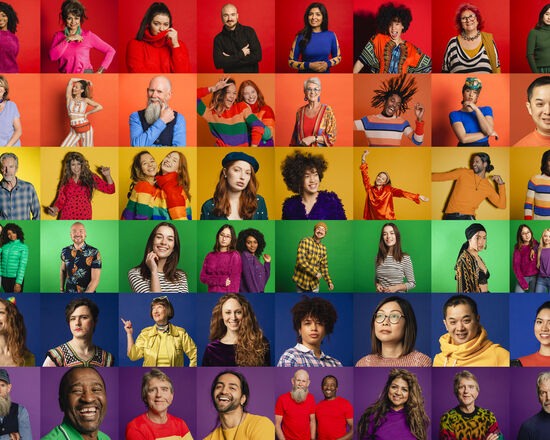
Extending this term to the event industry, we’ve identified the idea of an “attendee persona”. This concept defines the semi-fictional representation of your ideal guests. Detailed attendee persona descriptions will help you focus your efforts on perfectly tailoring the event to each persona’s needs and expectations, giving your event greater impact and bigger results.
Here’s a series of tips to help you map the characteristics of your event audience:
Step #1. Audit your planning goals
Your ideal target group depends on your event objectives. If your intention is to attract new leads, then you have to focus on people who are aware they need a solution. If you want to gain more brand advocates, you have to focus on inviting people who are already using your products and marvelling at new cool features or opportunities.
Your attendee personas will vary by event, and each persona has distinct goals and motivations. To define your ideal guests, you must track your planning goals and understand what you want to achieve from the event.
Step #2. Set up clear defining criteria
To speed up and streamline the process of building an attendee persona, you can use templates. These templates must include a list of questions or concepts to help you organise information about your ideal guest.
Apart from basic demographic and professional information (location, age, place of employment, industry, job title, etc.), the templates should also include an emotion-based framework, such as your audience’s pain points, key purchase factors, behaviour drivers, values, speed of decision-making, etc.
Step #3. Schedule a series of interviews with your potential guests
As previously mentioned, an attendee persona is a semi-fictional representation of your ideal guest, meaning it can be built as a sum of characteristics that define all audience members. To really make good use of the templates, reach out and interview different people. If you are planning an event for a company, depending on your goal, you can contact clients or leads to request more information.
It’s very important to build this attendee persona based on real facts and the data you’ll get from these people. You can’t just imagine or guess your ideal attendees’ answers. It won’t work.
Step #4. Learn about your attendee personas’ motivations and challenges
Knowing where your guests are from and their financial status is not as crucial as understanding their emotional drivers. If you want to provide real value and achieve your goals (whether you’re looking for new clients or building a community), you need to decode your guests’ motivations and challenges.
You can do that through interviews, but if you want to get honest and helpful answers, you need to know what questions to ask.
For example, if you want to plan an event for entrepreneurs who are just beginning their endeavour, you could ask your prospects what their typical working day looks like, what their goals are and what keeps them from achieving those goals, what their dream life would look like, etc.
These direct questions may be personal and somewhat scary for some people, but they’re the only way to get valuable, accurate data about their motivations, challenges, and overall emotional backgrounds. This information will help you have a complete attendee persona profile and plan a truly attractive and valuable event.
Step #5. Observe the language patterns of your attendee personas
This step is important for event marketing. Speaking the language of your attendee personas will help you successfully promote your conference or seminar. You can accomplish this by adopting their ways of speaking, using their words, slang, and expressions.
Call to action
Building an attendee persona profile may require some time and effort, but it’s worth it. This deep immersion stage will provide you with the information you need to develop a more powerful strategy that generates real impact.
The better you know your attendee personas, the more successful you’ll be in achieving your goals and reaching high KPIs.
Source: Photo: iStockPhoto 1152809217