Welcome to PIMpod, the podcast from Peninsula Integrative Medicine. Through conversations with our physicians and other experts, PIMpod explores the many ways we can better understand our health, address the root causes of illness, and take a more informed and personalized approach to well-being.
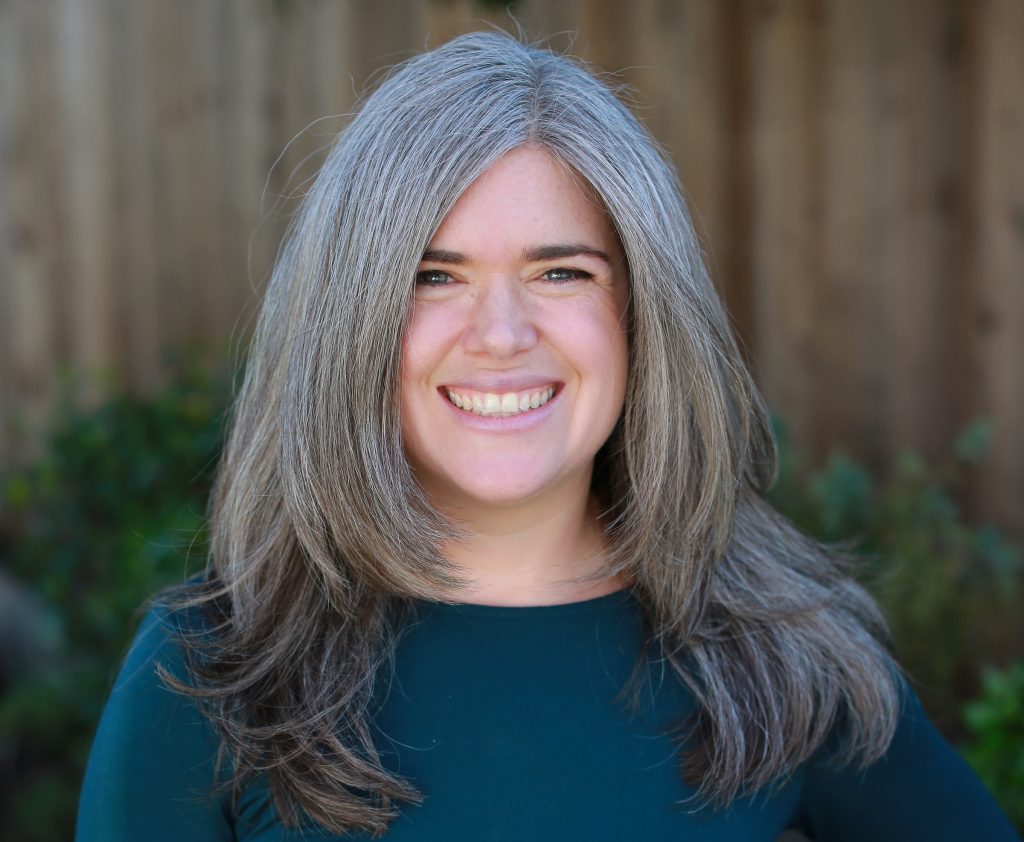
In this month’s episode, host Maya Mazin sits down with Dr. Meghan Kemnec, ND to talk about her work in naturopathic medicine and her focus on supporting individuals and families through every stage of health. From preconception and pregnancy to infancy, childhood, and beyond, Dr. Kemnec shares how an integrative, evidence-informed approach can help families build a strong foundation for lifelong health.
Their conversation explores the role of nutrition, lifestyle, preventive care, and healthy family habits, as well as the importance of supporting health proactively rather than waiting for problems to arise. Dr. Kemnec also discusses what it means to care for the whole family and how small, intentional choices can shape health for years to come. Listen and/or read the full transcript below.
PIMpod, S1, E1: Meet Dr. Meghan Kemnec Transcript
Maya Mazin (MM): Dr. Megan Kemnec is a licensed naturopathic physician of more than a decade of experience in functional and integrative medicine, specializing in pediatric care, women’s health, and preventative medicine. A graduate of the United States Naval Academy and Bastyr University, she completed a competitive family practice residency with advanced training in areas including endocrinology, cardiovascular health, environmental medicine, and integrative oncology. Doctor Kemnec is passionate about helping patients at every stage of life by combining evidence-based natural medicine with personalized root cause care. Her work focuses on the connections between gut health, hormones, immune function, and overall wellness, empowering patients to achieve lasting health through nutrition, lifestyle, medicine, and individualized treatment plans. Doctor, thank you so much for joining me on this month’s podcast. It’s a pleasure to be with you.
Doctor Meghan Kemnec (Dr.MK): Maya, thanks for having me.
MM: So first, I would love to learn more about what motivated your career path into integrative medicine and family medicine?
Dr. MK: Sure. Well, you can see as by the start of my career, I’ve always been interested in some sort of service, which led me to go to the Naval Academy, and after leaving the Navy, I had a couple of different jobs that led me towards nonprofit work. And I didn’t feel quite close enough to helping people in my nonprofit work. And I kind of coincidentally met a veterinarian who was practicing acupuncture and Chinese herbal medicine and was living in Seattle at the time and found this really neat school called Bastyr University. There, I learned more about it and started to get really passionate about the kind of medicine that was practiced by naturopathic doctors.
MM: That’s awesome. And what drew you to family medicine specifically?
Dr. MK: Yeah, I think I’ve always been interested in kids. And then having children of my own certainly solidified my desire to work with all populations, including pediatrics. And I often find that working in this way, you do end up really treating the whole family. So that really was how I ended up coming to, you know, kids often come in first and then maybe their mothers come in and then eventually the partners and or fathers end up coming in too. And so it’s kind of neat to be able to see the whole family and know their whole story and understand what’s going on with everybody.
MM: That’s awesome. Just so for those who maybe aren’t as familiar with some of your specialties, could you maybe your clinical focus and approach to medicine?
Dr. MK: Yeah. So for my pediatric population, I do a lot of gut health, so a lot of kids suffer from constipation. It’s one of the most common chronic diseases I deal with as well as eczema and allergies. So, really looking really often at the microbiome as a root cause for, some kind of, you know, imbalance in bacteria to help kids have optimal health there. And then also looking at sometimes some nutrient deficiencies that can be corrected to help. Sometimes other things as well.
That’s kind of where most of that skin and gastrointestinal symptoms come from, is the gut. And then, for women’s health, I focus quite a bit on hormone balancing. So everything from, you know, PMS type symptoms up to, fertility and perimenopause. And a lot of that is really based on, you know, getting the right balance, when hormones are out of whack due to different environmental factors or just our body’s natural production of hormones. I’m also often kind of tweaking hypothyroid conditions where patients might have been on a certain type of thyroid hormone for a long time, and that may be serving them partially, but not the whole way. So really getting to the root cause and understanding what all is going on in context with hormones as hormone systems connected to each other. And they all, you know, some interplay that we need to tweak adrenal health or thyroid health in order to get our other endocrine health functioning optimally.
Now that’s a new thing. I’m also kind of delving into some of that weight loss as well with a lot of my patients. So that’s another hormone, those GLP one medications. And that can often help to improve our insulin sensitivity and get people’s metabolism working better.
MM: That’s amazing. It sounds like you have so many different specialties wondering in terms of family medicine, right? What does integrative family medicine really look like, and how does it differ from maybe a traditional family medicine doctor?
Dr. MK: Yeah. So in a traditional practice, I think, well, I’ll give the conventional world a little bit of credit. They’re coming away from using antibiotics as the first line of defense for all ear infections. For instance, oftentimes we’re recognizing now that they’re viral and that they’ll pass. And natural medicine has known that for quite a long time. And we’ve used topical remedies like garlic and mullein oil for an ear infection.
Or, when kids have recurrent ear infections, I’m often looking for food sensitivities as a root cause. So sometimes, you know, dairy can be chronically inflammatory. Sometimes wheat can. And so sometimes diet changes can help those kids avoid those quite frequently. And so that’s where, you know, that kind of stuff is where natural medicine really shines because again, we’re getting at that root cause and we’re not overtreating with antibiotic use. Additionally, in family medicine, again, you’re seeing the whole family. And so whereas your conventional provider will look at, you know, really basic labs. , a functional and integrative clinic is going to dive a little deeper to get at the root cause for preventative care. So looking, you know, really in depth at different cardiovascular metrics, at different nutritional metrics to really understand the root cause of someone’s, you know, fatigue or whether or not they are at risk for cardiovascular disease, really kind of picking that apart a little bit more to make sure that everyone is as healthy as they can be within the metrics of what their genetics and environment have them for.
Related Reading: Understanding Food Allergy and Food Sensitivity (IgA vs IgG vs IgE reactions) by Dr. Meghan Kemnec
MM: You mentioned this key word, right. Root cause. And I’m wondering, I know a lot of women struggle with PMS, PMDD, various menstrual irregularities or even endometriosis. And what are some ways that traditional pharmaceutical treatments fail to treat these conditions? And how does integrative medicine look at the root cause of these things?
Dr. MK: Yeah, I think conventionally gynecology is a lot of when there’s some kind of menstrual issue, we throw a birth control medication at it or we throw an SSRI at it. I see that quite often. And sometimes that is the best thing for the patient, right? When they don’t have the bandwidth or the finances to get into some of what this is, because let’s be quite honest, sometimes root cause medicine is a lot of work and it’s a lot of money. And so when you don’t have bandwidth for that, then you know, that may be the easiest, most efficient thing to do. And I do, you know, offer those as options to patients because I want them to know what’s out there for them. But when you get into the root cause you’re also looking at, you know, how are your detox pathways working? Is there estrogen dominance that’s causing the issue or hormone fluctuation that’s causing some of those symptoms? And how do we control that more naturally with supplements, including, you know, different herbs that can help to manage hormone balance or supplements that are nutrients that can also help to, you know, reduce levels of estrogen, for instance, or support levels of progesterone. And so that’s where, you know, again, natural medicine can help people that are leery of just using birth control and setting their body into this kind of trick ovulatory state where we’re not ovulating. And that holds things at bay. And again, if people don’t want to do that, then there’s other options out there. And I’m really happy to talk about them through what they are. And then we decide together what’s the right thing. Right. Is it to, you know, maybe use some supplements or are you better served with conventional options? That’s amazing. And I love how you’re looking for the root cause, not just treating the symptoms and putting a bandaid over it.
MM: Yeah. I’m wondering, what are some common supplements that you see a lot of women needing to take?
Dr. MK: Yeah. So my number one supplement probably for most people is vitamin D. I think that most of us just aren’t getting enough from the sun. And if we don’t know our levels, it’s hard to titrate to a specific range. But that’s the most common one. And that’s really, again, generic for like all humans. And then for women’s health in particular, when there is estrogen dominance, I’ll use a lot of something called diindolylmethane, which is a compound that is made to help balance out estrogen and helps detox it. Magnesium and B6 are also really often used for that as well. And then to support progesterone, often using evening primrose oil is really nice support for that. And sometimes other herbs are different like formula compounds. And oftentimes I’m also just addressing adrenal health with different herbs called adaptogens. So really common ones that people may see out in the world are things like ashwagandha that people have heard a lot about or whatnot. And I do, again, often make use of different combinations of those as well.
MM: That’s awesome. Now transitioning more to pediatrics. I know you mentioned focusing on the wellness of children and this includes even before conception. And so I’m wondering, what does this look like in practice? And how does this translate into concrete treatments or services that you offer?
Dr. MK: Yeah. So a lot of my patients are coming to me either, wanting support with their fertility journey, kind of like preconception, ready to try to conceive and like, you know, six months or twelve months, and you want to get an idea of what they should be taking or doing in order to make their body most ready. And in those cases, what I’m looking at is making sure that, you know, again, our nutrients are optimized things like iron stores and B vitamins and thyroid. And then what we want to do is think about our, you know, three months before really getting in that optimal lifestyle in, you know, getting, making sure that we’re exercising and getting in healthy foods and all that stuff. As far as supplements go, I may honestly use some repurposed, reproductive endocrinology supplements. So there’s a lot of really great studies for fertility on specific antioxidants out there. And that’s what we use for fertility prep otherwise. So things like melatonin might be used or CoQ10 and some other ones as well, depending on different circumstances. The other thing that I do is focus on the partner because a lot of women, I think, take on fertility or even loss and miscarriage as if it was my fault. It was something I did. But we have to remember that fifty percent of our genetic material is our partners. And so making sure that we’re doing, you know, potentially a semen analysis or at least looking at is the partner on a, you know, basic multivitamin and a fish oil maybe or some other antioxidants as well to improve their chances and some testing as well for partners if needed.
Related Reading: Preparing for Pregnancy: Why Preconception Health Matters by Dr. Meghan Kemnec
Free Download: PIM Preconception Considerations Workbook
MM: Great. Thank you. Also, it’s back to school season. And I’m wondering, especially during this transition time from the summer to the school year, are there any habits that you recommend families to build that can improve their health during the school year? Like sleep habits or maybe something along those lines.
Dr. MK: Oh, I love this question! Yeah. Let’s get back to habits, not just supplements. Great, yeah. So I think sleep is obviously the most critical thing for immune health, right? It’s giving our body a chance to restore and to repair overnight. And so focusing on, you know, some of those sleep habits may have gotten lax over summer when we don’t have to be up at a certain time. So a couple weeks prior, let’s, you know, start backing up that bedtime and maybe going from, you know, nine o’clock bedtime to a seven thirty, eight o’clock bedtime is really hard. So maybe start in fifteen minute increments to back it up slowly so that it doesn’t feel like we’re laying in bed now or, you know, staring at the ceiling for hours before we’re falling asleep. I’m hoping that everybody’s been outside and enjoying the summer and that we can continue to, you know, get outside and be active most days during the year as well. You know, we recommend that, kids especially, but everybody gets, you know, sixty minutes at least of play running around outside a day. And so hopefully everybody’s continuing to exercise. And then, you know, as always eating healthfully, making sure that you have a balanced diet. There’s some really interesting studies coming out recently that promote eating many different plant foods, not just the same plant foods. If we get into our habits of, you know, routine and doing the same things over and over again. You can really improve your gut health by increasing the number of plant foods. And that includes different grains and different spices for fruits and vegetables. So really try to rotate through and get as many different varieties of plants as you can every week.
Related Reading: (coming soon) Back-to-School, Back-to-Health: Building Healthy Family Habits That Last All Year by Dr. Meghan Kemnec
MM: That’s great. I love your focus being not just supplements, but habits and so many different things that you’re looking at really the whole body.
Dr. MK: Yeah. It’s probably been about five years now with the American College of Lifestyle Medicine where I became a certified practitioner. They’re a diplomat to learn about and reinforce really all of the lifestyle medicine that we learn in, you know, in our training. And that program is really focused on healthful eating and lifestyle as the foundation for good health, which is really inspiring, actually, to see medical doctors embrace what we know as naturopathic doctors.
MM: Could you speak a little bit more on that experience, maybe some challenges or highlights from that?
Dr. MK: So I’d say, one challenge was honestly just getting my head wrapped around taking another exam for another board degree. It’s really exhausting to do, you know, all of the different, examinations for, for boards and I had a little bit of, uh, you know, bad feeling around, uh, whether or not, you know, you pass the first time, but luckily, of course I did, then studied and, you know, worked hard with, uh, with one of another colleague of mine to do that. And then, I think there’s two other things that, you know, kind of stood out for me from that experience that were kind of challenging. One is that this is a group of pretty hard core vegan practitioners. And, I think vegan eating can be really helpful for a lot of people, but I don’t think it fits everybody’s lifestyle. And I try not to recommend anything too strict to a lot of people because of course, there’s a lot of people with a history of disordered eating and, you know, negative associations with food. And so I try to meet people where they are and not be too strict on any specific type of diet, especially while dealing with pediatric populations, because sometimes, you know, you just need to feed your kid. That’s what counts. Obviously, we try to do better where we can, but that is best in all life stages. And then, you know, it’s also a little bit, that’s the word I’m looking for … It’s a little bit intimidating to be with a bunch of different medical doctors and to be, you know, the first and second naturopathic doctor to get this certification amongst all of these MDs and really feel kind of out of my wheelhouse there. But I’d say that it’s been, it was a really great experience and it’s been really inspiring again, to see these medical doctors who really understand how much lifestyle can matter in our health for sure.
MM: Thank you so much for sharing about that. Now lastly, just kind of looking forward, is there anything that you’re most excited about in the field of integrative pediatrics or integrative health, and is there anything you think needs to change the most in terms of family medicine?
Dr. MK: Oh my God. Okay, so what am I most excited about? I think I’m really interested to see where this whole new world of peptides is going. I’m a little bit nervous about it. I’m a little bit leery. I’m maybe a little bit more risk averse than some of my fellow practitioners around use of some of these products, but it’s this whole new burgeoning field with a ton of new uses.
I’m just really curious to see what the potential is for integrative medicine and family medicine and how we can kind of, without being too scientific about it. Biohack our health and to, you know, we’re not going to live forever, but like how to improve quality of life as we age and how to maintain our youth, in, you know, novel ways that we haven’t used before. And your second question, I think access to care is really important. And it’s one of those things that is really upsetting to see. So I think from a political level, I think health care for all in this country is really important. You know, a lot of people come to us with resources to be able to throw something out there, and so we can dig deeper with them and do more work with them. And a lot of people are doing just fine with their, you know, conventional primary care. And that’s wonderful. But there’s a lot of people out there that are uninsured or underinsured that need support. And I think that that’s our biggest challenge at this point, is getting some sort of system in place where no person is left to come to the emergency room for something that could have been taken care of at their doctor’s office. Have they been seen three months earlier or a year earlier for preventative care?
MM: Yeah, for sure. Access is definitely still a very big problem in this country. But with that, I just want to thank you so much again for joining me on this month’s episode of PIMPod. And for everything that you do to help make our community healthier and for answering all these questions.
Dr. MK: Thanks for your time, Maya. It was nice to talk to you.
Interested in Working with Dr. Kemnec?
Request a 10-minute complimentary consultation, give our office a call at (650) 485-2758 or send us a message, and one of our Patient Care Coordinators will assist you.