How Property Rezoning Can Increase the Value of Your Investment

Understanding property zoning laws is crucial for property owners. After all, zoning regulations can affect you in different ways, so it’s important to know what you can and cannot do with your property. In addition, some property owners see opportunities for property rezoning, which reclassifies the land to fall into a new zone with new restrictions and land-use rights. If you want to learn more about property rezoning and how it works, just keep reading.

Main Takeaways
- Zoning rules affect what you can build and how you can use a property. Check the specific address and proposed use before making an investment plan.
- A project that doesn’t fit the current zoning may need a permit, variance, special exception, or rezoning. The right route depends on local rules. Philadelphia, for example, has a permit process for changing a property’s use and a separate board process for variances.
- Rezoning may make a property more useful or valuable, but approval and a higher value aren’t guaranteed. Include application costs, other permits, and project costs when assessing the opportunity.
Although zoning laws are probably not the first thing on your mind when buying a rental property, they’re incredibly important. After all, land use laws can majorly affect what types of properties you buy and rent out. So read along as we go over everything property owners and property management companies in Philadelphia need to know about property zoning and rezoning.
What Is Zoning and Property Rezoning?
Zoning laws are specific regulations that determine how properties can or cannot be used. Each property, no matter where you are, has particular usage rights. For instance, you can’t build an apartment building just anywhere. You have to make sure it’s permitted under the current zoning law.
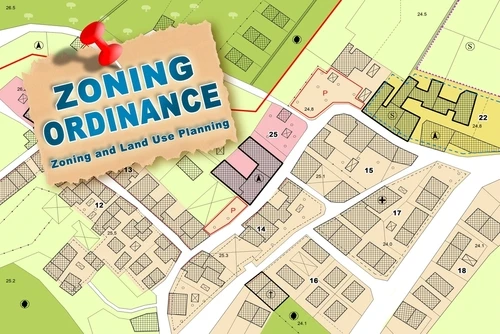
The local government regulates and develops land, breaking it down into multiple “zones” to help balance a city and ensure proper land use. In other words, zoning laws provide value to citizens and protect local environments. Generally, zoning districts include residential, commercial, and industrial categories, each with different rules and land-use regulations.
Generally, zoning laws affect land use, building heights, density, and other aspects of land use. That said, if an investor sees an opportunity requiring property rezoning, they must petition to change the law. Next, let’s go over why you might petition to have the land rezoned for new or renovated properties.
Why Change the Zoning of a Property?
Property owners generally change zoning because an opportunity arises. For instance, you may want to purchase several rentals and develop a residential subdivision. However, if you wish to build a new rental property or convert an office building to an apartment, you have to check your local zoning laws.
That said, each area is different when it comes to zoning. For instance, every city, town, or county with zoning has various permits, laws, and restrictions–even cities right next to each other.
If your proposed use isn’t permitted by right under the current zoning, check your options before pursuing rezoning. Depending on the property and local zoning code, the project may require a variance or qualify as a use permitted by special exception. If a zoning-map change is necessary, expect a more involved review process.
How Do You Change Property Zoning?
Since zoning is done with the community and environment in mind, it can be challenging to make changes to certain areas. For instance, these laws help ensure industrial zones are a safe distance from residential areas and ensure proper land use throughout each community.

Some cities or counties decide to rezone some portions of land to develop new communities and residential areas. However, if you want to change zoning laws or local regulations, you must submit an application to petition for rezoning.
If your project needs rezoning, ask your local planning or zoning office how to request a map change. The exact process varies, but these are useful starting points:
- Confirm the property’s current zoning and your proposed use.
- Ask if a permit, variance, or special exception could allow the project.
- If rezoning is needed, review the application requirements, fees, and required plans.
- Submit the request and take part in any required reviews or public hearings.
- Wait for a decision from the local authority responsible for zoning changes.
As you can see, the first step is determining the existing zoning classification and how you want to change it. That said, you have to consider the cost, as there are generally fees for applying for rezoning. Then, once you submit an application, it can take several months for the zoning board to review it. After all, you must provide detailed plans on why and how you’ll rezone a property.
Once you submit your reasoning, officials will evaluate and determine how your rezoning plans may impact the community. For instance, officials will evaluate the request under the applicable zoning standards, which may include considering potential impacts on nearby properties, the surrounding area, or the environment.
Depending on local rules, you may need to attend a public hearing before the responsible authority decides on the request.
How Long Does It Take to Change the Zoning?
Property rezoning can take a long time, depending on where you are. First, you must spend time researching your current laws and your vision for property rezoning. Then comes the application process, which can take several months for the zoning board to review and approve or deny.
Overall, the timeline depends on your location, the changes you’re proposing, and the reviews or hearings required. Ask the local planning office for a realistic estimate before you commit to buying or developing the property.
Although the process is long and complicated, property rezoning can be beneficial for some investors. Read along as we discuss how rezoning can increase the value of an investment property.
Can Property Rezoning Increase the Value of Your Investment?
Yes, rezoning a property can potentially increase the value of an investment property. For instance, perhaps you find an old office building to convert into apartments. This could be a great investment opportunity but could be impossible due to zoning laws.

After all, there are several laws and regulations regarding land and property used for residential, commercial, and industrial areas. For example, commercial zoning laws affect units like office buildings, shopping centers, and hotels. At the same time, residential zones include single-family homes, apartments, condos, and more.
So, if you find a residential property opportunity within a different land zone, you may consider property rezoning.
If your rezoning request is approved, you’ll still need to check the permits and costs involved in completing the project. The change may improve the property’s potential, but it won’t guarantee a higher return.
FAQs About Property Rezoning
Rezoning can open up new uses for a property, but it’s a bigger step than simply applying for a permit. These questions can help investors work out what to check first.
What does it mean to rezone a property?
Rezoning changes the zoning classification that applies to a property or area. That can change the uses or types of development allowed there, depending on the local zoning code.
Do you need rezoning to change how a property is used?
Not always. Start by checking what the current zoning allows. You may need a zoning permit, variance, or special exception instead. For example, Philadelphia requires a zoning permit for certain changes in property use, including changing a commercial space into a residential unit.
Can a landlord turn an office building into apartments after rezoning?
Rezoning may address one obstacle, but it doesn’t approve the entire conversion. The owner would still need to check building, safety, accessibility, and other applicable requirements, then obtain the necessary permits.
How long does property rezoning take?
There’s no reliable timeline that applies everywhere. It depends on the locality, the proposed change, required reviews and hearings, and the decision-making process. Ask the local planning office about the steps and likely schedule before committing to the project.
Does rezoning automatically increase property value?
No. A new zoning classification may allow a use that buyers or developers value more, but the outcome depends on demand and what it will cost to carry out the plan.
Protect Your Properties With Professional Management
Property rezoning may be a complicated process, but it’s worth it for some investors. After all, you don’t want to miss out on an opportunity to expand your rental business. However, when you own any real estate or rental properties, you must consider how to manage them.
Need More Advice? contact us today!
That said, hiring professional property management can help ensure your rental business succeeds. Bay Property Management Group offers comprehensive management services for property owners, whether you own one rental or several. Our dedicated property managers can help with tenant screening, rental maintenance, rent collection, and more. So, contact BMG today to learn more about our rental services.