
2XKO would have needed an MAU base “in the high hundreds of thousands, if not millions” to succeed

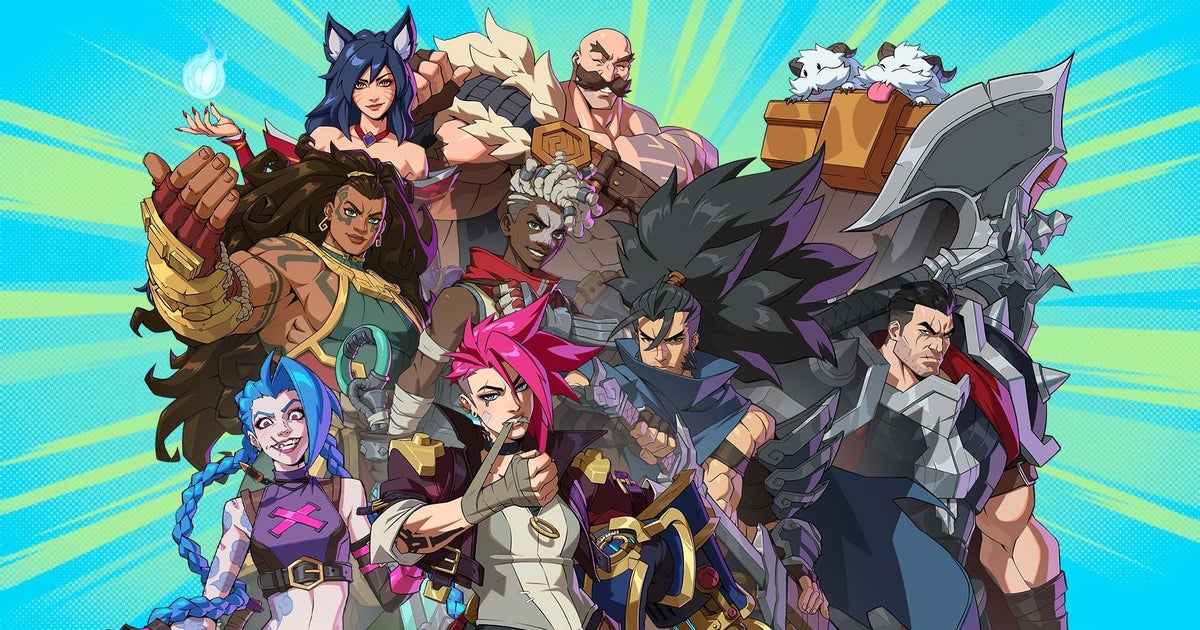
Riot Games’ 2XKO would have had to attract a base of monthly active users “in the high hundreds of thousands, if not millions” to be sustainable, according to CPO Marc Merrill.
On The Lemonade Stand podcast (as spotted by IGN), Riot’s co-founder and co-chairman stated that although the game resonated with some players, the audience was “not nearly enough” to support the game’s intended live service model.
2XKO ended active development in August, as it cost “substantially more to operate than it [brought] in, and engagement stayed relatively flat despite larger updates.”
The game is still playable and free to download on PC, PlayStation 5, and Xbox Series X|S, with servers remaining online “beyond 2026.”
In addition to the need for a large player base, Merrill cited the release of Street Fighter 6 as a factor in 2XKO’s unsuccessful launch.
“I think we had a window to do some great things to really help the fighting game community, and then Street Fighter 6 came out, which was something like eight years after we started working on 2XKO,” Merrill explained.
“We had an awesome development team of really talented people that did great work and made a beautiful game. We’d already communicated all this stuff to players, and so we were like, ‘You know what? Let’s keep going, let’s give it to the community. Let’s see what happens.”
He added: “I think if we came out, ideally when we should’ve, years before Street Fighter, I think we would have made a really significant impact.”
Merrill also discussed Riot’s 2016 acquisition of Radiant Entertainment, noting that its free-to-play title Rising Thunder, released in alpha in 2015, was a major inspiration for 2XKO.
After acquiring Radiant Entertainment, Riot removed Rising Thunder from storefronts and eventually cancelled it, but released it as open-source a year later.
Merrill explained that Riot aimed to combine Rising Thunder’s “simple controls and cool concept relating to a 1v1 fighting game” with “the League IP with the Cannon brothers, and add a cool Riot-style competitive ecosystem,” which led to the creation of 2XKO.
However, leadership changes resulted in a lack of “alignment on the strategy, which then caused managerial fracturing.” Merrill noted that the team received conflicting guidance and concluded, “We’ve got nobody to blame but ourselves.”


