Top 5 Rental Property Appliances that Tenants Want in their Home

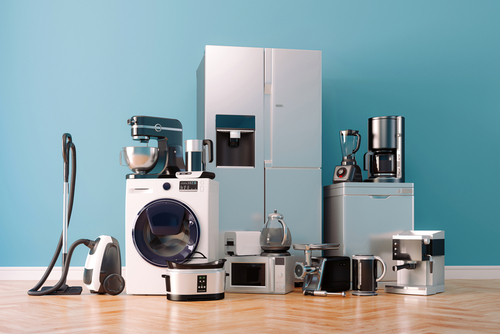
Part of running a successful rental business includes providing tenants with up-to-date appliances and valuable amenities. Reliable appliances can give tenants a better experience and make your rental more appealing. Unfortunately, most of them come with a hefty cost. Choose appliances based on reliability, energy use, and what tenants expect in your local market.
Main Takeaways
- Choose appliances that fit your rental and budget. Compare nearby rentals to see which features tenants expect before paying for upgrades.
- Consider the full cost. Include installation, maintenance, repairs, and energy use—not just the purchase price.
- Check appliance requirements. Local housing rules and your lease help determine what you must provide and maintain.
- Look for energy-efficient models. ENERGY STAR-certified appliances can reduce energy use, though savings vary by model and usage.
- Separate damage from normal wear. Document appliance condition and follow applicable law when charging tenants for damage.
Considerations Before Investing in Rental Property Appliances
Before taking the plunge of buying new and expensive appliances, landlords should take a step back and determine what their rental property needs. A team that handles rental property management in Washington, DC can help you compare options based on tenant expectations and maintenance needs. Here are a few questions and considerations to keep in mind before you invest in rental property appliances.
- What Rental Property Appliances Do Tenants Want?
- What Will Give You the Best Value?
- What’s Going to Save Energy?
- Do You Qualify for Added Tax Incentives?
What Rental Property Appliances Do Tenants Want?
What you consider a necessity in your home may not always match what tenants want in a rental home. So, to figure out what appliances tenants genuinely want and need, you need to look at both value and appeal. To accomplish this, do some research on current rental trends, and look at what other landlords provide in their rental homes.
What Will Give You the Best Value?
One significant concern when it comes to investing in appliances is finding amenities that give you the best value. After all, appliances are a considerable expense for landlords, so it’s crucial to choose them carefully.
If your rental home is located in a mid-range neighborhood, it’s probably not worth your while to add luxury appliances. On the other hand, if you own a rental in a high-end area, you will likely find people willing to pay for nicer appliances.
What’s Going to Save Energy?
Purchasing energy-saving rental property appliances is great if you want to save money and the environment. That said, you’ve likely seen many appliances with the “Energy Star” logo. If you didn’t know, Energy Star is part of a program run by the US Environmental Protection Agency, making an effort to provide energy-saving appliances.
Do You Qualify for Added Tax Incentives?
You can generally recover the cost of rental appliances through depreciation. Some purchases may qualify for faster deductions, but Section 179 eligibility depends on the property, your rental activity, and other tax requirements. Keep receipts for the appliances and installation, and ask a tax professional which treatment applies. See IRS Publication 527 for guidance on rental expenses and depreciation.
To learn more about what you can deduct from your taxes this year, check out our blog!
What Rental Property Appliances Should Landlords Provide?
Before deciding what to provide, check local housing requirements and your lease obligations. Then compare similar rentals nearby. Here are five common appliances to consider based on your property, budget, and tenant expectations.
Refrigerator
A refrigerator is a common feature tenants expect, though the landlord’s obligation to provide one depends on local requirements and the lease. While standard white fridges work just fine, your tenants may want something that looks a little more aesthetically pleasing. So, you have a few options. You could:
- Opt for a classic, white refrigerator
- Purchase a new stainless steel refrigerator
- Buy a faux stainless steel refrigerator
Choose a finish that fits your budget and the other appliances in the rental. But, landlords should do their research on tenant expectations in the area and make an informed decision accordingly.
Stove/Oven
Choose a stove that matches the property’s fuel supply, electrical capacity, available space, and ventilation requirements. Have a qualified professional confirm that the connections are suitable. Let’s take a look at some pros and cons of each choice:
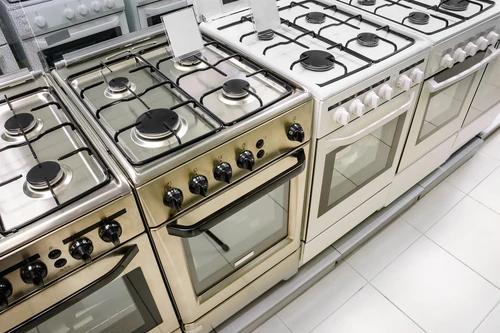
Electric Stove
- Requires a suitable electrical connection; many full-size ranges need a dedicated 240-volt circuit.
- Installation costs depend on the existing wiring and the model.
- Conventional electric and induction cooktops offer different cooking features.
- Proper installation and safe use are essential.
Gas Stove
- Requires a suitable gas connection and electrical supply where specified.
- Installation and running costs depend on the property, model, and local utility rates.
- Open-flame burners respond quickly to heat adjustments.
- Proper ventilation and installation are important because gas cooking produces combustion pollutants.
Washer and Dryer
A washer and dryer can appeal to tenants who want laundry at home. However, don’t assume they will support a specific rent increase. Compare nearby rentals with and without laundry, then weigh any potential increase against installation and maintenance costs.
Before buying, check the washer’s water supply, drainage, and electrical connection. For the dryer, confirm the required electrical or gas connection and ventilation. Ventless models have different installation requirements.
Similarly, be mindful of how much space they will take up. If your rental home is small, it’s wise to opt for a space-saving or combination unit. However, if you have a separate space dedicated for laundry, you could install larger capacity units.
Microwave
A microwave can be a useful amenity, especially if it helps tenants save counter space. Countertop models are generally easier to replace, while built-in and over-the-range models may require professional installation.
Choose a model that fits the available space and electrical requirements. A higher price doesn’t necessarily mean better value for your rental.
Dishwasher
A dishwasher can make your rental more appealing, particularly where similar properties already offer one. That said, choose your dishwasher carefully according to what will fit in your rental property.
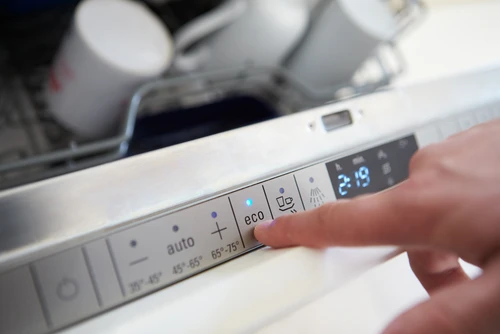
If you have a smaller home or apartment, it’s best to choose a compact dishwasher to save space. However, if you have more space or multiple tenants in one property, a regular-sized dishwasher should suffice. With that, to help you or your tenants save money on utilities, look for an Energy Star symbol on your dishwasher.
What Happens if Tenants Damage Your Appliances?
Appliances can break down through normal use, age, or misuse. Before charging a tenant, document the cause and check the lease and applicable law. To help prevent avoidable damage, follow these steps:
- Show tenants how to properly use and care for all the appliances in the home.
- Explain appliance care and reporting responsibilities in the lease. Any damage charges must comply with applicable law and account for ordinary wear and tear.
- Follow manufacturer maintenance schedules and applicable entry-notice rules when inspecting or servicing appliances.
Unfortunately, not everyone is going to treat your rental property appliances with the same respect you’d treat your own. However, coming up with protocols and procedures for broken or misused appliances can help you save costs in damage later on.
FAQs About Rental Property Appliances
Choosing appliances involves more than picking a finish or brand. Here are some common questions about what to provide, how to budget, and who handles repairs.
What Appliances Should a Landlord Provide?
Start with local housing requirements and the lease. Refrigerators and stoves are common in rentals, while washers, dryers, microwaves, and dishwashers may be additional amenities. Compare similar rentals nearby to see what tenants expect.
Do Rental Properties Need Brand-New Appliances?
Not necessarily. A safe, reliable appliance in good working condition may serve the rental well. Consider replacement when repairs become frequent, parts are difficult to find, or the appliance no longer works properly.
Can Adding a Washer and Dryer Increase Rent?
It may make your rental more appealing, but there’s no fixed rent increase you can count on. Compare similar homes with and without laundry, then weigh any potential increase against installation, maintenance, and replacement costs.
Are Energy-Efficient Appliances Worth the Extra Cost?
They can be, depending on the purchase price, utility rates, and how often they’re used. Compare estimated energy use and check for available rebates. If tenants pay the utility bills, they generally receive the direct savings.
Can Landlords Deduct the Cost of Rental Appliances?
Appliance costs can generally be recovered through depreciation, and some purchases may qualify for other tax treatment. Eligibility depends on your rental activity and the applicable tax rules. Keep purchase and installation records, and ask a tax professional how to claim the cost.
Who Pays When a Rental Appliance Breaks?
Landlords must meet applicable repair and maintenance requirements, even if the lease assigns certain responsibilities to tenants. Tenants may be responsible for lawful charges when they cause damage beyond ordinary wear and tear. Document the cause before charging a tenant, and don’t assume every breakdown is their responsibility.
Need Help Maintaining Your Rental Property?
Let’s face it. Nobody wants to deal with pesky maintenance issues within a rental home—especially landlords. So, how can you skip the stress while saving precious time and money? Consider hiring a property management team!
Bay Property Management Group provides top-notch leasing services and helps you manage the day-to-day needs of your rental. Whether you need help with tenant screening, collecting rent payments, filing evictions, or keeping up with maintenance, we’ve got you covered.
If you want to learn more about our comprehensive property management services, contact us today! We proudly offer rental property management in Washington, DC, Baltimore, Philadelphia, Northern Virginia, and surrounding counties.