
Celebrity Capital Is Not a Business Strategy. Here’s How You Turn It Into One. – Cannabis & Tech Today

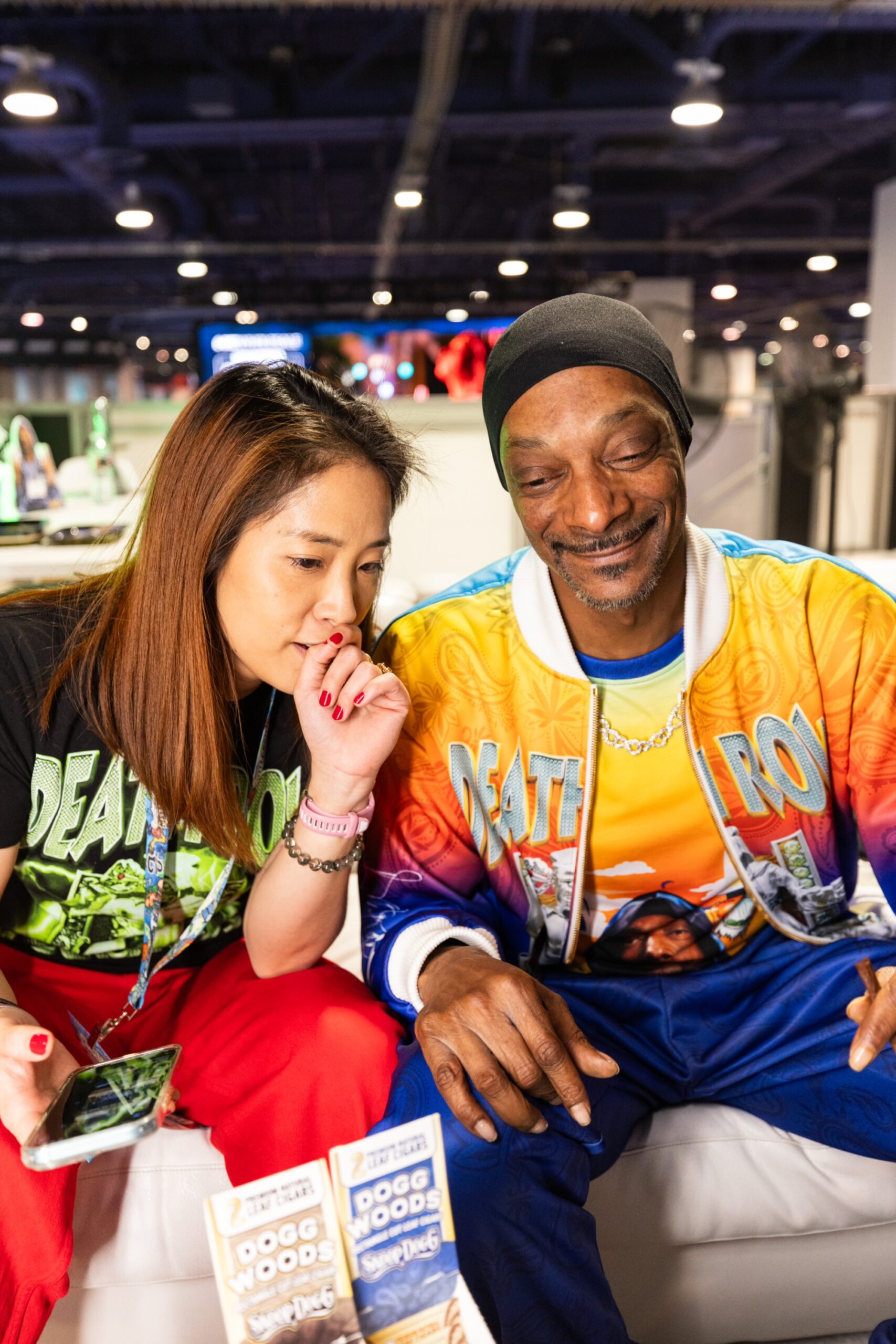
Death Row Records Cannabis puts Snoop Dogg’s name to work through cultivation oversight, accessible pricing and a small team with distinct expertise.
Key Points
- Celebrity recognition brings attention, while product quality and operational discipline determine repeat business.
- Death Row’s core team combines business strategy, Snoop’s product preferences and cultivation expertise.
- Partner oversight, accessible pricing and retail experiences underpin the brand’s expansion.
When it comes to celebrity cannabis, there is no bigger name in the business than Snoop Dogg. The rapper turned entrepreneur and Emmy Award-winning entertainer has been synonymous with cannabis culture since the release of his debut solo album, Doggystyle.
Now, in a full-circle moment, Snoop owns the record label that helped launch his career and has spun up a division under Death Row Records dedicated to celebrating the culture as much as the plant.
One might mistakenly believe that having a brand backed by Snoop would mint money, but celebrity doesn’t equal success. The landscape is littered with celebrity brands that didn’t deliver. Blame the product. Or the partnership structure. Or the operators themselves. Perhaps even a combination of all three.
The Team Behind the Name

But for Tiffany Chin, who Snoop personally tapped to lead Death Row Records Cannabis (DRRC), she had a clear mandate: Build a brand as authentic as Snoop’s place within the culture of cannabis and music. That conviction has shaped how Chin has assembled and operates her small but mighty team.
Chin is something of a Swiss Army knife herself. A Wharton graduate with a background in retail, entertainment and brand partnerships, she previously helped build Snoop’s first cannabis venture, Leafs By Snoop, and co-founded Casa Verde Capital. She also has firsthand cultivation experience, having spent time around boutique grows her now-husband ran during California’s early legalization years. Her strength is connecting the dots between business strategy, consumer behavior, product development and the realities of cannabis operations.
Then there’s Travis “Shaggy” Marshall, Snoop’s longtime sound engineer and cannabis confidant. Marshall has spent years working alongside Snoop, both in music and in cannabis. His role is a natural extension of that relationship: He understands Snoop’s tastes, knows what passes his personal test and helps ensure the product reflects the standards associated with the name. As the team jokes, Shaggy has probably smoked more weed with Snoop than anyone else alive. If it doesn’t impress Shaggy, it isn’t making it to the shelves.
Rounding out the core team is AK, a respected West Coast cultivator whose experience spans breeding, cultivation and large-scale grow operations. Known for his work with Wizard Trees and Cookies-related cultivation operations, AK brings the technical expertise needed to identify exceptional flower and evaluate the people growing it. He has consulted on and helped turn around cultivation facilities, giving the brand an experienced set of eyes on everything from genetics to growing practices.
It’s an unusual combination of skills, but a deliberate one. Chin brings the business and operational discipline, Marshall brings an intimate understanding of the brand’s most important consumer, and AK brings the cultivation expertise. Rather than building a large corporate structure, they’ve put together a team that can make decisions quickly and get directly involved in the product.
Quality and Accessibility

Together, they’re tasked with guiding Death Row down the right path. That starts with getting an amazing product, one that Snoop would gladly smoke himself. While not every strain is his personal favorite, he weighs in on nearly every one that goes into a bag. The team also puts boots on the ground to evaluate the cultivation partners responsible for delivering it.
“We’ve been known to fly in just to visit a grow house and we’ll fly home that evening. The most important thing is to make sure our growing partners are doing it right,” Marshall said.
That level of oversight is important in a business where a brand’s reputation can be compromised by someone else’s cultivation practices. Outsourcing production doesn’t mean outsourcing accountability.
Price is another area where the team is intentional. Chin talks frequently about accessibility and equates it to the man who signs her checks. She describes Snoop as an everyman. He’s aspirational, but he doesn’t operate in the luxury space.
Chin pointed to flower priced around $35 to $40 an eighth in the lineup, a choice made even though Snoop’s name alone could command a higher price tag.
As a parallel, she pointed to Snoop’s previous collaboration with Adidas on the Snoop Seeley sneaker. Rather than pricing the shoe at a premium simply because of his involvement, it was positioned just a few dollars above a standard Adidas sneaker. Compare that with other rapper collaborations that have become high-priced collectibles. The lesson is that celebrity recognition doesn’t have to translate into an inflated price. Sometimes the bigger opportunity is making the product accessible to the audience that made the celebrity famous in the first place.
Growth Beyond Flower
So what has the team accomplished since DRRC launched in 2023? For starters, the brand has grown well beyond its California home base into Michigan, New Mexico and Ohio, and most recently Nevada, where the Las Vegas launch put Death Row in front of a high-volume, tourism-driven market.
The team also helped bring S.W.E.D. (Smoke Weed Every Day) and Tha Dogghouse to life, Snoop’s retail expressions of the brand. The first S.W.E.D. location opened in Inglewood, California, near Los Angeles International Airport. Tha Dogghouse, an Amsterdam coffeeshop, followed in August 2024, bringing the concept global and into a city with its own deeply established cannabis culture. Retail has continued to grow with another S.W.E.D. in Snoop’s hometown of Long Beach, a second Amsterdam location and a new international cannabis club in Barcelona also branded under Tha Dogghouse name.
Chin said that retail is an important extension of the strategy. A storefront gives the brand something a logo on a package cannot: a physical environment where consumers can experience its identity. It also creates a direct connection between the product, the customer and the culture the company is trying to represent. With locations in multiple countries, S.W.E.D. and Tha Dogghouse offer an opportunity to build a recognizable retail experience while navigating very different local cannabis markets and regulations.
On the product side, the brand moved well beyond flower this past May. The lineup now includes 1- and 2-gram 510 vape cartridges, a branded disposable vape, gummies and an expanded pre-roll offering. That gives consumers more ways to engage with the brand and retail partners more to put on the shelf. It also marks a shift from a recognizable flower brand to a full cannabis portfolio.
The challenge, of course, is maintaining the same product standards as the business grows and new formats introduce different manufacturing and quality-control considerations. That tension is the real test of the model. Scaling a brand is easy to do badly and hard to do right, and Chin’s answer is to keep the team small, the standards personal and the product honest.
Lessons for Celebrity Brands
Taken together, DRRC’s first few years offer a few lessons for anyone building on celebrity capital:
- Treat the name as an asset, not a strategy. Snoop opens doors, but the team earns the shelf space in each new market with flower that clears its quality bar, starting with Shaggy’s test.
- Outsourcing production doesn’t mean outsourcing accountability. Flying in to inspect a grow and flying home that night is the cost of protecting a reputation.
- Price for the audience, not the ego. An eighth at $35 to $40 is a bet that the fans who made Snoop famous matter more than a premium margin.
- Build experiences, not just products. From S.W.E.D. to Tha Dogghouse, each storefront is designed as its own destination, giving people a way to step into the culture.
Death Row’s name will keep earning attention. Whether it keeps earning customers depends on the same discipline that got it this far.
Frequently Asked Questions
Who makes up Death Row Records Cannabis’ core team?
The article profiles Tiffany Chin, Travis “Shaggy” Marshall and cultivator AK, whose responsibilities span business operations, product selection and cultivation expertise.
How does the brand evaluate its growing partners?
The team visits cultivation facilities and evaluates growing practices and flower quality, with Snoop also weighing in on nearly every strain that goes into a bag.
What role does pricing play in the strategy?
Chin pointed to flower priced around $35 to $40 an eighth as part of the brand’s emphasis on accessibility.