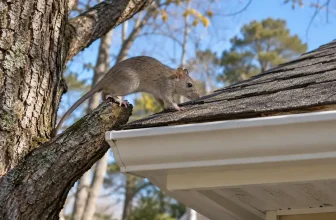

Mice: The Quiet Rodent in Your Home
Mice are often mistaken for a minor nuisance, but they can cause as much trouble as rats. They are small, curious and active mostly at night, and they can squeeze through openings only a few millimetres wide. A mouse can enter a flat through a gap around a pipe, a cable or a door, and it can start nesting in a cupboard or wall void before anyone notices.
In Singapore homes, the species most often found indoors is the house mouse. Females can have several litters a year, so a small problem can grow quickly if entry points and food sources are not dealt with.
This guide explains how to recognise the signs of mice, where they enter and nest, the damage and health risks they cause, why DIY traps often fail, and what a professional rodent control programme involves.
Signs of Mice at Home
Mice leave evidence in predictable places. Checking for these signs early can prevent a small problem from becoming a large one.
Droppings:
- Small, dark, rice-grain shaped droppings, usually around 3 to 6 mm long
- Found along skirting boards, inside cupboards, under sinks and behind appliances
- Fresh droppings are dark and soft, while older ones are grey and dry
Gnaw Marks and Damage:
- Chewed packaging, bread, rice bags and soft plastics in the kitchen
- Gnawed wires and cables, which can create a fire risk
- Shredded paper, cardboard or fabric used as nesting material
Tracks, Smears and Sounds:
- Greasy rub marks along walls, pipes and skirting boards where mice run repeatedly
- Scratching or scurrying sounds in ceilings, walls or cupboards, mostly at night
- A faint, musty odour in heavier infestations
Quick check: Place a sheet of white paper or a light dusting of flour in a suspected area overnight. Tiny footprints or tail marks in the morning suggest mouse activity.
Where Mice Get In and Nest
Mice can fit through gaps about the width of a pencil, and sometimes smaller. They climb pipes and cables, squeeze under doors and use small openings in ceilings and vents.
Common Entry Points:
- Gaps around pipes and cables: Where they pass into walls and kitchens
- Gaps under doors and at door frames: Especially where door sweeps are worn
- Vents and air-conditioning openings: Where mesh is damaged or missing
- Cracks around skirting boards and tiles: Small openings that are easy to overlook
- Drains and floor traps: Where covers are loose or damaged
Common Nesting Spots:
- Inside cupboards, drawers and storage boxes
- Behind appliances, in wall voids and under floor tiles
- Ceiling spaces and behind wardrobes
- Cluttered corners, under furniture and in unused rooms
Damage and Health Risks
Mice contaminate food with their droppings and urine, and they can spread bacteria and viruses to people through contact with their waste, contaminated surfaces, or food and water. Their droppings can dry out and become airborne when disturbed, which is a particular concern during cleaning.
Mice also cause property damage. They gnaw through wires, which can cause electrical faults, and they damage stored items, bedding and furniture. A single mouse can produce many droppings each day, so even a small number of mice can make a home unhygienic quickly.
Safety note: Do not sweep or vacuum droppings dry. Wear gloves and a mask, spray the area with disinfectant, and wipe up with paper towels before disposing of them. Wash your hands afterwards.
Why DIY Traps Often Fail
Household traps and baits can catch a mouse, but they rarely clear an infestation. Mice are cautious around new objects, so a trap placed without understanding their routes often goes untouched. Baits can cause mice to die inside walls or ceilings, where the smell lingers and the carcass is hard to reach. Poison also carries risks to children, pets and wildlife if it is placed carelessly.
The bigger issue is entry. If the gaps that let mice in are not sealed, new mice will keep arriving, and catching one or two does not change that.
- Inspecting the property for entry points, nesting areas, runways and food sources
- Confirming the species and how active the infestation is
- Placing traps and bait stations in the right locations, and checking them safely
- Sealing entry points with durable materials to stop reinfestation
- Advising on food storage, waste management and clutter reduction
- Follow-up visits to confirm the mice have been cleared
What You Can Do Between Visits
- Store food, including bread, rice and cereal, in sealed containers
- Clean up crumbs and spills every night, especially under the toaster and stove
- Keep bins closed and take rubbish out regularly
- Declutter cupboards and storage areas so mice have fewer places to nest
- Seal visible gaps around pipes, cables and vents with durable materials such as steel wool and filler
- Check door sweeps and replace worn ones
- Wear gloves and a mask when cleaning areas with droppings or nesting material
Tip: Steel wool with a filler works better than loose insulation or plastic for blocking small gaps, because mice can chew through softer materials.
When to Call a Professional
- You find droppings or gnaw marks in more than one room
- You hear scratching or scurrying in the ceiling, walls or cupboards
- Wires, cables or stored food have been damaged
- Traps have been set but the signs keep returning
- Children, elderly people or anyone with a weakened immune system live in the home
- Neighbours report mice and shared pipes or drains may be involved
Key takeaway: Mice are small, hidden and quick to breed, and they can cause damage and spread disease. Spotting droppings and gnaw marks early, sealing the gaps they use, and arranging a professional inspection is the reliable way to clear them and prevent a return.
Seeing Signs of Mice at Home?
Speak to GreenCare about a professional inspection and a clear rodent control plan for your property.
Thorough inspection, sealed entry points, and follow-up for your home.