


Sponsored Agricultural knowledge powered by Agric4Profits.com — Africa’s leading farming resource
Press play to listen to this article
Speed
Voice
Broussonetia papyrifera, commonly known as Paper Mulberry, is a plant with a long history of use in various cultures for both its medicinal and non-medicinal properties. It belongs to the Moraceae family and is native to East Asia, including China, Japan and Korea. The plant is known for its distinctive lobed leaves and its bark, which has been used for making traditional paper.
Paper Mulberry is known for its variable size, ranging from a small shrub to a medium-sized tree. In optimal conditions, it can reach heights of 20 to 30 feet (6 to 9 meters) but it may grow taller under certain circumstances. The plant’s growth habit can vary from single-trunked trees to multi-stemmed shrubs, depending on factors such as environment and pruning.
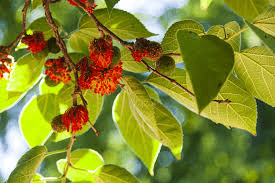
The leaves of Broussonetia papyrifera are one of its most distinctive features. They are alternate, simple and deeply lobed with three to five lobes, resembling the shape of a hand or maple leaf. The leaf size can also vary, but they are generally around 6 to 10 inches (15 to 25 cm) in length. The leaves are bright green and have a rough texture on the upper surface.
The bark of Paper Mulberry is pale gray to brown in color and can have a slightly furrowed or ridged texture. Younger stems and branches have smoother bark that matures and becomes more textured as the plant grows.
The flowers of Broussonetia papyrifera are small and inconspicuous. They are borne in catkin-like structures known as inflorescences which hang down from the branches.These flowers are typically greenish in color. The fruit of Paper Mulberry is a small, round, berry-like drupe. The fruits can vary in color, ranging from white to pink to reddish-purple when mature. They are generally about 0.2 to 0.4 inches (5 to 10 mm) in diameter.
Younger branches tend to be flexible and relatively smooth, while older branches can develop a more textured appearance. The plant’s growth habit can result in a somewhat irregular branching pattern.
🌿 Go Organic on Your Farm: Instead of harmful chemical pesticides and fertilisers, try our organic farming products — including neem oil spray, bio-pesticides, natural plant treatments, organic seeds and seedlings, suckers, and many more organic products that are safe for your health, your family, your soil and your harvest. Shop Now →
The root system of Broussonetia papyrifera can be extensive, especially in well-established plants. The roots are capable of sprouting new shoots, which contributes to the plant’s ability to spread and form thickets.
Broussonetia papyrifera has a somewhat wild and rugged appearance due to its irregular growth habit and deeply lobed leaves. The combination of its lobed leaves, catkin-like inflorescences, and small berries gives the plant a unique and recognizable look.
Nutritional Value of Broussonetia Papyrifera (Paper Mulberry)
1. Flavonoids: Paper mulberry contains flavonoids like quercetin and rutin, which are powerful antioxidants. These compounds help neutralize free radicals, potentially reducing oxidative stress and inflammation in the body.
2. Alkaloids: The leaves and fruits of paper mulberry are rich in alkaloids, which have shown potential in supporting immune function and possessing antimicrobial properties, making them valuable in traditional medicine.
🔧 Free Farm Tool Available: Use our free Agric4Profits Farm Tools to calculate your farm profits, formulate feeds, identify pests and diseases on both your crops and animal farms, plan your planting and harvesting season, including many more farm tasks to get free expert advice and recommendations — completely free, no registration required. Access Free Tools →
3. Phenolic Compounds: Phenolic acids, such as gallic and chlorogenic acid, are present in paper mulberry. These contribute to its antioxidant capacity, which may help protect against chronic diseases like heart disease.
4. Vitamin C: The fruit of paper mulberry contains vitamin C, an essential nutrient that supports immune health, promotes collagen formation, and acts as an antioxidant to protect cells from damage.
5. Fiber: The fruit and leaves provide dietary fiber, which aids digestion, promotes gut health, and may help regulate blood sugar and cholesterol levels.
6. Polyphenols: Polyphenols in paper mulberry, particularly in the bark and leaves, have anti-inflammatory and antioxidant effects, potentially reducing the risk of inflammatory conditions.
7. Saponins: These compounds, found in various parts of the plant, may support immune health and have been studied for their potential cholesterol-lowering effects.
8. Coumarins: Paper mulberry contains coumarins, which have shown anticoagulant and anti-inflammatory properties in some studies, potentially supporting cardiovascular health.
9. Polysaccharides: Found in the plant’s leaves and roots, polysaccharides may enhance immune function and have been explored for their potential in improving gut health.
10. Minerals (Iron, Calcium): The fruit and leaves contain minerals like iron, which supports oxygen transport in the body, and calcium, which is essential for bone health.
Read Also: 10 Medicinal Health Benefits of Belladona (Atropa Acuminata)
The Medicinal Health Benefits of Broussonetia Papyriferra (Paper Mulberry)
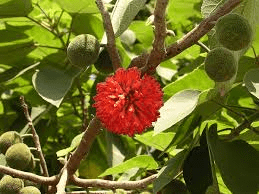
Broussonetia papyrifera, or Paper Mulberry, is believed to possesses various medicinal properties. Here are 15 medicinal health benefits of Broussonetia papyrifera.
1. Anti-Inflammatory Activity: Broussonetia papyrifera extracts have been studied for their ability to reduce inflammation. They may help alleviate symptoms of conditions like arthritis, where joint inflammation is a key factor.
2. Antioxidant Protection: The plant contains antioxidants that can neutralize harmful free radicals, potentially reducing the risk of chronic diseases like heart disease and cancer.
3. Wound Healing: Broussonetia papyrifera’s antimicrobial properties may aid in wound healing by preventing infections and promoting tissue repair.
4. Anti-Hypertensive Effects: Compounds in Paper Mulberry may contribute to lowering blood pressure, which could be beneficial for individuals with hypertension.
📖 Want to Go Deeper on This Topic?
Our expert agricultural ebooks cover poultry, fish farming, different crops production, snail farming, organic farming, mushrooms, sheep, cattle, flowers, pig farming, goat farming, agribusiness, etc. in practical step-by-step detail — written by agricultural professionals for African farmers.
5. Diuretic Properties: Broussonetia papyrifera’s diuretic action may assist in flushing out excess fluids, making it potentially useful for conditions involving fluid retention, such as edema.
6. Gastrointestinal Relief: Traditional medicine employs Paper Mulberry to alleviate digestive discomfort, such as bloating and indigestion.
7. Respiratory Support: Some cultures use Broussonetia papyrifera to relieve respiratory issues, including coughs and congestion, owing to its potential anti-inflammatory and expectorant properties.
8. Antibacterial Benefits: Extracts from the plant may inhibit bacterial growth, which could have applications in preventing or treating bacterial infections.
9. Anti-Fungal Activity: Compounds in Broussonetia papyrifera might help combat fungal infections, supporting treatments for conditions like athlete’s foot.
10. Antiviral Potential: Preliminary research suggests that Paper Mulberry extracts might have antiviral effects, aiding in the management of viral infections.
11. Liver Health: Some traditional uses include liver support, where the plant may help protect the liver from damage and promote its detoxification functions.
12. Anti-Diabetic Effects: There is emerging research suggesting that Paper Mulberry extracts might have a role in managing blood sugar levels, which could benefit individuals with diabetes.
13. Anti-Allergic Properties: Broussonetia papyrifera’s compounds may possess anti-allergic effects, making it a potential aid in managing allergic reactions and symptoms.
14. Skin Health: The plant’s potential wound-healing and anti-inflammatory properties might extend to skin conditions like eczema and dermatitis.
15. Cardiovascular Support: Some traditional uses involve supporting heart health, potentially due to the plant’s antioxidant and anti-inflammatory effects.
Read Also: 7 Medicinal Health Benefits of Houttuynia cordata (Chameleon plant)
The Methods of Usage to Achieve the Provided Health Benefits of Broussonetia Papyriferra (Paper Mulberry)
Here are seven methods of usage to achieve the medicinal health benefits associated with Broussonetia papyrifera (Paper Mulberry):
1. Infusion or Tea: Prepare an infusion by steeping dried Paper Mulberry leaves or bark in hot water for about 10-15 minutes. This method can extract the plant’s bioactive compounds, including antioxidants and anti-inflammatory agents, providing potential benefits for overall health.
Drinking the infusion as a tea may promote antioxidant protection, anti-inflammatory effects, and possible cardiovascular support. Drink 1-2 cups of Paper Mulberry tea daily to harness its potential antioxidant and anti-inflammatory benefits.
2. Topical Application: Create a paste or poultice using crushed Paper Mulberry leaves or bark and apply it directly to wounds, cuts, or skin irritations. Topical application can provide antimicrobial and wound-healing benefits.
The paste may help prevent infections, reduce inflammation, and promote the healing of minor skin issues. Apply a paste made from crushed Paper Mulberry leaves to a minor cut to potentially prevent infection and support wound healing.
3. Tincture: Prepare a tincture by soaking Paper Mulberry leaves or bark in alcohol (such as vodka) for several weeks, then strain the liquid. Tinctures can concentrate the plant’s active compounds and preserve them for longer periods.
Tinctures may offer a convenient way to access the plant’s potential anti-inflammatory, antioxidant, and other beneficial properties. Take a few drops of Paper Mulberry tincture diluted in water, as directed by a herbalist or healthcare professional, to potentially benefit from its medicinal properties.
4. Decoction: Boil dried Paper Mulberry bark or leaves in water for an extended period to create a concentrated liquid. Decoctions extract the plant’s compounds effectively, particularly those found in the tougher bark.
This method could provide a potent source of anti-inflammatory, antioxidant, and other potential benefits. Consume a small amount of Paper Mulberry decoction after consulting with an herbalist, especially for conditions like digestive issues.
5. Supplements: Some health stores offer Paper Mulberry supplements in various forms, such as capsules, tablets, or powdered extracts. Supplements provide a standardized and convenient way to consume specific doses of the plant’s bioactive compounds.
They can be useful for achieving targeted health benefits. Take Paper Mulberry capsules as recommended by the manufacturer to potentially access its anti-inflammatory or antioxidant effects.
6. Steam Inhalation: Boil dried Paper Mulberry leaves in water, then inhale the steam by placing your face over the pot and covering your head with a towel. Steam inhalation can help with respiratory issues by delivering potential antimicrobial, anti-inflammatory, and expectorant effects directly to the respiratory tract.
Perform steam inhalation with Paper Mulberry leaves to potentially relieve congestion and respiratory discomfort.
7. Oil Infusion: Infuse carrier oils (e.g., coconut oil, olive oil) with dried Paper Mulberry leaves or bark by letting them sit together in a warm place for several weeks. Oil infusions retain the plant’s beneficial compounds and can be used for massage or skin application, potentially offering anti-inflammatory, skin-soothing, and antioxidant benefits.
Apply Paper Mulberry-infused oil to sore muscles or inflamed skin to potentially experience its anti-inflammatory effects.
The Side Effects of Using Broussonetia Papyrifera Medicinal Plant
While Broussonetia papyrifera (Paper Mulberry) has been traditionally used for various purposes, including medicinal applications, there are potential side effects and considerations to be aware of. It’s important to exercise caution when using any herbal remedy. Here are some potential side effects and considerations associated with the use of Broussonetia papyrifera:
1. Allergic Reactions: Some individuals may be sensitive or allergic to compounds found in Paper Mulberry. Allergic reactions could manifest as skin rashes, itching, or respiratory symptoms.
2. Gastrointestinal Distress: In some cases, the use of Paper Mulberry preparations may lead to gastrointestinal discomfort, including stomach upset, nausea or diarrhea.
3. Drug Interactions: Paper Mulberry extracts may interact with certain medications, including blood pressure medications, anti-diabetic drugs and anticoagulants. Always consult a healthcare professional before using Paper Mulberry if you are taking any prescription medications.
4. Pregnancy and Lactation: Pregnant and breastfeeding individuals should avoid using Paper Mulberry due to limited safety data. The plant’s potential effects on hormonal balance and its safety for developing fetuses or infants are not well understood.
5. Liver Health: Some sources suggest that high doses of Paper Mulberry extracts could potentially affect liver health. It’s advisable to exercise caution, especially if you have pre-existing liver conditions.
6. Dosage and Duration: Excessive or prolonged use of Paper Mulberry may lead to adverse effects. It’s important to follow recommended dosages and not use the plant for an extended period without proper guidance.
7. Contaminants and Pesticides: Depending on the source and preparation, there could be a risk of ingesting contaminants or residues from pesticides. Ensure you obtain Paper Mulberry from reputable sources or grow it organically if using it for medicinal purposes.
8. Sensitivity to Sunlight: Some individuals may experience increased sensitivity to sunlight (photosensitivity) after using Paper Mulberry products topically or internally. This could result in skin reactions when exposed to sunlight.
9. Individual Variability: People can respond differently to herbal remedies due to individual factors such as genetics, existing health conditions, and concurrent medications.
10. Lack of Scientific Evidence: Many of the traditional uses and potential benefits of Paper Mulberry lack extensive scientific validation. While the plant has shown promising properties in studies, more research is needed to fully understand its safety profile and efficacy.
Scientific Evidence and Case Studies on Broussonetia Papyrifera
1. Antioxidant and Anti-Tyrosinase Activity (Zheng et al., 2010): A study by Zheng and colleagues isolated compounds from the chloroform extract of paper mulberry bark. Four compounds, including 3,5,7,40-tetrahydroxy-30-(2-hydroxy-3-methylbut-3-enyl) flavones and quercetin, showed stronger mushroom tyrosinase inhibitory activity than arbutin, indicating potential as a skin-lightening agent in cosmetics.
2. Growth Performance in Piglets (Li et al., 2020): Research published in PMC investigated the effects of paper mulberry leaf extract on weaned piglets. The study found that a 300 g/t supplementation increased final body weight, reduced diarrhea by 62.9%, and improved immune globulins (IgG, IgA, IgM), suggesting benefits for immune health and growth.
3. Anticancer Potential (Pang et al., 2014): Pang and colleagues studied alkaloids from paper mulberry fruits and found cytotoxic activity against cancer cells. The compounds induced cell cycle arrest and apoptosis in breast cancer cells, indicating potential anticancer properties.
4. Anti-Inflammatory Effects (Han et al., 2016): A study by Han et al. explored the anti-inflammatory properties of paper mulberry extracts. The results showed that flavonoids and phenolic compounds reduced inflammatory markers in vitro, supporting its use in managing inflammation-related conditions.
5. Hepatoprotective Effects (Chen et al., 2022): Research published in MDPI demonstrated that paper mulberry extracts exhibited hepatoprotective effects in animal models, likely due to their antioxidant and anti-inflammatory compounds, suggesting potential for liver health support.
Frequently Asked Questions About Broussonetia Papyrifera
1. What is paper mulberry used for?
Paper mulberry is used for making barkcloth (tapa), paper (like Hanji in Korea), and as a medicinal plant in traditional systems for its antioxidant, anti-inflammatory, and immune-boosting properties.
2. Are paper mulberry fruits edible?
Yes, the orange pom-pom-like fruits are edible and have a sweet flavor, though the central part may have tiny hairs that can irritate the lips if not handled carefully.
3. Can paper mulberry leaves be consumed?
Young leaves can be cooked and eaten, often used as fodder for livestock or in traditional dishes in some cultures. They are rich in flavonoids and alkaloids.
4. Does paper mulberry have health benefits?
Yes, studies suggest it has antioxidant, anti-inflammatory, antimicrobial, and potential anticancer properties due to its rich content of flavonoids, alkaloids, and phenolics.
5. Is paper mulberry invasive?
Yes, paper mulberry is considered invasive in some regions, like parts of the United States and Pakistan, due to its fast growth and ability to spread via runners.
6. Can paper mulberry cause allergies?
Yes, its pollen is a known allergen, particularly in areas like Islamabad, Pakistan, where it contributes to respiratory allergies such as rhinitis and asthma.
7. How is paper mulberry used in cosmetics?
Its extracts, rich in anti-tyrosinase compounds, are used in skin-lightening products to reduce melanin production, making it popular in the beauty industry.
8. Is paper mulberry safe for everyone?
While generally safe in food or medicinal amounts, its milky sap can irritate skin and eyes, and excessive consumption may cause side effects. Consult a healthcare provider before use.
Do you have any questions, suggestions, or contributions? If so, please feel free to use the comment box below to share your thoughts. We also encourage you to kindly share this information with others who might benefit from it. Since we can’t reach everyone at once, we truly appreciate your help in spreading the word. Thank you very much for your support and for sharing!
Disclaimer: This article is for educational and informational purposes only. The health benefits described are based on scientific research and traditional knowledge. They are not a substitute for professional medical advice, diagnosis, or treatment. Always consult a healthcare professional before using any herb or natural remedy for medical purposes.
Read Also:
Read Also: Mastering the Art of Making Signage
🌱 Take Your Farming Further With Agric4Profits
Based on what you just read, here are free resources and products from Agric4Profits that can help your farm right now: