

A successful event is often judged by what attendees remember. Great food, engaging speakers, memorable entertainment, and meaningful networking opportunities all contribute to the experience. Yet many of the most important elements, when they are done well, go largely unnoticed. And that is exactly the goal.
When people can move comfortably through a venue, enter and exit without delays, and feel safe throughout the event, everything else tends to run more smoothly. For catering professionals, event planners, venue managers, and event operations teams, understanding how these elements work together is essential to delivering a positive experience from start to finish.
Why guest flow matters more than many realize
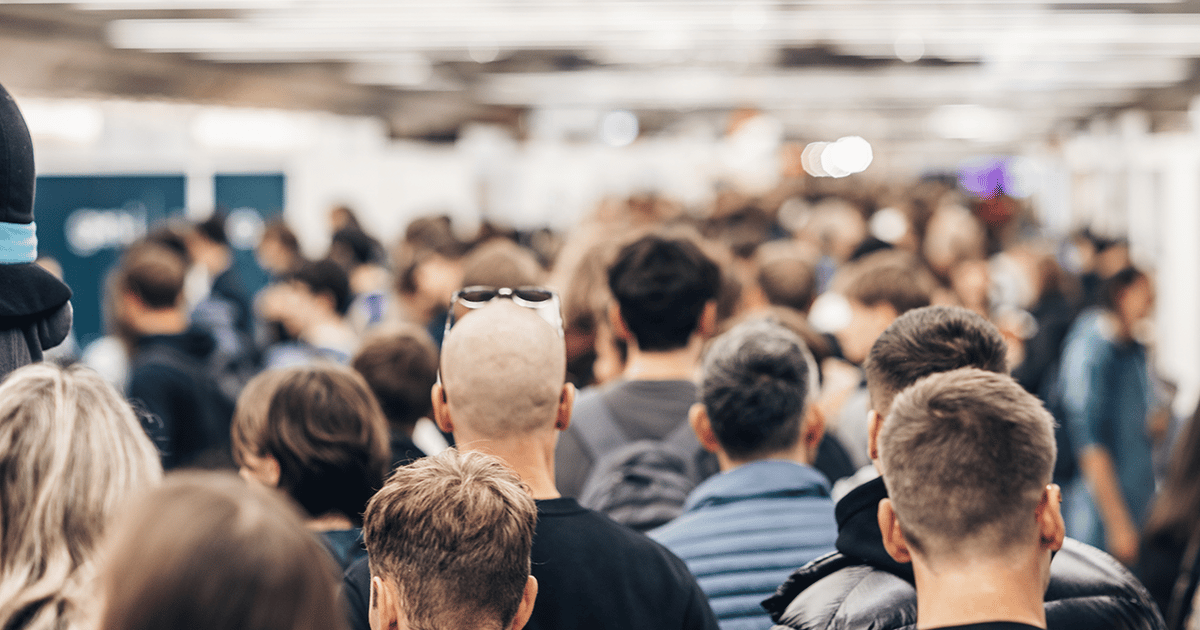
The moment guests arrive, they begin forming impressions. Long lines, crowded entrances, and confusing layouts can create frustration before an event has truly begun.
Guest flow refers to how attendees move through a venue during the course of an event. It encompasses everything from parking and registration to food service areas, networking spaces, restrooms, emergency exits, and departure routes.
A well-designed event space naturally guides people where they need to go. Signage is easy to understand. Walkways remain clear. Gathering points are strategically positioned. Traffic patterns support movement rather than create bottlenecks.
Registration is now live! Join us at Cater+Event 2027 in New Orleans as new trends, products, and ideas in catering and events are revealed during this remarkable industry gathering. CLICK HERE TO LEARN MORE
Even a beautiful venue can become problematic if crowd movement is not considered. A narrow hallway leading to a buffet, for example, can create congestion that affects service times and disrupts conversations. Similarly, poorly placed registration tables can cause backups that extend into entrances and parking areas.
Walking the venue from an attendee’s perspective before the event begins helps identify potential choke points and opportunities to improve circulation.
Designing venues with crowd movement in mind
Every event has unique traffic patterns. A corporate conference operates differently than a wedding reception or a fundraising gala. Understanding how attendees will use the space helps planners make better decisions about layout and logistics. Questions worth considering include:
-
Where will guests arrive?
-
Where are the busiest gathering points likely to form?
-
How will attendees move between sessions or activities?
-
Are there multiple routes available to reduce congestion?
-
Can service areas accommodate expected demand?
Small adjustments can have a significant impact. Relocating a registration desk, widening access to a food station, or creating separate entry and exit pathways can dramatically improve the attendee experience.
The best event layouts feel effortless. Guests rarely notice the planning behind them because the environment naturally supports movement and engagement.
The role of access control
Access control is often associated with security, but it also plays an important operational role. It involves managing who can enter specific areas, when they can enter, and under what conditions. This may include registration verification, credential checks, wristbands, badges, ticket scanning systems, or designated staff-only zones.
Large events frequently involve multiple access levels. Vendors may require early access during setup. Speakers may need backstage credentials. VIP guests may receive access to exclusive areas.
Submissions are now being accepted for the 2027 Cater+Event Gala Awards! We are thrilled to announce the launch of the Cater+Event Gala Awards, a groundbreaking fusion of two of the industry’s most prestigious honors: the Achievement in Catering Excellence (ACE) Awards and the Special Events Gala Awards. Now, these two celebrated programs come together to create something even more powerful: a unified platform that honors the full spectrum of catering and event excellence under one prestigious banner. SUBMIT NOW
Without a structured system, confusion can quickly develop. Unauthorized access can create operational challenges, increase liability, and potentially compromise attendee safety.
Modern credentialing systems help streamline this process while maintaining a positive guest experience. Digital ticketing, QR code scanning, RFID badges, and mobile event apps allow teams to verify access efficiently without creating unnecessary delays. The result is a smoother arrival process and better control over venue operations.
Building a strong on-site safety strategy
Safety planning extends far beyond emergency response. Effective event safety begins long before the first attendee arrives. Every event should include a comprehensive review of potential risks, including crowd density, weather conditions, medical emergencies, vendor operations, and venue-specific hazards. The larger the event, the more important this planning becomes.
Communication plays a critical role. Staff members should understand emergency procedures, reporting protocols, evacuation routes, and points of contact. Vendors and contractors should also receive clear instructions regarding safety expectations.
Visibility matters as well. Guests feel more comfortable when event staff are easy to identify and readily available to assist with questions or concerns.
Technology can further support safety initiatives through surveillance systems, communication platforms, incident reporting tools, and real-time monitoring capabilities. These resources allow event teams to respond quickly when situations arise.
Bringing operations, security, and experiences together
The most successful events do not treat guest flow, access control, and safety as separate functions. They are interconnected parts of the overall attendee experience. Every operational decision influences the others.
When planners take a holistic approach, they create environments that are easier to navigate, more secure, and more enjoyable for everyone involved. Attendees spend less time waiting and more time participating. Vendors operate more efficiently. Staff members can focus on service rather than troubleshooting preventable issues.
Strategic venue design, effective credentialing systems, clear communication, and proactive safety measures all contribute to smoother operations and better outcomes. Whether organizing a corporate conference, community festival, trade show, or private celebration, investing in these issues helps create an experience people remember for the right reasons. For organizations evaluating event protection strategies, booking security professionals who understand crowd management and access control can provide an additional layer of confidence before, during, and after the event.


