

This week in OtherWords, we continue surveying the drastically changed politically landscape in the United States.
One thing nearly everyone agrees on is that the election results reflected significant concerns about affordability — and that the election winners will need to deliver a significant response. Our writers have some suggestions.
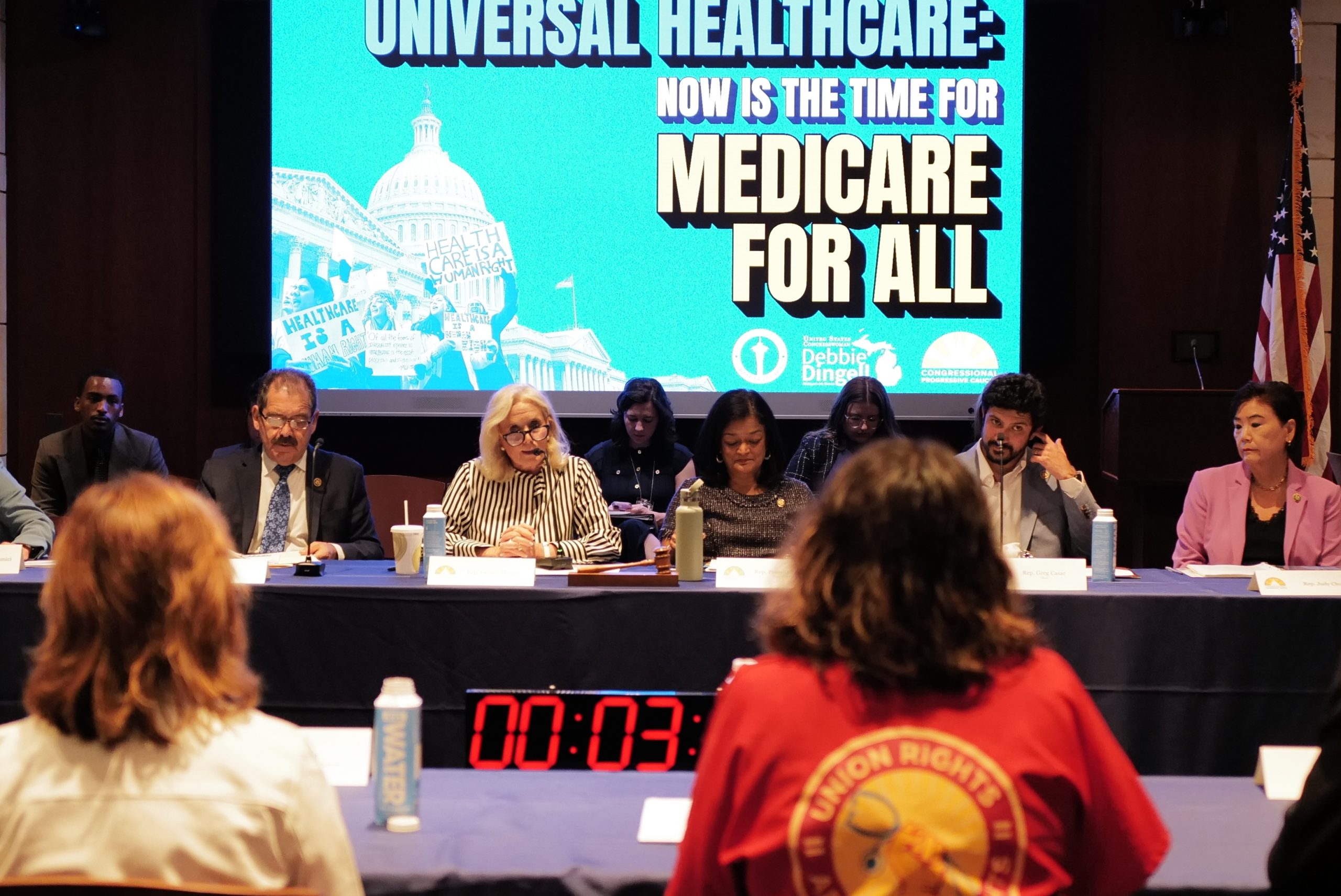
Few things have gotten less affordable than health care, Farrah Hassen points out, urging the next Congress to take up “Medicare for All” legislation regardless of whether President Trump intends to sign it. Meanwhile Sonali Kolhatkar looks at the other side of rising costs — stagnant wages — and urges incoming lawmakers to pass the first federal minimum wage increase in nearly two decades.
Also this week, Zorka Millin explains how international action on corporate tax rates could stop a global race to the bottom — with real impacts for working families.
New This Week…
The Next Congress Must Meet the Moment by Passing Medicare for All | Farrah Hassen
This election was all about affordability — and few things are more unaffordable than American health care.
Step One for the New Congress: Raise the Minimum Wage | Sonali Kolhatkar
The federal minimum wage has been stuck at $7.25 for nearly two decades. It’s time to give struggling workers the raise they deserve.
Why Corporate Taxes Matter for Working Families | Zorka Millin
The global race to attract big business through lower taxes carries huge costs for working families. We need international action to stop this race to the bottom.
In Case You Missed It…
The Midterms Were a Populist Blowout | Peter Certo
Voters rejected Trump’s billionaire-backed politics and attacks on working people. The winners need to show that a different kind of politics can deliver.
My Town Passed a Data Center Moratorium. Yours Can, Too. | Jamie Jeffrey
In an already water-stressed part of the country, the last thing we need are hyperscale data centers overburdening our supply.
Trump’s Invasion of Iran Could Cost You Thousands | Amy Hanauer
Higher fuel and food prices are on track to cost the average household over $1,300 by the end of the year.
How the “Big Beautiful Bill” Is Harming People — And How They’re Responding | Kristen Crowell
Over 15 months and 22 states, I met families struggling with cuts to Medicaid and SNAP — and the people refusing to let their neighbors face those struggles alone.
The post In OtherWords: November 18, 2026 appeared first on OtherWords.