
Agriculture plays a vital role in society, but many of the terms in agriculture can feel overwhelming to newcomers. In this guide, we break down important agriculture terms A–E — from agronomy to earthing up — with simple definitions to help you better understand farm practices, techniques, and terminology. Whether you’re a student, hobbyist, or future farmer, this glossary makes learning ag terms easy.
A – Agriculture Terms Starting with A
- Agroecosystems
- Agroforestry
- Agronomy
- Agricultural Buildings
1. Agroecosystems
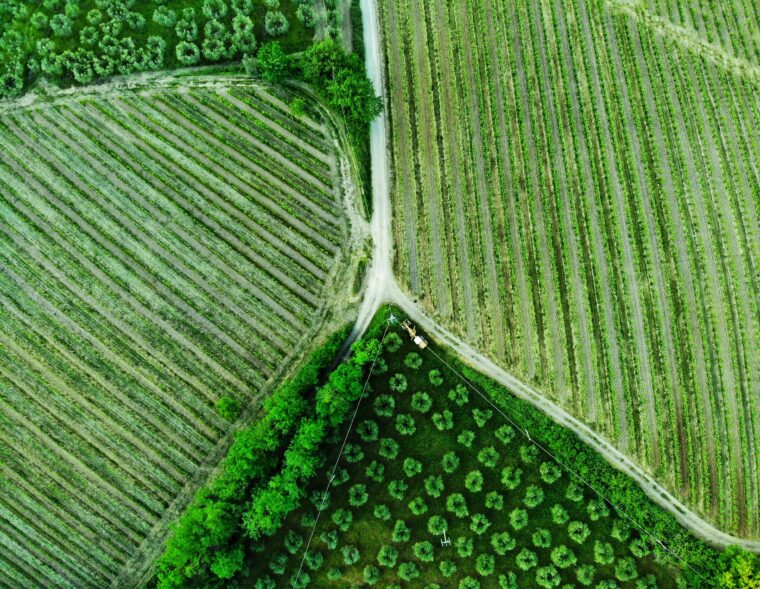
Agricultural ecosystems where crops, livestock, people, and the environment interact as part of a managed system. This includes farms, rangelands, orchards, and forested farmland.
How Agroecosystems Work on Diverse Farms:
Agroecosystems are often found on farms that integrate crop production, livestock grazing, and conservation zones. These systems aim to balance productivity with soil health, water management, and habitat preservation.
Why Agroecosystems Support Sustainable Agriculture:
Agroecosystems improve soil fertility, promote biodiversity, and build climate resilience in long-term farm planning.
2. Agroforestry
A land management approach that combines trees or shrubs with crops, livestock, or both on the same acreage to improve productivity, ecological health, and land use efficiency.
Where Agroforestry Is Used in Farming:
Commonly practiced in orchards, silvopasture systems, and windbreak plantings across the Midwest and Southeast. These setups support multiple outputs while improving environmental conditions.
Why Agroforestry Enhances Farm Sustainability:
Agroforestry helps reduce erosion, improve water retention, increase biodiversity, and build resilience in soils that may be depleted or at risk of degradation.
Explore Equipment for Integrated Farming Systems:
Discover John Deere equipment for multi-crop farms
3. Agronomy
Agronomy is the science of soil management and crop production. It focuses on optimizing seed selection, irrigation, nutrient use, and pest control strategies.
How does Agronomy Support Row Crop Production?
Farmers use agronomy to guide planting timing, fertilizer rates, pest treatment, and rotation planning—especially in corn and soybean systems.
Why Does Agronomy Matter in Modern Farming?
Supports higher yields, soil health, and efficient resource use — all essential for modern U.S. row crop farming.
4. Agricultural Buildings
Structures that support farm operations, such as barns, silos, poultry houses, grain bins, and machinery sheds.
How Farms Use Agricultural Buildings:
Large farms often rely on steel-frame sheds for equipment storage and climate-controlled barns for livestock. These buildings protect assets and streamline daily operations.
How the Right Buildings Boost Farm Productivity:
Well-designed structures improve animal comfort, safeguard harvested crops, and boost long-term farm efficiency and productivity. Explore John Deere Construction Equipment for Farm Building Projects.
B – Agriculture Terms Starting with B
- Bareroot
- Biofumigation
- Biopesticides
- Biomass Crops
1. Bareroot
Dormant plants with no soil around their roots, sold and shipped in a dormant state for direct planting in the field.
How Bareroot Plants Are Used on Farms:
Bareroot fruit trees and windbreak seedlings are often planted on farms in late winter or early spring to align with cool soil conditions and early-season moisture.
Why are Bareroot Plants a Smart Choice?
Bareroot stock is cost-effective, lightweight to ship, and often establishes quickly in the field compared to container-grown plants.
2. Biofumigation
A natural soil pest control method that relies on plant-released biochemicals, typically from cover crops like mustard or radish, to suppress pathogens, nematodes, and weeds.
How do Farmers Use Biofumigation in the Field?
Radish or mustard cover crops are grown and incorporated into the soil ahead of vegetable planting to release gases that kill harmful microbes and reduce disease pressure.
How does Biofumigation Support Sustainable Farming?
This method lowers the need for synthetic pesticides, improves soil health, and supports integrated pest management strategies on organic and conventional farms.
3. Biopesticides
Pest control products made from natural organisms such as bacteria, fungi, or viruses that help manage insects, weeds, or plant diseases in agriculture.
How Biopesticides Are Used in the Field:
A common example is Bacillus thuringiensis (Bt), a microbial insecticide used to target caterpillars in corn, vegetables, and other row crops.
4. Biomass Crops
Crops specifically grown for renewable energy production, such as biofuels, biogas, or bio-based materials.
How are Biomass Crops used for Energy?
Perennial grasses like switchgrass and miscanthus are commonly planted for bioenergy due to their high yield, low input needs, and carbon-sequestering potential.
C – Agriculture Terms Starting with C
- Catch Crop
- Census of Agriculture
- Chisel Plow
- Creep Feeding
- Crops
1. Catch Crop
A quick-growing crop planted between main growing seasons to prevent erosion, improve soil health, and make full use of the growing window.
Common Catch Crops Used in Row Crop Systems:
Popular options include cereal rye, oats, clover, tillage radish, and winter wheat. These crops are often planted after harvest and terminated before the next cash crop.
Additional Benefits of Planting Catch Crops:
Beyond erosion control, catch crops help suppress weeds, improve soil structure, and add organic matter to the field. Explore Equipment for Rotational Cropping
2. Census of Agriculture
A nationwide survey conducted by the USDA every five years to gather detailed data on U.S. farms, including land use, ownership, production practices, and farm economics.
Who Uses the Data?
Government agencies, universities, agribusinesses, conservation groups, and local planners rely on census data to guide decision-making.
3. Chisel Plow
A tillage tool with straight steel shanks that cut narrow furrows through the soil. Used in minimum tillage to loosen soil while limiting erosion.
Benefits of Using a Chisel Plow
Improves water infiltration, reduces erosion, and supports residue retention—all important for soil health and long-term productivity.
4. Creep Feeding
A weaning-stage feeding practice that supports healthy calf growth and smooth transition from milk to pasture or forage diets. Common on U.S. beef and dairy farms, especially in the Midwest and Great Plains.
How Does Creep Feeding Work in Cow-Calf Systems?
Placing creep feeders in cow-calf pastures allows calves to access high-protein grain before full weaning.
How Does Creep Feeding Support Growth and Efficiency?
Creep feeding can improve market weight and weaning efficiency, especially during dry seasons when pasture quality drops.
5. Crops
Plants grown on farms for food, animal feed, fiber, or fuel, essential to agriculture across the U.S. and worldwide.
Common Crop Types Grown in U.S. Agriculture:
Key examples include wheat, soybeans, corn, cotton, alfalfa, and sugarcane. Each supports different sectors, from human nutrition to textile and biofuel industries.
D – Agriculture Terms Starting with D
- Dead Wood
- Dead Hedge
- Degree Day
- Domesticated Plants and Animals
1. Dead Wood
Decomposing branches, logs, or fallen trees left on fields, pasture edges, or forest margins. As it breaks down, dead wood returns nutrients to the soil and helps build soil structure.
How Dead Wood Supports Biodiversity and Soil Health:
Dead wood provides habitat for fungi, beetles, and beneficial insects. It plays a key role in agroforestry and silvopasture systems by enhancing soil organic matter, boosting biodiversity, and supporting nutrient cycling—especially in low-input farms.
2. Dead Hedge
Barriers made from fallen branches used for animal protection and erosion control.
How Dead Hedges Are Used on U.S. Farms:
Dead hedges are common on small-scale and regenerative farms, especially in the Plains and Northeast. Farmers use them as low-cost, sustainable alternatives to fencing while improving habitat and reducing soil loss.
3. Degree Day
A heat-based measurement that tracks accumulated temperature over time to estimate crop growth stages and pest development. Degree days are calculated by comparing daily temperatures to a baseline threshold specific to each plant or insect species.
How Degree Days Help with Crop Timing:
Farmers use degree days to guide decisions on planting, pesticide application, and harvest timing. This tool supports season planning for row crops, fruits, and vegetables across diverse U.S. regions.
Where Degree Days Matter Most:
Degree day tracking is critical in the Midwest for managing corn and soybean development, and in California for optimizing grape and specialty crop production.
4. Domesticated Plants and Animals
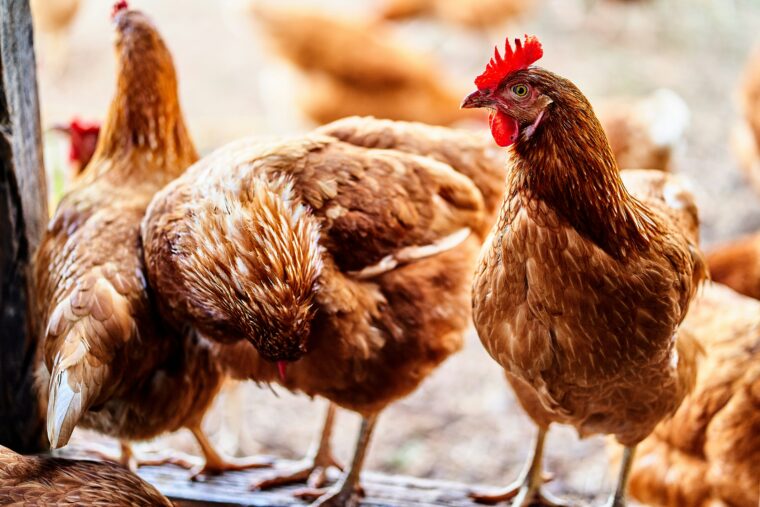
Plants and animals that have been selectively bred by humans for food, labor, fiber, or other agricultural purposes. Common examples include wheat, apples, corn, cattle, pigs, and poultry.
How Domesticated Species Shape U.S. Agriculture:
Domesticated crops and livestock form the foundation of American farming. Corn and beef dominate in the Midwest, cotton and poultry are key in the South, and fruits and vegetables thrive in the West. These species are selected for productivity, adaptability, and efficiency.
E – Agriculture Terms Starting with E
- Earthing Up
- Earsh
- Endophyte
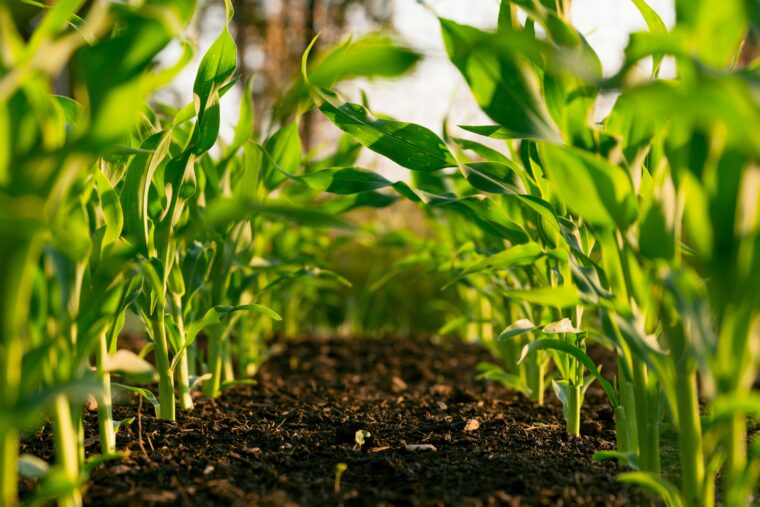
1. Earthing Up
Also known as hilling, this is the practice of pulling soil up around the base of crops like potatoes or corn to protect stems, support root growth, and encourage tuber development.
How Earthing Up Is Used in Row Crop Farming:
This technique is especially common in Midwest potato production, where earthing up helps reduce greening, improves tuber size, and supports uniform development.
How Earthing Up Improves Crop Performance:
It shields plants from pests, sunlight, and disease while enhancing moisture retention and promoting higher yields.
Equipment Options for Hilling and Row Prep:
2. Earsh
An old agricultural term for the stubble or crop residue left in the field after harvesting cereal grains such as wheat or barley.
Why Post-Harvest Stubble Still Matters:
Although “earsh” is no longer commonly used in U.S. farming, managing stubble remains important. Residue helps conserve moisture, reduce erosion, and support no-till and conservation tillage systems.
How Leaving Stubble Benefits the Soil:
Keeping stubble in place helps retain carbon, reduce soil loss from wind and water, and maintain structure in row crop fields—especially in erosion-prone areas like the Midwest.
3. Endophyte
A fungus that lives inside plant tissues without causing visible harm to the host. The term comes from “endo” meaning within, and “phyte” meaning plant.
Why Endophytes Matter in Forage Management:
Endophytes can benefit plant health by improving stress resistance, but certain strains—especially in tall fescue—produce toxins that harm livestock. This is a major concern in grazing systems throughout the Southeast, Kentucky, and Missouri.
How to Manage Endophytes in Grazing Systems:
Farmers can reduce animal health risks by planting endophyte-free or novel-endophyte grass varieties that retain plant vigor without toxic side effects. These options support better performance in beef and dairy herds.
Why Is It Important to Learn Agriculture Terms?
Understanding these terms helps beginners, students, and farmers make smarter decisions about land, crops, and tools. This knowledge supports sustainable, efficient agriculture in the modern world.
Up Next: Agriculture Terms F to L
Want to deepen your knowledge of modern agriculture? Head to Part 2, where we explore key agriculture terms, farming terms, and essential agriculture terminology from F to L—including topics like fertigation, hydroseeding, industrial crops, and ley farming.