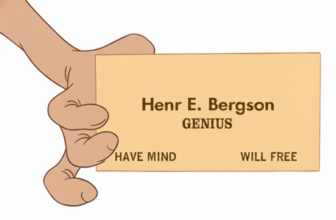

When the first episode of Middle Class Matt launched a year ago, the response was immediate and overwhelming. The short, produced by the animation nonprofit Now What!?, racked up more than 18 million views across the company’s digital platforms and introduced audiences to a character who felt instantly recognizable.
Matt is exactly what the title promises. He is a regular American trying to maintain a middle-class life in an economy that seems increasingly hostile to that idea.
On February 28, the series released its second episode, again written and voiced by comedian Adam Lustick and directed by veteran animator Chris Bailey. This time, the short turned its attention to the rising cost of childcare, earning early praise from several parenting organizations.
The creative team also includes executive producer Brendan Burch and a roster of animation talent, including Lowbrow Studios, character designer Christina Wu, and background designer Jason Smith.
While the subject matter touches on real-world issues, the team behind the series says the goal is not overt political messaging. Instead, they lean into animation craft and character-driven comedy.
“Comedy has always been one of the most effective ways to talk about hard truths,” Lustick said. “Middle Class Matt works because he’s not a pundit. He’s just a dude trying to live his life.”
The Perfect Delivery System
For Lustick, animation offered a way to approach serious ideas without feeling heavy-handed.
“There’s something about animation and sort of Trojan horsing a serious message,” he said during a recent conversation with Cartoon Brew. “It’s like hiding your dog’s medicine in some banana. You want people to engage with it without feeling like you’re beating them over the head.”
The medium also allowed the series to embrace a heightened, absurd tone that matches the character’s predicament. Lustick pointed out that some of the economic realities Matt faces already feel exaggerated enough to fit cartoon logic.
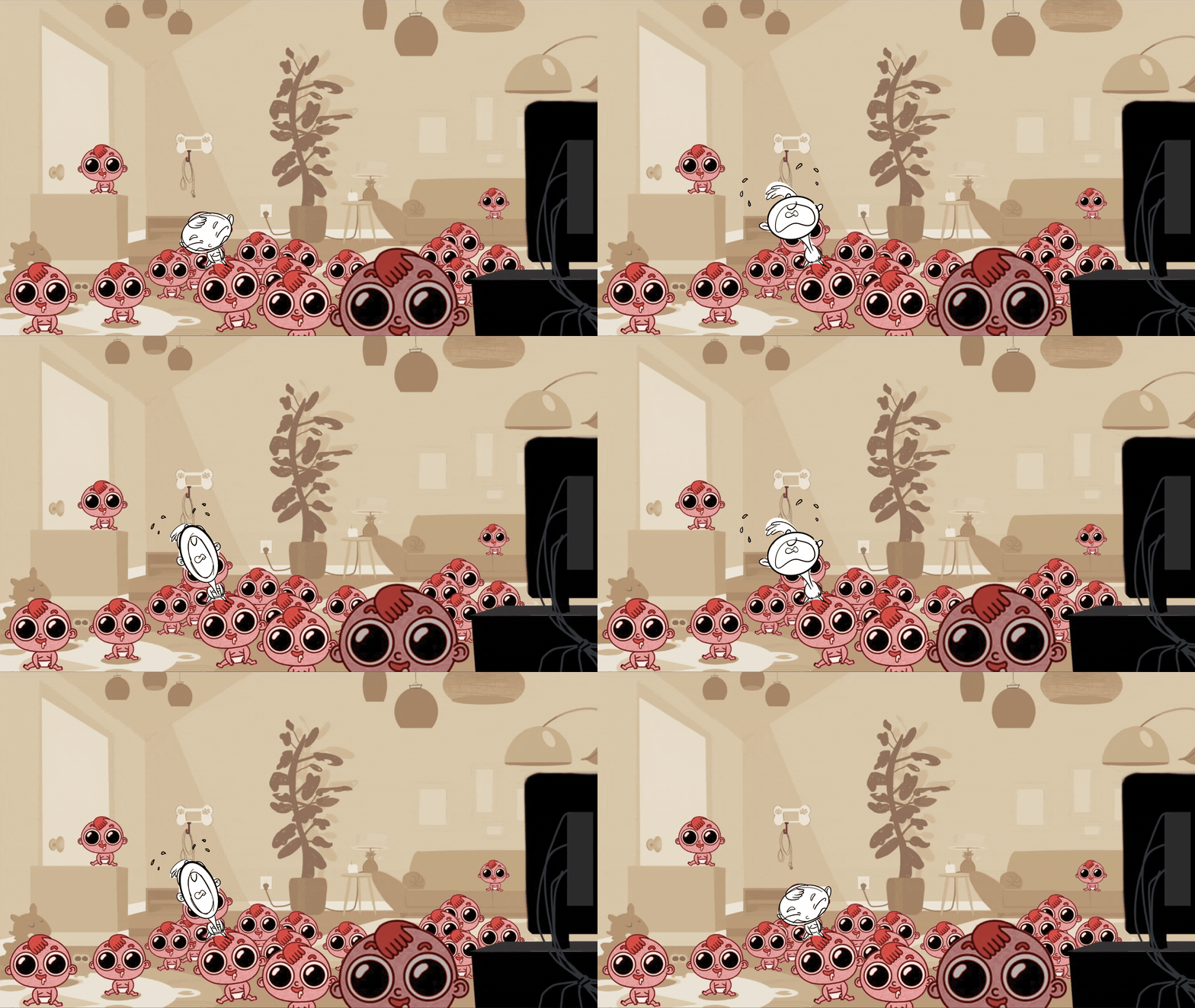
“The widening wealth gap in our country almost feels cartoonish,” he said. “It’s reached a level of absurdity where animation and surrealism may actually be the most appropriate medium to talk about it.”
That balance between humor and commentary became the guiding principle for the show’s storytelling. Matt is less a political mouthpiece and more a comedic lens through which the audience experiences modern life.
The Last Middle-Class Man
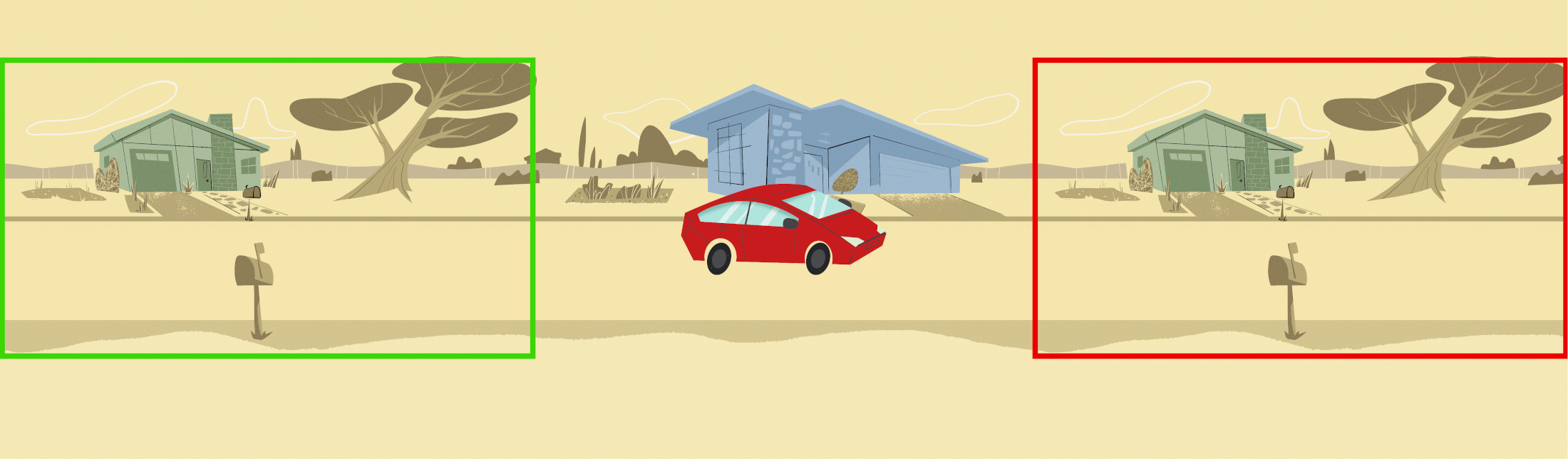
Visually, the series leans into a nostalgic mid-century aesthetic. Bailey, whose career spans decades of studio animation work all the way back to Disney’s Oliver and Company, saw the design direction as an extension of the character’s identity.
“When I started doing the boards, he felt like a leftover,” Bailey said. “So I drew back on my childhood street, which was full of 1960s mid-century ranch homes.”
The style works on multiple levels. It evokes a time when the idea of a stable middle-class lifestyle was more widely associated with suburban America. It also creates a recognizable, at least to its target audience, visual language that complements the humor.
Bailey approached the direction with the sensibility of a seasoned animator adapting to a fresh aesthetic. Known for his work in traditional studio pipelines, he was drawn to the project precisely because it looked different from the productions he had previously worked on.
“When I saw Adam’s pitch and Christina’s artwork, it was attractive because it was outside the type of things I’ve done,” Bailey said. “But I can’t help bringing that animation line of action and strong posing into it.”
The collaboration between Bailey and Wu became a defining part of the visual process. Wu, who is still a student at CalArts, originally caught producer Brendan Burch’s attention through one of her shorts.
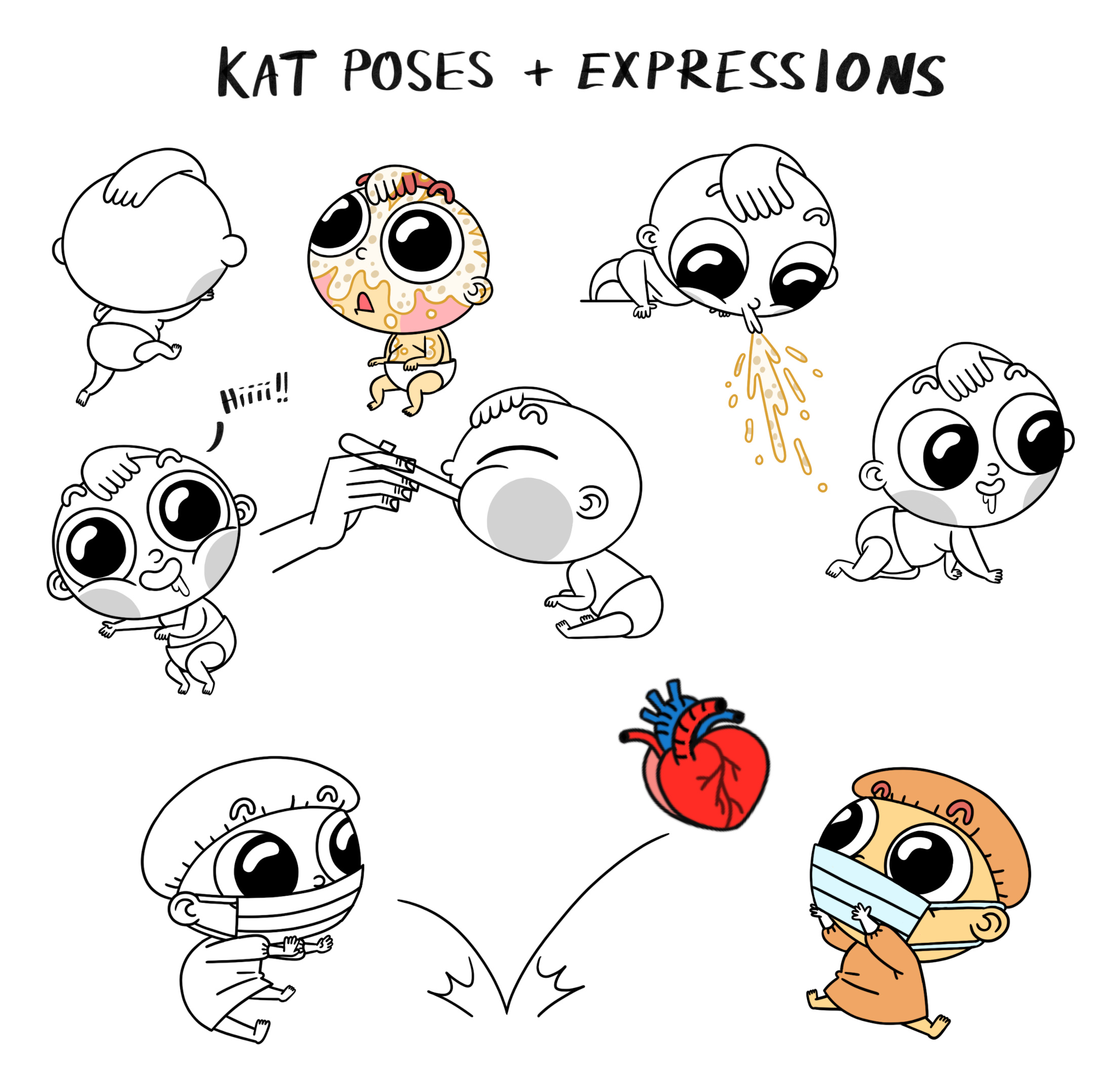
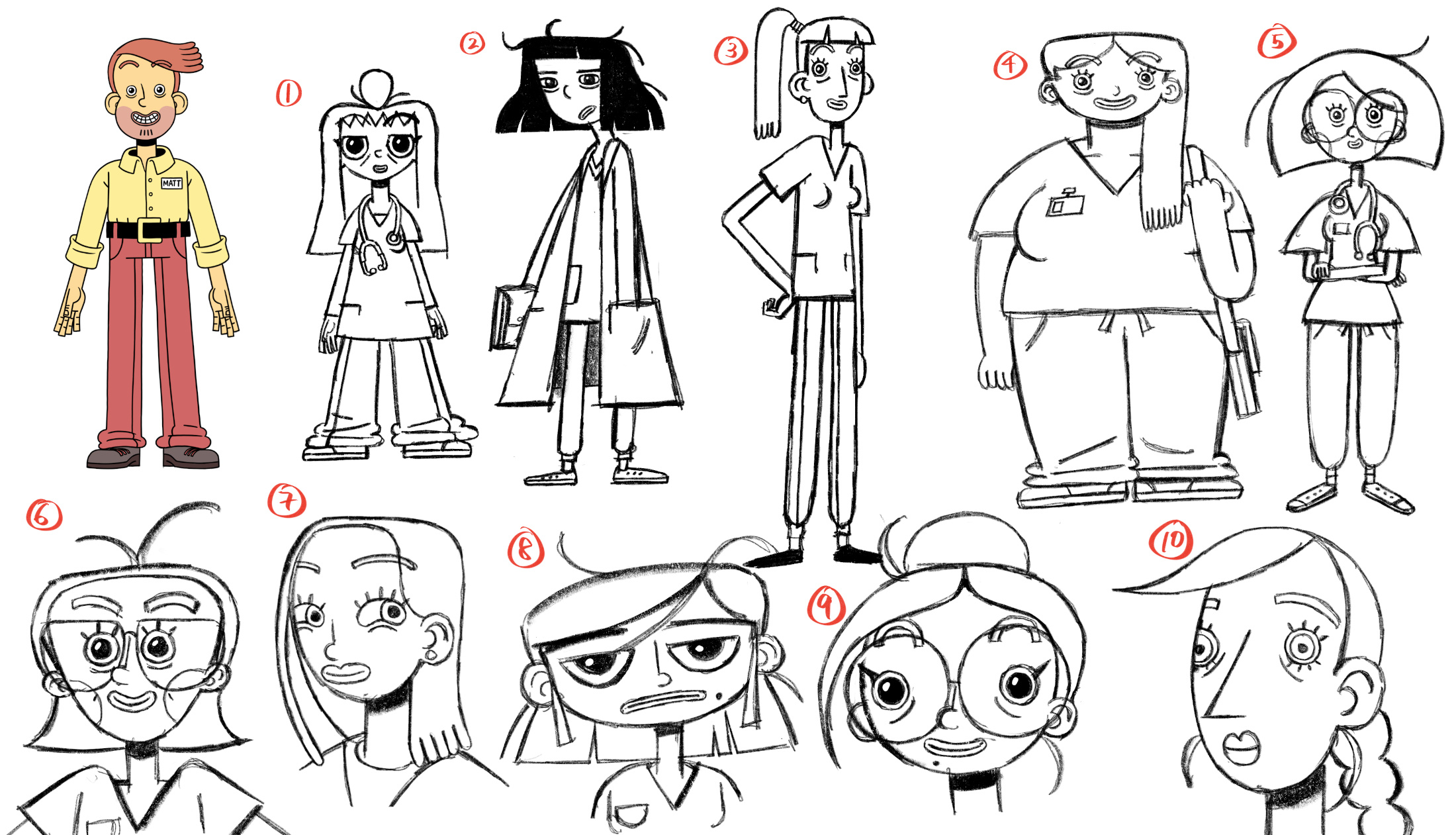
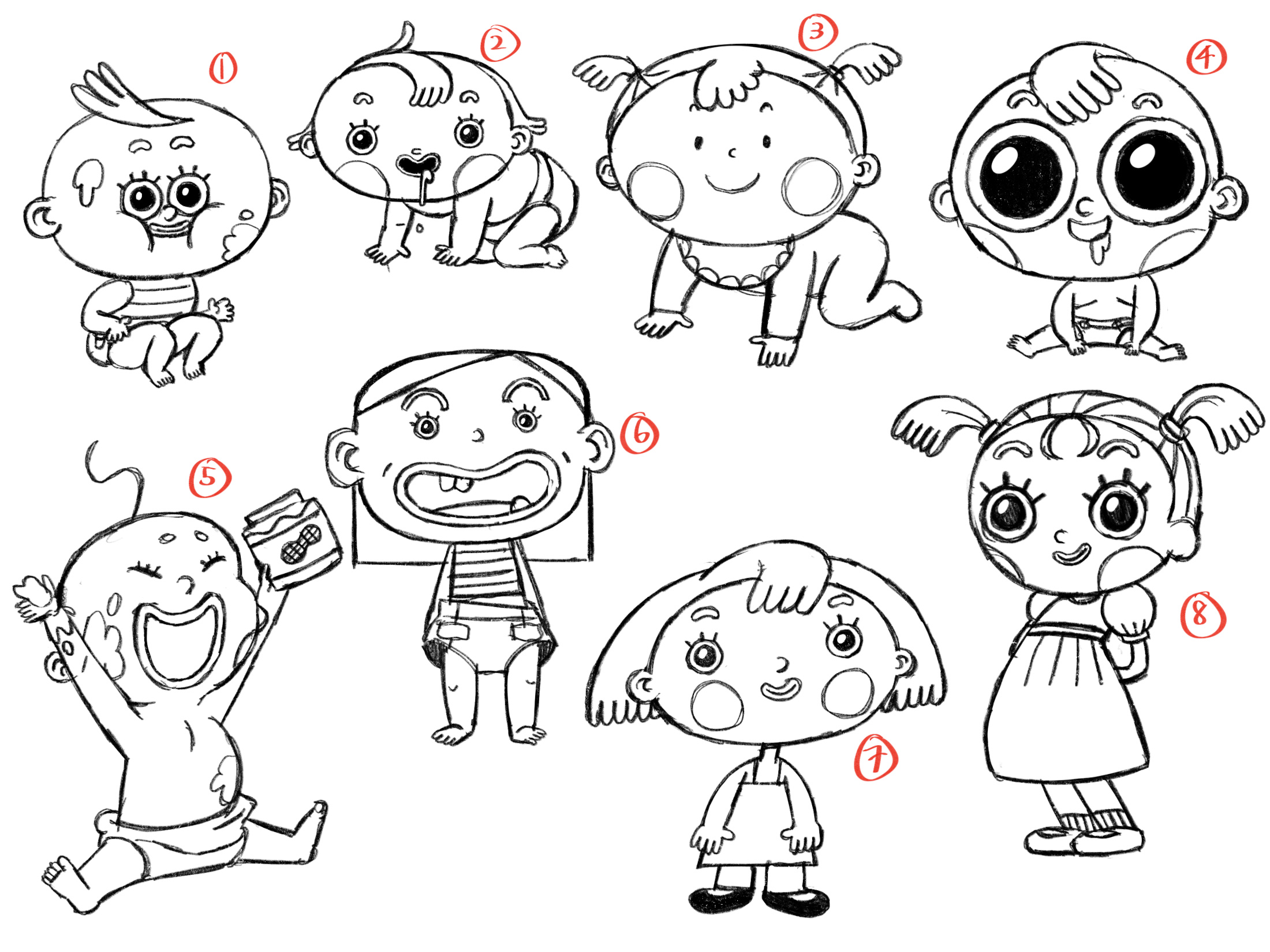
“I remember watching it and thinking, man, this is really cool,” Burch said. “She was only in her second year and already making films like that.”
That generational mix helped shape the series’ visual voice. Bailey often worked directly from Wu’s designs while maintaining the integrity of her style.
“I’m cueing off her designs when I pose,” Bailey explained. “Sometimes I’ll ask her to take a pass and give it the Christina touch. Then Lowbrow animates it, and it comes back for review. It’s all very intertwined.”
Indie Economics
Despite the polished look, Middle Class Matt is produced under tight resource constraints. Now What!? operates as a nonprofit, meaning the production model relies heavily on efficiency and collaboration.
Bailey’s storyboarding approach reflects that reality.
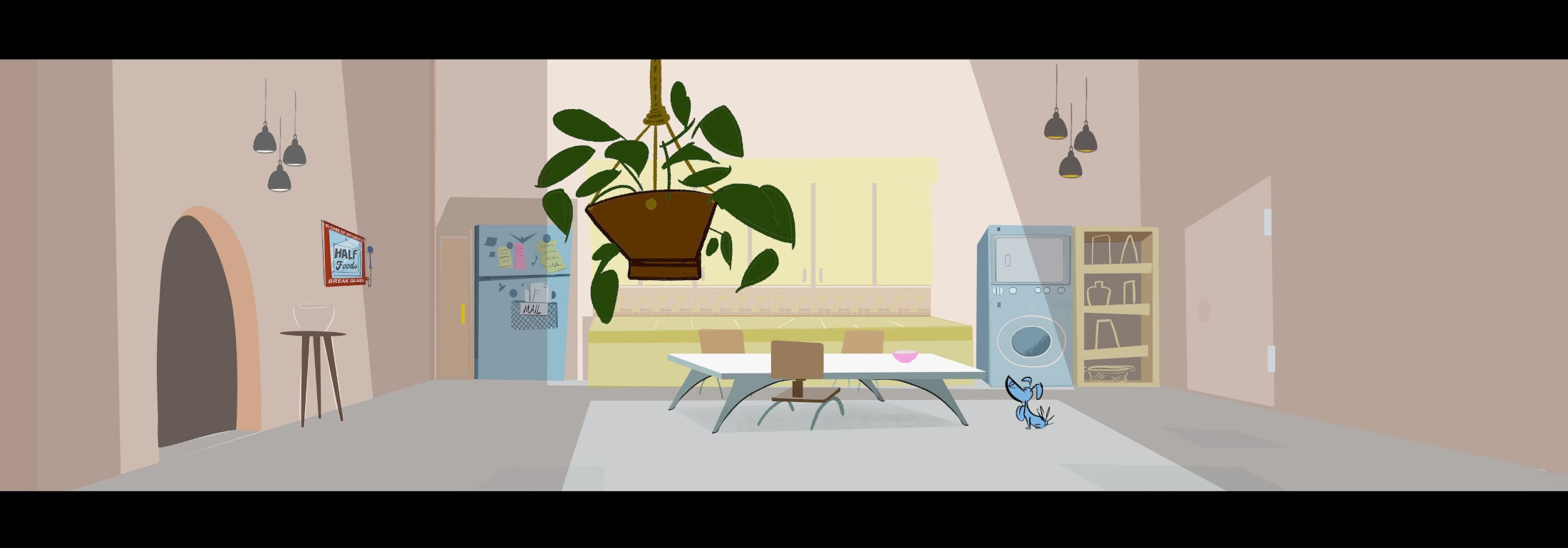
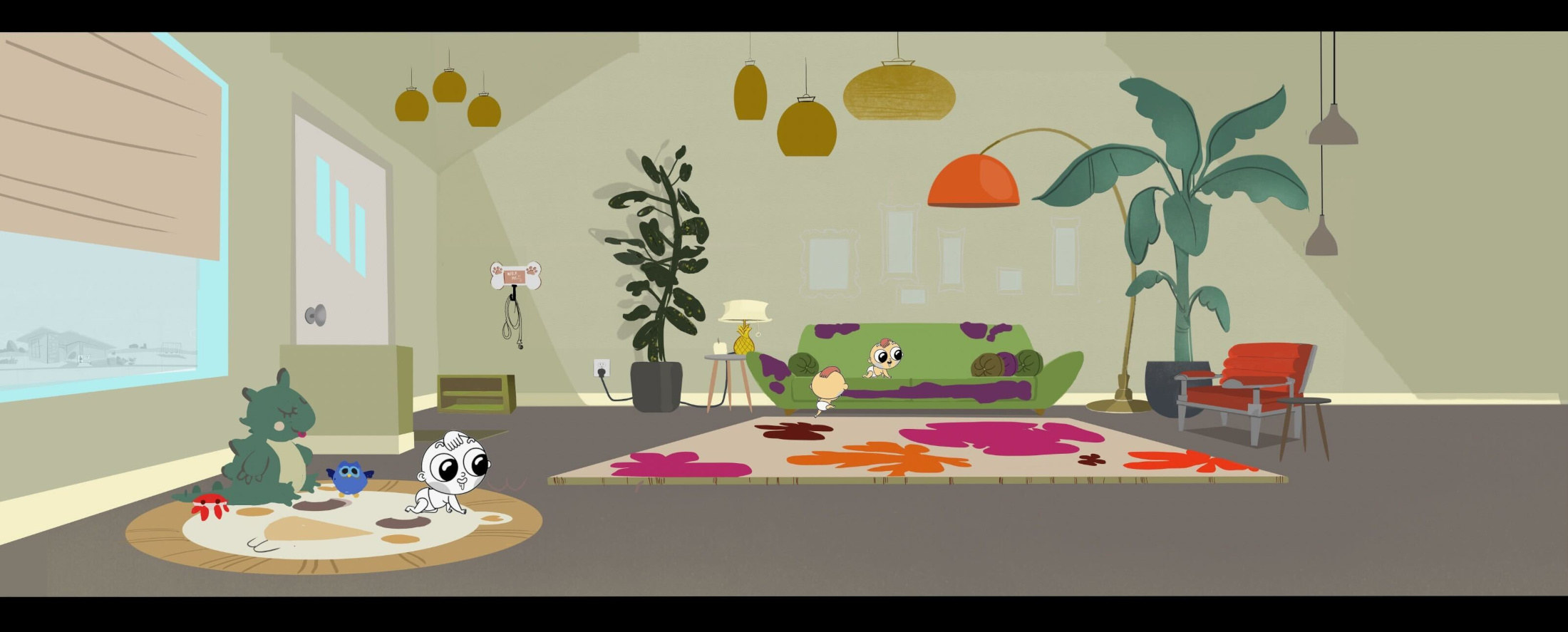
“When the script is clear, I can board it very quickly,” he said. “I went full Flintstones style. Tight ground planes, simple staging, and as few backgrounds as possible.”
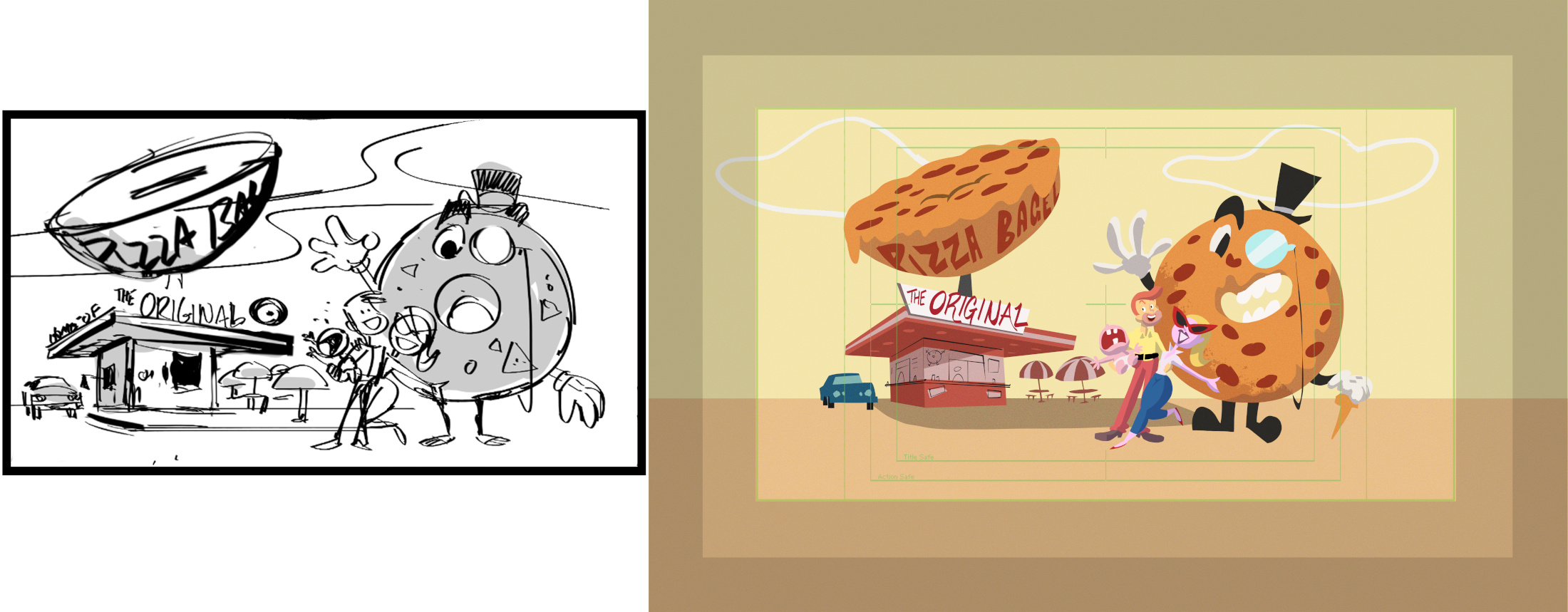
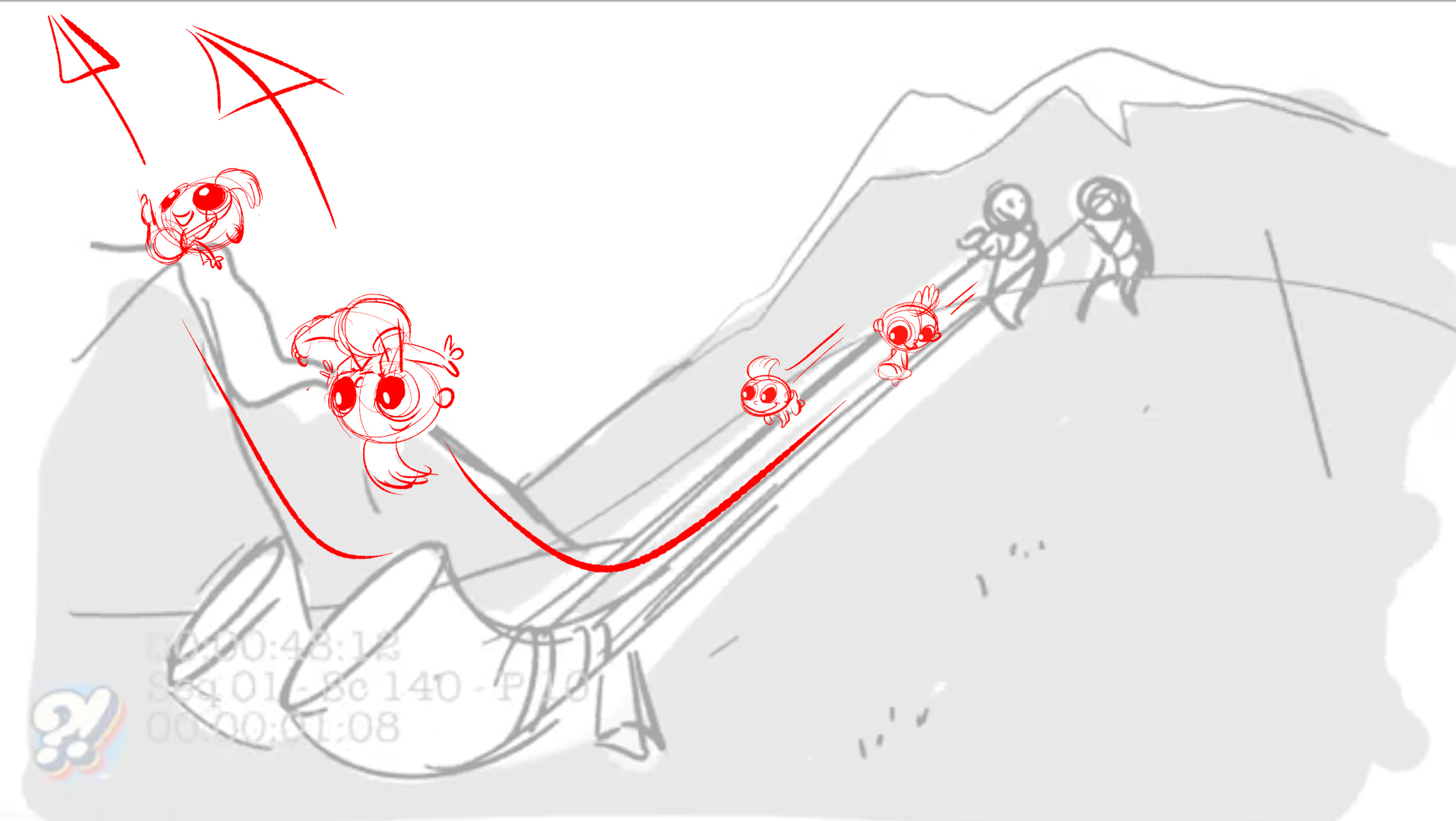
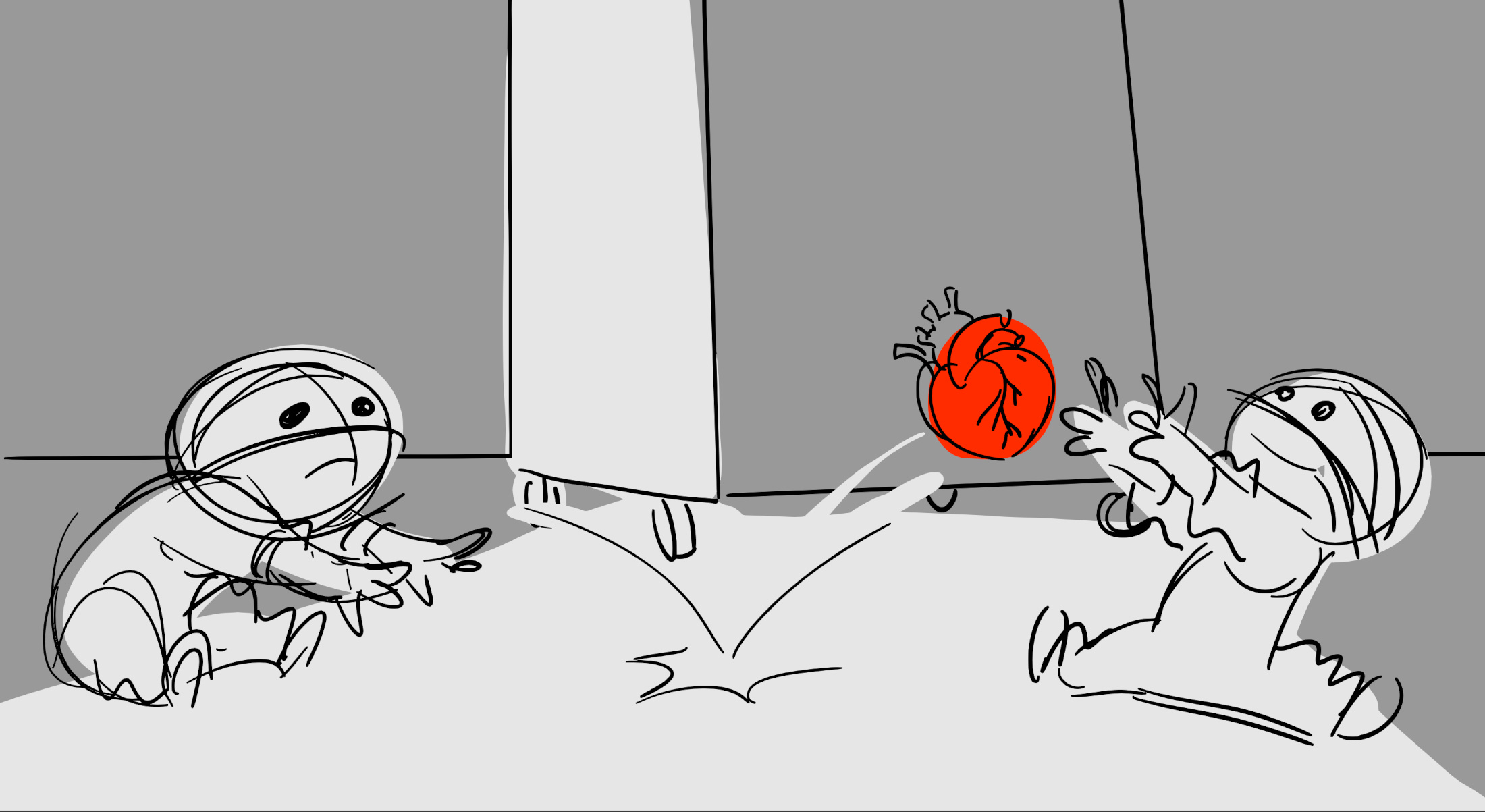
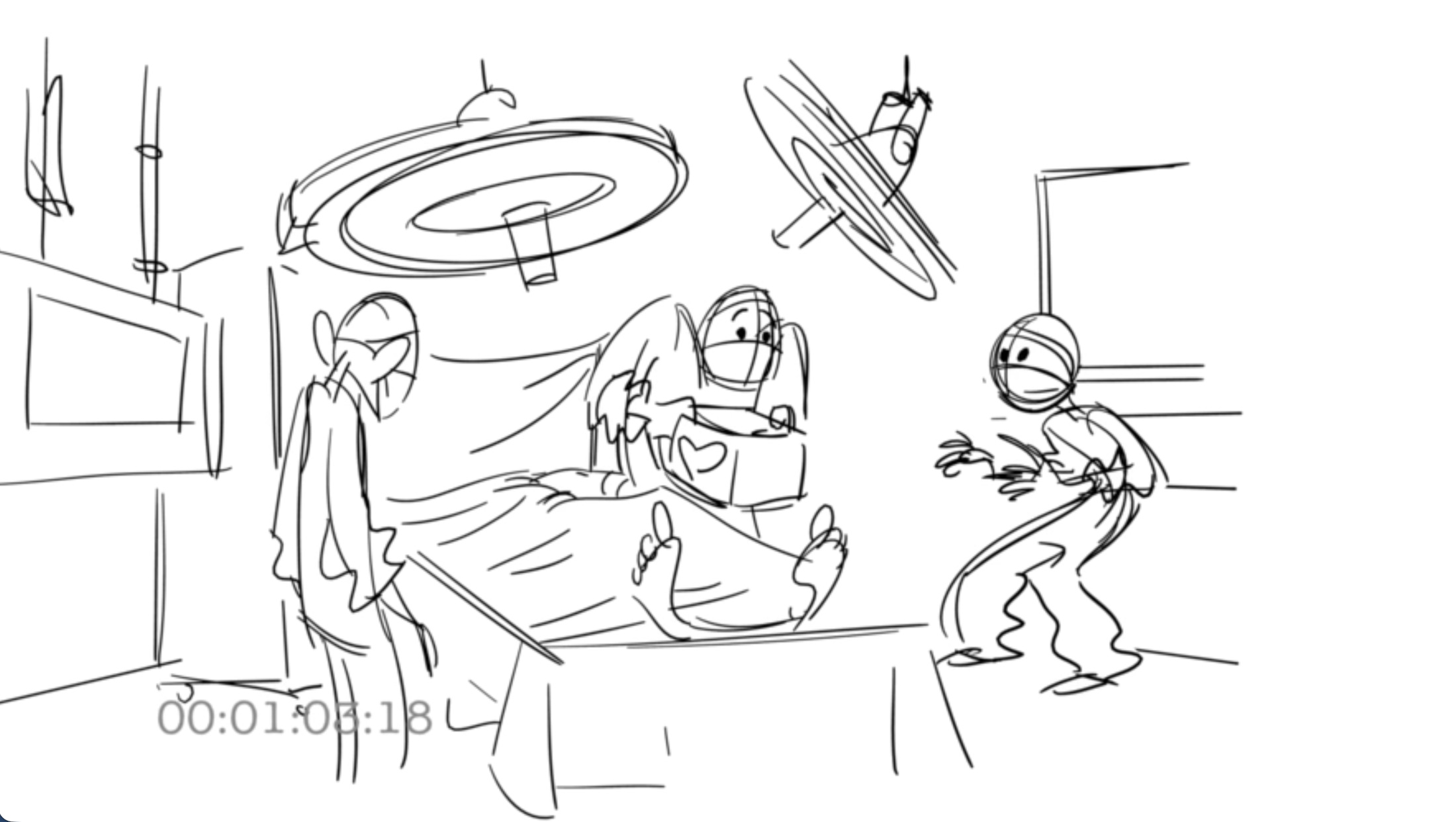
Designing scenes economically keeps the production manageable for the artists responsible for background layouts and animation.
“As long as something communicates the story, they can do whatever they want,” Bailey added. “I just try to make it as efficient as possible.”
“We’re working with people we trust,” he went on, emphasizing the importance of communication when it comes to efficiency. “We’re not overthinking it. We do a little back and forth on the scripts, and then we just go.”

From the Ground Up
Middle Class Matt was not created for a streaming service or network. The shorts premiere online and rely heavily on organic distribution and partnerships.
For Burch, who previously helped build the digital animation brand Mondo through Six Point Harness, the strategy feels familiar.
“There’s a lot of bootstrapping right now,” he said. “We’re set up as a nonprofit, so donor dollars are making this happen, and there’s no promise of monetizing the videos in the short term.”
The focus instead is on reaching audiences directly and building long-term trust with viewers and establishing a loyal fanbase that will wait for future instalments.
“We want people to say, hey, these guys are fair,” Burch explained. “Right now we’re in a community trust-building phase.”
Built to Last
With a third episode already in production and scheduled for next month, the team is beginning to think about what comes next. If the character continues to resonate, Matt could become a central pillar of the nonprofit’s growing slate.
“You have to lean into your hits,” Burch said, acknowledging this particular character’s early appeal. “This whole thing could turn into the Middle Class Matt company for all I know.”
For Lustick, the reason for that appeal remains simple. While Matt may be exaggerated, his perspective comes from a familiar place.
“I come from a very middle-class family,” Lustick said. “So being able to marry my playful, absurdist comedic sensibility with something that actually matters to me feels really good.”
If the first episode proved anything, it is that audiences will, at least once, embrace relatable characters who face the anxieties they feel in their everyday life. With episodes two and three, the Now What!? crew will find out if that’s a formula that can be emulated over time.