Water wisteria is a fantastic plant option for freshwater aquariums.
It looks great, is easy to care for, and provides a number of benefits to your tank. It can be rooted normally, planted as a carpet, or even used as floating vegetation.
But even though water wisteria is an easy plant to care for, you should educate yourself before getting one. Making the right decisions on day 1 will impact your plant’s ability to thrive and as a result, the rest of your tank.
Species Summary
Water wisteria (Hygrophila difformis) naturally grows in India, Bangladesh, Nepal, and a few smaller countries in that region. In the United States, it’s grown regularly in nurseries and a few fish stores.
You’ll normally see these plants in shallow water where they can get plenty of light. It will root itself to the substrate but will also float on the surface as well.
Water wisteria has a very fast growth rate but that’s especially true during the rainy parts of the year. It’s not uncommon to see rivers and shallow bodies of water get completely overtaken by this plant in a matter of weeks!
Because of its thickness, many small fish will use these plants as a form of shelter throughout the year. Water wisteria is full enough to provide a hiding place but also not so dense that the fish can’t move quickly through it. This is something that you’ll likely observe with any fish in your aquarium that you pair with these plants.
Appearance
There’s no denying that water wisteria is a beautiful plant, especially when viewed underwater. It has bright green leaves that really pop under the right lighting.
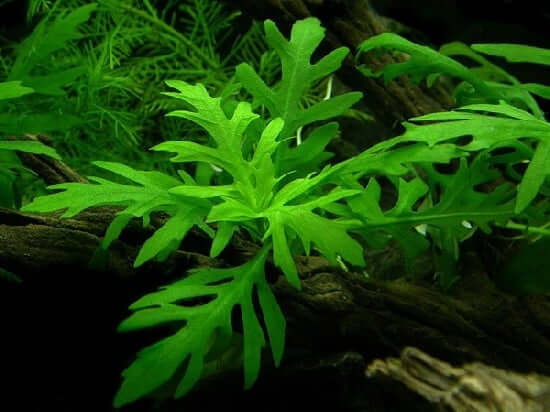
The leaves are long and thin but can come in a few different variations. Genetics and the method of planting can both slightly change the shape of the leaves (although not significantly).
The stems are rather prominent, thick, and sturdy. This is important to be aware of because these plants have the ability to take up a lot of space and hinder the movements of larger fish.
Author Note: That’s why it’s important to plant water wisteria in tanks that are large enough to handle its growth rate and maximum size.
The roots of these plants look fragile, white and will extend underneath the substrate quite a bit. A common remark we hear from people who’ve planted water wisteria is that they’re surprised the roots are sturdy enough to support the plant!
Size & Growth Rate
Water wisteria has quite a fast growth rate. This often takes aquarists by surprise at first and teaches a valuable lesson when it comes to regular pruning and maintenance.
If you ignore these plants for too long they’ll quickly take over your tank. If you’re planting it as a carpet for aesthetic purposes you’ll definitely want to prune and clip regularly as well.
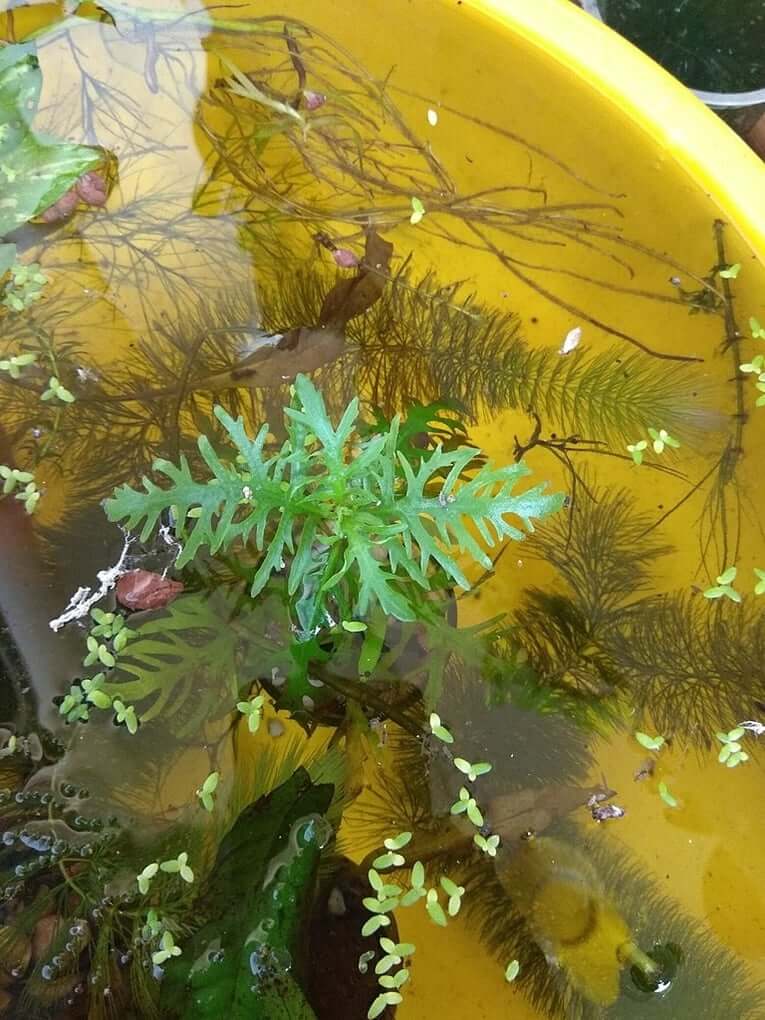
Water wisteria can reach a maximum height of roughly 20 inches. This makes it a poor fit for small nano tanks, or semi-small tanks with a heavy bioload.
They can also grow rather wide as well. When left untouched these plants can reach almost one foot at its widest point.
This gives you some options when it comes to how you want to utilize it in your tank. You could grow it tall and thin, or short and wide. It’s just a matter of preference and making sure you facilitate its growth properly.
How To Plant It
A large part of good water wisteria care is making sure you plant it the right way. This will start things off right and result in a healthier plant later on.
You have a couple of options when it comes to how you want to plant it.
The first is to have it emersed and rooted in the substrate like a typical plant. All you need to do for this is bury the stem an inch or two into the sandy substrate you’ll be using (more on that later). These plants are durable and hardy, so they don’t need a lot of babying when it comes to the planting process.
When planting it you’ll want to make sure there’s plenty of room between each one. Cramming them too close together can result in them competing for light, this will stunt its growth in the long-term.
Water Wisteria Carpet
Another option you have is to create a water wisteria carpet. This is our personal favorite and is being done more and more.
To create a carpet you’ll simply need to flip things sideways. Instead of planting each of the stems vertically like a normal plant, you’ll lay them on their sides.
Partially bury the stems but not the leaves. This is what will create the carpeted effect. You’ll want to do this with multiple plants in order to get the coverage you need. Also, trim it regularly to keep up with its growth rate and maintain the carpeted look.
Floating It
Water wisteria can be found floating quite often in its natural habitat. Despite this, most aquarists seem to prefer planting it instead of letting it float (at least the ones we know).
That doesn’t mean it’s not something you can do if you want. Floating plants can add a unique look to your tank and some of our favorite plants are used this way (like hornwort).
Author Note: The main thing you’ll need to keep an eye on if you want to float your water wisteria is keeping it tidy. Plants with a fast growth rate can quickly prevent any light from reaching the other life in your tank. It can also clog up your filters and pumps!
Water Wisteria Care
Water wisteria care is something that anyone can handle. These plants are extremely hardy, durable, and downright difficult to kill.
This makes it a great choice for anyone who’s looking to add something new to their tank without the extra hassle of a new fish. All you need to do after planting it is some pruning!
With that being said, there are still some ideal conditions that water wisteria needs to survive. These aren’t very challenging requirements to meet, but they exist nonetheless.
Tank Size
Because of its fast growth rate and fairly large maximum size, these plants shouldn’t be included in tanks smaller than 10 gallons.
Anything smaller doesn’t make sense because you’ll have to trim it frantically just to stop it from taking over the whole aquarium. Water wisteria also needs enough space in the substrate to spread its roots, which many small tanks don’t have.
As long as your aquarium is larger than 10 gallons these plants will do fine. They can complement a massive tank quite nicely if you want to add some greenery to the equation. All you need to do is plant a bunch of it!
Water Parameters
Water wisteria can thrive in a generous range of parameters. This means you won’t have to spend a lot of time worrying about them and can focus on the less hardy life in your tank.
- Water temperature: 74°F to 82°F
- pH levels: 6.5 to 7.5
- Water hardness: 3 to 8 KH
Since you should be doing consistent water tests for the other life in your tank it’s always smart to check and make sure the parameters look good for your plants as well. Chances are an issue will impact your fish before your plants, but you never know!
Author Note: This is especially true if you have ambitious aquascaping projects going on. You might find that one temperature gets you the results you want compared to another (even if both are in the “recommended” range).
Substrate
The kind of substrate you put in your tank makes a huge impact on the growth rate and overall health of your water wisteria. Fortunately, this isn’t a very complicated process.
Water wisteria does best with a sandy, nutrient-rich substrate. This mimics the riverbeds where it naturally grows and allows it to establish an effective root base.
If you can get sandy substrate that’s specifically engineered with plants in mind that would be ideal, but it’s not totally necessary. You can also supplement with root tab fertilizer to encourage growth and long term health.
It’s important to remember that you’ll need to anchor the water wisteria into the sandy substrate when planting it initially. It shouldn’t take long for the roots to grow and take hold, but at the start they need a little bit of help.
Lighting
Water wisteria is an interesting plant when it comes to lighting. While many other plants have a clear amount of light they need to survive, this plant is quite different.
A high amount of light is ideal if you want to maximize their health and growth rate. However, since these are such hardy plants they can do well with low light as well.
This gives you the flexibility to take other more sensitive tank life into consideration when it comes to lighting, and give them the priority. Water wisteria is so hardy that it will probably be fine regardless!
Author Note: It’s important not to confuse “low light” with “no light.” This is still a plant and at the end of the day, it needs at least a little bit of light to survive!
Tank Mates
There are a number of compatible plants as well as fish that you can keep with water wisteria. This makes this plant easy to plan for and means you can typically find a place for it somewhere.
In terms of plants, the biggest thing to avoid is overcrowding. Plants need space in order to spread their root systems and get enough sunlight to grow. If multiple plants are competing for the same space then some of them will suffer.
Use our tank size recommendations and plant size info to get a general idea of how much space is needed. Cross-reference this with the maximum size of other plants and that will give you a gauge of how much space is needed (or how many plants you can include).
When it comes to fish you’re going to be fine more often than not. Two that you should avoid are goldfish and silver dollar fish. Both of these animals LOVE to snack on plants and will likely scarf down your water wisteria in a blink.
You’ll also want to be careful with snails like the nerite. Water wisteria is a very tasty treat to these critters!
Other than that you’re probably going to be fine no matter what you keep with water wisteria. Here’s a list to get you started:
Again, there are WAY more fish and animals you can keep with water wisteria. This is just a brief list to give you inspiration!
Water Wisteria Propagation
Water wisteria propagation is super easy. In fact, we would probably consider it one of the easiest aquatic plants to propagate!
First, you need to start with a healthy plant cutting. Wait until your plant has hit its maximum size before attempting this. This will guarantee that you’re getting a healthy part of the plant and that the cutting won’t injure the rest of it.
Cut the stem roughly 4-5 inches from the top (this section should have leaves). Once you have this find an area where you can replant it. Bury the cut stem about an inch into the sandy substrate and anchor it like you did with your original plant.
Author Note: Make sure you’re planting the cut section in an area where it won’t get crowded by your original plant. This new water wisteria will need room to spread its roots and get enough light. This is a common mistake from new owners which often results in a failed propagation attempt.
Conclusion
Water wisteria is on our list of favorite aquatic plants for a number of reasons. It’s easy to keep alive, improves the water quality in your tank, and looks great!
By now you should have a full understanding of water wisteria care and everything you can expect when it comes to this plant. If you have any additional questions or ideas on how to utilize this plant in your aquarium, we’d love to hear from you!