

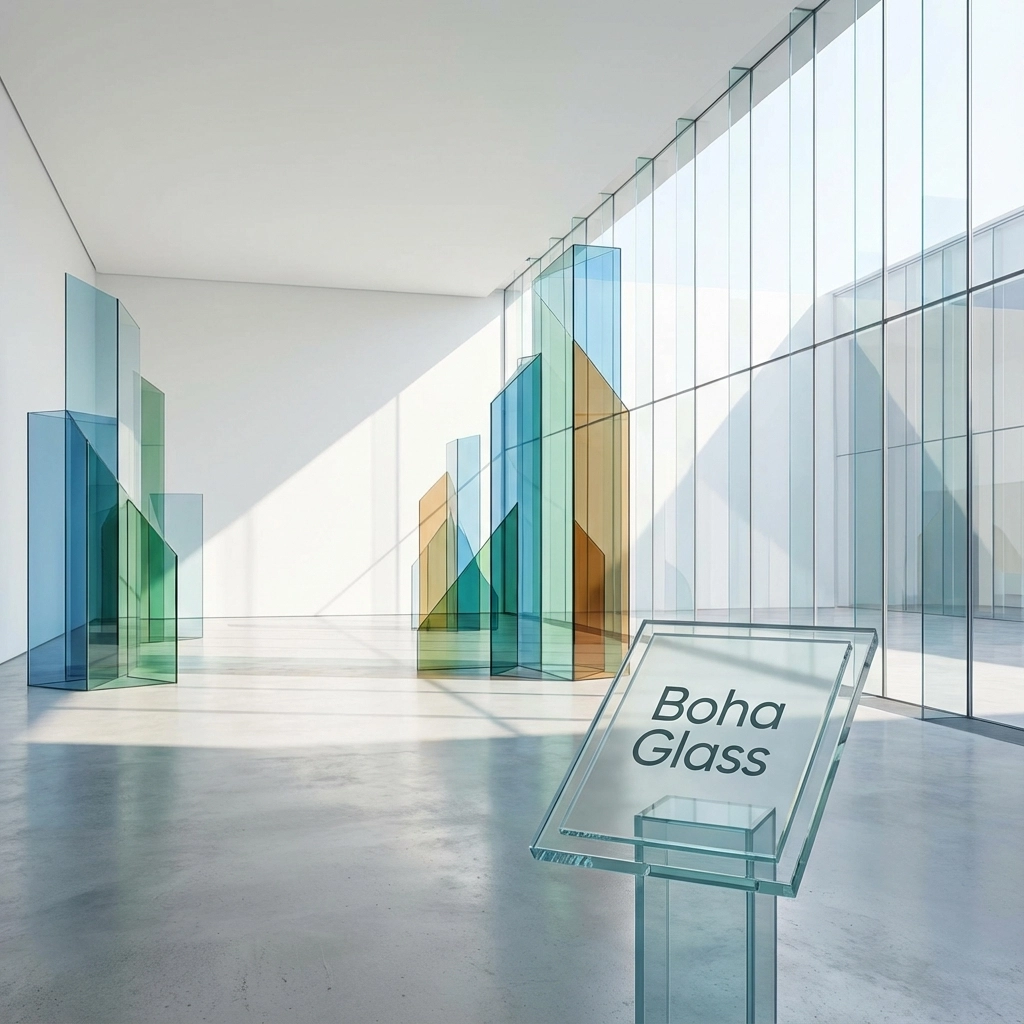
Glass architecture transforms buildings into vessels of light. It dissolves boundaries between interior and exterior spaces.
The marriage of transparency and structure has redefined how we inhabit the built environment.
Whole edifices made almost entirely of glass – unthinkable even just a few decades ago.
So many more things are now possible. From digital printing on glass to internal lighting, solar control and privacy switches.
The Dawn of Transparency
The journey began in the nineteenth century. Iron and steel frameworks made vast glass surfaces possible. The Crystal Palace of 1851 demonstrated glass’s architectural potential on an unprecedented scale.
Victorian engineers discovered that glass could be more than a mere window. It became a wall… a ceiling, and an architectural statement. The Industrial Revolution provided the tools. Visionary architects provided the imagination.

Ten Glass Architecture Marvels
The Crystal Palace (1851)
Joseph Paxton’s revolutionary design covered nearly a million square feet, made entirely of glass and iron. “The building is a marvel of lightness and transparency,” Paxton declared. His greenhouse principles, scaled to accommodate the Great Exhibition, changed architecture forever.
The 300,000 glass window panes manufactured by the Chance Brothers were an exemplar of what can be achieved and how the Industrial Revolution had opened the door on a myriad of possibilities.

The Bauhaus Building (1926)
Walter Gropius created a manifesto in glass and steel. “The new architecture rejects the classical orders,” he proclaimed. The building’s curtain wall system became the template for countless modernist structures.
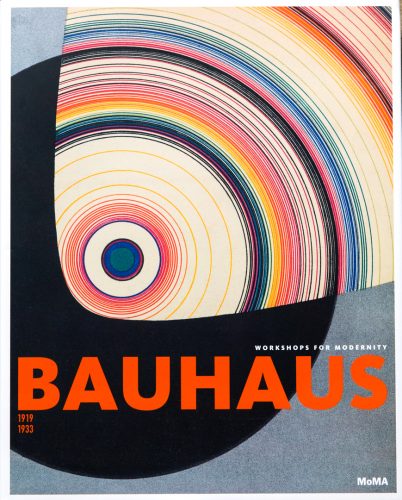
Considered the pinnacle of Pre-War design, it was an ‘icon of modernism’ that gravitated between the utilitarian design of the industrial past and an innovative future.
The aim of the Bauhaus movement was combining functionality, mass production and clean-lined simplicity using steel, glass and concrete as their aplette of choice.
The movement hoped to unify art, technology and crafts under an umbrella of artistic innovation that flowed accross the creative systems.
Read more about Bauhaus:

Villa Savoye (1931)
Le Corbusier’s horizontal ribbon windows redefined domestic space. “The window is one of the essential elements of the house,” he stated. Glass here served both functional and philosophical purposes.
The new glass architecture of the ribbon windows connected the internal more directly with the external – connecting and coalescing these two apposite spaces.

Seagram Building (1958)

Mies van der Rohe perfected the glass skyscraper aesthetic. “Less is more,” became his architectural creed.
The bronze and glass tower established corporate modernism’s visual vocabulary.
Many people note that it is hard to imagine the first unveiling, when the tower was surrounded by bricks and mortar buildings.
With so many similar buildings surrounding it now, it is hard to envisage just how groundbreaking the building was in the fifties.
Centre Pompidou (1977)
Renzo Piano and Richard Rogers turned architecture inside out. “We wanted to create a building that was a machine for culture,” Piano explained. Glass facades revealed the building’s mechanical systems.
It was a design that showed the bones of a building. Exoskeleton architecture for the modern age.

Louvre Pyramid (1989)
I.M. Pei’s controversial addition sparked fierce debate. “I wanted to create a symbol that would be timeless,” Pei reflected. The glass pyramid now defines the museum’s identity.
The juxtaposition of the ancient design, re-imagined in glass beside the Renaissance building, is a stark visual that is more collision than coalescence.

Guggenheim Bilbao (1997)
Frank Gehry’s titanium and glass sculpture transformed urban architecture. “I approach each building like a sculpture,” Gehry noted. Glass panels flow like liquid metal across curved surfaces.
His recent passing is a real loss to the architectural community. He was a man always standing at the boundaries of architecture, smashing it to pieces with Thor’s hammer!

Apple Park (2017)
Norman Foster created the world’s largest curved glass panels. “We wanted to blur the boundaries between inside and outside,” Foster explained. Each panel measures forty-six feet in length.
It looks like a building created for GCHQ or the CIA with its forboding protective ring and internal Babylonian-sized gardens.

The Shard (2012)
Renzo Piano’s glass pyramid pierces London’s skyline. “I wanted to create a building that changes with the light,” Piano stated. The tower’s glass skin reflects the city’s moods.
The glass architecture building is called a ‘Vertical City’ as people work live, eat and play within the panes.

Harpa Concert Hall (2011)
Henning Larsen’s geometric glass facade captures Reykjavik’s aurora. “Glass becomes a canvas for light,” Larsen observed. The building’s crystalline structure transforms throughout the day.
The geometric ‘quasi-bricks’ emulate the natural basalt columns found throughout Iceland.

The Science Behind Glass Architecture
Modern architectural glass is a world away from medieval stained glass windows. Today’s curtain wall systems integrate multiple technologies. Low-emissivity coatings control heat transfer. Laminated safety glass provides structural integrity. Glass can even be digitally printed with enamel paint that will last forever.
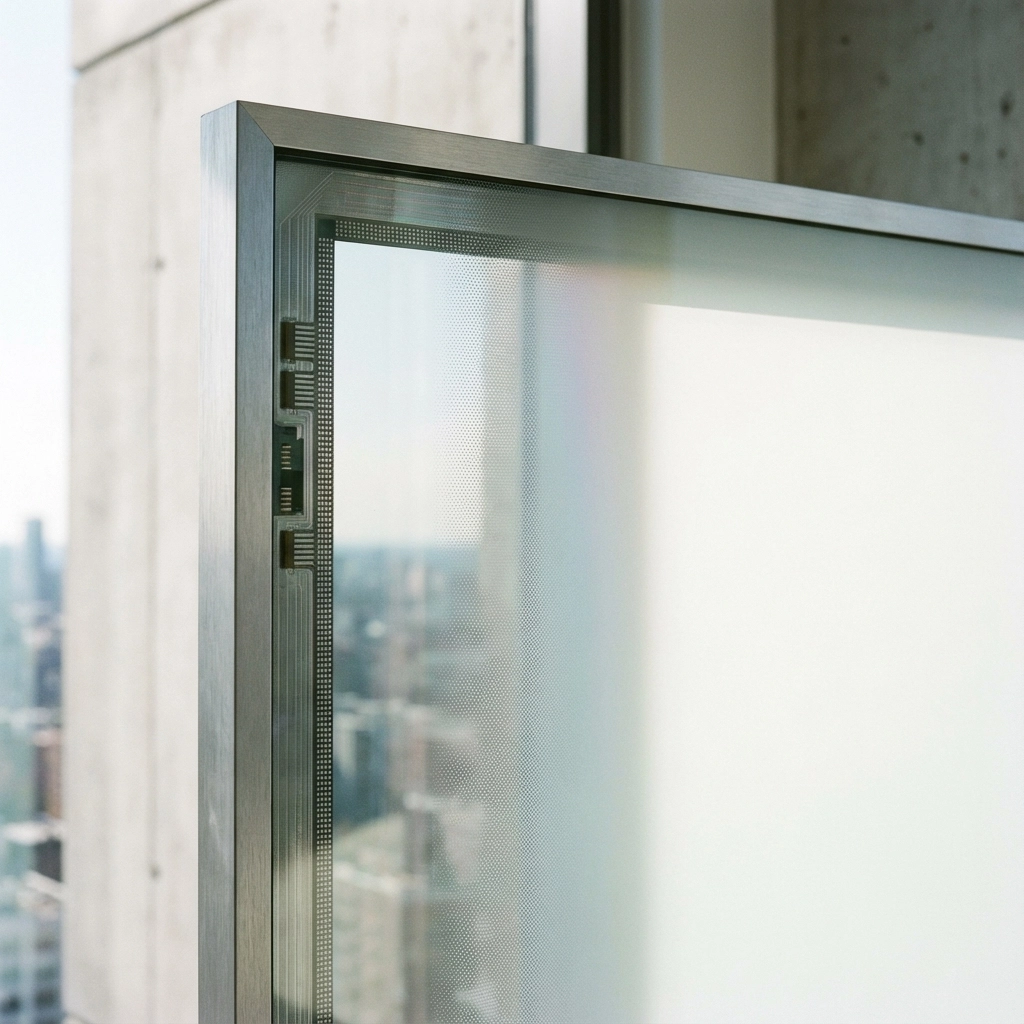
Double and triple-glazing systems create thermal barriers, with art glass encapsulated between the layers. Argon gas fills the spaces between panes. Smart glass can switch from transparent to opaque electronically. These innovations transform glass from a passive material into an active building component.
Boha Glass: Bridging Art and Architecture
Since 2009, Boha Glass has collaborated with artists and architects worldwide. The company understands that commercial spaces require more than standard solutions. Each project demands bespoke approaches to glass integration.
A multitude of design firms increasingly specify art glass for commercial applications. Hotels, offices, and retail spaces seek distinctive visual elements. Boha Glass provides carefully curated selections that complement a wide spectrum of architectural visions.
The company’s experience spans multiple scales and applications. From intimate interior features to substantial exterior installations, their portfolio demonstrates glass’s versatility. Custom commissions allow architects to realise unique design concepts to the letter.
Commercial Applications and Business Solutions
Contemporary businesses recognise glass’s commercial value. Transparent facades signal openness and modernity. Natural light reduces energy costs and improves employee wellbeing. Glass architecture communicates corporate values through built form.
Boha Glass serves this market through specialised consultation services. Their team understands both artistic potential and practical constraints. Large-scale orders receive dedicated project management. Delivery schedules align seamlessly with construction timelines.
The wealth of recent projects exemplifies their commercial capabilities. Interior and exterior glass applications required precise coordination. Tight deadlines demanded expedited delivery systems. The successful completion demonstrated their professional reliability.
Technical Innovation and Future Directions
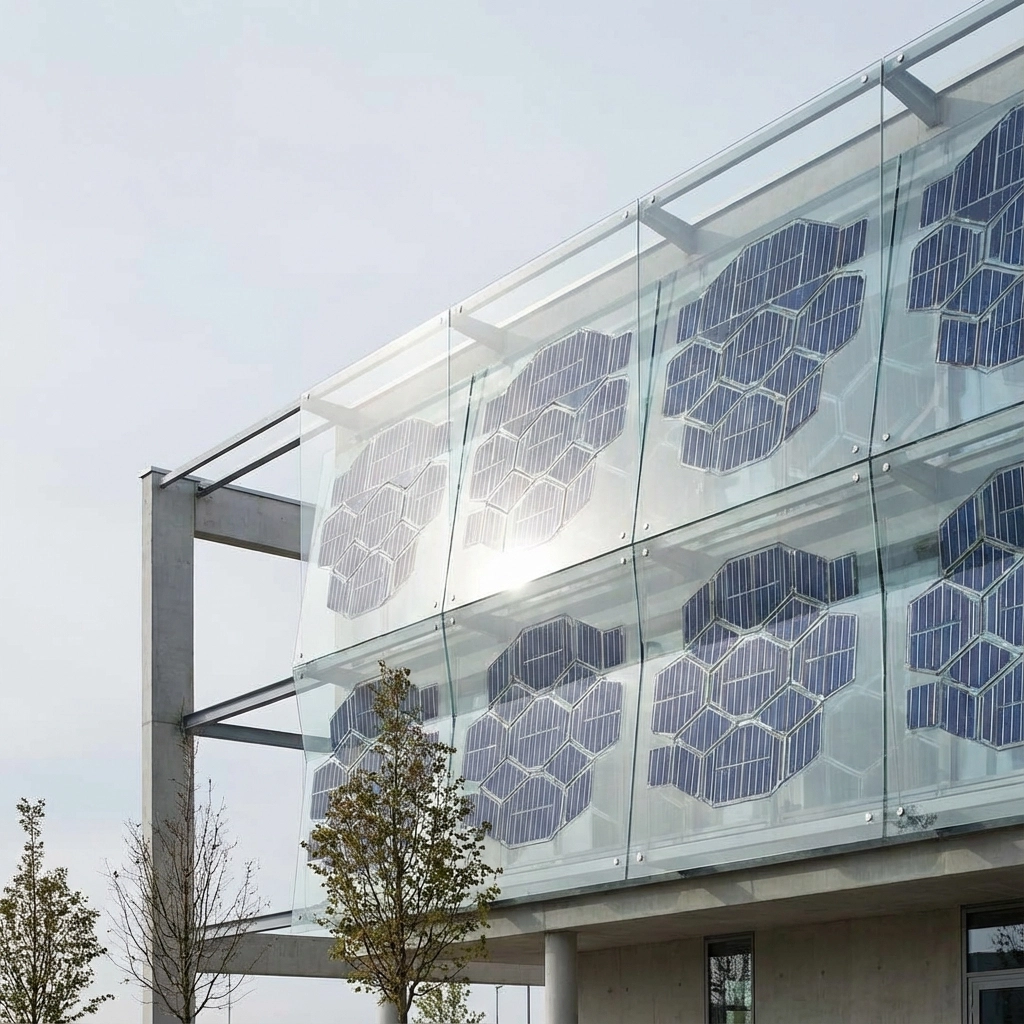
Glass technology continues advancing rapidly. Photovoltaic glass generates electricity whilst maintaining transparency. Self-cleaning surfaces reduce maintenance requirements. Thermochromic glass responds automatically to temperature changes.
Structural glazing eliminates visible support systems. Point-fixed glazing creates seemingly weightless installations. Cable-stayed glass walls span enormous distances without intermediate supports. These techniques push architectural possibilities ever further.
Digital printing enables decorative glass patterns at industrial scales. Acid etching creates subtle surface textures. Embedded LED systems transform glass into illuminated surfaces. Such innovations expand glass’s architectural vocabulary considerably.
Sustainability and Environmental Considerations
Glass architecture addresses contemporary environmental concerns. Maximum daylight penetration reduces artificial lighting needs. High-performance glazing minimises heating and cooling loads. Recyclable materials support circular economy principles.
Life cycle assessments increasingly favour glass systems. Manufacturing energy requirements continue decreasing. Transportation efficiency improves through lighter weight products. End-of-life recycling programmes recover valuable materials.
Biophilic design principles emphasise connections with nature. Glass enables these relationships through visual transparency. Interior plants thrive under natural illumination. Occupants benefit from psychological connections to outdoor environments.
Cultural Impact and Architectural Legacy
Glass architecture reflects societal values and aspirations. The transparency movement paralleled democratic ideals. Open governmental buildings symbolise accountability and accessibility. Corporate headquarters project innovation and forward-thinking approaches.
Cultural institutions embrace glass for symbolic reasons. Museums use transparency to invite public engagement. Concert halls create visual connections between performers and audiences. Libraries become beacons of knowledge within their communities.
The aesthetic influence extends beyond individual buildings. Glass architecture shapes urban landscapes and skylines. Reflective surfaces create complex visual relationships between structures. Light patterns change throughout daily and seasonal cycles.
Professional Services and Client Support
Boha Glass’s architectural glass art services address diverse client needs. Project scales range from intimate residential features to major commercial installations. Each commission receives personalised attention and technical expertise.
The commissioning process begins with detailed consultation. Architects and designers collaborate closely with glass specialists. Technical requirements merge with aesthetic aspirations. Prototyping ensures design intent translates to physical reality.
Quality assurance protocols govern every production stage. Materials undergo rigorous testing procedures. Installation guidelines ensure proper structural integration. Maintenance recommendations preserve long-term performance characteristics.
Light, Space, and Endless Possibility
Glass architecture continues evolving through technological advancement and creative vision. The material that once merely filled window openings now defines entire building envelopes. Transparency becomes both literal and metaphorical architectural strategy.
Boha Glass stands ready to support this architectural evolution. Their expertise bridges traditional craftsmanship with contemporary manufacturing capabilities. Whether serving interior designers, architects, or direct clients, their commitment to excellence remains constant.
The future promises even greater integration between glass technology and architectural imagination. Smart systems will respond dynamically to environmental conditions. Structural innovations will enable unprecedented spanning capabilities. Aesthetic possibilities will expand through continued material development.
In this landscape of constant innovation, partnerships between glass specialists and design professionals become increasingly valuable. Boha Glass’s decade of experience positions them ideally to support ambitious architectural visions. The transparent future of built environments awaits those bold enough to embrace its possibilities.