

In King County, Washington, we’re working with a newly enacted rent control measure, and on top of that, there are also a number of state-level updates on tenant protections and local ordinances specific to cities like Seattle, Burien, and Renton. To say that the regulatory environment in our market is increasingly complex is a bit of an understatement.
We’re ready for the challenge, however, and the challenging regulatory environment here is one of the reasons that our services are so essential. As professional property managers in King County and the nearby areas, our job is to stay ahead of all new rental regulations and legal requirements. We keep you compliant, and out of trouble.
For rental property owners, staying compliant isn’t just about avoiding penalties. It’s actually about protecting your investment, preserving tenant relationships, and ensuring long-term operational success. You have to follow the laws in order to be successful.
And you have to know the laws in order to follow them.
In 2024 and 2025, King County and the State of Washington introduced a wave of new rental regulations aimed at increasing housing stability and affordability. These include limitations on rent increases, extended notice periods for termination, and stricter rules around late fees and deposits. Meanwhile, Seattle continues to maintain its own layers of rental control, such as the Just Cause Eviction Ordinance, the Winter Eviction Ban, and additional renter protections that go beyond state mandates.
Whether you own a single-family rental or a small apartment complex or a growing portfolio of diverse properties, we want to make sure you know what’s expected of you. Navigating these rules without professional guidance can lead to costly legal missteps. Many landlords, especially those managing their properties independently, find themselves overwhelmed by the volume and pace of legislative change.
Real Estate Gladiators is here to help you, the rental property owner, understand and comply with King County’s rental regulations, and we can start by walking you through new rent control rules. We’ll also explain what you need to know about lease terms, tenant screening, and security deposit laws, and break down the differences between statewide standards and city-specific requirements.
Our property manager’s guide to rent regulations will help mitigate risk, streamline compliance, and support you in adapting to Washington’s changing rental landscape.
Rent Control in Washington State and King County
Effective as soon as it was signed into law in May of 2025, Washington now has statewide rent control.
Here are the particulars that rental property owners need to know:
- Rental increases are prohibited during the first year of a tenancy.
- The law caps residential rent hikes during a 12-month period at 7% plus inflation, or 10%, whichever is lower.
- The limit will last 15 years.
- The law also restricts manufactured home rent increases to 5% with no expiration date.
There are exceptions to this law.
New construction is not subject to the cap for its first 12 years. If your rental property is 10 years old, for example, you’re exempt for the next two years. If your building is three years old, you’re exempt for the next nine.
Public housing authorities, low-income developments, and duplexes, triplexes and fourplexes in which the owner lives in one of the units are also exempt.
There’s also a legal change to the notice period that landlords must provide before a new rental amount takes effect. While the notice period has been 60 days, it is now 90 days.
This law may take some time to get used to. Remember that you can set your rent as high as you’d like before you list it and approve a tenant. The restrictions come when it’s time to raise the rent during the lease renewal period. Contact us with any questions about how to navigate this. You’ll likely have to change your lease agreement language.
Terminating a Lease: Extended Notice Periods
 First, make sure you know the difference between an eviction and the termination of a tenancy. For an eviction, you’ll generally need a just cause. For example, rent has not been paid, the lease has been violated, or you want to take the property off the rental market to sell it or maybe to move into it yourself.
When you terminate the lease, you’re formally ending the rental agreement and asking the tenant to vacate the property.
The days of 20-day notices are very much over for most property owners, even on month-to-month leases. According to new laws, for fixed-term leases, landlords need to provide 60 days’ notice before the end of the lease term if they choose not to renew that lease. Landlords in unincorporated King County must provide 120 days’ notice to tenants before ending a tenancy.
That’s a lot of time.
How To Manage this Timeline EffectivelyPlanning ahead is key. Landlords should mark lease anniversaries and review tenant performance well in advance, ideally four to six months before any desired lease end date. If you’re considering major renovations, selling the property, or moving in a family member, you must align those plans with the 120-day notice period. This is especially important because the law allows for no-cause terminations only under certain circumstances, and even then, the full notice period must be honored. Proper documentation is essential. The notice must be in writing, clearly state the termination date, and be delivered according to legal service methods, which are either personally or by mail with a certificate of service. Make sure to keep a copy of the notice and proof of delivery for your records. It’s also wise to stay updated on whether your property is within unincorporated King County or a nearby city with its own rental rules. Local jurisdictions like Seattle, Burien, and Kenmore may have even stricter requirements. What applies in unincorporated areas may not apply elsewhere—and vice versa. Lastly, consider working with a professional property manager or attorney. We can help ensure the notice complies with all relevant laws and is served correctly, avoiding costly delays or tenant disputes. Managing the 120-day requirement is a logistical challenge, but with the right approach, landlords can stay compliant and avoid unnecessary legal exposure. |
Late Fees and Security Deposits in King County
Late fees and security deposits are regulated by both the state and the county. When your rental property is in King County, make sure you’re paying attention to those specific laws.
Late FeesLate rent is frustrating, especially if you have a rent collection policy in place that your tenants have agreed to follow. Late fees can be a great deterrent, but in our market, there’s a limit on what you can charge. Washington State laws do not have a specific limit. They simply have to be “reasonable.” Generally, the state likes to see late fees capped at $20 or 20 percent of the rent. That’s their definition of reasonable. In King County, late fees for rent are capped at 1.5% of the tenant’s monthly rent. Don’t try to charge any more than that, or your tenants can file a claim and take you to court. And remember – your lease agreement has to stipulate that this late fee will be assessed. There’s also a grace period built into this late fee law. The late fee cannot be charged until the rent is five days late. |
Security DepositsWashington state does not impose a limit on the maximum security deposit amount a landlord can charge tenants statewide. In King County, the maximum security deposit that can be charged is the equivalent of one month’s rent on an unfurnished rental property. If you’re renting out a furnished home, the maximum security deposit can be up to twice the monthly rent. In King County and throughout Washington, landlords must return a tenant’s full security deposit or provide a written statement explaining why any portion is being withheld within 30 days after the tenancy ends and the tenant has vacated the rental home. The landlord can deduct money from the security deposit to cover unpaid rent, damage that exceeds normal wear and tear, cleaning costs, and utility bills. |
With late fees capped and strict rules around how and when deposits can be collected, held, and returned, even small oversights can result in costly disputes, so you don’t want to be unsure about what the law requires. Protect yourself by ensuring compliance not only with state laws but also those laws that are specific to King County.
Source of Income Discrimination
 When you’re screening tenants, it’s important that you follow all federal and state fair housing laws.
In King County, there’s something extra to pay attention to: source of income. You cannot deny a rental application based on where and how the applicant earns their money.
Source of income discrimination occurs when a landlord refuses to rent to, or treats differently, someone who intends to pay rent using:
- Housing vouchers (like Section 8)
- Social Security income
- Disability benefits
- Child support
- Unemployment compensation
Under the law, landlords cannot deny an applicant simply because they rely on a subsidy to help cover rent. They must consider the total monthly income, including both wages and third-party assistance, when determining whether a tenant qualifies.
Here’s an example. Let’s say a tenant earns $1,200 a month and receives a $1,000 housing voucher. In this case, you must treat that as $2,200 in income every month, not only the tenant’s personal earnings.
It’s also illegal for property owners to impose different terms, such as higher rent, extra deposits, or stricter screening standards, based on how someone pays. You cannot advertise or suggest that you do not accept vouchers or government assistance.
To comply with the law, make sure your rental applications, advertisements, and screening criteria are neutral and inclusive. Violating source of income protections can result in civil penalties, lawsuits, and fair housing complaints. Trust us when we say you do not need any of that.
Notice of Entry Laws in King County
We’re going to ask you not to simply show up at your rental property any time you feel like it.
Not only is that weird, it’s also prohibited.
In King County, it’s necessary to follow strict Notice of Entry laws to ensure tenant privacy while maintaining legal access to your rental property. This is actually a state law, which applies across King County, including unincorporated areas and incorporated cities like Seattle and Renton.
The law mandates that you provide at least 2 days’ (48 hours) written notice before entering a tenant’s home for non-emergency reasons. This includes purposes such as:
- Inspections
- Maintenance and repairs, even if they’ve been requested by the tenant
- Showings to prospective renters or buyers
- Appraisals
Only in case of emergency should you enter the property without the appropriate notice. We’re talking about a fire or a flood or a concern for life. Your notice must clearly state the reason for entry, the date, and the approximate time window when entry will occur.
Let’s say your rental property is on the market, and your current tenant knows you’ll be showing the property when they live there. In this case, one day (24 hours) is usually sufficient notice as long as it’s in writing. However, all non-emergency entry must still occur at reasonable times, typically during normal business hours, which are generally understood to be between 9 a.m. and 6 p.m.
King County landlords must also be aware that local city ordinances may impose additional entry restrictions. For example, Seattle has more stringent rules related to tenant privacy, including additional consent requirements for photography or video during a showing.
To stay compliant, we always recommend that owners document all notices given, including time and method of delivery. Notice can be delivered in person, posted on the door, or sent electronically if the tenant has agreed to receive communications that way. Respecting notice of entry laws builds tenant trust and reduces the risk of legal disputes or claims of unlawful entry.
King County Lease Agreements: Your Starting Point
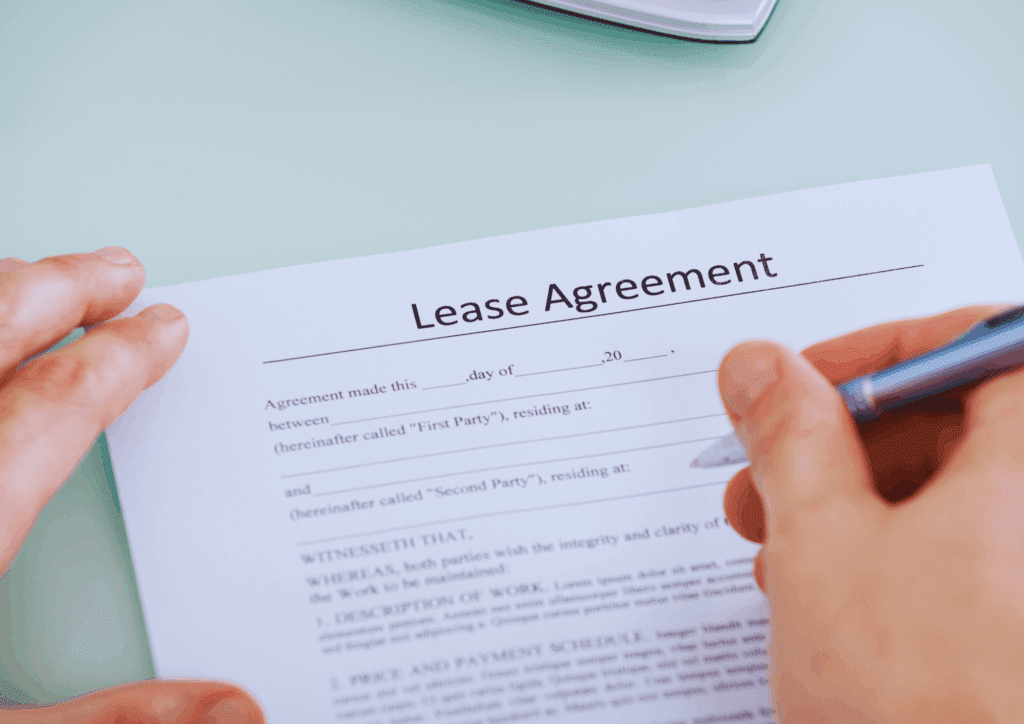
Having a legally compliant lease agreement is essential, as you no doubt can see just by reading through the legal requirements of renting out a home in King County. Washington State and local jurisdictions within King County have specific requirements for what must be included in a rental lease. A well-drafted lease protects your rights as a property owner while ensuring you meet all legal obligations to your tenants. Here’s what every lease agreement in King County should contain to be enforceable and compliant.
| Names of All Tenants
Every adult living in the rental unit must be named on the lease and sign it. This establishes who is legally responsible for paying rent, following lease terms, and covering damages. |
Description of the Property
Clearly describe the rental unit’s address, including unit number if applicable, and outline any included amenities or shared spaces. Specify what is and isn’t part of the rental agreement. |
| Rent Terms and Payment Details
State the exact amount of rent due, when it’s due, acceptable payment methods, and any late fees (make sure the caps reflect recent laws). If rent increases are allowed, the lease must follow new state rules and notice periods. In some King County cities, local ordinances may add further restrictions or notice periods. |
Security Deposit Terms
Include the amount of the security deposit, where it will be held, and how and when it will be returned. Washington law requires that landlords provide a written move-in checklist if a deposit is collected, and that checklist must be signed by both parties. Without it, you cannot legally withhold any part of the deposit for damages. |
| Term of Tenancy
Specify whether the lease is a fixed-term (such as 12 months) or month-to-month rental. If it’s a fixed-term lease, the lease should state the start and end dates clearly, along with what happens at the end of the term (renewal, conversion to month-to-month, etc.). |
Maintenance and Repairs
Detail the tenant’s responsibilities for upkeep, such as yard maintenance or minor repairs. Be sure the lease complies with state law, which holds landlords responsible for ensuring the unit is safe, habitable, and in good repair. |
| Right of Entry
Washington law requires at least two days’ notice before entering a unit for non-emergency reasons. The lease should reflect this and specify acceptable reasons for entry, such as inspections, repairs, or showing the unit to prospective tenants. |
Notice Requirements and Lease Termination
Clearly define how notice must be given to end the lease. As of recent updates, Washington law requires at least 120 days’ notice for landlords to terminate a tenancy without cause. |
Washington and King County require several disclosures. Your lease must include:
- Mold disclosure form (required statewide)
- Fire safety and smoke alarm information
- Lead-based paint disclosure (for properties built before 1978)
- Flood zone disclosure (if applicable)
- Information on local tenant rights, such as Seattle’s Rental Agreement Regulation Summary if the property is located within city limits
Don’t download any lease template you find on the internet. Get a solid and legally compliant lease from your local property managers. That would be us. We can get the right lease into your hands.
This is a lot to digest, and we have not even covered all the laws and all the regulations.
Let’s talk about keeping you out of legal danger. Contact us at Real Estate Gladiators. We serve Monroe, Issaquah, Bellevue, Everett, Lake Stevens, Kirkland, and other cities in and around King and Snohomish counties in Washington State.