
The historic Blizzard of 2026 did more than just shut down the Mass Pike and bury Providence under three feet of snow. It created a perfect biological incubator for the year ahead. Although many property owners assume a hard winter kills off pests, the sheer volume of snow we have seen in Massachusetts, Rhode Island, and Connecticut has actually had the opposite effect.
This is known as the subnivean effect. In short, a snowpack exceeding 12 inches acts as a powerful thermal insulator. Although the air temperature in New Hampshire and Connecticut dropped to sub-zero levels, the ground beneath those 30-inch drifts remained a stable and protected environment.
This allowed colonies of ants, termites, and ticks to survive the winter in record numbers. As we look at the 2026 forecast for the northeast, we are not just looking at a normal year. We are looking at a bumper crop year where the base population of pests starting the season is significantly higher than average, heightening the importance of regular pest inspections.
Structural Vulnerability from Record Snow Loads to Moisture Surge
The physical weight of the 2026 blizzard has fundamentally changed the exterior shell of both residential and commercial buildings. The record-breaking snow loads followed by the inevitable freeze-thaw cycles have put immense stress on New England infrastructure.
For commercial facility managers and homeowners, the primary concern now shifts to hydrostatic pressure. As those three feet of snow melts, thousands of gallons of water will saturate the soil surrounding homes’ foundations. This moisture causes two major issues. It expands existing foundation cracks to create new highways for pests, and it drives subterranean species like springtails and termites upward into dry wall voids as they seek higher ground.
Whether you are managing a warehouse in Worcester or a colonial home in Hartford, the post-blizzard thaw is the single most high-risk period for structural intrusions in 2026.
Predicting the 2026 Bumper Crop of New England Pests
Based on current soil moisture and the survival rates we have observed, the 2026 pest pressure index is trending toward extreme levels for three specific categories.
Subterranean Termites: The moisture-rich soil and lack of a deep-ground freeze have set the stage for early and aggressive swarming. Termites thrive in the damp conditions created by heavy snowmelt.
The Tick Surge: New England ticks are notoriously cold-hardy. With the snow protecting their leaf-litter habitats, we expect tick activity to spike the moment the snowline recedes.
Post-Storm Rodent Intrusion: The blizzard destroyed many natural outdoor burrows. Rats and mice are currently in a state of emergency migration, seeking the stability of commercial loading docks and residential attics to escape the saturated ground.
How Regional Weather Events Reshape Residential and Commercial Risks
Although the underlying biology is the same, the record-breaking snowfall and rapid thaw of 2026 present different challenges, depending on the type of property. For residential homeowners, the concern is often personal and immediate. The heavy snowpack puts pressure on attic vents and foundation sills, creating tiny gaps that mice and ants use to enter kitchens and basements as the ground becomes waterlogged. In a family home, even a small increase in moisture from the melt can trigger a massive surge in carpenter ants seeking the softened wood of a damp windowsill.
On the commercial side, the stakes shift toward large-scale infrastructure and regulatory safety. In massive facilities like warehouses or multi-unit housing complexes, the sheer volume of 2026 snowmelt can overwhelm drainage systems, creating flood-level pest pressure.
For a commercial property manager in Boston or Providence, the threat is less about a few ants in a pantry and more about high-volume rodent intrusion at loading docks or fly outbreaks in food processing areas. Although a homeowner might worry about comfort, a business owner faces the added pressure of health code compliance and protecting inventory from contamination as pests flee the saturated outdoors.
The Financial Value of Staying Ahead of Seasonal Shifts
When evaluating the cost of pest management in 2026, the overall value depends largely on timing. For example, the record snowmelt we are seeing across New England creates an immediate moisture threat. A reactive approach means treating the basement only after an infestation has taken hold, while a yearly strategy creates a moisture-resistant barrier before the thaw even begins.
This same logic applies to the predicted surge in ticks and mosquitoes. If you wait for activity to peak, you are stuck spraying in a high-density environment. By choosing a trend-based plan, you can manage the population at the source before the breeding season hits its stride.
Perhaps the most critical difference is seen with rodent migration. A one-time response usually involves setting traps after structural damage or contamination has already occurred. In contrast, a preventative plan focuses on permanent exclusion, sealing the entry points to keep rodents out of the building. For commercial properties especially, moving away from reactive habits helps protect your reputation and ensures you remain in compliance with health and safety regulations throughout the year.
Establishing a Resilient Property Strategy
To navigate the unique pressures of 2026, property owners must move from simple pest control to comprehensive pest management. This involves conducting a thorough audit of the property to identify damage caused by the recent record snow.
- Audit the Foundation: Inspect for new hairline cracks caused by the weight of the snow and the expansion of freezing water.
- Manage the Drainage: Ensure that as the record snowpack melts, it is being diverted at least 10 feet away from the structure.
- Harden the Exterior: Focus on permanent exclusion by sealing gaps around utility lines and rooflines where rodents will attempt to enter as the weather shifts.
The 2026 bug barometer is already rising. By acknowledging that this winter’s record snowfall has already changed the playing field, you can implement a strategy that protects your property value and your peace of mind for the rest of the year. Connect with our team at Catseye Pest Control to make sure your property is prepared for the season ahead.
Frequently Asked Questions
What is a bumper crop year?
A bumper crop year occurs when crops produce much higher yields than normal due to favorable weather, soil conditions, and growing environments. While strong harvests are beneficial for agriculture, the abundance of food can also support larger populations of insects and rodents. As these pest populations grow, they may spread into nearby storage facilities, warehouses, and buildings in search of shelter and additional food sources.
Will the record snow this winter kill off the ticks?
No. Ticks are extremely hardy, and the record snow actually protects them. The deep snowpack acts as an insulator, keeping the ticks hydrated and safe from freezing temperatures until the ground thaws in the spring.
Why am I seeing ants in my kitchen while there is still snow on the ground?
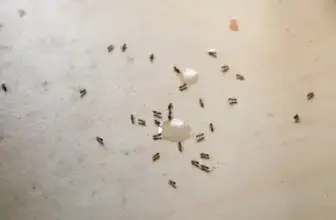
The “insulation effect” of deep snow allows ant colonies near your foundation to stay active. As the ground begins to thaw or the sun warms your home’s exterior, these ants “wake up” early and head indoors looking for food.
Can a big snowmelt cause a termite swarm?
Yes. Subterranean termites thrive in moisture. When the record snow in Massachusetts and Rhode Island melts, the saturated soil triggers termites to swarm earlier than usual as they look to expand their colonies into damp structural wood.
Why are mosquitoes so bad after a wet New England spring?
The massive amount of water from the 2026 snowmelt creates stagnant pools in woods and gutters. These are perfect breeding grounds for mosquitoes, leading to a much larger population when the summer heat arrives in June and July.
How do I stop stink bugs and ladybugs from entering my house in the fall?
These “overwintering” pests look for warmth as soon as the first cold snap hits in September. The best defense is to seal the cracks in your siding and windows during the summer before they begin searching for a place to hide for the winter.
Do mice and rats go away once the winter is over?
Actually, they often become more active. After a record winter, rodents are stressed and looking for new food sources. As the weather warms, they move between indoor and outdoor spaces, making it the most important time to block their entry points.