
Automating the Entire Resident Lifecycle In Condominiums

Condo communities have continued to hold their ground even as other corners of real estate have taken hits. But resilient doesn’t mean untouchable. Right now, condo managers are feeling the squeeze, from operating costs climbing, owner expectations rising, and boards asking for more transparency.
So where does that leave us? Looking inward. The smartest condo management companies are the ones who aren’t sitting around waiting for conditions to ease, but they are busy looking for ways to run leaner, serve residents better, and get more out of the teams they already have. And the answer to all three of those goals lives in automation.
But something that I always find off-track is that a large percentage of condo management companies use different technology tools to manage the resident journey. That means logging into different websites, portals, re-entering data between systems, and viewing information from different dashboards, which is almost as hard as operating manually.
We talk a lot about resident experience in this industry, but we rarely talk about how much friction we create by stitching together different disconnected platforms. And that friction affects both your staff and the residents. Your staff will suffer from app fatigue and create room for errors, and residents get confused about what to check and where to check it.
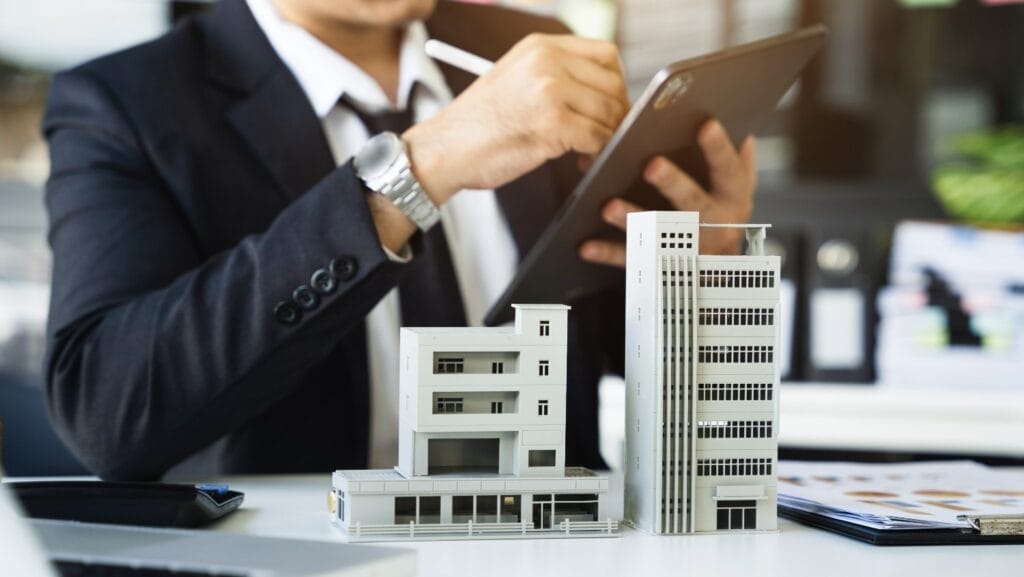
That is why I want to walk you through what it actually looks like when you automate the entire resident life cycle, from move-in to move-out, using a consolidated management platform. Because when it is done right, it saves time, eliminates the room for errors, and saves your staff from app fatigue. Here’s the automation lifecycle.
Move-in logistics
Move-in day logistics are one of the biggest operational challenges when managing a mid-to-high-rise condo building. And the elevator is almost always at the center of it. When you schedule the move-in manually through phone calls, emails, or whiteboards in the management office, you end up with human errors. The result is double bookings, and residents show up at the same time, competing for the freight elevator. That’s starting residency on the wrong foot.
Automated move-in scheduling fixes this problem. Residents self-select a move-in time window through the resident mobile app. The system checks availability against existing bookings, and if the elevator is available, it pushes the request to the management. Once approved, a notification is sent back to the new resident, and the elevator is reserved without a single phone call.
The move-in deposit is another thing worth automating. With automation, the deposit amount is calculated based on your policy, a payment link is sent to the resident, and the payment is logged against their profile. This prevents issues during move-out, as the deposit is well documented, and tied to the corresponding inspection.
Resident onboarding
This is where so many condo communities unintentionally undermine the experience they have worked hard to create. Think about what a new resident goes through in their first week. They have just made a big decision, and they chose your building. And what is the first interaction post-move-in? You have multiple platforms and portals, and the resident is asked to log into another new portal to submit their parking registration, another system to set up utilities, and an email from a board member about pet registration. It is a frustrating experience, and it signals disorganization.
When you bring these touchpoints into a single platform, the same one they will use throughout their entire residency, everything looks organized. Move-in tasks feel manageable as the resident isn’t going through different accounts. And your team isn’t receiving calls from confused new residents trying to figure out where to go for what.
Automated move-in journeys can walk residents through every step via email or text, showing how to submit a maintenance request, pay condo fees, and where to find community declarations and bylaws. AI-powered systems are even smart enough to know how to schedule the guidelines, rather than giving everything all at once.
Document management
Document management is one of the topics that doesn’t get enough airtime in conversations about condo management efficiency. But I have seen it make or break operations, especially when something goes sideways.
The condo document ecosystem is large,from declarations, bylaws, rules, meeting minutes, board resolutions and status certificates, to engineer reports, insurance documents, financial statements, maintenance records and violation histories. Both your team and your residents need access to the right pieces at the right time. Doing this well is about being organized, consistent, and accountable. Here’s how to go about it:
- Roll-based permissions: Not everyone on your team needs access to everything, and neither do your residents. Automation lets you configure access by role, unit, or record type, so people see what they need, and nothing more.
- E-signature: Make sure whatever system you are using is compatible with established legal frameworks. For example, in the US, that means ESIGN and UETA compliance, with proper audit trails, content capture, and document integrity protections. This makes your digital signatures legally defensible, and you don’t have to sign documents manually.
- Centralized, searchable storage: This is where I have seen the biggest day-to-day time savings for the teams I work with. When every template and signed document lives in one place, tagged by unit, resident, and status, and includes version history, your team stops wasting time digging through email threads and shared drives. They just search, and the document pops up.
- Automated deadline and expiration reminders: This is the final piece here. Status certificate deadlines, depreciation report schedules, reserve fund study timelines and AGM periods are things that slip when teams are stretched thin. A system that fires reminders based on dates, events, or conditions means those deadlines don’t rely on anyone’s memory or handwritten notes.
Condo fee collection
Fee collection is another area where manual processes can cost you in staff time, late payments, inconsistency, and human error that creeps in when managing lots of transactions. Automated fee collection changes things. Scheduled reminders go out a few days before it is due – usually a simple email or text message that just seeks to remind the resident about payments without anyone on your team having to call the residents.
Residents who opt into autopay have their payment processed on a set schedule, and the system handles it without any manual intervention. Usually, the system can do these through multiple payment methods, such as ACH transfers and credit card options. I always suggest implementing as many payment options as possible, as the easier you make it to pay on time, the more often residents will.
When a payment is late, the system automatically slaps the late fee penalty. This ensures that late policies are enforced consistently, every time, without a staff member negotiating with some residents and waiving the penalties, while remaining reluctant to do so with others. The system applies the fee and notifies the resident according to the rules in the governing documents. That way, your management won’t end up dealing with selective enforcement issues. Above all that, the billing is free from human error, and payment statements won’t have compliance issues.
Maintenance requests management
If I had to pick one operational area that has the single biggest impact on whether a resident feels good about their building, it would be maintenance. Not the amenities, not the fees, but how your management company handles maintenance requests. Residents are forgiving about problems when they feel heard and kept in the loop. What they don’t forgive is submitting a request and hearing nothing for days. Or having to call the office to ask whether anyone is coming. Or discovering the issue was marked as complete when it wasn’t.
Fortunately, automated maintenance systems address these issues. When a resident submits a request through a mobile app or portal, the system logs it and categorizes it by type and urgency, and then kicks off a predefined workflow. A work order is created and routed to the right technician or vendor based on the unit, the skill set required, and availability. That means your staff won’t have to deal with spreadsheets, email chains, or the occasional human carelessness of “I thought you were handling that”.
What I think is equally important is the communication automation piece. Residents receive real-time updates as their request moves through each stage, such as received, scheduled, in progress, or completed. That transparency changes how residents perceive the maintenance experience, even when repairs take the same amount of time they always did. They feel informed and respected, and that is what matters when it comes to resident experience.
Over time, a well-configured system, especially one that is AI-powered, starts surfacing patterns in your maintenance data, such as recurring HVAC issues, aging water heaters, and units with repeated plumbing calls. That intelligence lets you shift from reactive to preventive maintenance, addressing issues before they become maintenance requests from residents. That way, you’ll have fewer emergency calls, fewer emergency repairs and your reserve funds won’t get ambushed by problems that have been developing over time.
Resident communication
Repetitive communication is one of the biggest time drains in condo management. For example, your team might be busy answering the same questions over and over, chasing maintenance updates, and sending reports that follow the same format every single month. They’re easy, routine tasks, but they pull your team away from the work that actually requires human judgment.
The goal should be a unified communication hub, one place where your team can see every resident interaction, whether it came in via email, SMS, or chat. Not separate inboxes that nobody fully monitors. For example, when a resident reaches out about an issue they already contacted you about last week, and the person responding has no context because it was handled by a colleague who is off today, that resident has to start from the beginning.
They have to re-explain the situation. That experience, although it looks small, erodes trust as the resident feels that not much attention was paid during the initial query. And over time, those moments accumulate into distrust.
A centralized communication system with automated workflows eliminates a lot of this. For instance, welcome emails go out when a new condo owner moves in, monthly fee reminders fire three days before the due date, and maintenance updates are sent automatically when a work order status changes.
Then there are the modern AI-powered virtual assistants. Honestly, I have been impressed by how tools handle routine inquiries. Unlike humans, they work 24/7, helping with things like payment questions, maintenance request status, and the community declarations and bylaws, in a conversational way that doesn’t feel robotic. When something requires a human touch, they escalate to the board or management company. The result is that your team focuses on complex situations and relationship building, and the system handles the time-consuming communication tasks.
Finally, make it possible for residents to choose how they receive communication. Some residents want email, others want a text, while others find that push notifications work better for them. I suggest that you implement a system with as many communication options as possible. That way, the system will be able to reach every resident in their most preferred communication channel.
Amenity management
If your residents have to download a separate app to reserve a party room or book a guest suite, most of them won’t, and then they’ll show up expecting the space to be available, find it occupied, and blame management. This is one of the most avoidable sources of resident frustration in condo buildings, and it usually happens when the amenity booking feature lives outside the main resident portal, so residents either don’t know it exists or find it too inconvenient to use.
Your amenity reservation tool needs to live inside the same resident portal they already use. It should be part of their normal experience, not a side quest. When it is integrated and easy to access, residents actually reserve and use the amenities, which reinforces why they chose your community in the first place.
There is also a revenue dimension here that I think condo corporations underutilize. When it is easy to book amenities through the resident portals, residents do it, and the amenities will be almost always fully booked. That is incremental revenue for the community, generated without any additional monthly fees or special assessments.
Governance
Condo boards have governance responsibilities such as giving AGM notices, distributing meeting minutes and financial reporting. When the board or management company handles all these things manually, they’re prone to delays, inconsistent formatting and missed distribution lists. As a result, some residents fail to know about upcoming meetings on time, and sometimes typo errors make some residents get the dates wrong.
Remember that residents have a right to contribute to the management of the community through votes. But with many residents having busy schedules, they almost always fail to take part in these meetings and elections.
Automation helps solve the issue through virtual AGMs, e-voting and online proxy voting features. They just need to join the meeting virtually through the condo management platform, and cast their votes online. In case the resident is busy, they can use the platform to delegate someone to cast the vote on their behalf. That way, all residents participate in community management.
Then the system automatically distributes the relevant reports and documents, such as board resolutions, financial reports and compliance notices. This makes sure that residents are at the same page with the board and management company.
Move-out inspections
The move-out process is where a lot of condo communities lose ground, not just financially, but in terms of reputation. A disputed move-out deposit becomes a negative review. And a unit that is vacant longer than it should be because the make-ready process wasn’t coordinated costs the owner carrying costs and damages your relationship with them.
With automation, when a notice to move out is received, the system triggers a defined sequence of steps. For example, the system schedules move-out elevator reservations, the same as during move-in. Then you have inspection assignment, deposit review, and deactivation of access to the community portals upon departure.
For the move-out inspection, your team completes it using a mobile app, capturing photos of damage and taking notes of repair needs, with all evidence accompanied by timestamps, unit numbers and location tags. That documentation then becomes the basis for a transparent, itemized account of any deductions from the move-out deposit.
When everything is documented and time-stamped, disputes become much less common, and when they do happen, you have a clear record to stand on. For the access deactivation, the system automatically deactivates fob credentials, intercom access, and portal login.
Final thoughts
Technology doesn’t replace the human element of condo management, but it amplifies it. When your team isn’t buried in repetitive tasks, they can show up for residents in meaningful ways, such as helping with the move-in process and answering questions that require human judgment. But even as you go the automation route, my strongest recommendation is that you resist the urge to solve each operational challenge with a different tool. The platform fragmentation I see across condo management companies is one of the biggest sources of inefficiency. Consider an AI-powered, consolidated platform that manages the full resident lifecycle from move-in, fee collection, bylaw enforcement, amenity booking, and board governance, to maintenance management and move-out inspection.