

Let’s face it, money management has come a long way. With smartphones, apps, and online banking, it’s easier than ever to pay bills, track spending, and send money. But just because tech makes things convenient doesn’t mean old-school money skills are totally useless. In fact, some of those tried-and-true habits can actually help you stay in control of your cash, no matter how digital your life gets.
So, before you toss that checkbook and forget everything you learned about balancing accounts, let’s talk about why these classic skills still deserve a spot in your financial toolkit.
Writing a Check: Not Dead Yet
You might think checks are a thing of the past, but nope! There are still times when a check is the way to go. Maybe your landlord prefers it, or you’re paying a local business that doesn’t do cards. Heck, even some emergencies call for good old-fashioned checks.
If you haven’t written one in a while, don’t stress. Sometimes all it takes is a quick look at a simple check example to get the hang of it again. Knowing how to fill one out properly is a handy skill that can save you from scrambling at the last minute.
Balancing Your Checkbook: A Little Effort Goes a Long Way
Okay, this one sounds like a blast from the past. But balancing your checkbook isn’t just about writing down every transaction, it’s about keeping your money where it belongs: in your account.
Even with apps showing your balance, it’s smart to double-check your spending regularly. That way, you catch any mistakes or sneaky fees before they get out of hand. Plus, it helps you stay fully aware of where your money’s going.
Budgeting with Pen and Paper: Give It a Try
Sure, budgeting apps are great, but sometimes writing it down by hand can make a bigger impact. When you physically write your budget, it sticks better in your mind, kinda like the difference between texting notes and writing them out in a notebook.
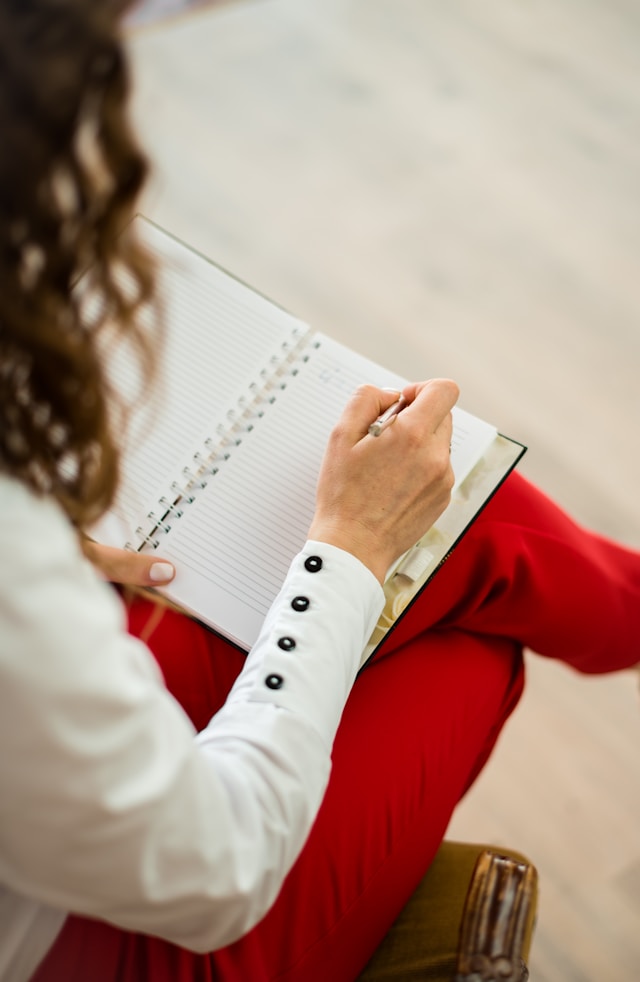
Grab a notebook or planner and jot down your income, bills, and spending limits. You might find it easier to stay on track when you see it all laid out in front of you.
Using Cash: The Old Trick That Works
If you mostly use cards or your phone to pay, you might be missing out on a simple way to curb overspending, cash.
When you use cash, it feels more “real.” Physically handing over money makes you pause and think twice about whether you really need that impulse buy. Try setting aside a certain amount of cash for the week and sticking to it. It’s a great way to keep your budget in check without feeling restricted.
Keeping Physical Financial Records: Still Worth It
We all love digital copies, but sometimes having paper copies of important bills, receipts, and statements can save your butt. Whether it’s for tax time, returns, or proof of payment, having organized physical documents is a smart backup plan.
Even if you keep most things online, don’t forget to stash away those crucial papers in a safe spot.
Negotiating Bills: Don’t Be Afraid to Pick Up the Phone
This one might sound old-fashioned, but calling your service providers to negotiate can seriously lower your bills. Automated phone menus and online chats rarely offer deals, but talking to a real person can.
Whether it’s your internet, cable, or phone bill, a quick call and a polite ask for a better price or discount can save you some serious cash. It doesn’t hurt to try, right?
Wrapping It Up
Digital tools make managing money easier, no doubt. But adding some old-school money skills to the mix can make you even smarter with your cash. Whether it’s writing checks, balancing your accounts by hand, or using cash to control spending, these simple habits can help you stay on top of your finances and avoid unnecessary fees or stress.
So next time you’re tempted to swipe without thinking or ignore those paper statements, remember, a little old-school know-how goes a long way.