

Finding a condo in Calgary you love is an exciting moment! However, that doesn’t mean that you should automatically sign on the dotted line. That dream home might hide expensive nightmares. The rush to buy in today’s market leads many people to overlook serious problems.
Buying a condo with hidden issues can trap you financially for years. Monthly fees increase, special assessments hit your wallet, and property values sink. But you can avoid these headaches by knowing what red flags to look for when buying a condo.
For informational purposes only. Always consult with a licensed real estate professional before proceeding with any real estate transaction.
Quick Condo Red Flag Checklist
On the fence about a potential building? Consider whether it might be worth it to rent rather than buy for a few months, assuming an owner is renting out a unit.
Spot Neglected Maintenance Before It Costs You Thousands
When you tour a condo, look beyond the fresh paint in the unit you’re considering. Check the hallways, lobby, stairwells, and exterior of the building. These areas, which the condo association is responsible for rather than the owners, tell the real story about maintenance in the complex.
Signs of neglect include water stains on ceilings, cracks in walls, peeling paint, broken light fixtures, and dirty common areas. Even small issues signal bigger problems hiding beneath the surface. These warning signs shouldn’t be ignored.
When checking a building, run your hand along railings to see if they’re unstable. Check for natural light in common areas—dark hallways often hide problems like water damage. These small checks take seconds but can save you from unexpected expenses down the road.
Ask about the condo association’s insurance policy. Your condo insurance only covers your personal belongings, not the structure of the building.
How to Tell If the Building Was Built Poorly
You don’t need to be a contractor to spot a poorly built condominium complex. A lot of it is the same as red flags when buying a house. Trust your basic senses—if floors feel uneven or doors and windows don’t close properly, these can be red flags.
If you see cracks in a brand-new building, this is not normal, even for “settling.” New buildings should look new for many years. Early problems mean corners were cut during construction.
Watch for misaligned walls, doors that stick, or windows that don’t seal. These major red flags aren’t just annoying—they’re warning signs that the building might have serious structural issues that could become dangerous in extreme weather.
Improper heating throughout a complex can also be a sign of issues. Poor temperature control often indicates deeper construction problems that will only get worse over time.
The fix for poor construction isn’t simple patching. It often requires major work that costs tens of thousands per unit. Potential buyers should skip buildings with these red flags, no matter how good the price looks—because the price will come out of your wallet later.
Condo Fees That Are Too High? Here’s What That Means

Condo fees should match what you get. Compare fees with similar buildings in the area offering the same shared amenities. Fees that seem way higher than comparable properties suggest something’s wrong.
High fees can mean:
- Poor budget management by the condo association
- Unneeded services in the complex
- Ongoing major repairs throughout the building
- Legal problems draining funds
- Too few individual units sharing costs
Ask what percentage of monthly fees goes to the reserve fund (savings for future repairs). Healthy condo associations put 25%–30% of fees into reserves. Lower amounts likely mean they’re only covering current expenses with nothing saved for future special assessments.
Remember that condo fees are separate from condo property taxes. Be sure you’re looking at the right number.
Check These Financial Records Before You Buy
Most potential buyers never look at the condo association’s financial records. Red flag! These documents tell you if you’re buying into a financially healthy building or a money pit.
The status certificate (also known as an estoppel certificate in some areas) is your best friend when buying a condo. It shows the complex’s financial health, including:
- Current reserve fund balance
- Pending special assessments
- Ongoing or planned major repairs for the building
- Legal actions against the condo association
- Rules and restrictions for property owners
Here’s how to check these records as part of your due diligence:
- Ask your real estate agent to request the status certificate and the last 2 years of community association meeting minutes
- Look for the reserve fund study/audit showing planned repairs
- Check if the reserve fund matches what’s needed for upcoming work in the condominium complex
If the seller or condo association hesitates to provide these documents, that’s a major red flag. They’re hiding something that will cost you unexpected expenses after purchase.
When Neighbours Don’t Pay Their Fees (And Why That Hurts You)
If you see a notice in the elevator reminding residents to pay overdue condo fees, this is a warning sign. When other condo owners don’t pay their share, the building can’t maintain itself properly.
Even if you pay your fees on time, other property owners’ delinquencies in the condo community affect you directly. The condo association will either:
- Cut services and maintenance (your building deteriorates)
- Raise everyone’s fees to cover the shortfall (you pay more)
- Delay necessary repairs (problems get worse and more expensive)
- Issue special assessments to make up the difference
Ask the board what percentage of other condo owners are behind on payments. Anything over 5% is concerning. Over 15% is a serious red flag that will affect property values throughout the complex.
Special assessments hit hardest in buildings where many property owners are already struggling to pay regular fees. You could get stuck with neighbours in your condominium complex who can’t afford their share of a major repair, leaving you to pick up more of the cost. These unexpected expenses can devastate your budget.
Is the Building Quiet Enough?
Paper-thin walls make condo living miserable. You hear every conversation, TV show, and footstep from other condo owners. This issue alone drives many people to sell their units and look for other options.
Try this: Visit the condo complex at different times—especially evenings and weekends when more people are home. Stand quietly in each room of an individual unit with your eyes closed for 30 seconds. Hearing strange noises could be a sign of issues.
Ask current residents in the condo community about noise issues. They’ll usually be honest about problems. Check if you can hear normal conversation through walls or floors during your visit.
Poor sound insulation isn’t easily fixed after you purchase. It typically requires major renovation work that most condo associations won’t approve. If you value peace and quiet, don’t compromise on this point. This is one of those potential red flags that can make daily living unbearable.
This goes for stacked townhouses, too. Any property type that shares walls, really, though high-rise condo owners can have it worst with walls, ceilings, and floors all being shared.
Parking Problems That Make Daily Life Frustrating

Never underestimate parking issues when buying a condo. What seems minor during a daytime tour becomes a major headache when you live there.
Picture this: You come home after a long day to your condominium complex. It’s dark, raining, and every space near your building is taken. You park three blocks away and walk through poorly lit streets to your unit. Now imagine doing that several times a week for years.
When visiting the complex as a potential buyer, check these parking details:
- Is your space assigned and guaranteed for your unit?
- How far is it from your unit?
- Is guest parking available in the condo community?
- Is the parking area well-lit and secure?
- Does water pool in the parking area?
- Are spaces wide enough for comfortable parking?
Bad parking arrangements don’t just affect convenience—they impact safety and can make your condo harder to sell later. Think twice about condos with parking problems, no matter how nice the unit itself might be.
For real estate investors, this is especially important for picking a profitable investment property, as parking issues can drastically reduce rental appeal.
Empty Units Everywhere
High vacancy rates are like flashing warning signs. When many individual units sit empty or for sale in the same building, something’s driving property owners away from the condominium complex.
The volume of vacant units in a seemingly thriving market can be a significant indicator of potential issues. If current condo owners are fleeing, they know something you don’t about the complex.
High vacancies can mean:
- Rising fees or coming special assessments
- Condo association management problems
- Rental restrictions are making it hard for real estate investors to lease units
- Construction defects are becoming apparent throughout the complex
When buying a condo, ask directly: “I notice several units are vacant or for sale. Why are so many people selling?” The answer you’re given (or lack thereof) can tell you a lot about what you’re buying into. This big red flag shouldn’t be ignored, no matter how good the purchase price seems.
The Management Issue Most Buyers Miss Completely
Poor property management ruins good buildings. The company handling day-to-day operations affects everything from maintenance and finances to the condo community atmosphere.
When buying a condo, seek out these management warning signs:
- Slow response to maintenance requests from property owners
- Dirty common areas throughout the complex
- Confusing or inconsistent rule enforcement by the condo association, such as pet policies
- Poor communication with other condo owners
- High management turnover in the building
Ask current residents how they feel about the management company. Their experiences predict your future in the condominium complex. Bad management means increasing problems and decreasing property values. This is a potential red flag that many buyers overlook until it’s too late.
Real estate investors should be especially cautious about management issues, as they can drastically affect their return on investment and make it difficult to attract quality tenants.
Missing Amenities That Hurt Your Resale Value Later
Shared amenities affect both your living experience and future resale value. Buildings with useful, well-maintained amenities hold value better than bare-bones properties.
When buying a condo, don’t just check which amenities exist—evaluate their condition. A pool that’s always closed for repairs or a gym with broken equipment offers no real value. They’re just expensive line items on your monthly fees.
Ask about usage rules and maintenance schedules for shared amenities. Restrictive hours or frequent closures make amenities less valuable. And always check outdoor spaces in the condominium complex—limited outdoor areas can make a condo feel confining over time.
Consider potential buyers when you eventually sell. Amenities that appeal to the neighbourhood demographic help your resale value. In family areas, playgrounds and green spaces matter. In urban settings, secure package delivery and workspaces become important.
For real estate investors, the quality of amenities directly impacts what you can charge for rent and how quickly you can find tenants for your unit. Lifestyle perks are a major reason tenants seek out condos.
Ready to Spot These Warning Signs Yourself?
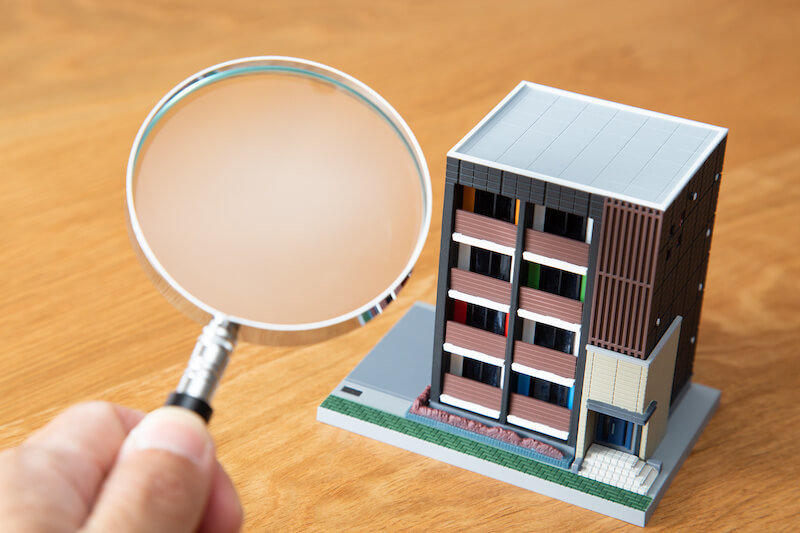
The best protection is a specialized condo inspection. Unlike regular home inspections, condo inspections focus on unit-specific issues, plus an evaluation of common elements and condo association finances.
Schedule your showings with a real estate agent who specializes in condos. They can help check for red flags when buying a condo.
When buying a condo, remember—fixing these problems after purchase ranges from impossible to extremely expensive. The time you spend on due diligence checking for these warning signs saves you from years of regret.
Potential buyers should never rush this process. Even in a competitive market, it’s better to walk away from a problematic complex than to drop tens of thousands of dollars on a condo down payment you’ll regret. There are always other options available.
For informational purposes only. Always consult with a licensed real estate professional before proceeding with any real estate transaction.
Don’t Ignore Red Flags When Buying a Condo
Don’t ignore red flags when buying a condo. Problems like poor management in the condo association, construction defects in the building, and financial troubles are nearly impossible to fix as an individual property owner.
Trust your instincts. If something feels off during your tour of the condominium complex, it probably is. And always review the association’s financial documents as part of your due diligence—they tell the true story of what you’re buying into.
Smart condo buyers look beyond granite countertops and fresh paint. They check building structure, fees, condo association management, and the overall community. These factors determine whether your condo becomes a comfortable home or an expensive mistake with unexpected expenses and special assessments. Buying a home can be worth it—buying a money pit won’t be.