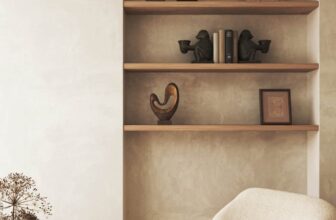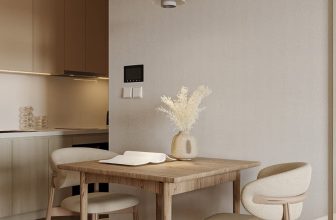

A kitchen isn’t a room you can style in isolation, and this is where the original draft treated it that way. Light wood kitchen cabinets set a baseline that every other surface in the room has to answer to.
Get that baseline right and the rest of your material choices get easier. Get it wrong and you’re fighting the cabinet tone every time you pick a counter, a floor, or even the paint two rooms over.
That’s especially true if your kitchen opens onto a living or dining area. A pale oak cabinet can appear different under focused kitchen lighting than from the sofa across the room.
In an open layout where both areas share visual space, the cabinet tone naturally influences the living room palette, even if it was not part of the original design plan.
With thoughtful planning, light wood cabinetry can feel both practical and polished. Keep reading for ideas that can help you create a kitchen that feels cohesive and welcoming every day.
What to Plan Before Choosing Light Wood Kitchen Cabinets
Before choosing light wood kitchen cabinets, plan for how the wood tone functions in your specific room, not how it looks in a showroom.
Start by checking the room’s natural and artificial lighting, since pale woods shift from warmer to cooler tones throughout the day, and a cabinet that looks right at 10am can look muddy under evening light.
Grain direction and door style affect how the storage inside functions day-to-day, and that’s a decision worth making before you fall in love with a finish.
Also measure the space carefully and choose a suitable configuration, such as a U-shaped kitchen layout, before deciding where appliances, pantry cabinets, and islands will sit.
Cabinet finish is the last decision in this sequence, not the first. Layout and clearance come first because they’re harder to change later.
27 Light Wood Kitchen Cabinet Ideas
These light wood kitchen cabinet ideas combine popular wood options, finishes, colors, layouts, and real-world styling examples for easier planning. Where a choice affects an adjacent space or a downstream decision, that’s called out because a kitchen rarely stays contained to just the kitchen.
1. Choose Light White Oak Cabinets

Light white oak cabinets bring visible natural grain and soft warmth without ever making the kitchen feel too heavy.
They work especially well with flat-panel doors, warm white counters, and pale stone backsplashes. For example, pair natural white oak lowers with creamy quartz and brushed nickel hardware for a balanced modern look.
Keep the finish clear or lightly toned so the grain remains visible and the overall palette stays fresh, calm, and natural.
2. Use Rift-Sawn Oak for Cleaner Grain

Rift-sawn oak creates a straighter, more uniform grain pattern than many standard oak cuts, which suits streamlined kitchens.
For example, use rift-sawn oak cabinets paired with white porcelain countertops and simple, understated black pulls.
The restrained grain adds visual interest without becoming busy, which helps the room maintain a clean, architectural appearance while still feeling warm.
3. Try Pale Maple for a Smooth Look

Pale maple cabinets offer a lighter, quieter grain than oak, which can make the kitchen look clean and consistent.
They suit Shaker doors, slab fronts, and transitional layouts. For example, combine natural maple cabinetry with soft gray countertops and brushed brass hardware for gentle contrast.
Avoid dark stains if the goal is a light aesthetic. A clear finish keeps the natural color visible while preserving the understated character of maple.
4. Bring in Light Birch Cabinets

Light birch cabinets provide a soft cream-to-beige appearance that works especially well in Scandinavian kitchen design and relaxed modern spaces.
They can work well with white tile, muted green walls, or pale gray counters. For example, pair birch Shaker cabinets with ivory quartz and small brass knobs.
Because birch shows natural color variation from door to door, review several samples together before ordering so the finished kitchen reads as intentional rather than uneven.
This is a load-bearing detail more than a style note: uneven birch panels are one of the more common regrets in a light-wood kitchen, and it’s cheap to prevent and expensive to fix after installation.
5. Choose Ash for Subtle Texture

Ash cabinetry has a light color and distinct grain that can create a contemporary kitchen without looking flat.
Its natural pattern works well on slab doors where the wood becomes the decorative feature. For example, pair pale ash cabinets with matte white counters and stainless steel fixtures.
Keep the backsplash simple, such as warm white tile, so the wood grain remains noticeable without competing with another pattern nearby for overall balance.
6. Use Light Wood Veneer Doors

Light wood veneer doors can deliver a natural appearance while allowing cleaner grain matching across cabinet surfaces.
They are especially effective on flat-panel designs and tall storage walls. For example, use white oak veneer across a refrigerator panel, pantry doors, and lower cabinets for a seamless look.
Ask the supplier how veneer sheets are matched, because careful grain alignment can make the cabinetry appear more refined, continuous, and intentionally designed.
7. Pair Light Wood With White Quartz

White quartz countertops can create crisp, clean contrast beside light wood cabinets while keeping the whole kitchen bright.
Warm white surfaces usually pair more naturally with beige or honey-toned woods than icy blue-white finishes. For example, combine pale oak cabinets with creamy quartz counters and a matching short backsplash.
The result feels visually clean without becoming stark. Test both materials together under kitchen lighting to confirm their undertones look balanced throughout the day.
8. Add Warm White Marble-Look Surfaces

Marble-look surfaces can add movement to a kitchen with light wood cabinetry without overwhelming the natural grain.
Choose subtle veining rather than bold patterns when the cabinets already have visible texture. For example, pair white oak cabinets with a warm white marble-look quartz featuring soft beige veins.
This combination adds polish while maintaining a calm palette. Repeat one warm tone from the veining in hardware, lighting, or nearby decorative accents.
9. Combine Light Wood and White Cabinets

Mixing light wood and white cabinets can open up a kitchen while adding contrast and visual weight where you want it.
Use one finish for the main perimeter and another for an island, tall storage wall, or lower cabinets. For example, choose white upper cabinets with pale oak base cabinets to reduce visual weight at eye level.
Keeping darker tones closer to the floor while maintaining lighter upper walls can make smaller or enclosed kitchens feel more open and balanced, especially in galley or single-wall layouts.
Use a consistent countertop material across both cabinet finishes to create a smoother transition and prevent the two tones from feeling disconnected.
10. Create a Light Wood Kitchen Island

A light wood kitchen island can introduce warmth without covering the entire room in heavy wood cabinetry. An island isn’t just a focal point; it’s a traffic obstacle if it’s sized or placed wrong.
This approach works well when the surrounding cabinets are white, cream, or soft gray. For example, add a natural oak island with white perimeter cabinets and pale stone countertops.
Before you commit to the finish, confirm clearance on all sides, ideally 42 inches minimum for a single cook and closer to 48 for two people working the kitchen at once. The wood tone matters far less than whether people can actually get around it.
11. Use Light Wood Lower Cabinets

Light wood lower cabinets add warmth near the floor, while allowing upper walls to remain lighter and airy throughout the space.
Pair them with white uppers, open shelves, or no upper cabinets for a more spacious effect. For example, use pale maple base cabinets beneath white quartz counters with white wall cabinets above.
This arrangement gives the wood enough presence to feel intentional while keeping the upper half of the kitchen bright, clean, and uncluttered.
12. Install Light Wood Floor-to-Ceiling Cabinets

Floor-to-ceiling light wood cabinets can make storage feel architectural rather than bulky when the door style stays simple.
Use slab or narrow Shaker fronts to avoid too much visual detail. For example, create a full pale oak pantry wall with integrated appliance panels and minimal hardware.
Keeping the grain direction consistent top to bottom is what actually makes a wall like this feel calm rather than assembled panel by panel. Balance the large wood surface with lighter counters, walls, and flooring nearby.
13. Pair Light Wood With Black Hardware

Black hardware creates contrast against pale wood and can sharpen the look of cabinetry. Use it selectively so the kitchen does not become overly outlined.
For example, pair natural oak slab cabinets with slim matte black pulls and a matching faucet. Keep the countertops and backsplash light to prevent the dark accents from dominating.
Repeating black in two or three separate places is usually enough to make the whole palette feel intentional and cohesive.
14. Try Brushed Brass for Softer Contrast

Brushed brass hardware adds warmth to light wood cabinets without creating the same harsh contrast that black hardware often brings.
It works especially well with oak, maple, and birch tones that already have golden or beige undertones. For example, pair pale oak Shaker cabinets with brushed brass knobs and warm white quartz.
Keep the brass finish muted rather than polished. This helps the kitchen feel refined while allowing the wood to remain the visual feature.
15. Use Brushed Nickel for a Cooler Balance

Brushed nickel can balance warm light wood cabinets with a cooler metallic finish. It works well in kitchens that include stainless steel appliances, gray stone, or crisp white surfaces.
For example, pair natural maple cabinetry with brushed nickel pulls, a stainless faucet, and soft gray quartz. Repeating similar metal tones creates visual consistency.
The result feels clean, fresh, and modern without relying too heavily on strong black contrast or overly warm gold accents.
16. Add a Simple White Tile Backsplash

A white tile backsplash lets light wood cabinets remain the main source of visual texture throughout the entire kitchen space.
Choose warm white or creamy tile if the cabinets have beige, honey, or golden undertones. For example, combine pale oak cabinets with handmade-look white subway tile and light grout. The surface variation adds interest without competing with the grain.
Keep grout lines restrained so the backsplash supports the cabinetry rather than becoming the room’s strongest feature.
17. Try Soft Green Beside Light Wood

Soft green can complement light wood cabinets by adding color while preserving a natural kitchen palette.
Sage, gray-green, and dusty olive tones feel calmer than bright greens. For example, pair white oak lower cabinets with a pale sage backsplash and warm white countertops.
Repeat the green in accessories rather than large surfaces. This keeps the kitchen fresh and grounded while allowing the cabinet grain and wood tone to remain prominent.
18. Pair Light Wood With Beige Stone

Beige stone or stone-look countertop surfaces can create a warm, layered palette when paired with light wood cabinetry.
Choose a counter that differs slightly from the cabinet tone so the materials do not blend together. For example, combine pale oak cabinets with light greige quartz and an ivory backsplash.
The gentle contrast keeps the kitchen cohesive without looking flat. Add one darker accent, such as bronze hardware, to provide definition and visual structure.
19. Coordinate With Light Wood Flooring

Light wood cabinets can work with wood floors, but the finishes should not look accidentally mismatched.
Focus on compatible undertones rather than color matching. For example, pair natural white oak cabinets with slightly lighter oak flooring that shares a warm neutral base.
If both surfaces carry strong grain, keep countertops and backsplashes quiet. A small tonal difference helps separate the cabinetry from the floor while keeping the palette cohesive.
This is one of the pairings most likely to look right in the showroom and wrong at home, since floor and cabinet finishes rarely sit under the same light source. Confirm the match with both materials in your kitchen before ordering either one.
20. Contrast With Medium-Tone Wood Floors

Medium-tone wood flooring helps light wood cabinets stand out while keeping the kitchen warm overall. Choose flooring with related undertones so the contrast feels deliberate.
For example, pair pale maple cabinets with medium oak flooring and creamy white countertops. The darker floor grounds the room while the lighter cabinetry keeps upper surfaces bright.
Use a simple backsplash so the two wood grains aren’t competing for attention in the same sightline.
21. Use Flat-Panel Light Wood Doors

Flat-panel doors emphasize grain and color rather than decorative molding, making them a strong match for modern light wood kitchens.
They work especially well with oak, ash, and veneer surfaces. For example, use pale oak slab doors with integrated pulls and white quartz countertops. The simple fronts create uninterrupted areas of wood.
Keep hardware minimal and align cabinet edges carefully so the overall kitchen feels precise, uncluttered, and visually calm.
22. Choose Slim Shaker Light Wood Cabinets

Slim Shaker cabinets offer a middle ground between slab fronts and traditional framed doors. Their narrow borders add structure without making the kitchen feel overly detailed.
For example, pair light oak slim Shaker cabinets with creamy quartz, brushed brass hardware, and a plain white backsplash. The frame gives the cabinetry definition while preserving a modern look.
This style works well in kitchens that mix contemporary finishes with softer, more classic and timeless design elements.
23. Use Traditional Shaker in Pale Wood

Traditional Shaker doors can make light wood cabinets feel warmer while still supporting a kitchen palette.
Choose a simple finish and restrained hardware to keep the design from becoming too decorative. For example, pair natural maple Shaker cabinets with white quartz and brushed nickel pulls.
The framed doors add depth, while the light wood prevents them from looking heavy. Keep surrounding surfaces simple to maintain a balanced appearance overall.
24. Add Open Light Wood Shelving

Open light wood shelves can repeat the cabinet finish and create a visual break between closed storage areas. Use them for used dishes or decorative pieces.
For example, pair white base cabinets with two pale oak shelves above the counter. Matching the shelf wood to an island or to lower cabinets helps tie the design together.
Open shelving is also a functional trade-off worth naming outright: it looks calm when styled sparingly and reads as clutter fast if you actually use it for daily dishes.
Matching the shelf wood to an island or to lower cabinets helps tie the design together. Decide which job you want it to do before you commit the wall space to it.
25. Mix Light Wood With Cream Cabinets

Cream cabinets pair nicely with light wood because both finishes share a softer, warmer appearance than bright white cabinetry.
The combination can create a warm modern kitchen without relying on contrast. For example, use cream perimeter cabinets with a pale oak island and beige quartz counters.
Choose brass or nickel hardware to match the finishes. Keeping the undertones warm and consistent helps the two cabinet colors feel coordinated rather than randomly combined.
26. Try a Two-Tone Light Wood Pantry Wall

A two-tone pantry wall can combine light wood with a painted finish while keeping storage areas visually interesting.
Use the wood on tall doors and a color on nearby base cabinets. For example, pair a pale oak pantry wall with warm white lower cabinets and matching quartz.
Keeping the countertop color consistent across the kitchen helps connect both finishes. Repeat the oak in a shelf or island detail for continuity.
27. Keep The Palette Minimal and Layered

A restrained palette helps light wood kitchen cabinets read as intentional rather than plain. Limit the room to a few coordinated materials, then use texture for variation. For example, combine pale oak cabinets, warm white quartz, soft beige tile, and brushed nickel hardware.
For example, combine pale oak cabinets, warm white quartz, soft beige tile, and brushed nickel hardware. A similar restrained approach works well with Japandi kitchen cabinets, where natural wood, simple forms, and warm neutrals create a calm appearance.
Each material contributes a surface without adding strong color. Repeating these finishes around the kitchen creates rhythm and makes the natural wood grain feel like a deliberate design feature.
How to Style Light Wood Kitchen Cabinets
Style light wood kitchen cabinets with simple finishes that complement the natural grain while keeping the kitchen balanced, warm, and visually clean.
|
Element |
Best Choice |
Why It Works |
|---|---|---|
|
Countertops |
Warm white quartz |
Adds soft contrast |
|
Backsplash |
White or beige tile |
Keeps the look light |
|
Hardware |
Black, brass, or nickel |
Adds clear definition |
|
Flooring |
Light or medium wood |
Maintains natural warmth |
|
Walls |
Warm white or greige |
Supports wood undertones |
|
Lighting |
Soft warm-white light |
Enhances cabinet color |
What to Check Before Buying Light Wood Cabinets
Check cabinet materials, finishes, construction, storage, hardware, and warranties carefully so your chosen cabinets suit both daily use and kitchen design.
- Wood Type: Confirm the wood species or veneer used, since grain, color, durability and appearance can vary significantly between cabinet materials.
- Finish Quality: Inspect the finish for even color, smooth coverage, and proper protection against common kitchen moisture, stains, and everyday surface wear.
- Cabinet Construction: Check box materials, joints, shelves, hinges, and drawer slides to understand how securely the cabinets are built for regular use. This is the detail that determines whether cabinets hold up under daily use, not the door finish, so don’t let a nice wood tone distract from a weak box.
- Storage Layout: Review cabinet sizes, drawer depth, shelving, and pantry space, then consider how to organize kitchen drawers for easier everyday storage.
- Warranty Coverage: Read the warranty terms carefully to understand which cabinet parts, finishes, hardware, and manufacturing defects are covered after purchase.
Conclusion
Light wood kitchen cabinets work best when every choice supports the room’s overall look. A successful design comes from balancing wood tone, grain, hardware, countertops, backsplash, flooring and lighting instead of relying on one feature alone.
And a kitchen rarely stops at the kitchen. If it opens onto a living space, shares a hallway, or sits within the sightline of another room, the cabinet tone you choose is doing double duty, whether you planned for it or not.
Before buying, compare samples in your own light, check construction details, and think through how the cabinets will actually function in daily use, not just how they’ll look on day one.
The right combination can create a space that feels clean, natural, and easy to live with. Share your favorite light-wood cabinet idea in the comments below.
Frequently Asked Questions
Do Light Wood Cabinets Increase Home Resale Value?
Light wood cabinets can appeal to buyers who prefer bright, neutral kitchens, though resale value depends on overall home condition too.
Can You Paint Over Light Wood Cabinets Later?
Yes, most light wood cabinets can be painted later if the surface is properly sanded, primed, and prepared beforehand.
Do Light Wood Cabinets Work With Stainless Steel Appliances?
Yes, stainless steel appliances usually pair well with light wood cabinets, creating a balanced look between warm tones and cool metal finishes.