Mercedes-Benz Physical Buttons Return

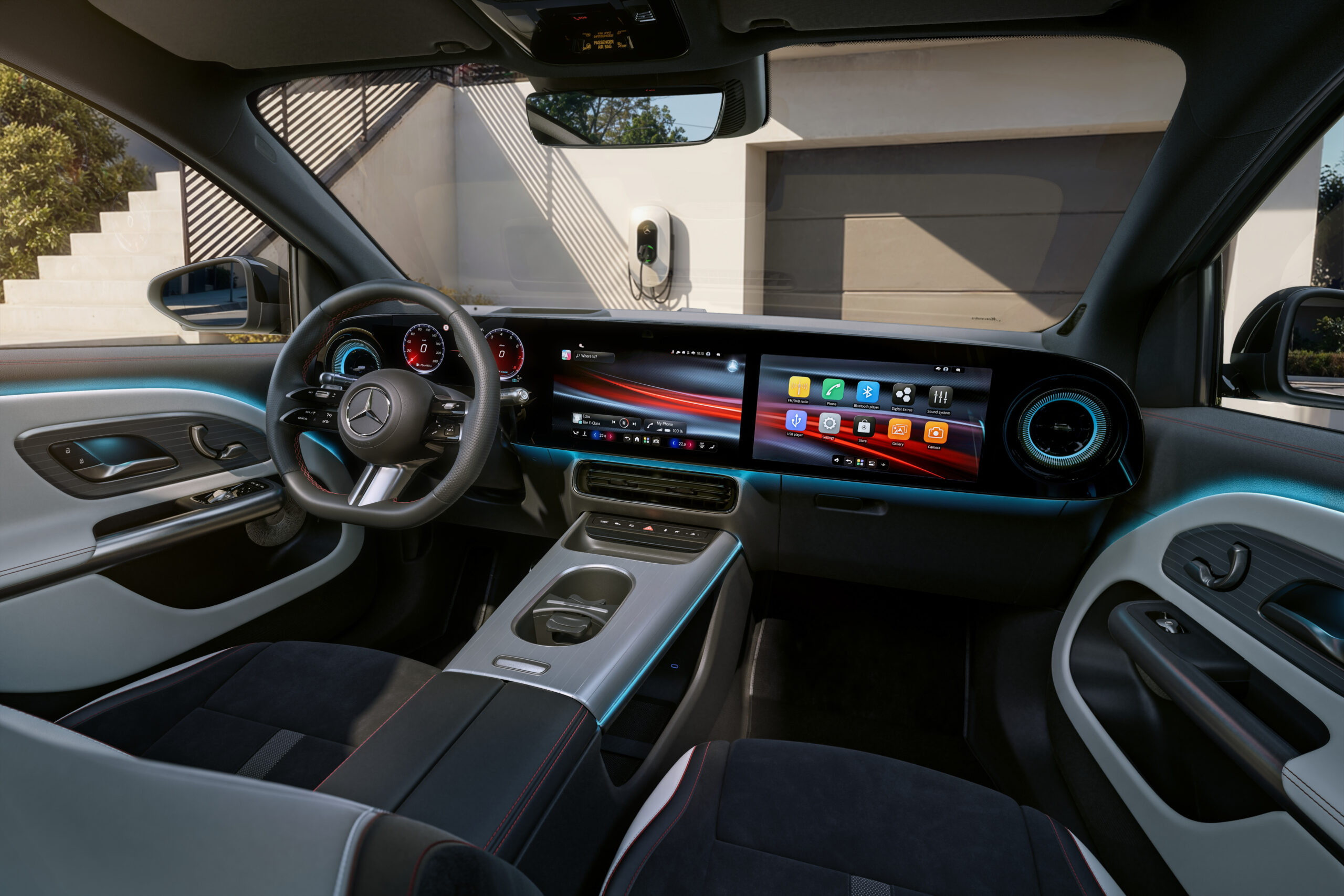
Mercedes-Benz physical buttons are coming back. The company’s CEO, Ola Källenius, told Autocar in an interview published July 31, 2026, that the car industry “might have gone a little bit too far” with touchscreens, and that his company will “reintroduce the most sensible buttons.”
For ordinary drivers, that means fewer eyes-off-the-road swipes and more intuitive controls for the things they use every day: climate, audio and essential safety functions. The move signals a wider industry correction, as carmakers quietly accept that touchscreen-only cabins can be cheaper to build but harder and more distracting to use.
Drivers have been saying the same thing for years without much effect. We made that argument here in April 2025, when the answer was to keep screens for navigation and give drivers buttons for volume, temperature and wipers. That is close to the split Mercedes now describes.
Mercedes’ tri-screen MBUX Hyperscreen runs up to 1,410 mm across the dashboard, which Autocar calls the widest display in any production car. Its CEO now says the industry went too far and has committed Mercedes to reversing part of it.
The screens themselves are staying. Asked whether the industry had reached “peak screen”, Källenius said he wasn’t sure about screens, but that it had definitely reached “low button”—too few physical controls for how people actually drive.
He was specific about the cause. “Sometimes you get a bit ahead of yourself and do technology for the sake of technology and maybe forget a little bit about the customer.”
Mercedes-Benz Physical Buttons Return to the Steering Wheel
Mercedes started this a year before its CEO said anything. Chief software officer Magnus Östberg told Autocar at the Munich motor show in September 2025 that “the data shows us physical buttons are better.” A new steering wheel with rockers, rollers and hard keys debuted on the electric GLC and the CLA Shooting Brake.
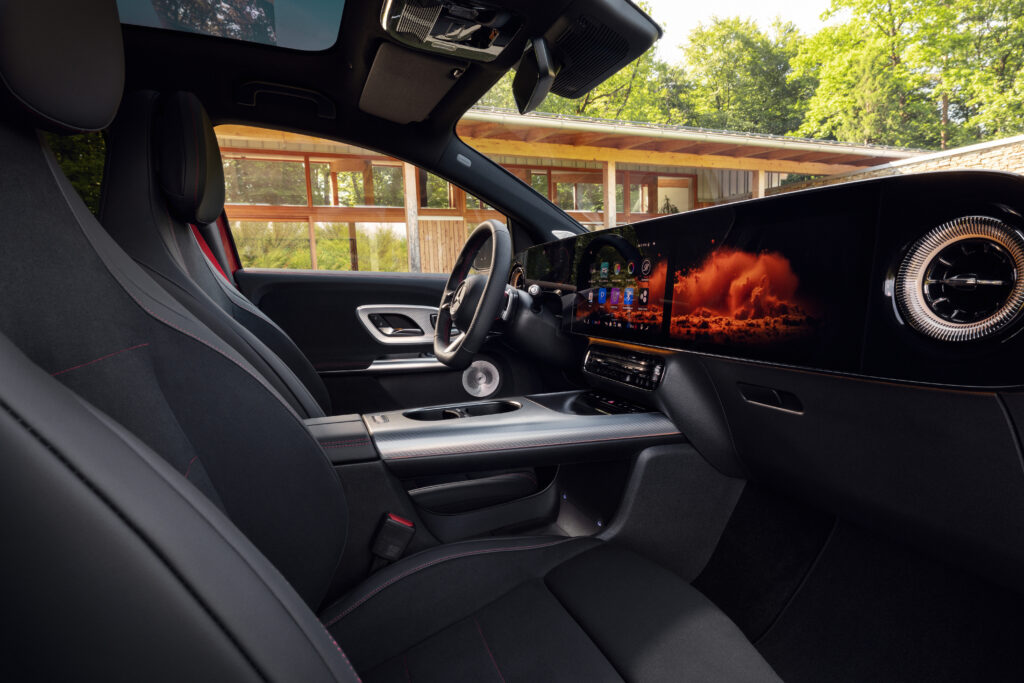
Östberg said the new wheel becomes standard across the range and gets retrofitted to cars already on sale, starting with the CLA saloon. He called it the cheapest way to put physical controls back without giving up the digital-first cabin.
The preference splits by market, he added. Europeans want buttons. Mercedes’ own usage data shows Asian drivers reach for touch and voice instead, so different regions may end up with different wheels.
Sales chief Mathias Geisen told Autocar in late April that Mercedes’ customer clinics keep returning the same answer. “We love the big screens, but we want to have [hard controls for] specific functionalities.” Buyers said this roughly two years ago, he said.
Regulators Are Pushing for Physical Controls Too
Two regulators are pushing in the same direction. Euro NCAP changed its protocols in January 2026. Touch-only controls for indicators, hazard lights, the horn, wipers and the emergency call system now cost a car points toward five stars.
China’s Ministry of Industry and Information Technology has finalized a draft revision to standard GB4094-2016 covering a longer list, including gear selection and driver-assistance activation. It’s expected to apply to newly manufactured vehicles from July 1, 2027.
Mercedes changed the steering wheel before either rule landed. But five stars sell cars, and China is the world’s largest car market.
The buttons disappeared for a reason nobody at Mercedes has volunteered. Ferrari CEO Benedetto Vigna told Autocar India in March that touch controls cost about 50 percent less to manufacture, and that touch is made for the supplier’s advantage. Ferrari now offers Purosangue and 12Cilindri owners a retrofit wheel with real buttons on cars it already delivered.
Mercedes is not alone. Volkswagen promised buttons back after years of complaints about the Golf Mk8 and the ID range. Hyundai has said it will keep physical controls for daily functions. What’s unusual about Mercedes is an executive team saying out loud that it got this wrong.
Mercedes has published no model list and no timeline. So far, everything it has shipped is on the steering wheel. Climate and volume controls on the console cost more, take longer to engineer, and the company has not committed to bringing them back. Everything specific is still on one steering wheel.